The automotive news: the latest innovations in cars and progress in the electric vehicle market

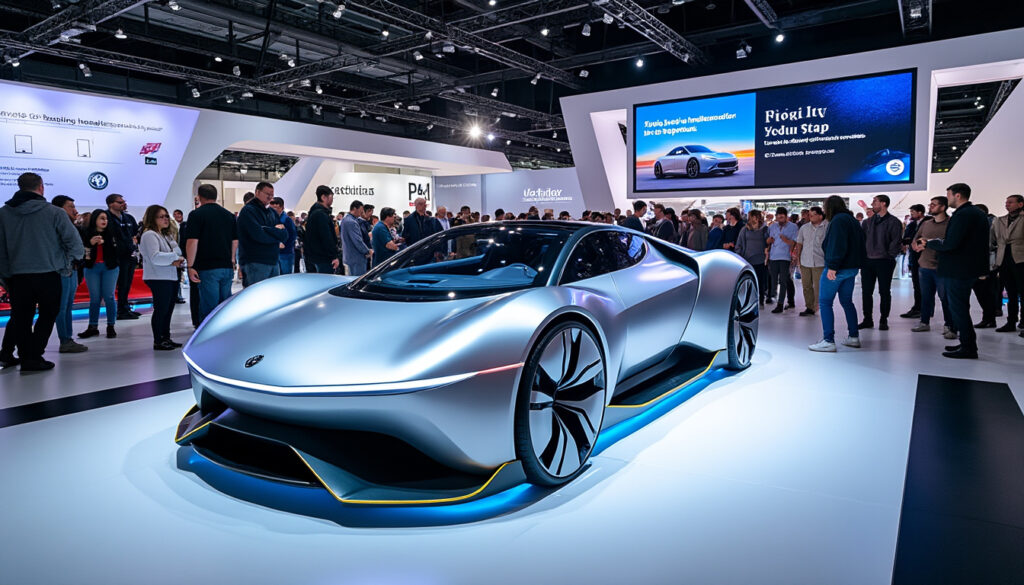

2025 marks a significant turning point in the automotive industry, particularly concerning the rise of electric vehicles. This booming market is transforming rapidly, driven by technological innovations and changes in the strategies of key players in the sector. Automotive manufacturers such as Tesla, Renault, and Ford are redefining their market positions, while giants like Honda are adjusting their ambitions in response to fluctuating demand. This article examines recent innovations as well as the evolution of the electric vehicle market, offering an overview of current trends and challenges.
Technological Innovations in the Automotive Sector in 2025
The technological advancements of vehicles appearing on our roads are impressive. In 2025, several new models are being tested, each innovation aimed at improving performance, safety, and user experience. A notable event was the SMMT test day, where automotive media were able to try out the latest models from various manufacturers.
The New Models and Their Performance
Among the tested vehicles, the new Puma Gen-e from Ford stood out. It is Ford's first fully electric vehicle based on one of its classic passenger cars. Equipped with a 43 kWh battery, it is capable of traveling up to 375 km on a single charge. Other models like the Skoda Elroq also set high standards with their features. This mid-size SUV can reach 570 km of range thanks to its 77 kWh battery.
A summary table of the recently tested models highlights their key specifications:
| Model | Battery Type | Range (km) |
|---|---|---|
| Puma Gen-e (Ford) | 43 kWh | 375 |
| Elroq (Skoda) | 77 kWh | 570 |
| T03 (Leapmotor) | 37.3 kWh | 265 |
| Inster BEV (Hyundai) | 42 kWh | 360 |
Technologies and Safety
Safety remains a primary concern for manufacturers. The new models incorporate advanced autonomous driving systems that ensure not only comfort but also the safety of passengers. For example, systems for monitoring driver fatigue, lane-keeping assistance, and automatic emergency braking are becoming increasingly common.
- Level 2 or 3 autonomous driving technology in certain vehicles.
- Equipment for detecting pedestrians and cyclists.
- Real-time analysis of traffic conditions.
These technological developments increase consumer confidence in electric vehicles, mainly fueled by ongoing innovations. However, the future of electromobility also depends on manufacturers' ability to overcome challenges related to production and innovation.

The Rise of Electric Vehicles in Europe
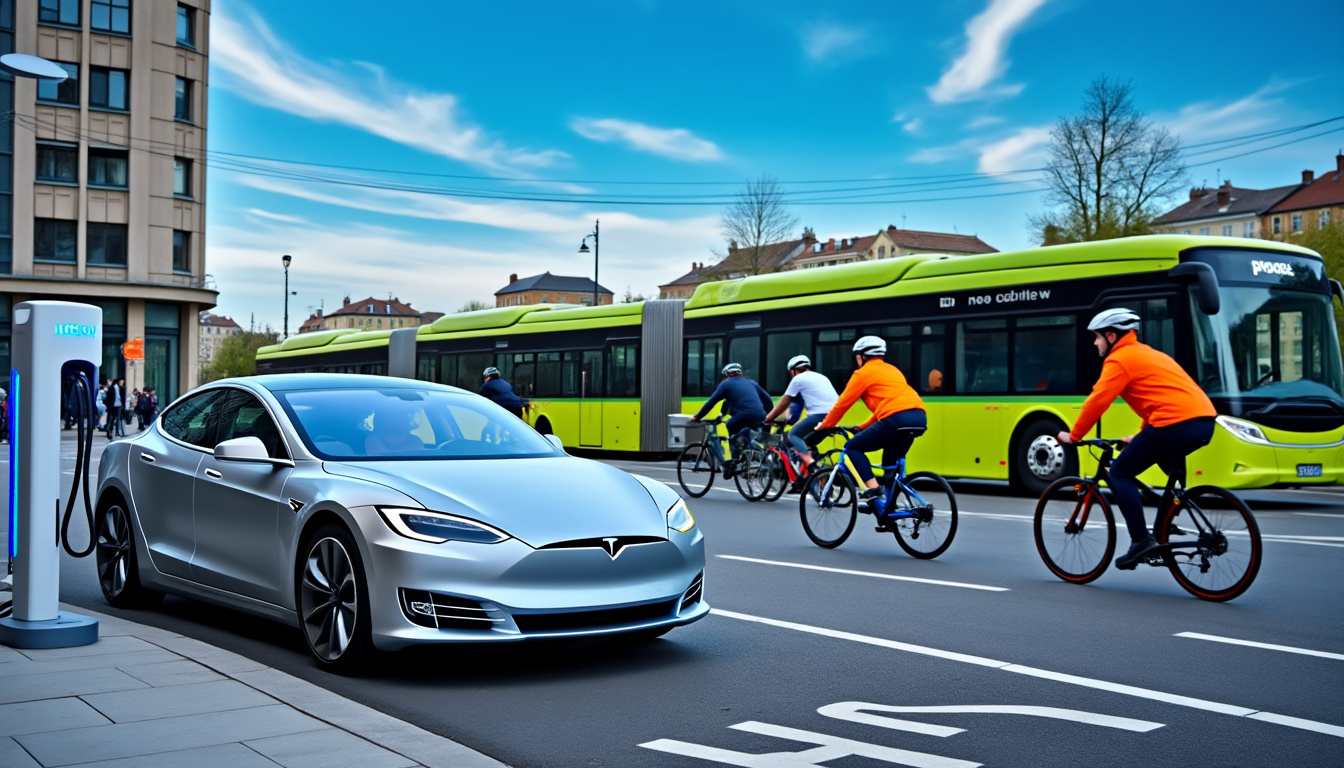
In Europe, the electric vehicle market is experiencing true acceleration. According to a recent analysis, registrations of electrified vehicles increased by 20% in the first quarter of 2025. This equates to 847,591 new units on the roads, a figure that demonstrates the growing popularity of this technology.
Market Numbers Analysis
Fully electric vehicles, or BEVs, are the driving force behind this growth, showing a 28% increase compared to the previous year, which represents 578,990 units sold. However, plug-in hybrid vehicles (PHEVs) have experienced fluctuations, with lower performance at the beginning of the year, except for a notable rebound in March.
The following table illustrates the distribution of electric vehicle sales by country:
| Country | Market Share (%) | Sales (units) |
|---|---|---|
| Germany | 20.7 | 175,000 |
| United Kingdom | 20.5 | 173,239 |
| France | 11.3 | 95,000 |
| Belgium | 8.4 | 71,000 |
| Netherlands | 6.1 | 51,000 |
Market Leaders
In this growth dynamic, the Tesla Model Y has dominated the market, becoming the best-selling BEV with 30,407 registrations. Its sibling, the Model 3, followed closely with equally impressive figures. Other brands, such as Volkswagen and BMW, are starting to see their models, like the VW ID.4 and the BMW iX3, gain popularity.
- Tesla Model Y: 30,407 registrations.
- Tesla Model 3: 23,388 registrations.
- Volkswagen ID.4: 15,000 registrations.
- Skoda Enyaq: 10,000 registrations.
These figures also indicate that consumers are leaning towards models that are increasingly efficient and suited to their needs, while also considering the ecological impact of their choices.

The Strategic Adjustments of Manufacturers
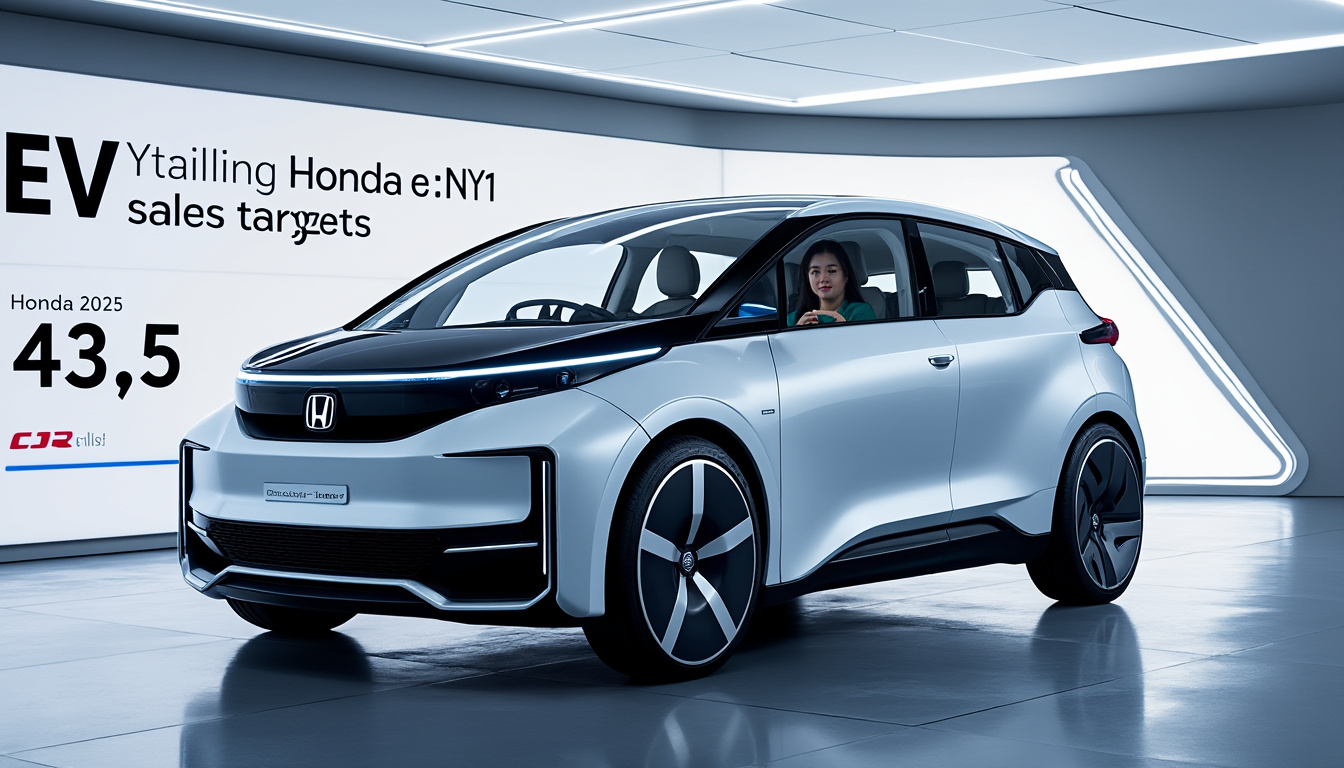
In response to these rapid developments, automotive manufacturers are revising their strategies. For example, Honda announced a reduction in its investment in electric vehicle development due to demand falling short of expectations. The focus will now shift to hybrid models, anticipating greater adoption in the coming years.
Focus on Hybrids
Honda plans to introduce new hybrid models starting in 2027 while targeting an electric vehicle sales ratio of below 30% by 2030. This innovative decision reflects a trend observed in the sector, where brands like Nissan and Renault are also investing in hybrid solutions, fearing a slowdown in demand for fully electric models.
- New hybrid models from Honda on the horizon in 2027.
- Focus on sustainability and the transition towards electrification.
- Reevaluation of sales targets for Honda, Nissan, and Renault.
The Challenges of Battery Production
Another key player in this dynamic is Northvolt, a battery producer, which recently announced significant financial issues. The company filed for bankruptcy and is preparing to close its factory in Sweden if a buyer is not found. This situation illustrates the challenges of supply and production that weigh on the electromobility industry.
Thus, the robustness of battery production strategies and investment in sustainable technologies become essential as manufacturers aim to meet growing demand while managing rising production costs.
Outlook on the Electric Vehicle Market Towards 2025
As we approach 2025, the automotive sector must prepare for a future shaped by constant innovations. Consumers are becoming increasingly informed and demanding, creating an ecosystem where manufacturers must adapt quickly to remain competitive.
Conclusion on Consumer Trends
A sharp rise in interest in electric vehicles is expected. With brands like BMW and Audi investing in high-end electric models, the pressure on traditional manufacturers to innovate and satisfy this new generation of buyers is strong.
- The emergence of affordable models in the electric segment.
- A shift in mentality towards electrification and sustainability.
- Increased attention to the environmental impact of traditional vehicles.
Sustainable Development Strategies
Environmental challenges will continue to be central. Several stakeholders in the sector are committed to reducing their carbon footprint throughout the production chain. The transition process towards sustainable practices remains a challenge but is seen as essential for the longevity of the automotive industry.
| Manufacturers | Sustainable Commitment | Growth Strategies |
|---|---|---|
| Tesla | Zero operational emissions by 2030 | Expansion of global production facilities |
| BMW | Use of recycled materials | Increase in electric models |
| Volkswagen | Reduction of production costs | Investment in charging infrastructure |
| Audi | Transition to environmentally friendly production processes | Launch of new electric models |
Si vous souhaitez lire d'autres articles tels que The automotive news: the latest innovations in cars and progress in the electric vehicle market, consultez la catégorie Non classé.
-
Loriane Cousteau says:
L'essor des véhicules électriques est vraiment passionnant, espérons que les défis de production seront résolus.
-
Les avancées en matière de véhicules électriques sont vraiment impressionnantes. Le futur semble prometteur !
-
Les voitures électriques évoluent vite, c'est fascinant de voir ces innovations.
-
Les avancées technologiques dans les véhicules électriques sont vraiment impressionnantes et encourageantes pour l'avenir.
Leave a Reply to Loriane Cousteau Cancel reply
Articles relatifs