The automobile: will the Multipla have a new chapter in its history?

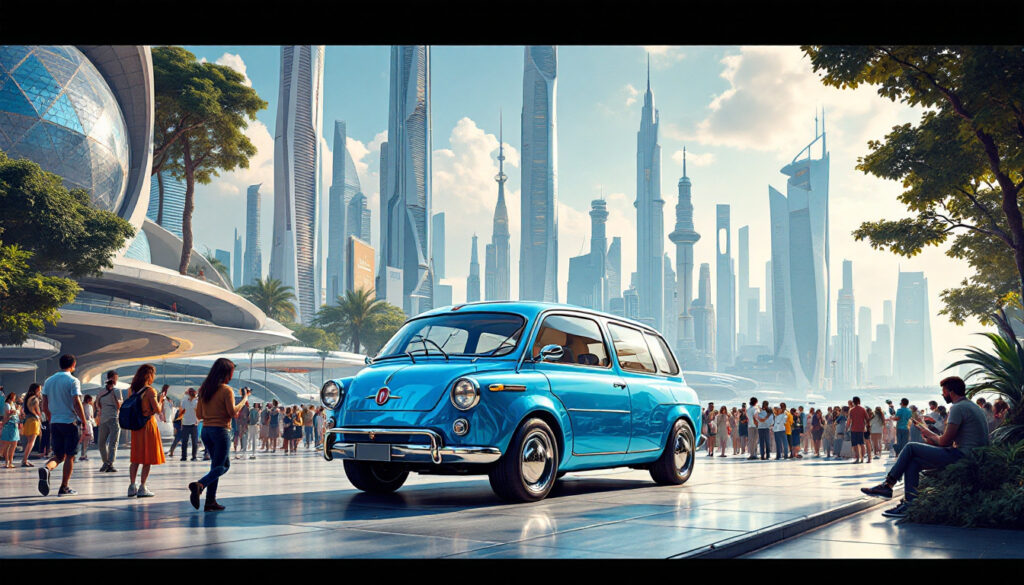

The Fiat Multipla has marked automotive history with its bold design and functional approach, but it has also raised reservations and mockery. Yet, as the automotive market evolves towards more flexible and eco-friendly models, the question arises: will the Multipla be reborn in a modernized form? In this exploration, the influences of car culture, current trends, and technological innovation will be highlighted, as they could give this iconic vehicle a new chance to shine.
The Multipla: origin of a revolutionary concept
To understand the potential impact of a new model of the Multipla, it is essential to look back at its origins. Initially, the Multipla was born as a modified version of the Fiat 600 between 1956 and 1965. This vehicle dared to challenge the aesthetic conventions of the time and represented the first "minispace." Its success is measured not only in sales but also in its ability to accommodate up to six people while remaining in a compact format. A true feat for its time.
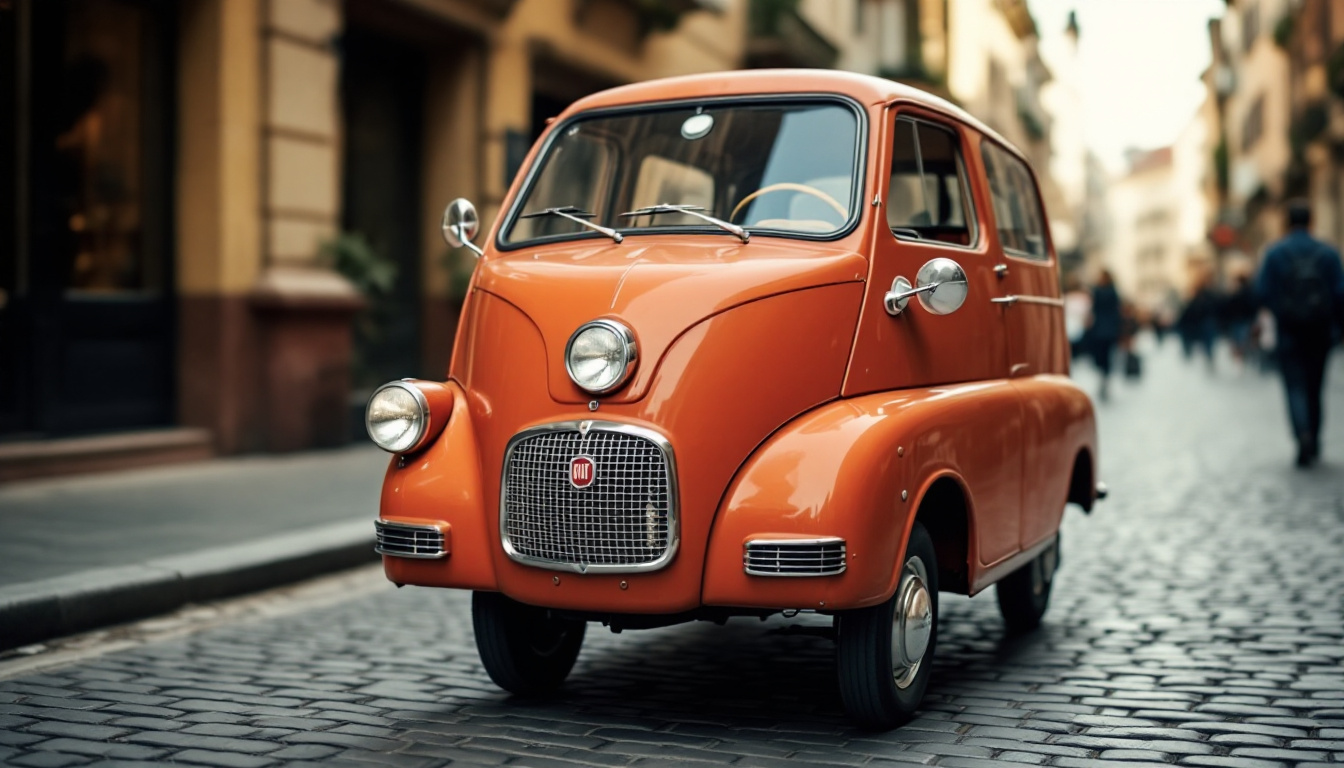
The first generation of this vehicle was designed by Roberto Giolito, who succeeded in integrating functionality while maintaining a unique design. This model saw true enthusiasm, reaching 350,000 units produced by 2010. The second generation, launched in 1998, continued this momentum with a pronounced width to accommodate six passengers in two rows, but it was also criticized for its unconventional aesthetics.
The Multipla thus represents an architectural challenge, highlighting functionality over traditional design. This philosophy could be revisited in a future model, especially with current technological evolutions, such as electric platforms that allow for reimagining the interior space.
- Fiat 600 Multipla: a model of family mobility.
- Evolution towards a more functional than conventional design.
- Impact on the perception of minivans in the industry.
Current challenges facing innovation
What stands out in the current automotive landscape is the conformism that seems to prevail among manufacturers like Renault, Peugeot, and Volkswagen. Many of them opt for SUVs, leaving behind innovative concepts. The question arises: why not take advantage of electric architecture to genuinely rethink the minivan? With the rise of electric vehicles like the Tesla Model Y or the Volkswagen ID.4, which are gaining popularity, a new opportunity to explore innovative concepts is emerging.

Electric platforms offer incredible potential, allowing for optimization of the internal habitat. A vehicle like the Multipla could reintegrate functionality, but with a much more aesthetic and modern presentation, avoiding the conformism of current models. The open space, devoid of a traditional engine and bulky gearbox, represents a true blank canvas for designers.
However, the hesitation of traditional brands to disrupt the architecture of their models is concerning. Current trends indicate that it will be difficult for some of them, even those seeking innovation, to step outside their comfort zones.
| Manufacturer | Model | Body type |
|---|---|---|
| Fiat | Multipla (historical) | Minispace |
| Renault | Capture | SUV |
| Volkswagen | ID.4 | Electric SUV |
The evolution of consumer preferences
Consumer tastes in automobiles have evolved over time, moving towards more spacious and practical models. Trends show a strong demand for vehicles capable of meeting the needs of today's families. The rise of SUVs, while popular, do not always perfectly meet these needs. Indeed, these vehicles are often criticized for their lack of practicality compared to well-designed minivans.
The era of electric vehicles represents a turning point in this debate. By 2025, ecological awareness promotes more thoughtful decision-making when purchasing a vehicle. Customers seek options that offer not only excellent performance but also a reduced carbon footprint, along with increased functionality. This calls into question the relevance of traditional models in the face of more innovative alternatives like the potential revival of the Multipla.
- Desire for versatility in vehicle choice.
- Search for sustainability and reduced environmental impact.
- Consumers want more space and comfort.
The renaissance of the Multipla: a vision for the future
A return of the Multipla in a new format could pave the way for a revolutionary reinvention of current automotive architecture. Manufacturers should take inspiration from brands like Audi and BMW, known for their ability to combine innovation and tradition. So, what could a new Multipla model bring?
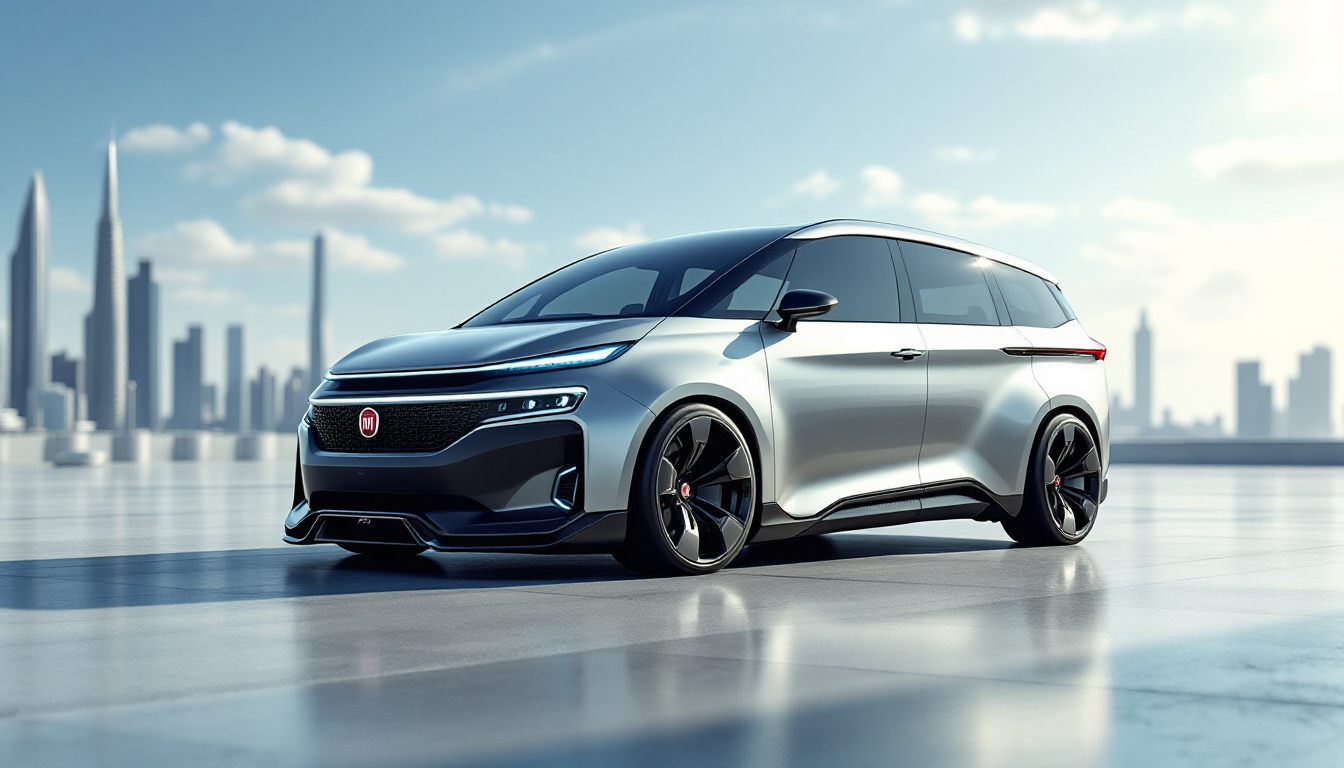
A modernized Multipla concept, designed for 2025 and beyond, could include:
- Electric platforms: Offering modular designs suited to various configurations.
- Advanced driving assistance technologies, integrating autonomous features.
- User-friendly interior, designed for family use, with smart and modular storage spaces.
The key to this return will lie in Fiat's ability to break free from the constraints of traditional models. Why not explore a design that truly celebrates the community aspect of family driving while integrating cutting-edge technology?
Cultural influences and automotive design
Automotive design is continuously evolving, influenced not only by manufacturing techniques but also by social and cultural movements. By 2025, vehicle design must incorporate more sustainability and comfort. The return of a model like the Multipla could signify a significant change in design.
Automotive cultures have often echoed specific periods, and the Multipla has managed to represent a unique moment in the 90s. Making a comeback today, it could anchor itself in a new context, related to the digital age and inclusivity. Consumers want to be heard, and a revival of the Multipla could well embody this desire.
- Incorporation of ecology through a sober design.
- Recyclable materials used in manufacturing for a reduced ecological footprint.
- Integrated connectivity for multimedia and roadside assistance.
It is conceivable that this car makes a nod to nostalgia while integrating elements of modernity and practicality. A question arises: what if the Multipla became the symbol of a new automotive era, one of rethought innovation and design in harmony with the environment? This transformation could also provide a response to the supremacy of SUVs.
Honoring history while forging the future
The return of the Multipla should be accompanied by a homage to its past while resolutely looking towards the future. The ability to evolve with the times and meet the varied needs of drivers will be crucial. By reintegrating elements of its original design while modernizing them, Fiat can establish a strong emotional connection with customers.

By supporting the idea of innovation within this tradition, Fiat has the opportunity to create a vehicle that could also evoke a strong sense of identity and community among drivers. In this way, the Multipla would not just be a car, but a symbol of change and avant-garde in the automotive industry.
| Aspects | Original Multipla | Multipla Vision 2025 |
|---|---|---|
| Design | Bold, divisive | Modern, functional |
| Capacity | Six people | Modular as needed |
| Technology | Basic | Connected and autonomous |
Si vous souhaitez lire d'autres articles tels que The automobile: will the Multipla have a new chapter in its history?, consultez la catégorie Non classé.
-
Eléonore Tristana says:
Le retour de la Multipla serait formidable, elle a tant de caractère et d'originalité!
-
La Multipla a vraiment marqué son époque. J'espère qu'une version moderne reviendra sur le marché!
Leave a Reply to Eléonore Tristana Cancel reply
Articles relatifs