The automobile assistance industry is bravely weathering the economic storm!



The automotive roadside assistance sector stands as an unwavering support at the heart of an economic storm with contrary winds. While many industries struggle to keep up with regulatory changes and fluctuations in purchasing power, roadside assistance stands out for its resilience and continuous growth. Recent figures reveal this clearly: this sector shows impressive results, despite the ongoing crisis affecting the automotive field. A look at a booming sector.
The performance of a growing sector
To grasp the extent of success in the automotive roadside assistance sector, one only needs to refer to the data provided by the Union of Assistors (UDA), the grouping of the main actors in this field. In 2024, nearly 12.8 million assistance cases were processed, marking an increase of 2 % compared to the previous year. Over 8.1 million interventions specifically concern automobiles, underscoring a growing demand. Thus, the automotive roadside assistance activity is progressing at a rate higher than that of the rest of the sector, with a 4 % increase.
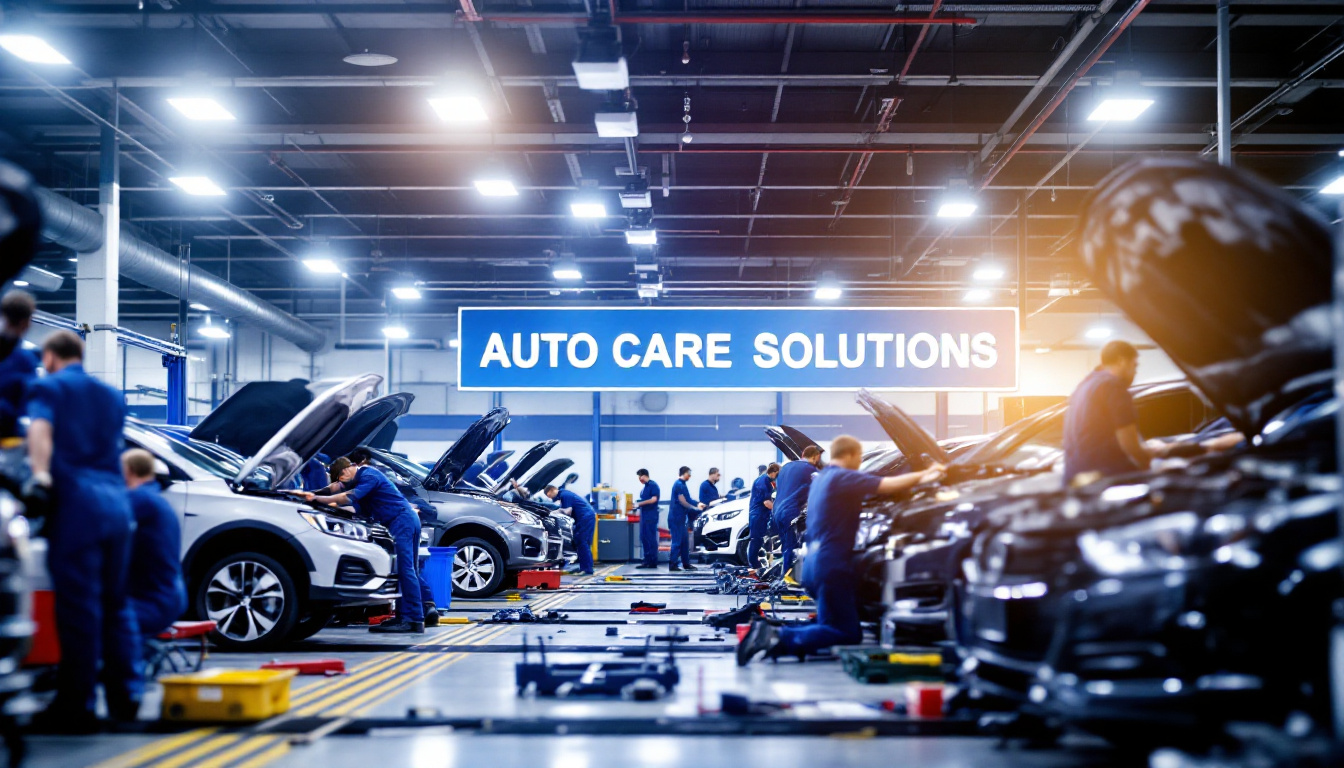
Key figures in automotive assistance
| Year | Cases processed (millions) | Revenue (millions of euros) | Automobile proportion (%) |
|---|---|---|---|
| 2024 | 12.8 | 4800 | 59 |
| 2023 | 12.5 | 4488 | 58 |
The rise of automotive assistance is not just a stroke of luck. Several factors contribute to this momentum. Firstly, the French vehicle fleet is significantly increasing. Nearly 700,000 additional vehicles have been added to the roads in four years, thereby increasing the risk of breakdowns. At the same time, the average age of vehicles has also risen to 11.9 years, thereby solidifying the increased need for assistance.
Breakdowns account for about 70 % of interventions. Whether it's due to dead batteries, faulty engines, or flat tires, the need for assistance is undeniable. Next come accidents (16 %) and other various incidents related to fires or lost keys (14 %). The emergence of new types of vehicles, such as electric ones, also poses challenges, although their share in interventions remains low to date.
Why is this sector sheltered from the storm?
While the economic crisis affects many sectors, automotive roadside assistance continues to attract attention. Not only does it respond to an essential need, but it also relies on a loyal clientele who view assistance as a crucial service in case of unexpected events. Assistance, Bip Assistance, Axa Assistance, and Europ Assistance are among the companies that enjoy strong recognition, ensuring their services when needed. The diversity of offerings also allows them to meet specific needs, enriching the user experience.
Faced with rising demand, the assistance sector is far from slowing down. It is this ongoing demand, combined with innovation and effective practices, that explains how automotive assistance is navigating the economic storm while consolidating its place in the market.

A sector that hires: what are the future prospects?
The growth dynamics in automotive assistance also translate into job opportunities. However, a major challenge remains: recruitment. Each year, the approach of the summer season creates a heightened need for workforce, with the search for more than 2,000 seasonal workers between May and October. Yet, companies face difficulties in filling these positions.
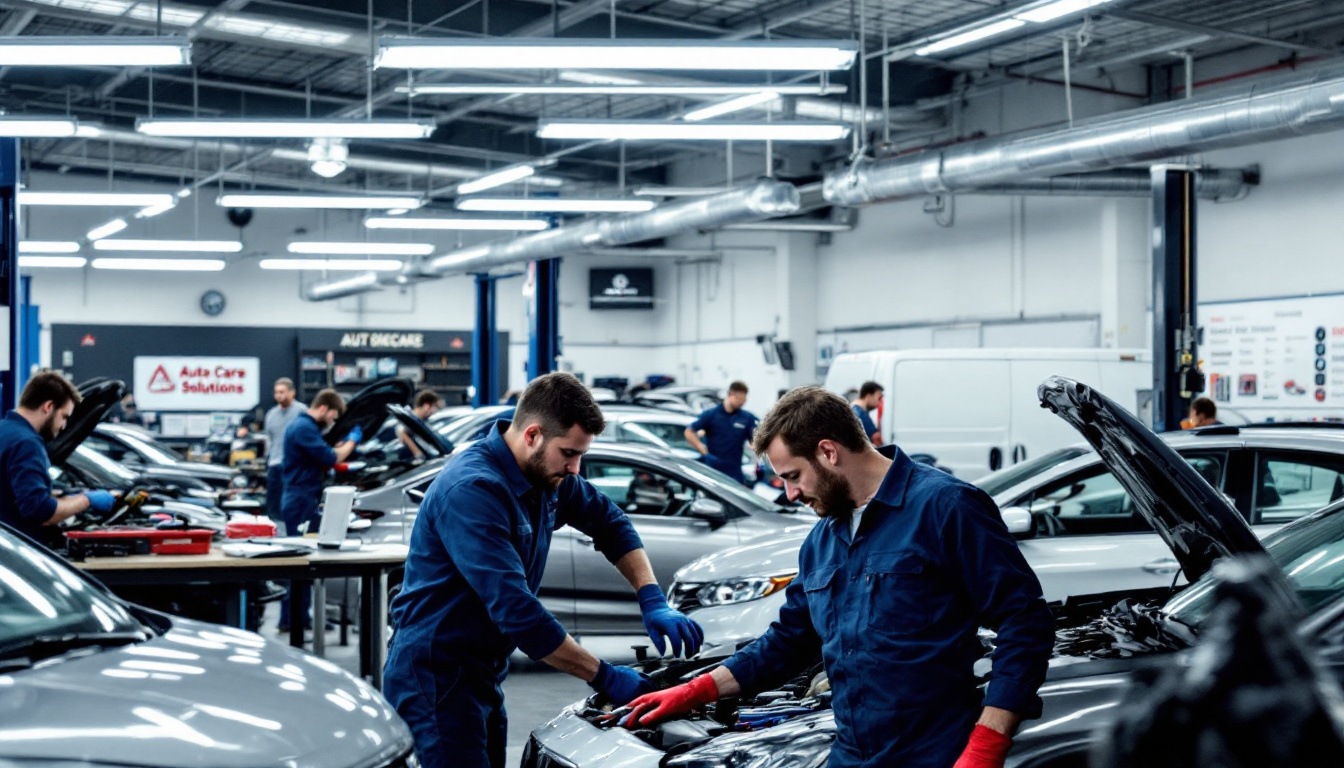
Employer profile in automotive assistance
- Main employers: Allianz Assistance, Mondial Assistance, Groupama Assistance, Sixt Assistance
- Desired skills: Reactivity, quick learning, customer service orientation
- Working conditions: Training often offered, opportunity for permanent contracts
This lack of candidates may come as a surprise, especially when one considers the availability of positions across France. Regions such as Île-de-France, as well as Lyon, Marseille, Rouen, and Nantes, remain particularly in demand. The figures reflect a pressing need, prompting companies to intensify their recruitment campaigns starting in April, despite the lack of sufficient responses.
These seasonal positions, often viewed as temporary, have the advantage of leading to permanent contracts (CDI) for performing candidates. This is thus an opportunity not to be overlooked, both for young people seeking experience and for professionals looking to advance in this dynamic sector.
What impact of new technologies on automotive assistance?
As new technologies become increasingly important in our daily lives, the automotive assistance sector is no exception. From telematics to artificial intelligence, these innovations are transforming intervention and assistance methods, opening up a fascinating field of possibilities.
Telematics and its crucial role
Telematics, which combines telecommunications and computing, allows access to real-time data regarding the condition of a vehicle. Integrated assistance systems can thus anticipate assistance needs, facilitating decision-making in the event of a breakdown. On certain recent models, these technologies can even automatically report an emergency situation to an assistance service, improving response times.
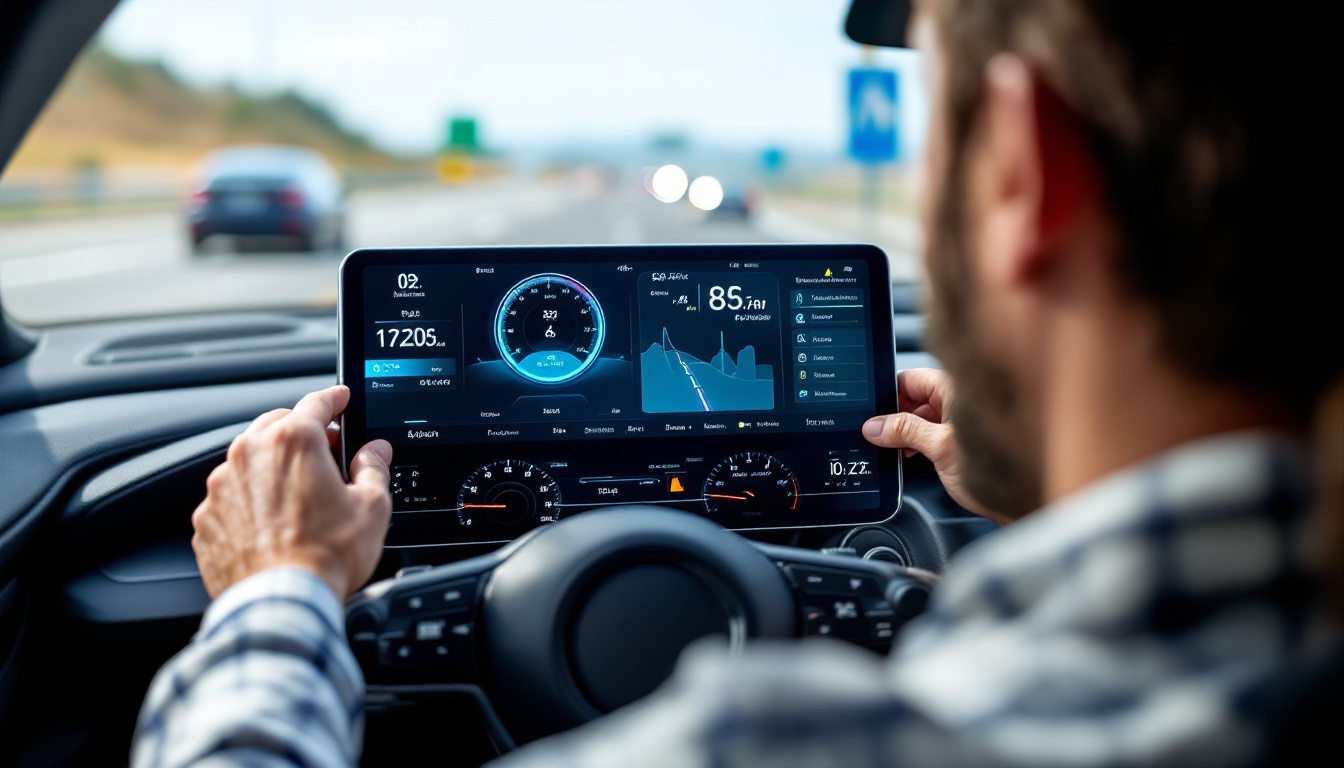
The challenges of electric vehicles
Although electric vehicles represent a still modest share of interventions, their longer charging times or battery problems require adjustments in assistance mechanisms. Thus, specialized training is often required for assistance professionals to prepare them for the new realities of modern vehicles.
However, these advancements also lead to an increase in education and equipment costs, which could pose a challenge for assistance companies wishing to remain competitive. Ongoing training for teams is more relevant than ever to maintain a high level of service.
A necessary adaptation in the digital age
The rapid evolution of the automotive sector, combined with increasingly demanding consumer expectations, pushes automotive assistance to evolve. Companies like Vulcanet stand out for their ability to adapt and innovate to provide cutting-edge services, thus positioning the sector on promising prospects.
With the rise of digital technology, matchmaking platforms and mobile applications also facilitate access to assistance services, ensuring responsiveness and efficiency. Developing these tools could prove to be a crucial lever to retain an increasingly demanding clientele.

The competitive landscape: How to stand out in the sector?
In the face of a booming market, competition in the automotive assistance sector is becoming fierce. Companies are competing vigorously to attract and retain their customers. In this context, differentiating oneself is essential, and there are several strategies to achieve this.
Differentiation strategies
- Service quality: High-quality customer service, with 24/7 assistance, is a key factor in customer loyalty.
- Customized offers: Providing tailor-made offers that cater to specific customer needs can enhance competitiveness.
- Strategic partnerships: Establishing solid collaborations with key players can provide a significant competitive advantage.
- Constant innovation: Integrating new technologies and targeted economic objectives such as renewable energies attracts a modern and conscious clientele.
The case of innovation in service
Many players such as Allianz Assistance and Mondial Assistance have successfully integrated advanced technological solutions to enhance their service offerings. The implementation of mobile applications facilitating rapid responses to claims by simplifying report and intervention tracking is already evident. These technological solutions are not just a passing trend; they have become essential for sustaining relationships with customers.
A real communication strategy around values of listening and quick responses also strengthens brand image and attracts potential users. Because in the automotive assistance sector, every interaction counts.
Challenges remain, but industry players continue to navigate skillfully between innovation and stability. With responses to contemporary issues, automotive assistance has secured its place in the economic storm, providing each individual with reliable and suitable solutions.
Si vous souhaitez lire d'autres articles tels que The automobile assistance industry is bravely weathering the economic storm!, consultez la catégorie News.
-
Elowen Marais says:
C'est fascinant de voir comment l'assistance automobile s'adapte aux nouveaux défis technologiques.
Leave a Reply
Articles relatifs