Tesla plans to deploy its robotaxis without prior testing

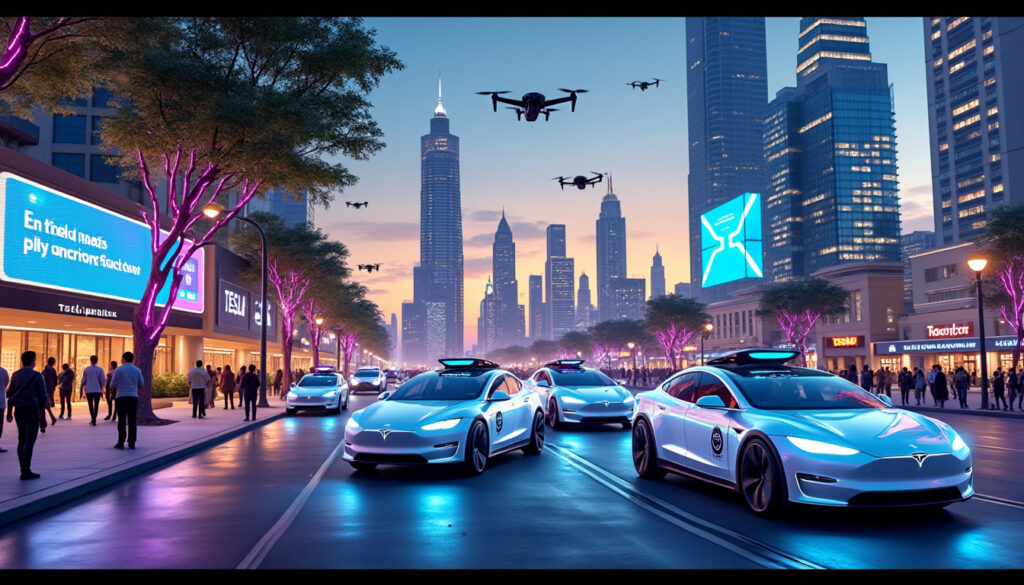

At the dawn of an era of autonomous driving, Tesla is set to revolutionize urban transport with the deployment of its robotaxi service in Austin, Texas. However, this bold initiative, scheduled for next June, raises serious questions about safety, regulation, and the underlying technology.
Tesla and the promise of robotaxis: a half-hearted dream
The Tesla robotaxi project echoes the grand ambitions of its founder, Elon Musk, who has often described a futuristic vision where all of the brand's vehicles would be autonomous. An ambitious goal, but the reality seems nuanced: 10 to 20 Model Y will be deployed in a restricted geographical area around Austin, with the support of remote human operators. This model resembles the practices already adopted by some companies like Waymo, offering similar services in various American cities.
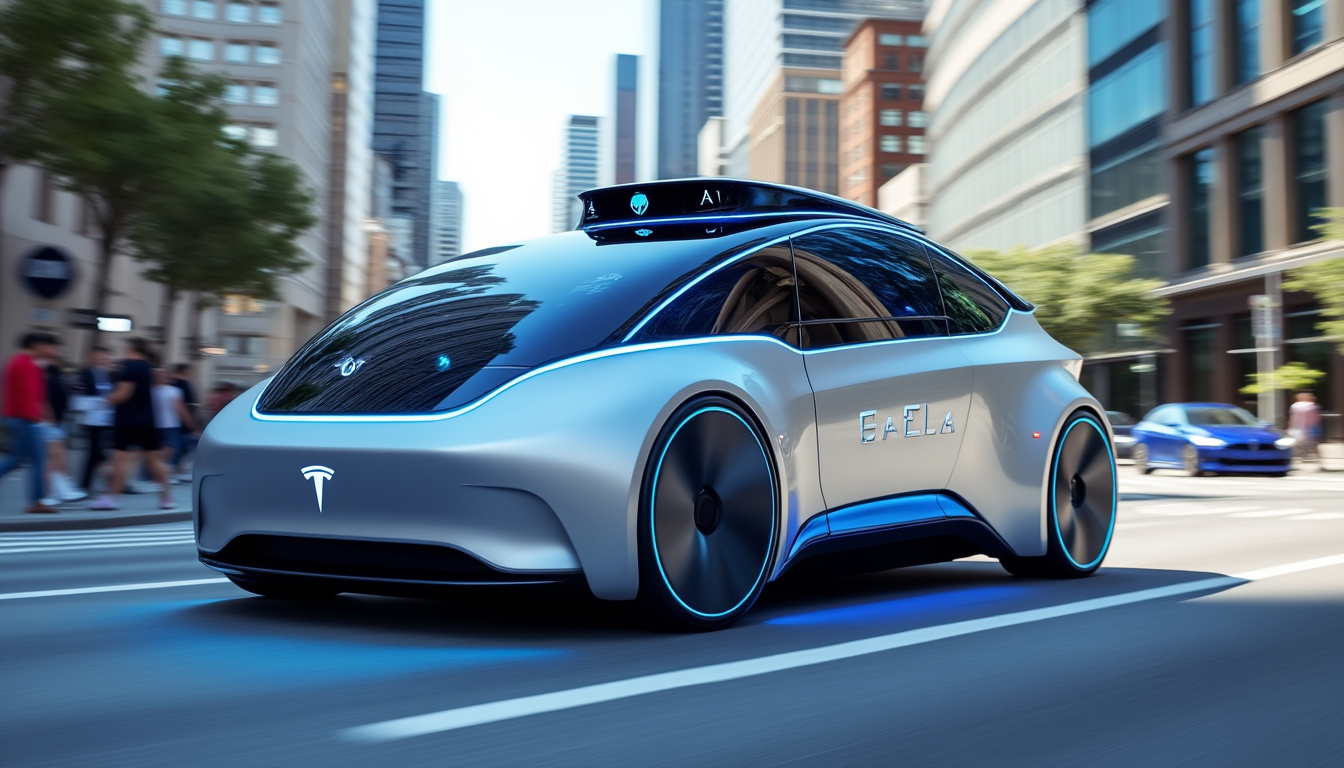
- 🚗 Limited fleet: 10-20 Model Y vehicles
- 🌍 Operating area: geographically restricted
- 👥 Human support: teleoperation system
The limits of the autonomous driving program
One of the most concerning aspects is Tesla's autonomous driving technology. The service will rely on the “Supervised Full Self-Driving” program, whose performance is not ideal. On average, this system requires human intervention every 500 kilometers, a revealing figure of the challenges that lie ahead.
| Company | Driver Testing Phase | Driverless Testing Phase | Current Limitations |
|---|---|---|---|
| Waymo | 6 months | 6 months | No access to interstate highways |
| Tesla | Ongoing | Not started | Limited geographical area, 500 km between disengagements |
Preparation for a confrontation with reality
With just a few weeks until the announced launch, Tesla seems to be accumulating valuable preparation time. Collaborating with local emergency services for intervention plans in case of problems is a step in the right direction. However, the absence of driverless tests at this stage raises legitimate concerns.
- 🚨 Collaboration with emergency services: developing intervention plans
- ⏳ Urgency of testing: need to accelerate before June
- ⚠️ Safety risks: prevention of incidents

Critical challenges for the industry
The credibility of Tesla is at stake. If this deployment were to fail, it would call into question not only the company's technology but also Elon Musk's promises regarding the deployment of millions of robotaxis by 2026. In a political environment where regulations seem relaxed, vigilance is required.
| Critical Aspects | Potential Consequences |
|---|---|
| 🔍 Public Safety | Erosion of public trust |
| 📉 On-the-ground Performance | Impact on investors and brand image |
Ultimately, this robotaxi project is not just an internal matter for Tesla. It represents a direct confrontation with other players in the sector, such as Uber, Lyft, Nuro, Argo AI, and Cruise, each fighting for a share of the autonomous market. While Tesla prepares to challenge the status quo, the question remains: will you be ready to jump into the era of robots on wheels? 🚀
Si vous souhaitez lire d'autres articles tels que Tesla plans to deploy its robotaxis without prior testing, consultez la catégorie Non classé.
-
Elara Vesper says:
C'est fascinant de voir comment Tesla pourrait transformer nos déplacements urbains avec ces robotaxis.
-
C'est audacieux de lancer des robotaxis, mais la sécurité doit être la priorité absolue.
-
C'est intéressant de voir comment Tesla avance, mais j'espère qu'ils prioriseront vraiment la sécurité.
-
C'est un projet fascinant, mais j'espère qu'ils prioriseront la sécurité avant tout.
Leave a Reply
Articles relatifs