Ten years ago, Tesla made promises to its customers: today, Elon Musk seems to have left them behind

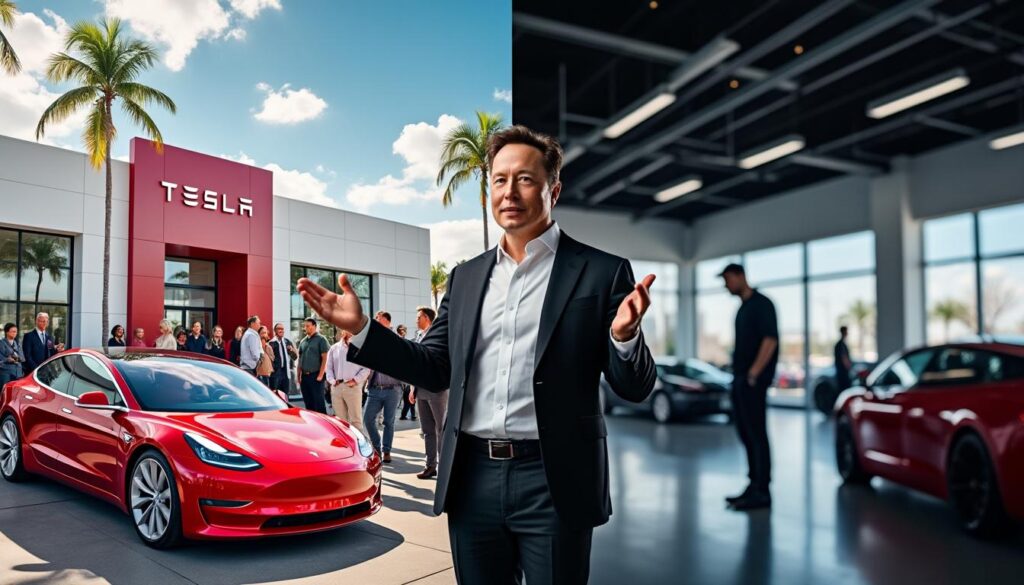

Ten years ago, Tesla was innovating with visionary promises, raising the bar high for electric vehicles. Today, in a context where customer and investor enthusiasm seems to waver, a central question remains: Has Elon Musk kept these commitments? Customers who invested in these revolutionary technologies often find themselves disappointed by promises that, to this day, have not been realized. The repercussions of this situation are both economic and emotional.
The Promise of Autonomous Driving: A Dream on Hold
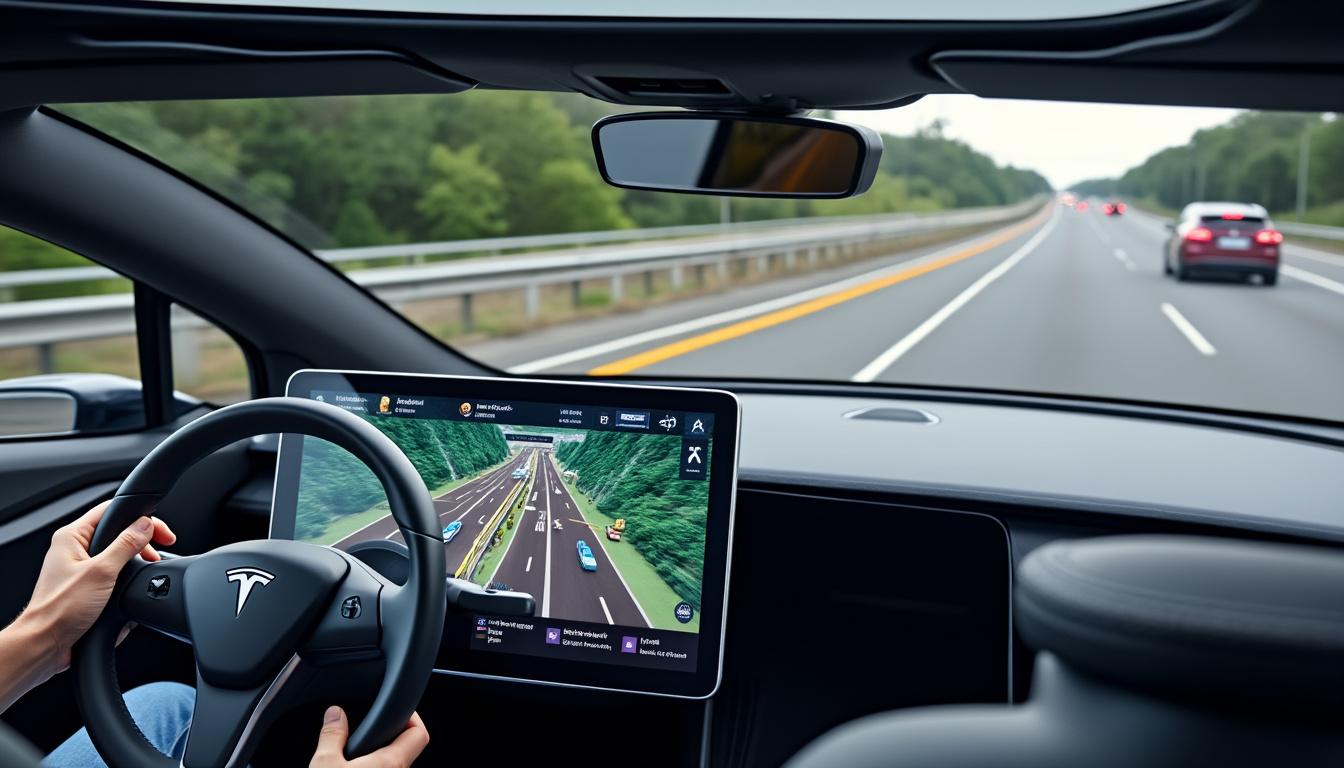
Since 2016, Elon Musk has passionately asserted that all future Tesla models would be equipped with autonomous driving capabilities. This message sparked numerous hopes among potential buyers, encouraging some to choose Tesla not only for its innovative features but also for this promise of driving without human intervention. Yet, as of now, many customers are questioning the fulfillment of this promise.
Roads Bumpy for Autonomous Technology
The development of truly autonomous technology is a complex task. Despite notable advancements, such as the integration of the autopilot system, users have observed limitations in the performance of these features. On one hand, the user interface of software updates does not always meet expectations. On the other hand, incidents involving Tesla vehicles with autopilot activated raise concerns about safety. In summary, multiple factors hinder this innovation, which faces challenges from regulations, societal perceptions, and competing technologies.
- Regulation: Laws regarding autonomous driving vary significantly from country to country, making universal implementation of this technology difficult.
- Competition: Other companies like Waymo and Cruise are also making strides in this quest, promising autonomous driving solutions that could very well outpace Tesla.
- Data Security: Protecting personal information during data collection is crucial, but it slows down innovation.
From an economic standpoint, based on Elon Musk's statements, thousands of customers have invested in vehicles hoping they would be equipped with autonomous driving. Indeed, customers expect their investment to bring unmatched safety and convenience. However, the lack of tangible results has led to real frustration for some.

Impact on Customer Loyalty
While some customers continue to believe in the vision of Tesla and Elon Musk, a growing number of subscribers are showing skepticism. Many users, frustrated by delays and regressions, are considering jumping to other brands also offering electric vehicles. Loyal customers, who have bet on sustainability and innovation, now find themselves trapped in a cycle of endless waiting for features they hoped would provide immediate benefits.
| Year | Elon Musk’s Promise | Current State |
|---|---|---|
| 2016 | Full autonomous driving by 2020 | Beta ongoing, but no availability |
| 2018 | Imminent rollout of fully automated driving features | Significant delays, no specific date |
| 2020 | By the end of the year, the entire fleet will be autonomous | Limited features on certain models |
Master Plan 2: An Unfinished Vision?
In July 2016, Elon Musk unveiled his ambitious Master Plan 2, projecting a strategic vision for the future of Tesla. This plan promised not only innovation in electric vehicles but also a massive rollout of charging infrastructure, new product lines, and the integration of renewable energy throughout the company. However, several elements of this plan seem to be in a state of uncertainty today.
Sustainability Promises Put to the Test
One of Musk's key promises has been to make sustainable energy accessible to all through the development of energy storage and production technologies. Although Tesla has made progress in this area, the pace of innovation has lagged behind initial forecasts. This situation raises questions about the company's ability to meet its commitments regarding sustainability and technology.
- Technological Progress: New technologies, such as battery and solar energy systems, are still in development.
- Resource Employment: The extraction of raw materials for batteries has raised ethical concerns, affecting Tesla's brand image.
- Commercial Caution: Consumers are becoming more aware of the source of materials and want to support companies that transform their business model.
The vision of a sustainable future presented in Master Plan 2 has therefore been nuanced by concrete realities, where the necessary innovation to support this vision has not kept pace.

Lagging Behind Amidst Growing Competition
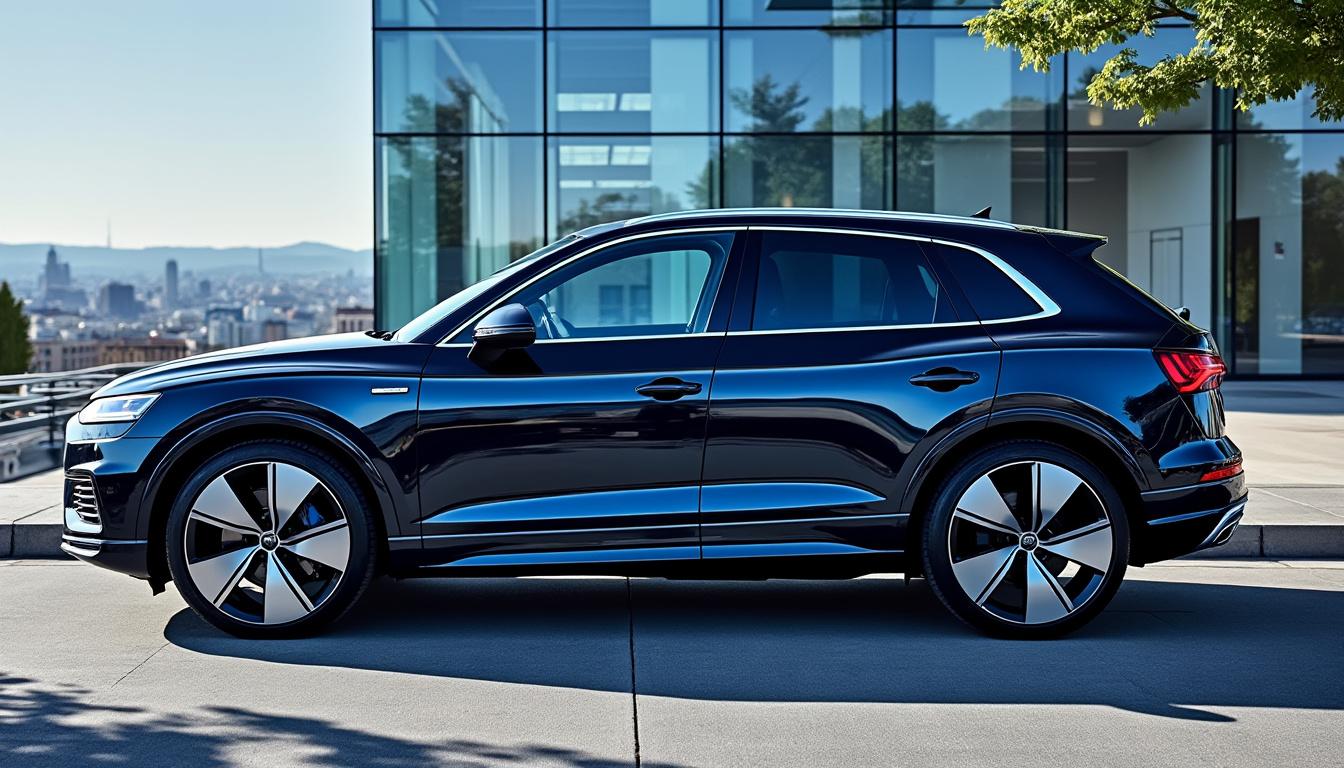
While Tesla remains a leader in the electric vehicle field, other brands are beginning to emerge with innovative solutions. The reality of the market compels Tesla to double down its efforts to make up lost ground on its rivals. For instance, companies like Volkswagen and Audi are developing models that directly compete with those of Tesla. The new releases from the German brand, such as the Audi Q5, whose announcements for 2025 highlight bold innovations, are examples of how competition is becoming increasingly pressing.Link.
| Brand | Model | Innovations |
|---|---|---|
| Volkswagen | ID.4 | Advanced autonomous driving technologies |
| Audi | Q5 | Improved range, fast charging |
| Tesla | Model 3 | Limited autonomous driving feature |
The Voice of Customers: Between Expectations and Frustrations
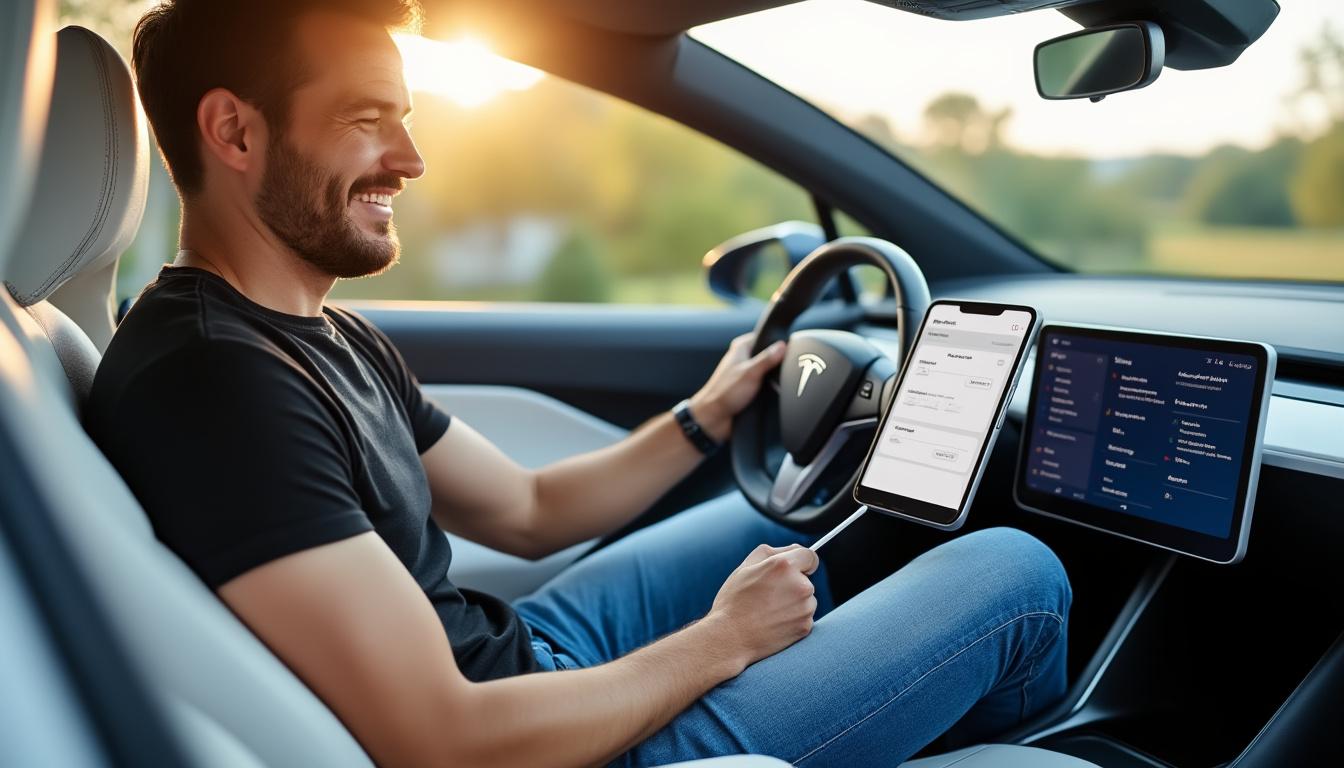
Customers are at the heart of Tesla's strategy. However, their patience is being tested as they see promises not materializing as expected. Numerous testimonies have emerged, illustrating the voice of customers who express their frustrations over unkept promises by Elon Musk.
Dissatisfied Customers and Their Concerns
In recent years, customer feedback has highlighted a troubling trend: many customers are questioning the brand's future and strategy. Both online via social media and in direct conversations, concerns have become frequent:
- Transparency: Customers want more clarity on delivery times and the status of technological advancements.
- After-sales Service: The quality of customer service is often questioned, leaving many users frustrated.
- Resale Value: Technical challenges of older cars reduce their appeal in the used market.
These factors harm Tesla's reputation and can even impact the willingness of new customers to invest in an electric vehicle from the brand. Customer loyalty thus becomes a crucial issue for the company's future.
The Role of Social Media in Communication
Social media plays an important role in the brand's perception and customer feedback. Complaints and claims spread rapidly, making it vital for Tesla to manage its image. Forums and Facebook groups dedicated to Tesla are full of discussions that highlight concerns, ideas, and suggestions that underscore the gap between Elon Musk's promises and the realities experienced by customers. This can have profound implications for the long-term strategy of the company if these concerns are not proactively addressed.
| Concern | Frequency of Mention | Potential Impact |
|---|---|---|
| Wait for automatic update | 65% | Disappointment of existing customers |
| Reliability of features | 50% | Decrease in recommendations |
| Customer Support | 60% | Affects brand perception |
Future Prospects: What to Expect from Tesla?
In the face of these disappointments, a crucial question arises: what does the future hold for Tesla? Recent statements by Elon Musk suggest that changes are underway to get back on track. In the era of digital and technological innovation, the company will need to catch up, meet customer expectations, and adapt to a constantly evolving market.
Future Innovations: What Can We Anticipate?
Elon Musk appears more determined than ever to lead Tesla into a new era. Announcements of new models, improvements in features, and increased efforts to reduce delivery times are positive signs. That said, the implementation of these strategies will be crucial to assess whether these promises will be kept. Companies like Volkswagen, who are leading in sustainable technology, reaffirm the need for Tesla to align with industry standards.
- New Models: Developing vehicles that meet the fluctuating needs of consumers can help Tesla regain trust.
- Strategic Partnerships: Partnering with other companies to share technologies could reduce research and development timelines.
- Improvements in Customer Service: Strengthening support for customers in after-sales is essential to win back customers.
In summary, the road ahead for Tesla is fraught with challenges, but it is also full of promises; the key will lie in the company's ability to meet an increasingly demanding clientele while continuing to innovate in what makes it strong: electric technology.
| Improvement Area | Actions to Implement | Priority Level |
|---|---|---|
| Autonomous Driving | Timeline for beta tests on existing offerings | High |
| Customer Service | Increase the number of customer service representatives | Medium |
| Partnerships | Establish collaborations | High |
Si vous souhaitez lire d'autres articles tels que Ten years ago, Tesla made promises to its customers: today, Elon Musk seems to have left them behind, consultez la catégorie Non classé.
-
Nicolette Peraz says:
Tesla a beaucoup promis, mais j'espère vraiment qu'ils vont tenir leurs engagements.
Leave a Reply
Articles relatifs