Stellantis presents its new electric batteries: 90% charge in just 18 minutes, towards the end of range anxiety?



Stellantis, a major player in the automotive industry, announces a significant advancement in electric batteries, allowing a charge from 15% to 90% in less than 20 minutes. This development represents a crucial turning point in the quest for autonomy and fast charging of electric vehicles. Thanks to an innovative technology called FEST (Factorial Electrolyte System Technology), these new batteries seem to promise an ideal framework for efficient and sustainable electric mobility. What implications will this innovation have for the future of electric vehicles? A detailed analysis of the issues and perspectives.
FEST Technology: A Major Advancement for Electric Batteries
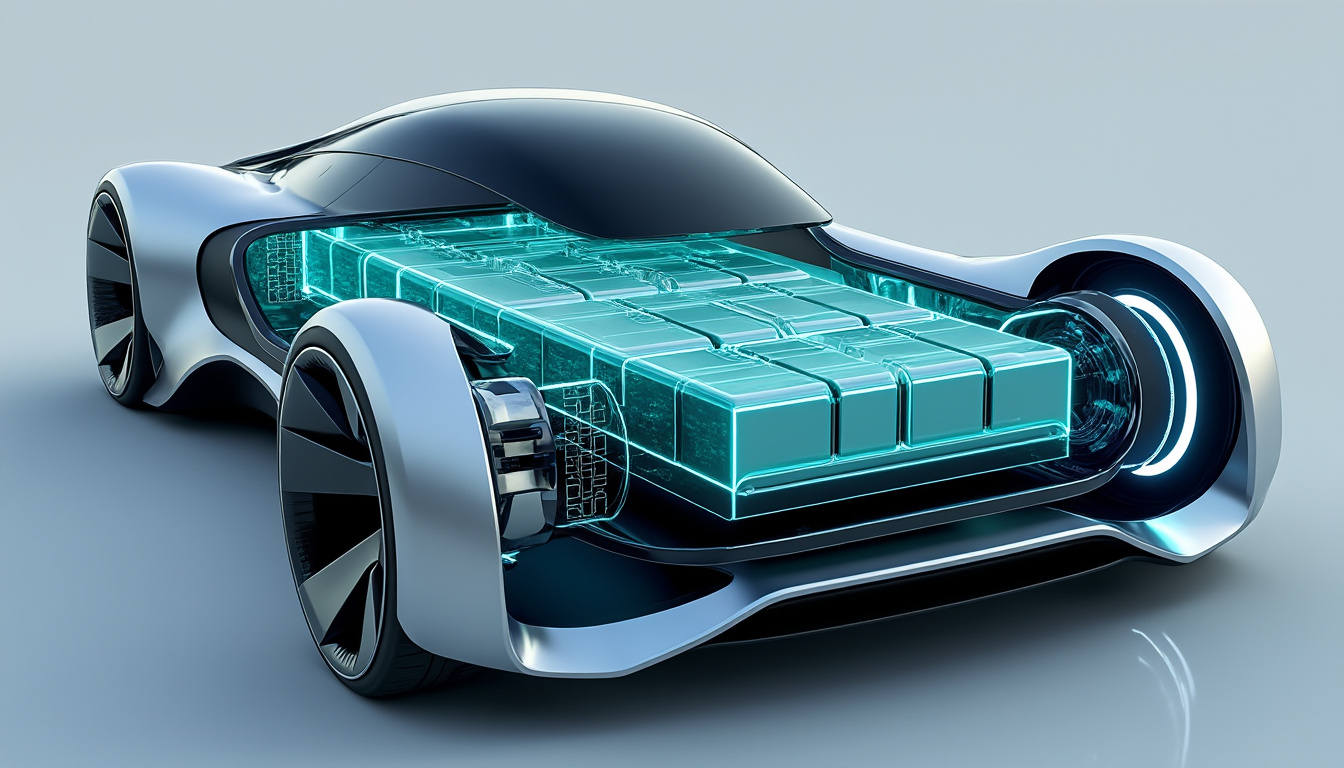
The discovery of FEST technology is a key milestone in the fight to improve battery efficiency. Developed in partnership with Factorial Energy, this technology is based on a semi-solid electrolytic system, offering an energy density of 375 Wh/kg. In comparison, traditional lithium-ion batteries, such as those with liquid electrolytes, often reach only an energy density of about 190 to 260 Wh/kg. This improvement promises to enhance the performance of electric vehicles, allowing Stellantis to develop rapid and efficient charging solutions.
A Step Towards Sustainable Energy
With this new system, Stellantis could change the game in the battery sector by offering a more environmentally friendly option while achieving high performance. Indeed, the semi-solid design significantly reduces the flammability risks associated with liquid electrolytes, a true asset in terms of safety. Moreover, this state of the art allows for increased battery lifespan and thermal stability.
The advantages of FEST technology are numerous:
- Increased energy density: A storage capacity double that of current standards.
- Ultra-rapid charges: From 15% to 90% charge in 18 minutes.
- Thermal stability: Tolerance to extreme temperatures from -30°C to +45°C.
- Durability: Over 600 charge-discharge cycles with consistent performance.
Future Applications and Pilot Fleets
This technology is expected to debut in a pilot fleet starting in 2026, with flagship models planned to be equipped with these batteries as early as 2027. Among them, the Dodge Charger Daytona, a symbol of power, could embody this transition to more green and efficient motoring. The goal is clear: to make electric mobility not only viable but also practical.
| Characteristic | Traditional Battery | FEST Battery |
|---|---|---|
| Energy Density | 190-260 Wh/kg | 375 Wh/kg |
| Charge Time (15% to 90%) | Varies (60-120 min) | 18 min |
| Life Cycles | 300-500 cycles | Over 600 cycles |
| Operating Temperature | -10°C to +40°C | -30°C to +45°C |

The Challenge of Integrating New Batteries into Cars
Although FEST technology has been validated, challenges remain regarding its integration into existing vehicle architectures. Current models, calibrated for traditional NMC (Nickel-Manganese-Cobalt) batteries, will need to be adapted to accommodate these new batteries. This adaptation process will require significant investments in research and development, as well as a well-thought-out strategy to facilitate their adoption.
The integration challenges include:
- Infrastructure adaptation: Charging stations must be compatible with the energy needs of the new batteries.
- Production costs: Transitioning to large-scale production requires overcoming obstacles related to raw materials and technology.
- Safety standards: New constructions must comply with existing safety regulations.
A Transforming Global Market
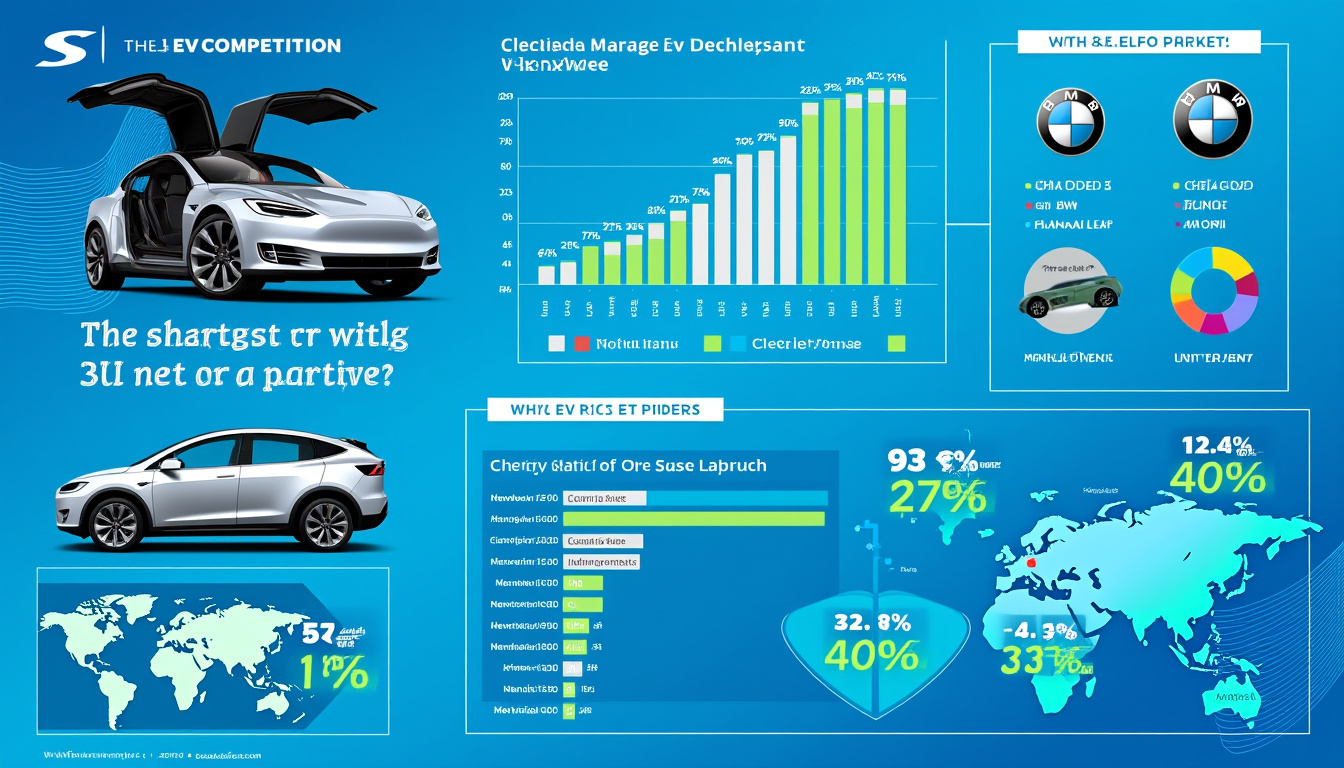
The market for electric batteries is in full swing, and Stellantis is not alone in this race. Giants like Mercedes, Hyundai, and Toyota are also investing in similar technologies. Their ambitions sometimes reach extreme autonomy of 2,000 kilometers. In this competition, the partnership between Stellantis and Factorial could prove decisive for the West in a world where China largely dominates the sector.
| Manufacturer | Battery Technology | Autonomy Goal |
|---|---|---|
| Stellantis | FEST (semi-solid) | Not specified |
| Mercedes | Solid-state | 2000 km |
| Toyota | Solid-state | 1600 km |
| Hyundai | Advanced lithium-ion | 1500 km |
The Challenges of Sustainable Production of Electric Batteries
In light of this innovation, the question of the sustainability of battery development also arises. With growing concerns about environmental impact, companies must move towards more responsible production practices. Stellantis, in partnership with Factorial, could play a key role in the revolution of eco-friendly batteries. Innovations in material work and battery recycling are becoming crucial aspects in establishing a true circular economy.
Some sustainability strategies include:
- Material recycling: Recovering valuable materials from used batteries to reintegrate them into the production circuit.
- Limiting rare resources: Using less rare materials and seeking alternatives to mitigate the environmental impact.
- Collaboration with ecological initiatives: Partnering with companies or projects aimed at improving recycling and sustainability.
Eco-friendly Battery Initiatives
Efforts are already underway to develop environmentally friendly alternatives. Companies like Northvolt and others are participating in this accelerated growth of eco-friendly offerings. By integrating recycling and sustainability, the automotive industry could not only advance towards better battery performance but also reduce its carbon footprint. A fundamental issue in the context of sustainable development goals and international agreements on environmental protection.
| Initiative Name | Objective | Partners |
|---|---|---|
| Eco-friendly Batteries Initiative | Promote recycling and sustainability | Stellantis, Northvolt |
| Ecotricity | Renewable energy source for production | Hyundai, Toyota |
| Circular Charging Project | Recovery of used batteries | Diverse industry partners |

Anticipated Conclusion on the Impact of Stellantis' Innovation
In this new era of automotive innovation, the significant advances in Stellantis electric batteries represent much more than a mere technical improvement. They pave the way for a future of electric mobility that aims to be rapid, sustainable, and accessible. This potential for better autonomy and innovative solutions could very well transform our way of driving and interacting with our vehicles on a daily basis. The importance of commitment to sustainable energy is more palpable than ever, and this technology could be the necessary catalyst for large-scale change in the automotive industry.
Si vous souhaitez lire d'autres articles tels que Stellantis presents its new electric batteries: 90% charge in just 18 minutes, towards the end of range anxiety?, consultez la catégorie Non classé.
-
Théodore Luminaire says:
Ces nouvelles batteries pourraient vraiment changer la donne pour les véhicules électriques.
-
C'est incroyable comme cette nouvelle technologie pourrait changer l'avenir des véhicules électriques !
-
C'est une innovation prometteuse qui pourrait vraiment changer notre façon de conduire des véhicules électriques.
-
Ces nouvelles batteries semblent prometteuses pour l'avenir des voitures électriques. Vivement 2027 !
-
Cette avancée de Stellantis pourrait vraiment changer la donne pour les véhicules électriques !
Leave a Reply to Liora Windrider Cancel reply
Articles relatifs