Stellantis is reversing its position on electric vehicles, a decision that could prove beneficial.



Stellantis, a major player in the automotive industry, is embarking on an unexpected strategic turn as it revises its ambitions in the electric vehicle market. The initial promise of a 100% electric fleet by 2030 is being called into question. At first glance, this decision might seem discouraging, but a closer analysis reveals that it could be a thoughtful choice in line with the realities of today's automotive market.
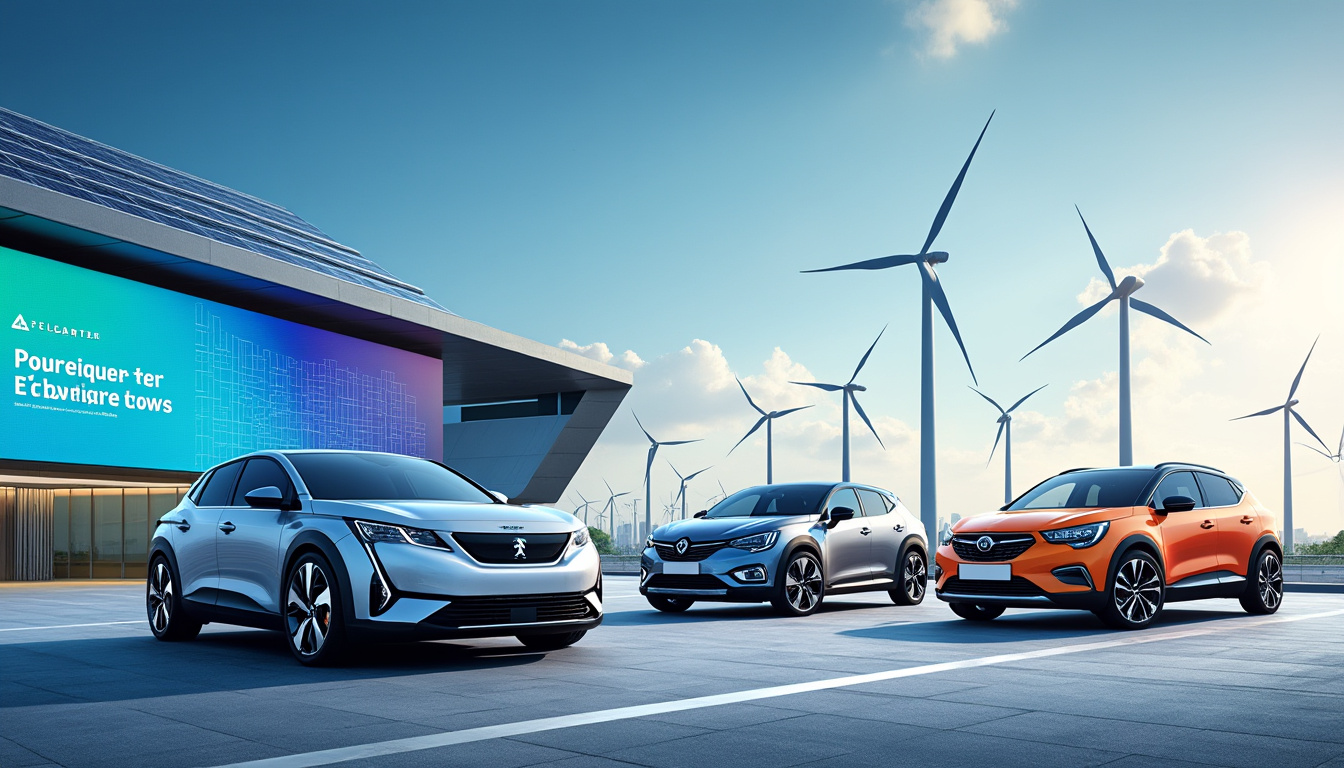
Stellantis' New Directions in Electric Vehicles
Stellantis' refocusing on a slower energy transition is explained by various factors that hinder the progress towards electric vehicles. Indeed, during a meeting with employee representatives at the end of April, management informed about new deadlines regarding the 2030 objectives. This change highlights how the European automotive market is evolving at a pace slower than expected.
Why Change is Imperative
- 🔋 Adoption of electric vehicles lower than forecasted
- 🛠️ Insufficient charging infrastructure
- 🚗 High acquisition costs for customers
Recent data shows that even giants like Ford are in a similar situation, revising their own electrification goals. The question then arises: why does this dynamic seem to affect so many manufacturers?
Technical Flexibility at the Heart of Strategy
Stellantis has been able to anticipate this uncertainty with relevant innovations. The platforms designed to accommodate electric powertrains are also compatible with hybrid solutions, allowing them to adapt the fleet without starting from scratch. This flexible approach proves to be a major strength in the sustainability of their transition.
| Models | Initial Powertrain Type | New Powertrain Type |
|---|---|---|
| DS N°8 | 100% electric | Hybrid + electric |
| Peugeot 308 | 100% electric | Hybrid after 2030 |
| Citadines | 100% electric | Possibility of an electric-only version |
Some model modifications, initially contemplated as 100% electric, are now being redefined to include hybrid solutions. This demonstrates Stellantis' determination to remain flexible in a constantly evolving environment.
A Delicate Managerial Context
With interim management until 2025, Stellantis must navigate this period of uncertainty. The future CEO will face the challenge of defining a roadmap that aligns with regulatory requirements and customer expectations. One of the greatest challenges remains the need to maintain a smooth transition while complying with European regulations that foresee the cessation of sales of internal combustion engine vehicles by 2035.
- 🗺️ Alignment with European regulations
- 📉 Real-time assessment of market demand
- 🔄 Adjustment to consumer trends
Consumers can expect an even more varied mobility offering, with an extended period of hybrid choices, thus catering to diverse transport needs.
Adapting to Market Trends
This change of course from Stellantis is not merely an isolated reaction. It reflects a global trend in the automotive industry, where many players are adjusting their ambitions in response to expectations of sustainability and consumer acceptance. This phenomenon can be attributed to a variety of factors.
| Manufacturer | Initial All-Electric Goal | Announced Revision |
|---|---|---|
| Stellantis | 2030 | Postponed (date not specified) |
| Ford | 2030 | Maintaining hybrid after 2030 |
| Mercedes | 2030 | More flexible approach |
This repositioning may come as a surprise, but it may also offer new opportunities for consumers, allowing them to choose powertrains suited to their specific needs. The energy transition is an evolving journey, and it is essential to progress at a pace that ensures customer satisfaction.


Despite the adjustments, Stellantis remains firmly committed to a massive electrification of its ranges. A future filled with innovations and renewable energies is unfolding, even though the paths to achieving it may vary. For more details, feel free to check out the recent announcements regarding solid state batteries or more information on the new direction entrusted to Xavier Chardon.
Si vous souhaitez lire d'autres articles tels que Stellantis is reversing its position on electric vehicles, a decision that could prove beneficial., consultez la catégorie Non classé.
-
Léandre Charbonnier says:
C'est intéressant de voir comment Stellantis réévalue sa stratégie électrique face à un marché en évolution.
Leave a Reply
Articles relatifs