Siata: the unknown adventure of an Abarth with a tumultuous journey

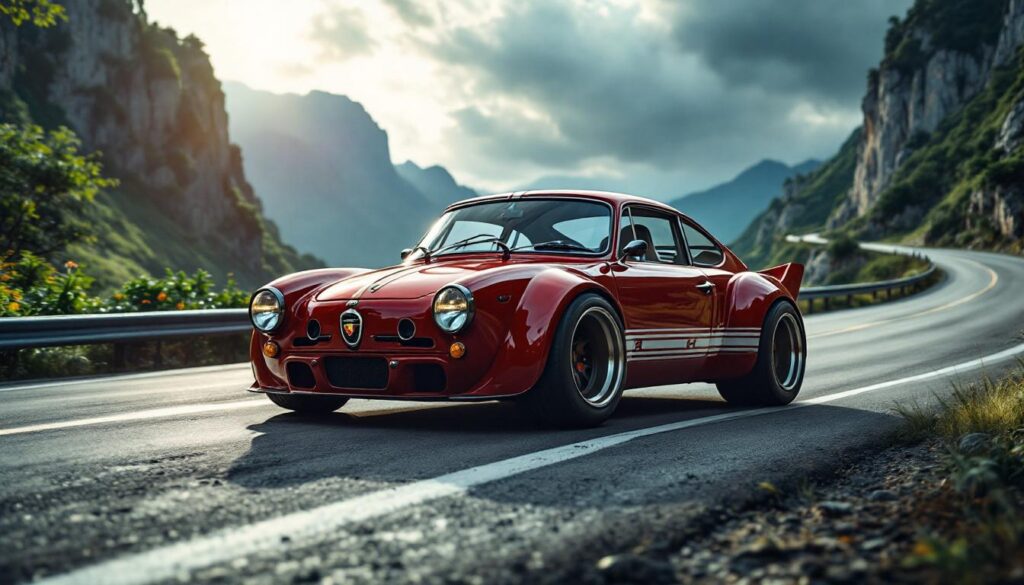

The history of the automobile is marked by stories of passion, failures, successes, and above all, innovation. In this constellation of brands and models, some shine for their uniqueness and boldness. Siata, often in the shadow of other legends like Abarth, represents this intrepid adventure that crosses the path of design, competition, and an era where vintage was not just a question of style but became a true way of life. This tumultuous journey deserves to be told, for beyond the numbers and models, it is the soul of craftsmanship that is expressed through each vehicle.
The genesis of Siata: An Italian dream at the heart of Turin
In the early 1920s, Italy is in full swing. Everything is moving, artists, writers, and of course, engineers. Among them, Giorgio Ambrosini, a dreamy journalist from Turin, has an idea in mind: to create a car brand. In 1926, he dissolves his journalistic ambitions to found Siata, an acronym for Italian Society of Technical Applications for Automobiles and Aviation. It is worth noting that the time is marked by the necessity to reinvent oneself after the devastation of World War I.
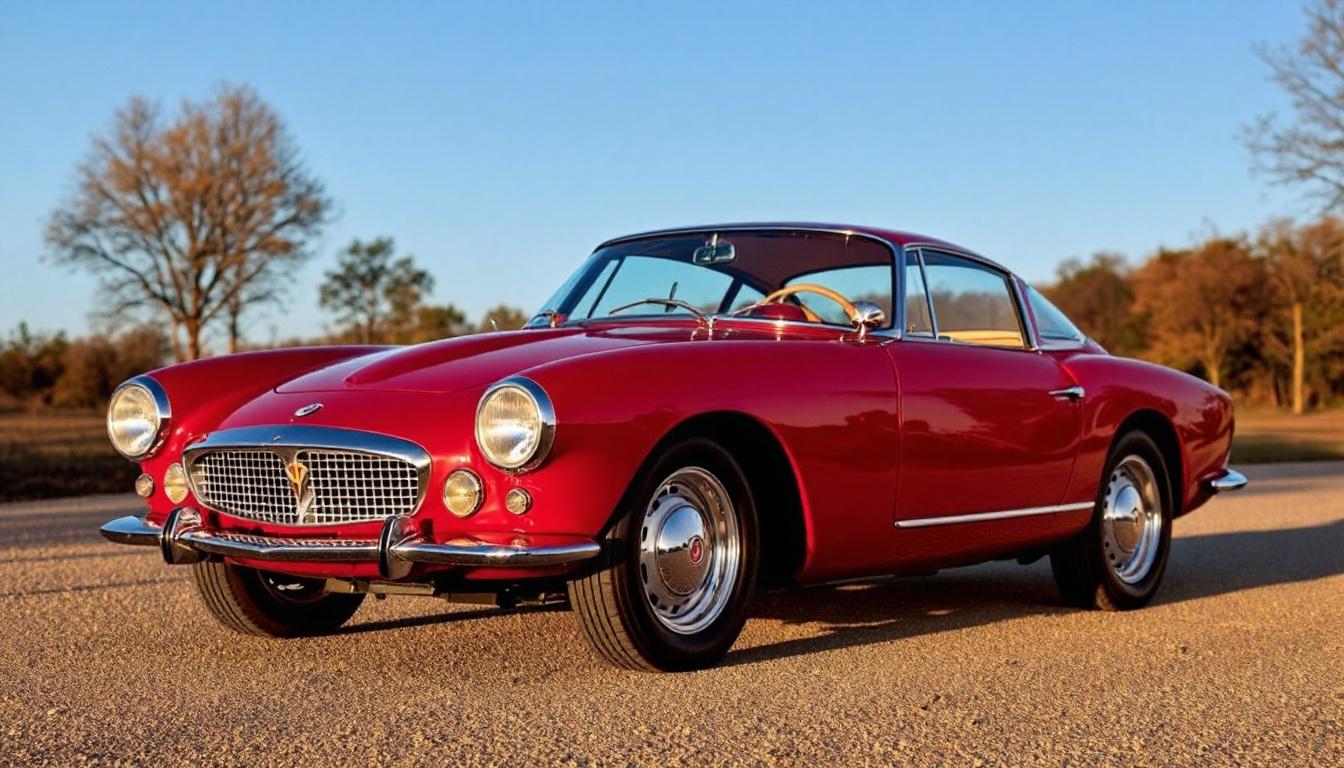
Ambrosini, helped by his friend Piero Dusio, chases his dream and shares a common passion for speed and design. Thus begins a period where the preparation of existing cars, rather than building them from scratch, proves to be the fascinating approach. The brand stands out mainly by modifying Fiat models, particularly increasing the power of the Topolino from 20 to 48 horsepower, a technical feat that attracts the attention of enthusiasts of the time.
A first experience in competition
During this period, Siata establishes itself not only as a preparer but also as a player in competition. Cars like the Balilla are entered in races across the country. The performance established reveals the ingenuity and know-how of Ambrosini and Dusio. The war intervenes in 1940, abruptly ending this beautiful epic. However, Ambrosini's determination allows him, after the conflict, to rebuild and relaunch the company in a new light.
| Event | Year | Description |
|---|---|---|
| Creation of Siata | 1926 | Founded by Giorgio Ambrosini for automotive development and preparation |
| First successes in competition | 1937 | Engagement of Fiat Balilla and Topolino in races |
| Bomb on the factory | 1943 | Bombing of the Siata factory during the war |
| Launch of the Amica | 1948 | Release of the first car under the Siata name, a charming little spider |
The Amica and its promising start in the automotive world
After the war, a new breath pushes Ambrosini to bring the Amica to life in 1948. Equipped with a reworked Fiat Topolino engine, the Amica is a small spider that meets with instant success. With its 22 horsepower and its lightweight welded tube chassis, it fascinates with its liveliness and agility. The key to its success lies in the perfect balance it offers to its drivers. The notoriety of this car is not limited to Italian borders.
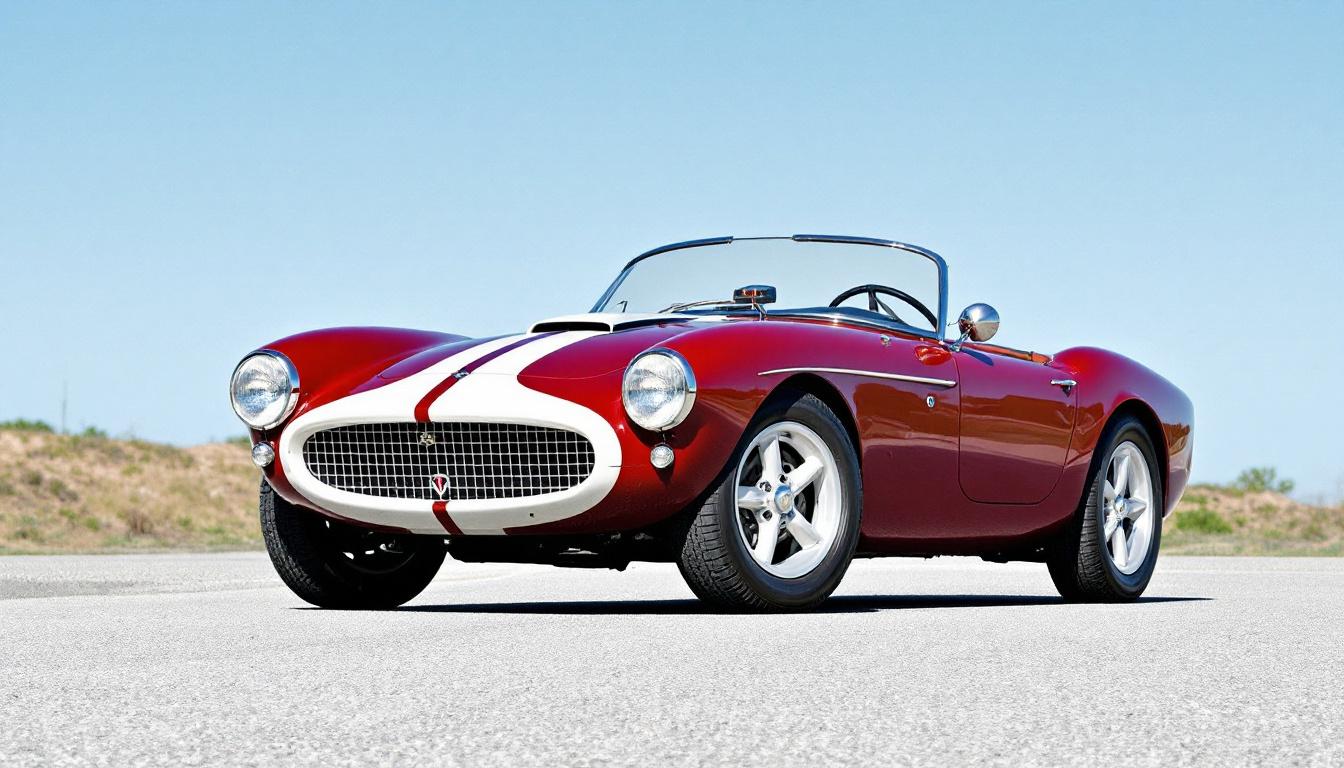
Exhibitions, including the one at the New York Auto Show in 1953, generate intense enthusiasm. The Amica even catches the attention of Steve McQueen, who later describes it as "his little Ferrari." A nod to the time when cinema and automobiles merged to create icons. However, despite this enthusiasm, the brand faces production challenges. Demand soars, craftsmanship gradually transforms into industry. Preparations become mass productions.
The challenges of large-scale production
This industrial turning point raises questions. Should craftsmanship be abandoned to satisfy a booming market? Ambrosini's initially innovative recipe must adapt. Siata then turns to new collaborations, including one with Seat, offering a design alternative in Spain. However, this attempt at diversification does not go smoothly. The owner begins to lose control of his company, facing less scrupulous partners.
- The impact of war on the Italian automotive industry
- The rise of opportunities abroad
- The financial challenges of large-scale production
The legacy and refinement: Siata in retrospect
Despite the difficulties, Siata's legacy endures, particularly through its emblematic models such as the Siata 208 S. More than just an automobile, it represents a symbol of Italian craftsmanship. A car that captures the essence of vintage, with elegant lines, refined mechanics, and performances that still inspire enthusiasts today. The Siata 208 S is a testament to the growing influence of competition on automotive design.
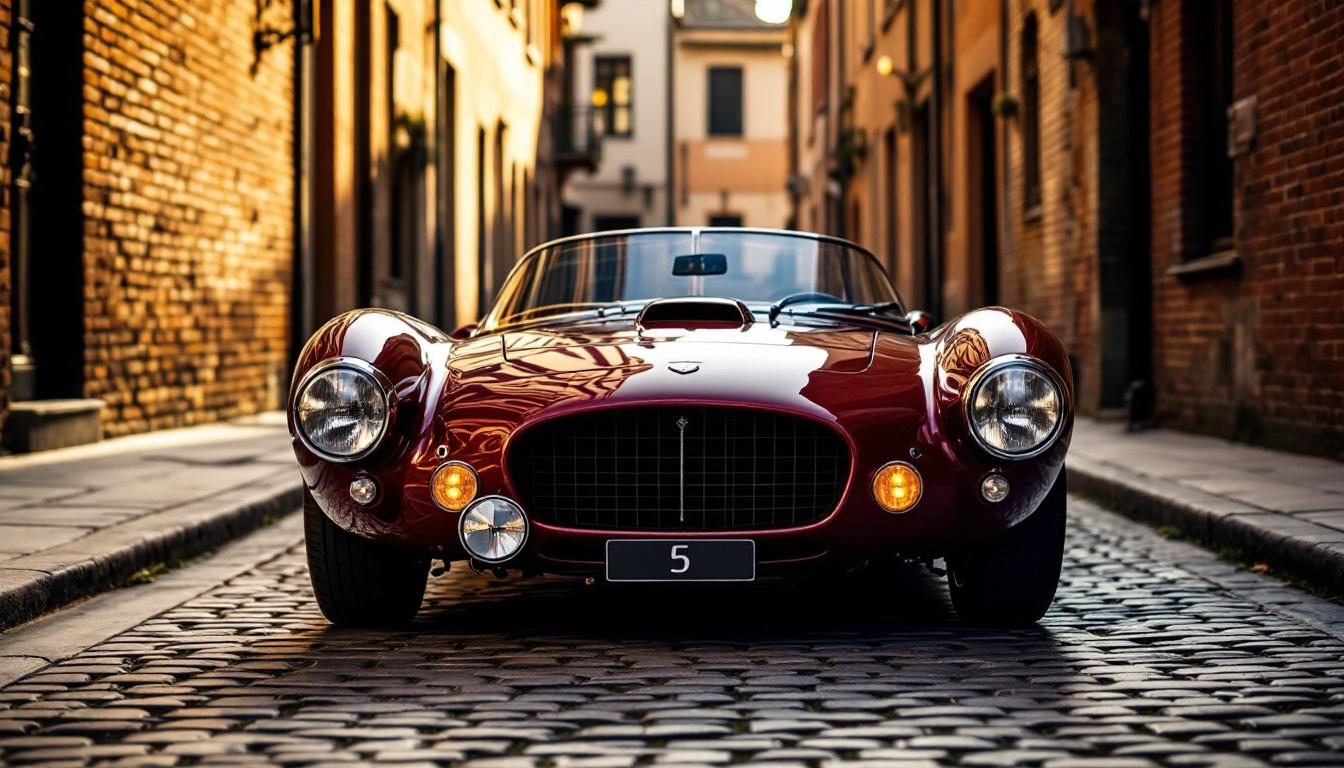
This model is often considered a fundamental element in understanding automotive racing of that period. Its lightness, perfectly balanced chassis, and aesthetics make it a timeless classic. In 2025, particular attention is focused on how brands like Abarth have been influenced by pioneers like Siata. A perfect demonstration of the importance of legacy in the automotive world.
| Model | Year | Features |
|---|---|---|
| Amica | 1948 | Fiat Topolino engine, 22 hp, lightweight chassis |
| 208 S | 1954 | 4-cylinder engine, aerodynamic design, racing performance |
| 208 GTS | 1955 | Technical innovation, power growth |
The closure: Between loss and memory
The death of Ambrosini in 1970 marks the beginning of an era without the vision that propelled Siata. The brand, once a symbol of creativity, fades into oblivion. The closure in 1973 only confirms this tragic reality. The adventure ends, but fans, historians, and enthusiasts continue to tell the story. Cars, anecdotes, and memories circulate.

If the future is uncertain, how many vintage car and racing enthusiasts gather each year to celebrate the Siata legacy? Their meetings are tributes to a time when automotive craftsmanship was at its peak.
- Reviving Passion: How vintage car clubs preserve the legacy
- Exhibitions of classic cars: The echo of past legends
- Meeting of enthusiasts: Automotive gatherings around Siata
A look to the future: Inspired by the past
As 2025 promises to be a year rich in innovations, the lessons of the past are more relevant than ever. The question arises: how to integrate the legacy of brands like Siata into modern design? The call for a return to craftsmanship, pure design, and ingenuity resonates in the automotive world.
The new electric models envisioned by Abarth incorporate aesthetic elements inspired by vintage designs. The nostalgia for design, coupled with an innovative vision, offers a springboard towards new successes. How then do new generations reclaim this heritage?
| Futuristic Trends | Past References | Impact on the Industry |
|---|---|---|
| Electrification of models | Inspirations from Siata designs | Renewal of interest in craftsmanship |
| Sustainable materials | Use of lightweight chassis from the 1950s | Reduction of environmental impact |
| Technological interconnection | Technical innovations from Siata | Emergence of smart vehicles |
What will remain of Siata's history is this blend of passion, innovation, and character. A rhapsody that must not be forgotten. Thus, it falls to new generations to take up the torch and transform this rich history into a new adventure within the automotive universe.
Si vous souhaitez lire d'autres articles tels que Siata: the unknown adventure of an Abarth with a tumultuous journey, consultez la catégorie Non classé.
-
Lorenzo Bellucci says:
Siata est vraiment une marque fascinante, pleine de passion et d'innovation. Une belle histoire à redécouvrir !
-
L'histoire de Siata illustre bien l'importance du design et de l'ingéniosité dans l'automobile.
-
L'histoire de Siata est fascinante, un mélange parfait de passion et d'innovation automobile.
-
Siata a vraiment marqué l'histoire de l'automobile avec sa passion et son innovation.
-
C'est fascinant de voir comment Siata a marqué son époque avec passion et innovation.
Leave a Reply
Articles relatifs