Rolls-Royce refuses giant screens in its vehicles, here’s why

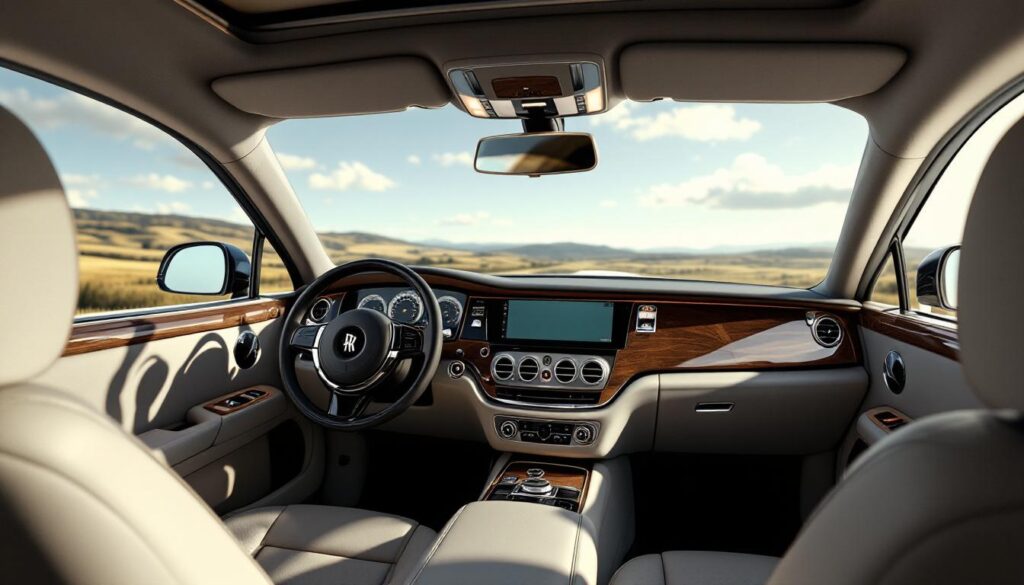

In an ever-evolving automotive world, where technology plays a predominant role, Rolls-Royce stands out with its bold and unique approach. The British luxury brand refuses to integrate giant screens into its vehicles, and this choice deserves particular attention. By questioning established norms, Rolls-Royce reminds the industry that a car is not merely a means of transportation, but a true haven of comfort and refinement. Let's demystify the reasons behind this resistance to the widespread trend of hybridizing technology in the automotive sector.
The trend of giant screens: a phenomenon on the rise
It is not uncommon to encounter recent vehicles featuring giant screens that seem to take control of the cabin. This trend, initiated by innovative brands, leads to a complete overhaul of the driving experience. The latest example is Mercedes' Hyperscreen, which spans 1.41 meters, thus redefining the notion of space on board. This revolution aims to simplify the user interface and integrate a maximum of functionalities while reducing the number of physical buttons. In theory, this may seem to offer great comfort and undeniable modernity.
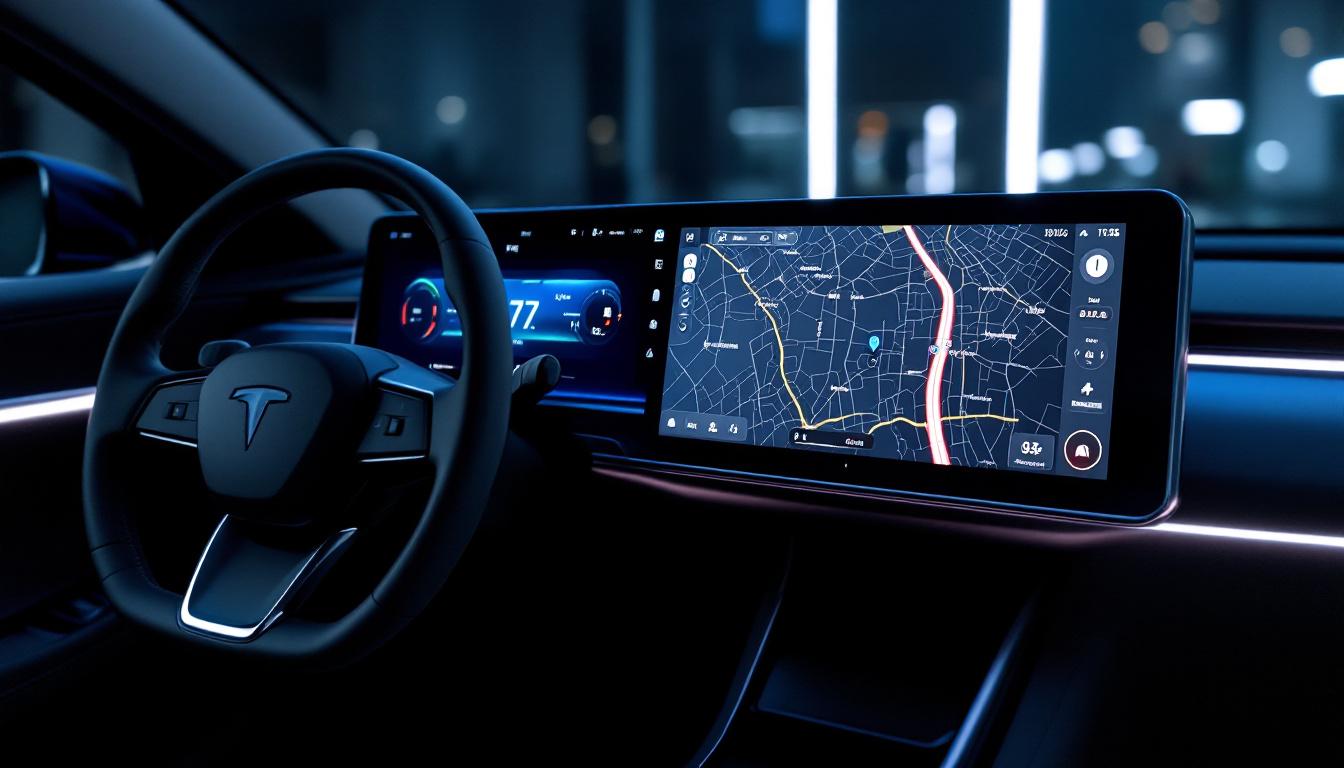
However, this transgression of traditional cabin boundaries raises questions. Users' main concerns focus on the safety and practicality of touch interfaces. Indeed, several studies reveal that the distractions caused by these devices can increase drivers' reaction times by nearly 60%. This prompts us to ask whether technology, meant to enrich the driving experience, does not become a facilitator of accidents.
The perceived benefits of giant screens
Before criticizing the trend, it is important to recognize its advantages. Manufacturers argue that the simplification brought by touch screens enhances the customer experience. Here are some points often highlighted:
- Modern aesthetics: Ergonomic screens give cars an exceptionally modern design.
- Varied functionalities: They allow access to numerous services, such as navigation, music, or comfort settings.
- Seamless integration: They help reduce the number of physical buttons, creating a more open space.
But ultimately, do these "advantages" come at a cost? Could the emphasis on embedded technology be a mere illusion of comfort, at the expense of the very essence of driving? The trend thus seems to face genuine resistance.

A philosophy rooted in craftsmanship and comfort
In the face of this technological push, Rolls-Royce adopts a resolute direction. Far from succumbing to the trend of giant screens, the brand emphasizes a design that celebrates craftsmanship and comfort. Rolls-Royce has notably integrated elements such as mechanical controls in its latest model, the Spectre, the brand's first fully electric vehicle, launched in 2023.
Jon Colbeth, president of Rolls-Royce in North America, discusses the importance of tactile experience in his cars. For him, the pleasure of turning a knob, feeling the cold metal in hand, and admiring the finishes reflect the soul of the brand. This approach reminds us that Rolls-Royce customers are not only looking for luxury cars, but for a personalized customer experience where every detail counts.
The foundations of Rolls-Royce's decision
What are the underlying reasons that motivate Rolls-Royce to refuse large screens in its cabins? Here are some practical elements that stand out:
- Preservation of the traditional experience: Rolls-Royce drivers value being able to fully concentrate on driving.
- Authentic emotion: Physical sensations are crucial. A touch interface can never replace the feel of a classic control.
- Trend awareness: By not yielding to the pressure of new standards, Rolls-Royce asserts its unique identity in the automotive sector.
This stance reflects a desire to preserve the essence of the driving experience and comfort. Consequently, the future looks promising for this brand that continues to invest in craftsmanship and timeless design, against the tide of excessive industrialization.
A choice that aligns with safety concerns
In a context where the health and safety of users are at the forefront of concerns, Rolls-Royce's choice also appears to be a thoughtful act. As the Euro NCAP organization considers implementing stricter assessments of digital functions and their impact on road safety, the trend of giant screens may face acceptance difficulties. In the meantime, Rolls-Royce stands out by adhering to these reflections.
| Evaluation Criteria | Touch Screens | Physical Controls |
|---|---|---|
| Driver Distraction | High | Low |
| Accessibility | Complex | Simple |
| Tactile Sensations | None | Present |
This choice could make Rolls-Royce a model to follow, especially at a time when road safety is being undermined by the rise of digital technologies. The reassessment of interfaces could encourage other brands to promote more traditional solutions, although this will take time.
A vision shared by other prestige brands
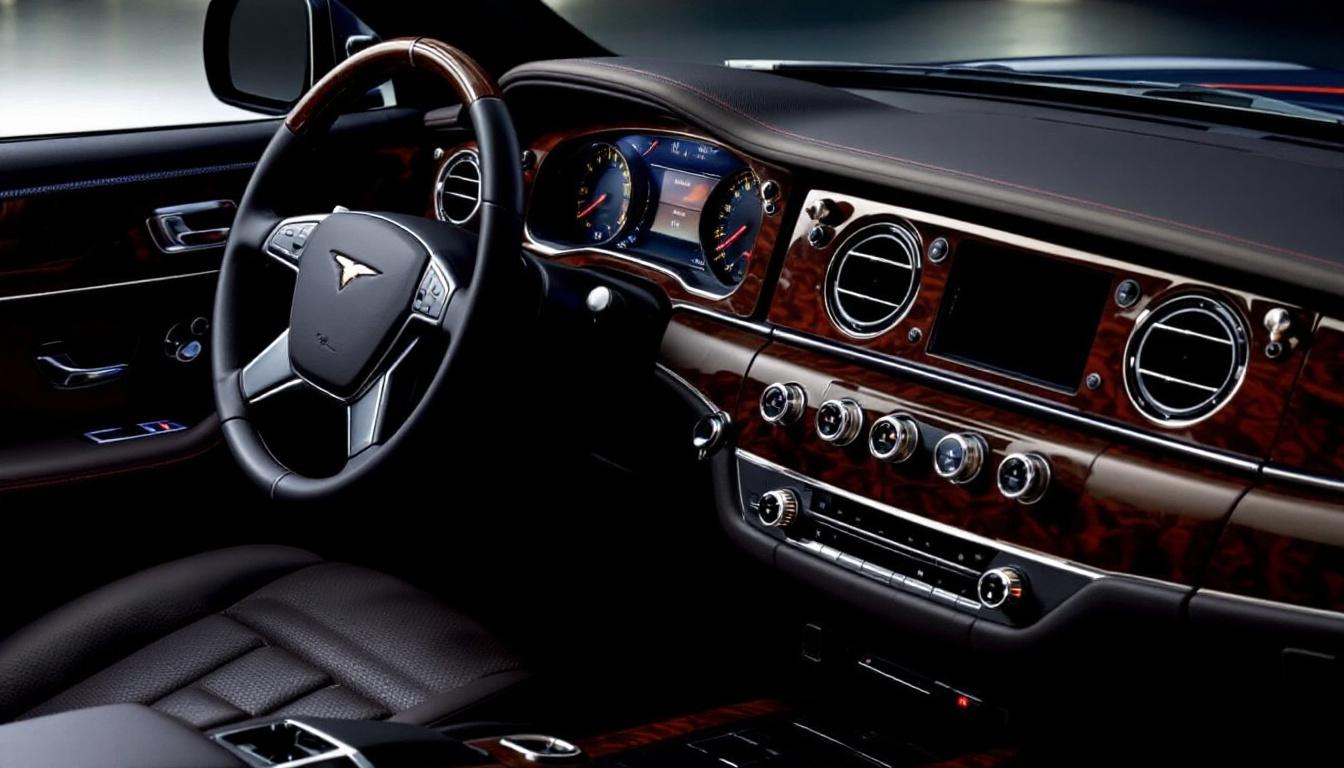
Beyond Rolls-Royce's resistance to giant screens, other prestige brands are adopting a similar approach. Bugatti, among others, refuses to succumb to the temptation of an invasive digital cabin. Its model Tourbillon, for example, features a dashboard inspired by watchmaking, where a single hidden screen appears only when necessary.
This return to classic values in automotive design infuses a new trend, that of timeless luxury, far from technological gadgets that sometimes overshadow the very essence of the car. Brands that prioritize the complete driver experience see their image enhanced by a clientele increasingly concerned with authenticity.
The challenges of the future automotive landscape
As the automotive industry moves towards new technological standards, some challenges remain. It is a fact that the democratization of digital devices has brought significant advances. Often, these advancements seem attractive but bring several drawbacks:
- Dangers of distraction: Users struggle to interact with complicated systems while driving.
- Evolution of tastes: Customers may increasingly seek classic solutions as technological saturation increases.
- Adaptation of standards: Authorities must concoct a coherent regulatory framework that values safety without stifling innovation.
In the future, it is likely that luxury brands will continue to focus on the human and tactile aspects. The road, which originally symbolized freedom, could regain its legitimacy through carefully designed choices, far from the excesses of recent decades.

Reflections on the future of automotive design
As the automotive industry seeks to innovate, it becomes essential to redefine the fundamental values of vehicles. Rolls-Royce's choice not to give in to giant screens and overloaded interfaces highlights a trend toward returning to the essentials. This movement could well become a surge of revolt against an excessive consumerism whose fleeting nature is only harmful.
The convergence of tradition and modernity could prove to be the key to long-term success. As prestige brands like Rolls-Royce concentrate on user experience and craftsmanship, they redefine their luxury values to adapt to a changing world.
| Brands | Approach to Screens | Innovation |
|---|---|---|
| Rolls-Royce | Refuses the integration of giant screens | Preservation of physical controls |
| Bugatti | Limits digital interfaces | Dashboard inspired by watchmaking |
| Mercedes | Opt for giant screens | Overwhelming technological innovations |
This reflection on luxury, craftsmanship, and authenticity could lead to a lasting change in how embedded technology is perceived. On the brink of an automotive revolution where traditional choices and contemporary challenges coexist, Rolls-Royce's voice resonates strongly and convincingly.
Si vous souhaitez lire d'autres articles tels que Rolls-Royce refuses giant screens in its vehicles, here’s why, consultez la catégorie Constructeurs.
-
Orion Lavigne says:
J'apprécie vraiment l'approche de Rolls-Royce, c'est un vrai retour à l'essentiel.
-
Rolls-Royce fait un choix audacieux en rejetant les écrans géants, c'est un retour à l'essentiel.
-
Rolls-Royce fait un choix judicieux en priorisant le confort et la sécurité sur la technologie envahissante.
-
C'est impressionnant de voir une marque ignorer les tendances modernes pour préserver l'authenticité.
-
Rolls-Royce fait un choix audacieux en préservant l'authenticité et le luxe sans trop de technologie.
Leave a Reply
Articles relatifs