Robots charging electric cars in South Korea

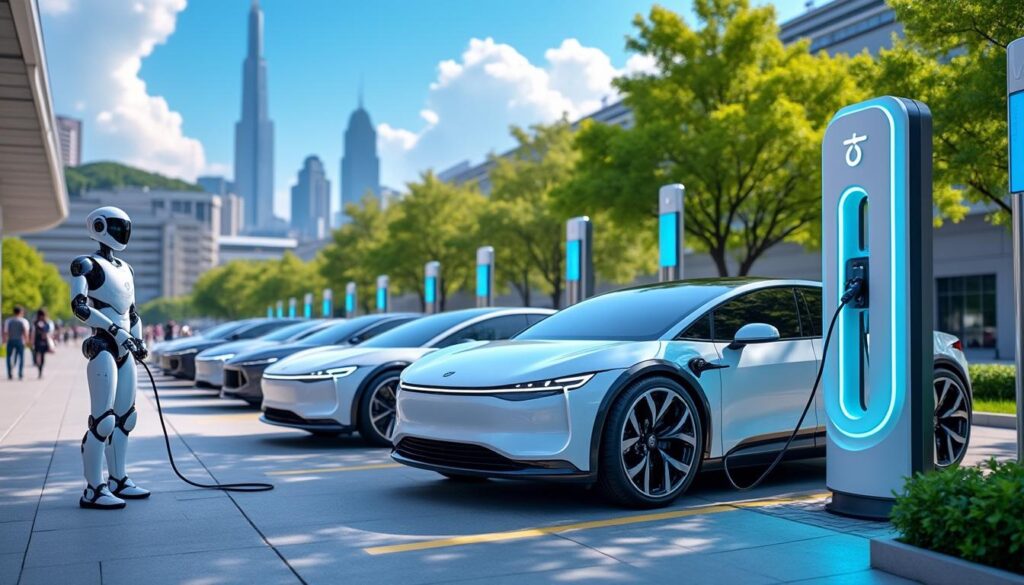

In a world where technology is evolving at a lightning speed, innovations are multiplying to revolutionize our daily lives. Among these advancements, the intersection of robotics and the automotive sector is particularly striking. In South Korea, at Incheon International Airport, an ambitious project is taking shape: robots designed to automatically charge electric cars. These devices, integrating artificial intelligence, aim to maximize efficiency in an environment where every second counts.
Robotic technology in the service of electric mobility
Robotics has made significant advances in recent years, particularly in various sectors such as aerospace, healthcare, and now automotive. The company Hyundai, in collaboration with Incheon Airport, is committed to redefining the charging experience for electric vehicles. This project aims not only to improve convenience but also to make charging more accessible for all users.
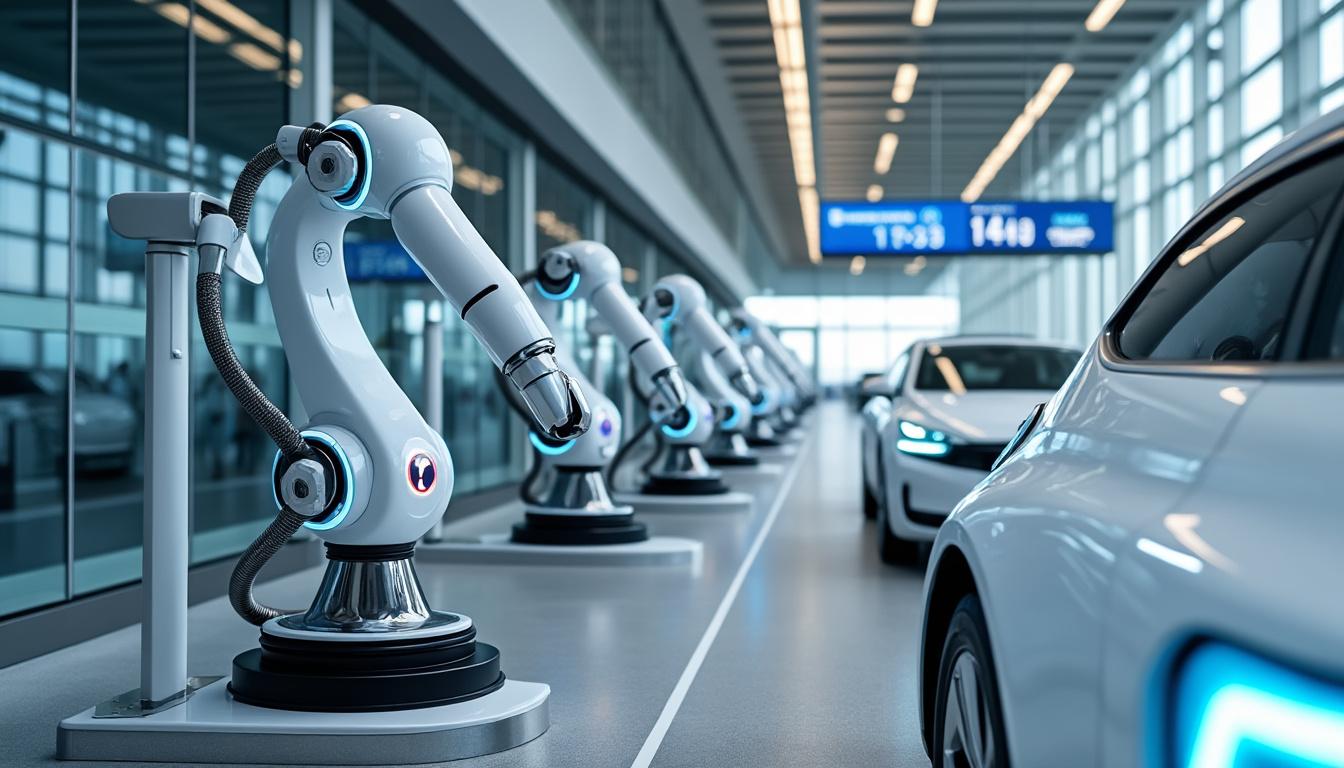
The robots, developed in Hyundai's robotics lab, are designed to operate autonomously. They are capable of navigating the airport environment, detecting parked electric cars, and connecting to them for charging. This process takes place without human intervention, eliminating the hassle of handling cables or searching for appropriate outlets.
Operation of the charging robots
The operating principle of Hyundai's charging robots is based on several key elements:
- Automatic detection: thanks to advanced sensors, the robots identify the presence of an electric vehicle. This allows them to approach and prepare for charging.
- Intuitive connection: once nearby, the robot establishes a connection with the car, automatically plugging in the charging cable.
- Monitoring and control: the user can track the charging process through a mobile app, ensuring complete transparency.
With the rise of electric cars, a simple and reliable charging infrastructure is essential. By removing barriers related to charging, Hyundai hopes to encourage the adoption of electric vehicles and thus contribute to the transition to more sustainable mobility.
Impact on user experience
Beyond technological innovation, the importance of user experience in designing this project must not be underestimated. By integrating these robots in a transit location like Incheon Airport, Hyundai offers a charging solution that easily fits into travelers' routines. The main advantages of this innovation include:
| Advantage | Description |
|---|---|
| Comfort | Users no longer have to worry about charging, improving their travel experience. |
| Speed | Fast and efficient charging, allowing travelers to retrieve their fully charged vehicle. |
| Safety | The robots are certified according to strict safety standards, ensuring safe use. |
This system could also extend to other infrastructures, such as train stations or ports, thus demonstrating Hyundai's ambition to evolve electric charging toward a fully automated model. In this context, Incheon Airport acts as a true experimental ground, allowing for the refinement of technologies before their wider deployment.
Safety and compliance issues
Safety is a top priority in the development of robotic technologies. Drawing on its experience in automotive manufacturing, Hyundai has ensured that its robots meet the strictest safety standards. By obtaining Korean certification (KC) as well as European CE certification, the company demonstrates a strong commitment to safety. These certifications ensure that the robots are reliable even in a dynamic environment like an airport where vigilance is crucial.
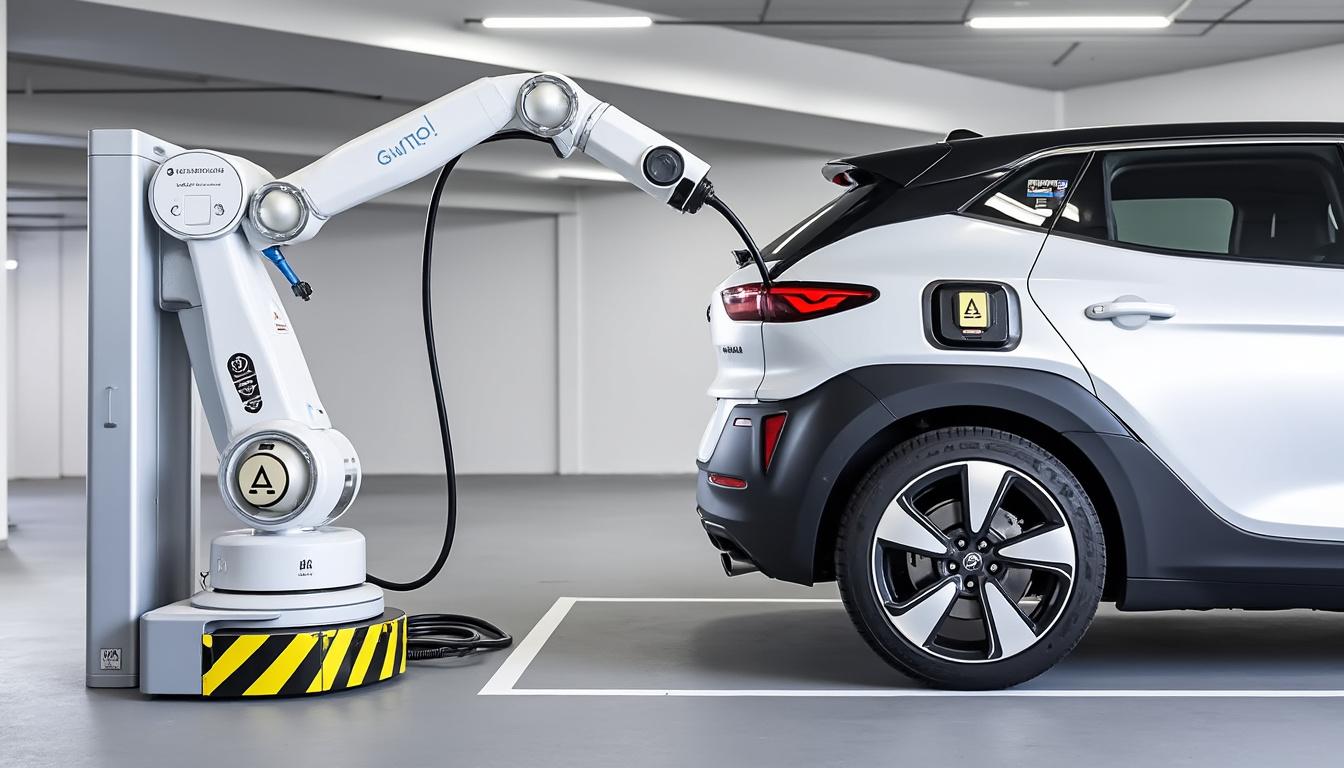
An important element concerns the constant monitoring of the robots' status. They are equipped with diagnostic systems that allow them to be alerted in case of technical issues. By integrating AI technologies, they can learn from their interactions and improve their performance over time, thus ensuring optimal lifespan and unprecedented efficiency.
Continuous innovation and feedback
As part of the experimental phase of the "Incheon Airport 4.0 Era" project, Hyundai is focused on gathering feedback from users. The insights collected will be valuable for perfecting these robots and adapting their operation to the specific needs of travelers. Hag Jae Lee, the director of Incheon International Airport, states that this collaboration between the airport and Hyundai aims to "redefine the future of airport services by integrating cutting-edge technology and user-friendliness." The feedback will help adjust the functionalities and increase user satisfaction.
- User observations: How do travelers feel during their interaction with the robots?
- Technical performance: What is the actual charging time compared to what is expected?
- Overall satisfaction: Do users appreciate the proposed solution?
This testing phase could also pave the way for adapting robots to other types of electric vehicles, potentially including models developed by competitors such as Kia, Renault, or emerging brands like Nexon.
A vision for the future of eco-mobility
The Hyundai project in collaboration with Incheon Airport is not just a technological advancement but a symbol of a broader transition toward eco-mobility. By facilitating the charging of electric vehicles, these robots help to reduce barriers stemming from charging infrastructure. This change is essential in the fight against climate change and pollution, especially in a highly urbanized country like South Korea, where society aims to integrate more sustainable solutions into all aspects of daily life.

Companies, including Samsung and LG, are also investing in green technologies, while firms like Aptiv are exploring new approaches to make mobility smarter and more environmentally friendly. The emergence of shared platforms and active mobility solutions, such as electric scooters or carpooling, reinforces this dynamic. These initiatives strengthen a culture of sustainability that will gradually integrate into urban life.
The challenges to overcome
Despite the optimism generated by these advances, several challenges remain. These robots must be integrated into a smart transport ecosystem that includes adequate infrastructure. Coordination among different stakeholders, including municipalities and dealerships, will be crucial. Additionally, raising user awareness about the benefits of this new technology is essential to encourage uptake.
- Interoperability: The robots must be compatible with different vehicle models.
- User education: Inform users about the advantages of automated charging.
- Institutional support: Promote a legislative framework favorable to robotic innovation.
A promising future is thus emerging, where robots, electric mobility, and innovative solutions will interact harmoniously to reduce environmental impact while improving the quality of transport infrastructure services.
International development perspectives
The deployment of Hyundai's charging robots at Incheon Airport could well be the beginning of an international expansion. After evaluating performance and user feedback, Hyundai plans to extend its technology to other parts of the world, opening new perspectives for infrastructure. As the reputation of robotic charging systems spreads, the company might consider partnerships with airports in other countries, taking local specifics into account.
Moreover, innovations in the automotive sector, particularly in electrification, continue to grow. Companies like Tesla are also focusing on automating services, as evidenced by their robotaxi project. The integration of these new technologies could not only transform charging but also the entire mobility experience.
An autonomous and connected future
By integrating charging robots into a broader ecosystem, Hyundai and its partners aim to unlock the future of autonomous transport. The goal is to create a world where vehicles, whether autonomous or electric, communicate with each other, facilitating navigation and charging. The idea of a connected interface between cars and infrastructures will represent the next level of innovation in the sector, propelling mobility into a new era.
- Interconnected ecosystems: Promote fluidity between different modes of transport.
- Enhanced AI technologies: Optimize the performance and learning of robots.
- Diversity of solutions: Adapt robots to different environments and types of vehicles.
This vision, driven by strategic partnerships and investments, could truly transform how we perceive electric vehicle charging and lead society toward genuinely sustainable mobility. The dawn of a new era for electric mobility seems to be on the horizon, and Hyundai is well positioned to play a leading role in this transformation.
Si vous souhaitez lire d'autres articles tels que Robots charging electric cars in South Korea, consultez la catégorie Non classé.
-
Lior Benaïm says:
Ces robots de chargement vont vraiment simplifier la vie des utilisateurs de voitures électriques.
Leave a Reply
Articles relatifs