Renault Trafic, Estafette and Goelette: discover everything about the new electric utility vehicles on a key date

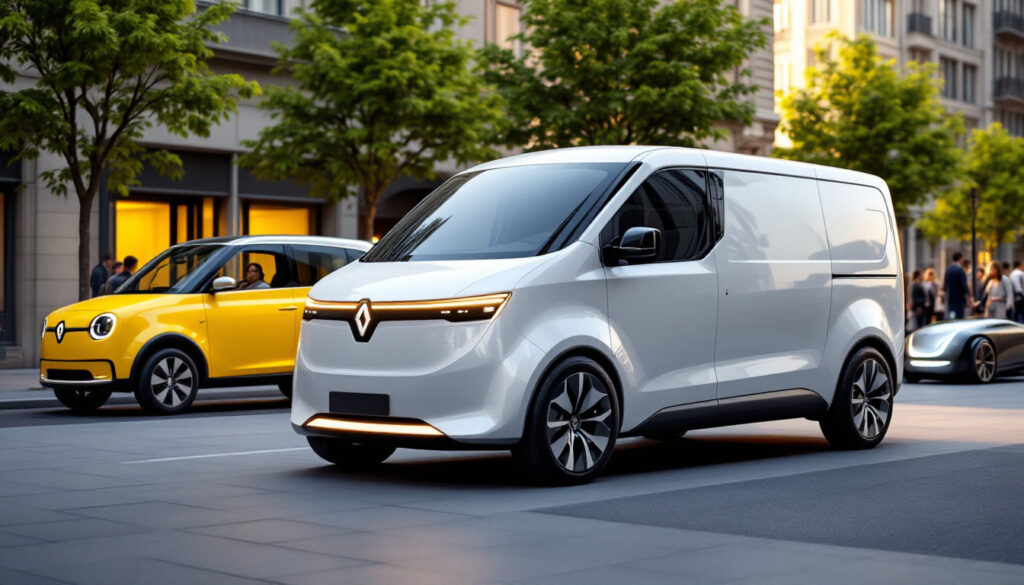

The electric revolution is making its way into the utility sector with Renault, which announces the arrival of its iconic models: the Trafic, the Estafette, and the Goelette. These vehicles, true icons of the diamond brand, are set to make their comeback in an entirely electrified form. This trend is not limited to a simple change of motorization, but marks the beginning of a new era for professional mobility. Get ready to discover vehicles with revolutionary technical specifications, designed to meet the demands of the current market, with the much-anticipated day set for April 29, 2025.
Renault Trafic: The versatile model par excellence
The Renault Trafic, a well-known model in the field of utilities, is back in the spotlight with its electric version. This vehicle is designed to adapt to a wide range of professional uses thanks to its optimized format. With a height limited to 1.90 m, the Trafic allows easy access to numerous underground parking lots, which is undoubtedly an asset for companies that must navigate urban environments.
This model stands out with its technical features that blend comfort and practicality. Precise dimensions, adjustable interior space, and remarkable driving performance make it the ideal vehicle for craftsmen, delivery drivers, and professions requiring equipment transport. But what makes the Trafic particularly suitable? Here are some key points:
- Versatility: This model is designed to adapt to all situations, whether for city deliveries or short-distance trips.
- Economy: With the electric version, companies can reduce their operating costs while meeting environmental standards.
- Accessibility: Thanks to its compact size, the Trafic can weave in where other vehicles fail.
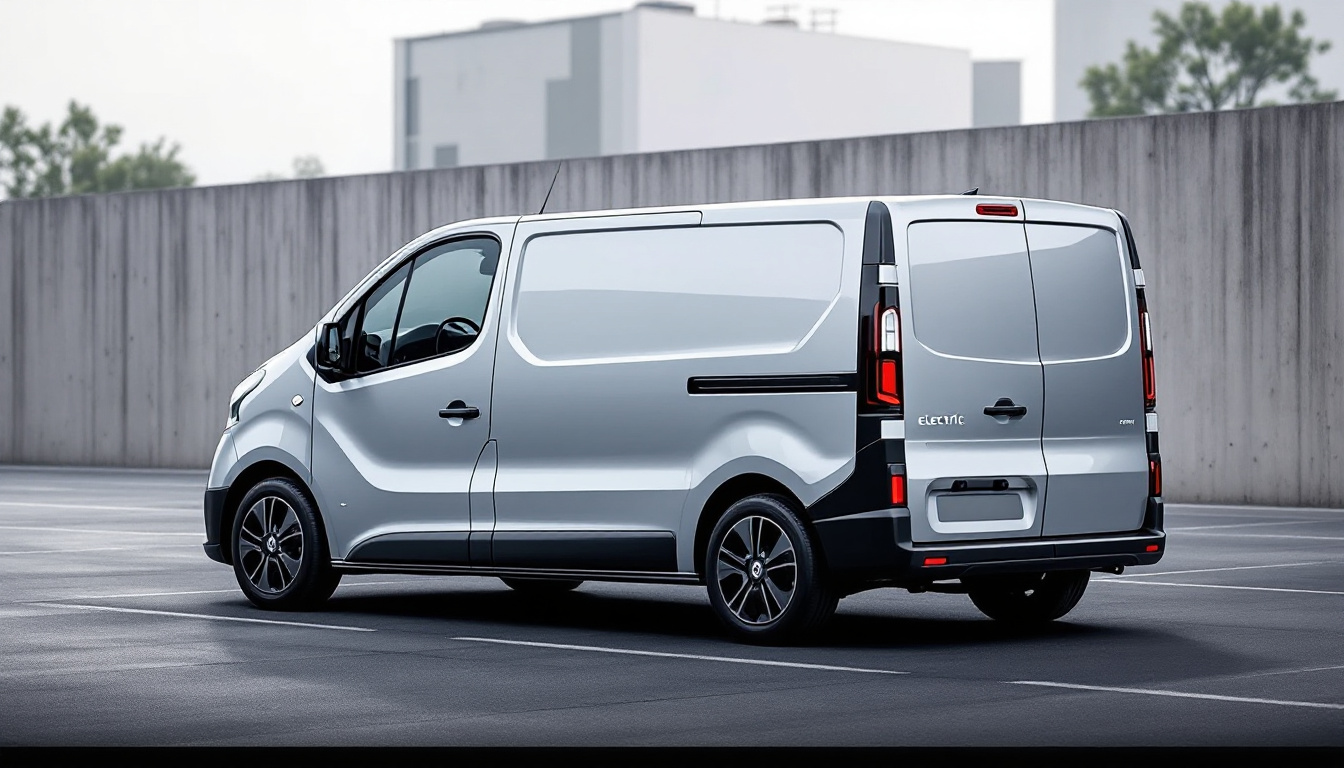
The electric version of the Trafic also promises an autonomy adapted to the daily needs of professionals. Indeed, innovations in battery technology should offer a sufficient usage range for intensive use. This model thus becomes a true partner for modern businesses, where sustainable mobility has become indispensable.
Technical specifications to expect
With the arrival of this new generation, it is essential to look at the innovations accompanying the electric Trafic. The main technical features expected should include:
| Characteristic | Details |
|---|---|
| Battery | Optimal capacity for better autonomy |
| Electric Motor | Performance suited for professional uses |
| Connected Equipment | Integrated navigation and fleet management systems |
The electric Trafic will also be a means of meeting new pollution regulations and contributing to the growth of sustainable mobility while respecting the environment.
Estafette: A return to roots for urban deliveries
The Estafette, a true legend of the 60s and 70s, makes its grand return to the forefront with a completely revamped version. This model is designed to meet the specific mobility needs of last-mile deliveries. With optimized dimensions, the Estafette provides a bird's eye view of the entire urban logistics challenges.
This vehicle has been designed to navigate easily through the narrow streets of modern cities. Its generous height allows a driver to rise to a standing position for easy access to goods while reducing the risk of injury from awkward movements. Here are some advantages of the Estafette:
- Compact Design: Its ideal size makes parking and access to sometimes restricted areas easier.
- Optimized Use: Suitable for urban deliveries thanks to its easy handling.
- Energy Efficiency: Electric model that minimizes environmental impact.
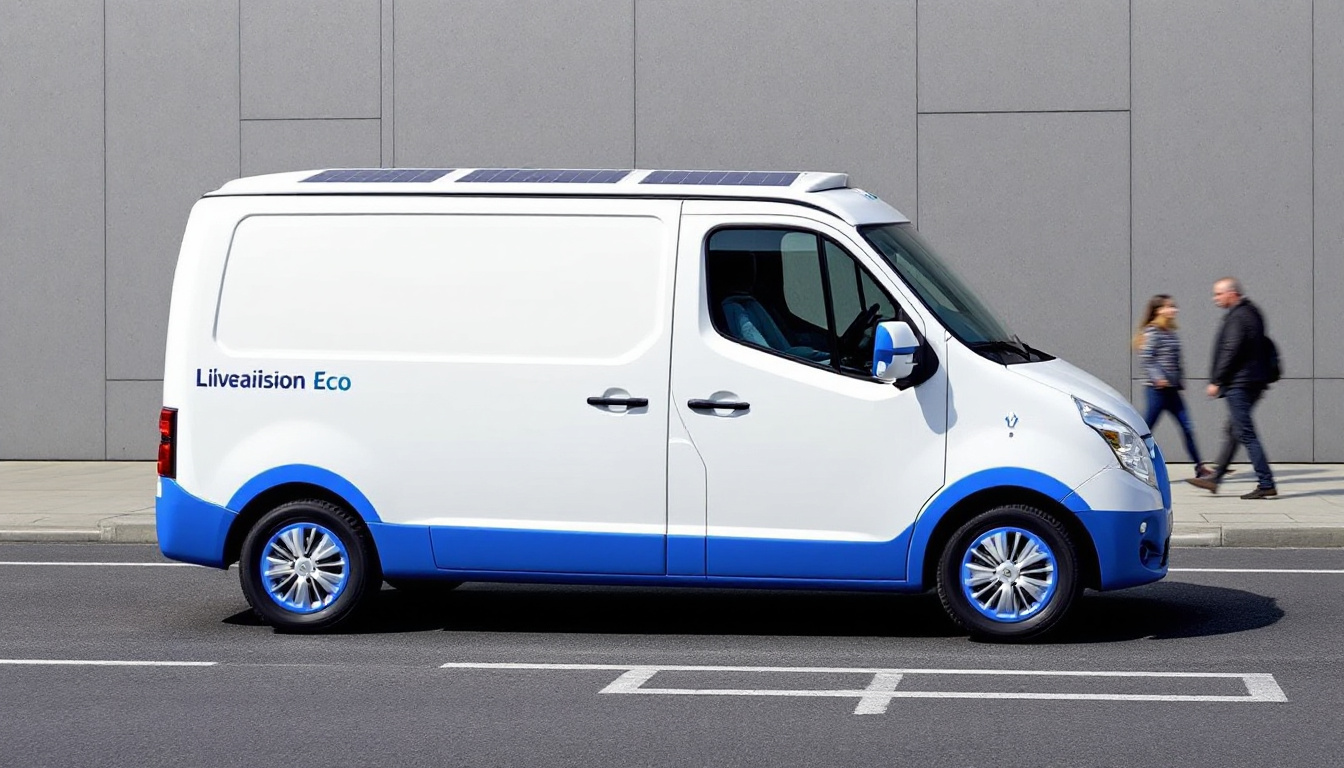
With its unique lighting signature and technological innovations, the Estafette not only makes a comeback; it marks a significant advancement in sustainable logistics. Its launch is a strong symbol of Renault's renewal image and its commitment to the environment.
Technical innovations of the electric Estafette
The Estafette integrates tools and systems aimed at revolutionizing the way professionals approach delivery. In this regard, the expected features are:
| Characteristic | Details |
|---|---|
| Accessible for quick use | Fast charging system for effective operation |
| Connectivity | Geolocation systems for optimized route management |
| Ergonomics | Interior designed for easy access to goods |
By enabling smarter fleet management, the Estafette pushes the limits of what a modern utility vehicle should be in the electric era.
Goelette: The flexible utility for demanding professionals
Designed to meet the new market expectations, the Goelette arrives as a flexible alternative to the Renault Trafic. Compact in size while offering a modular interior, the Goelette is intended for professionals who require greater customization of their vehicle.
Its intelligent design will allow for adjustments to its setup according to the specific needs of each company. Whether it’s to equip the vehicle with a dump box, a transport box, or any other setup, the Goelette positions itself as a true chameleon within the range of electric utilities. Let’s take a closer look at its strengths:
- Customized Layout: Possibility to configure the back of the vehicle according to the company's needs.
- Wide Range of Applications: Ideal for all professions, from construction to delivery.
- Flexibility: A design that evolves with the needs of the professional.
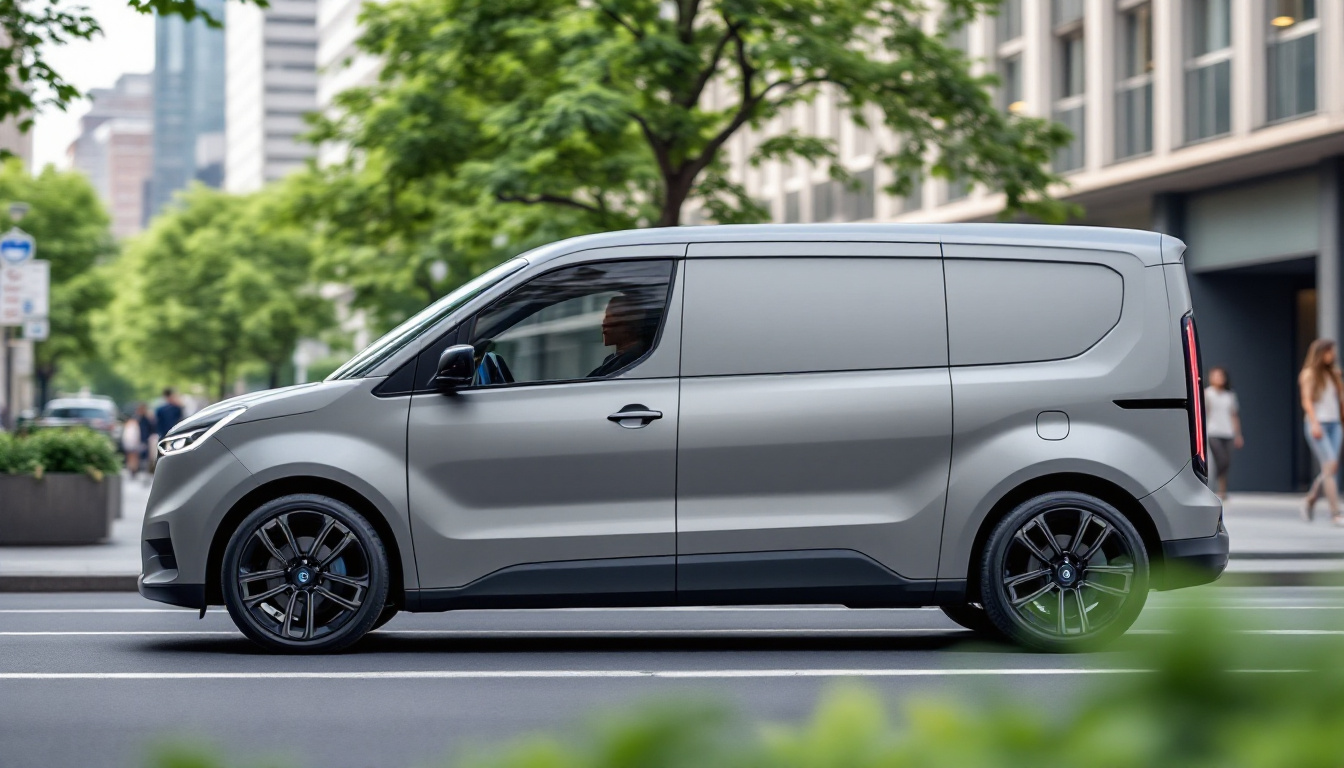
The Goelette embodies a new vision of utilities electric, where every detail counts to optimize work efficiency. Its ability to evolve according to the demands of its users represents the very essence of innovation in this sector.
Innovative features of the Goelette
Let’s focus on the innovations accompanying this model, designed to maximize productivity while minimizing environmental impact.
| Characteristic | Details |
|---|---|
| Adjustable autonomy | Battery that adapts to the load for better performance. |
| Modularity | Quick understanding to facilitate layout changes. |
| Advanced Technology | Connected instruments to optimize energy management. |
With the Goelette, Renault is committed to exceeding the expectations of professionals, thus providing a solution that adjusts to the realities of everyday life while promoting sustainable development.
The challenges of transitioning to electric
The shift to electric in the utility sector raises many questions. For companies, opting for models like the Trafic, the Estafette, and the Goelette is both a strategic choice and a moral obligation in response to current climate challenges. This transition can be seen as a challenge, but it is also an unprecedented opportunity in the business world.
Among the major challenges is the need to adapt charging infrastructures in line with the increasing electric vehicle fleet. Thus, companies should view these new models as long-term investments. Here are some considerations:
- Charging Infrastructures: The density of charging points becomes crucial for operational flexibility.
- Acquisition Costs: It makes sense to assess the savings made over the long term against the rising acquisition costs.
- User Training: Integrating advanced technologies requires specific skills.
This transition represents the future of professional transport. Companies that anticipate these needs will be able to position themselves as pioneers in the sector and benefit from a renewed competitive space.
Si vous souhaitez lire d'autres articles tels que Renault Trafic, Estafette and Goelette: discover everything about the new electric utility vehicles on a key date, consultez la catégorie Non classé.
-
Olympe Rhéa says:
Ces nouveaux utilitaires électriques de Renault semblent vraiment prometteurs pour l'avenir du transport professionnel.
Leave a Reply to Olympe Rhéa Cancel reply
Articles relatifs