Reduced-standard cars to stimulate the market?

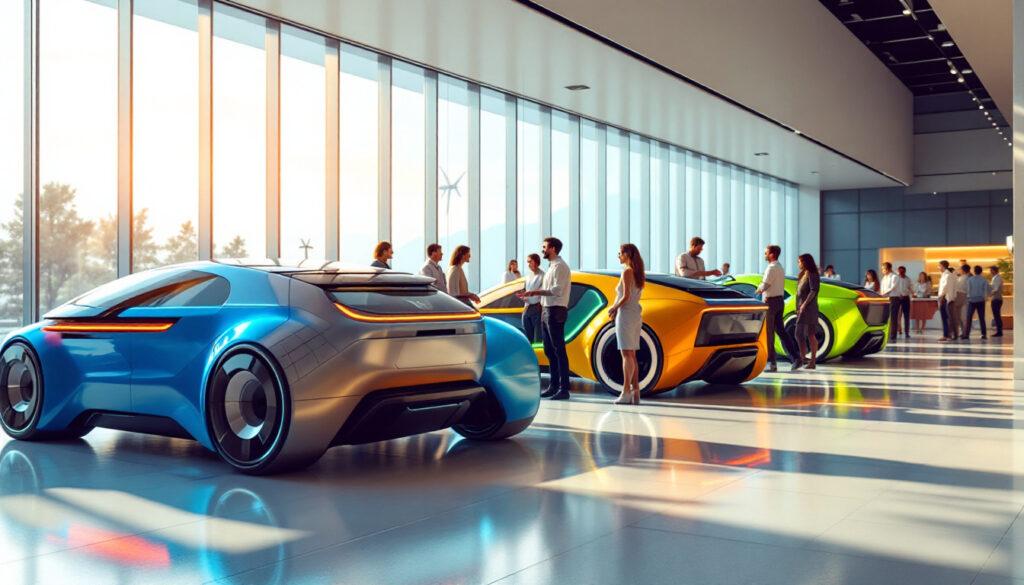

The automotive world is at a critical turning point. With the advent of new regulations, manufacturers are facing unprecedented challenges. Industry leaders express concerns about the future of cars, their exorbitant prices, and their compliance with increasingly strict standards. The question arises: can automotive standard adjustments really stimulate the market?
CO2 standards redefining the automotive sector
The CO2 standards of 2025, imposing a significant reduction in emissions for manufacturers, are sparking passionate debates. The regulatory framework requires vehicles to emit less than 93.6 g/km of CO2 according to the WLTP cycle. For Renault, Volkswagen, Nissan, and other major players, this means a revision of their business strategies. How does each company navigate this turbulent sea of environmental and economic constraints?
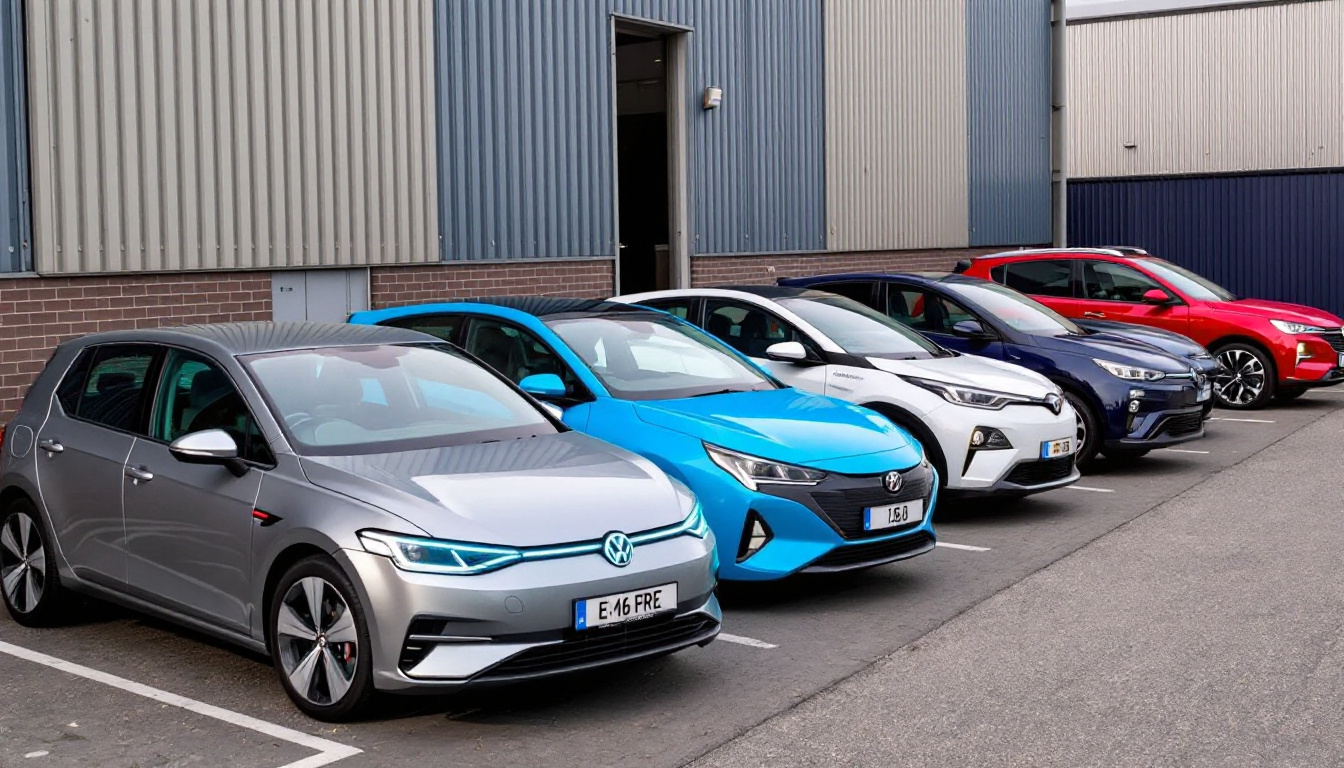
This regulatory pressure pushes manufacturers to innovate, but many fear that these new obligations will increase car prices. A striking example is the Clio from Renault, whose price has risen by 40% between 2015 and 2030 largely due to the increase in standards. Automotive engineering now dedicates a quarter of its time to complying with these requirements, thus reducing the resources available for developing new models.
- Renault and Peugeot are reassessing their product ranges.
- VW is investing heavily in electrification to meet standards.
- Announcements about electric vehicles are increasing significantly.
Who is most affected by these regulations?
The consequences are not uniform. While some large companies strive to adapt, others, like Fiat and Hyundai, are lagging behind. On one side, premium brands continue to benefit from strong demand, while the entry-level car market is shrinking...
| Manufacturer | Adaptation Efforts | Notes |
|---|---|---|
| Renault | Repositioning of the Clio | Price increase of 40% |
| Volkswagen | Investment in electrification | Preparation for future standards |
| Fiat | Financing difficulties | Loss of market segments |
The long-term impact on the market
Experts believe that these challenges could divide the market. Some groups, particularly consumers from geographical areas like Southern Europe, may be unable to acquire cars due to inflated prices. People will then turn to used vehicles, a market that remains stable despite current issues. Changes in consumer behavior could offer another opportunity for manufacturers...

Regulation and innovation: a troubled path
The question of environmental standards raises a broader issue: how can the automotive industry balance innovation and sustainability? As environmental demands become increasingly stringent, brands like Toyota and Dacia are trying to offer less expensive vehicles that comply with new standards.
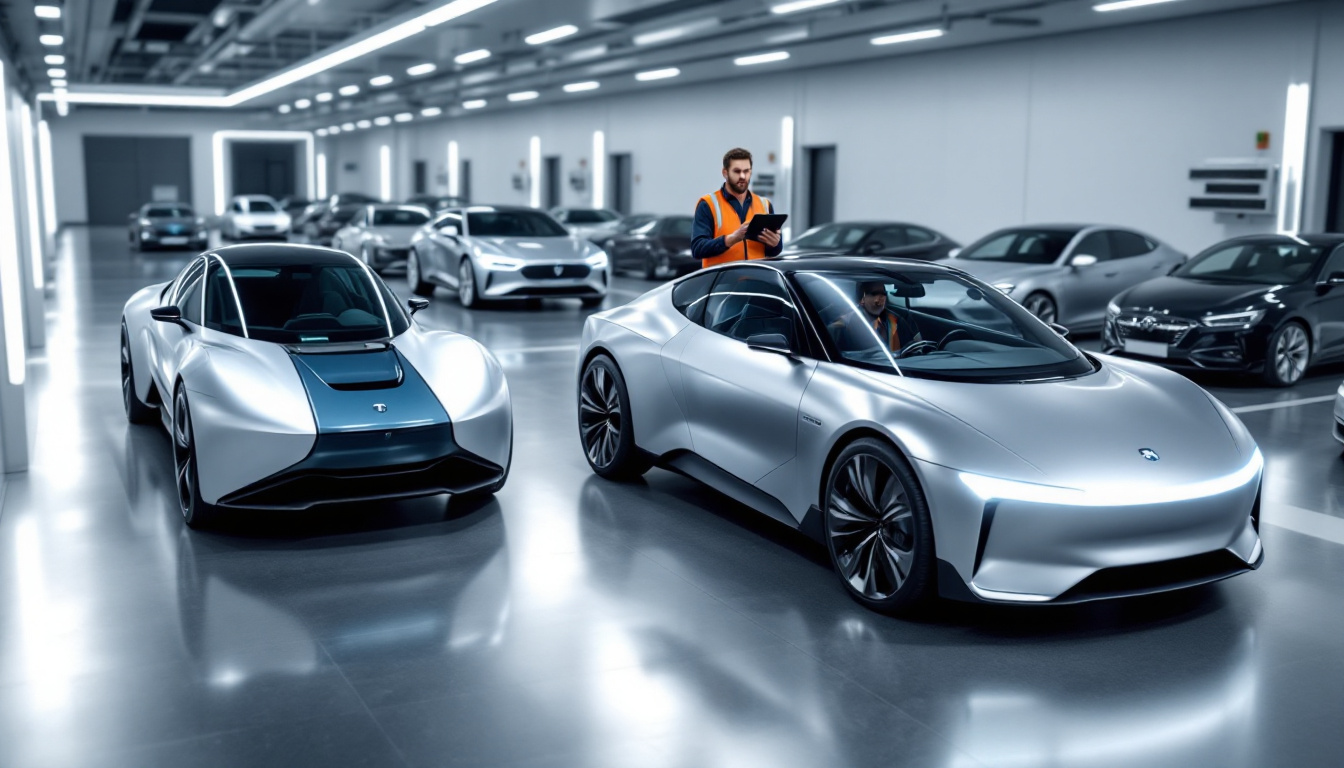
Manufacturers must explore innovative technologies to comply with regulations. By 2025, it will no longer be sufficient to offer high-performing models to consumers. It will be imperative to integrate solutions... How can these technological evolutions translate into car sales?
- Integration of less polluting systems.
- Development of accessible hybrid vehicles.
- Use of sustainable materials in manufacturing processes.
The weight of regulations on innovation
The automotive world, although capable of expanding the richness of customer experiences, finds itself constrained by standards. The management of Stellantis and Renault regrets that regulations lead to excessive mechanization of vehicles, affecting design and innovation. Cars are becoming increasingly expensive, and often, it is these standards that are to blame.
| Technology | Advantage | Cost |
|---|---|---|
| Plug-in Hybrid | Reduced emissions | High |
| Recycled materials | Reduced environmental impact | Variable |
| Artificial Intelligence | Performance improvement | High in development |
Searching for balance: between price and safety
The balance between the price and safety of new cars is a battle that manufacturers must fight. The increasing complexity of rules regarding safety and equipment has also led to a significant rise in costs. According to Luca de Meo, the standards impose an excessive weight on cars, making them inaccessible to a large part of the population.

In this context, the idea of creating "sub-standard" vehicles for low-income buyers is resurfacing. This raises ethical questions: is it justifiable to sacrifice safety to offer cheaper cars? This notion of "lightened safety" could have dramatic consequences for road safety.
- Safety issues related to the weight of cars.
- Buyers are becoming increasingly informed about safety.
- The risk of a transitivity between quality and cost.
Impact on the future of the industry
The debate over the very existence of new "sub-cars" is not only underway but also questions the future of the automotive industry. If the market does not quickly regain profitable positions, layoffs and factory closures will remain on the agenda. Manufacturers must innovate while adhering to standards that, overall, seem poorly suited to specific realities.

Toward a future model: inclusivity and accessibility
With a growing demand for economical and environmentally friendly vehicles, the need to reinvent models is evident. Manufacturers must focus not only on electric options but also on accessible segments. Hyundai, Fiat, and Ford all have significant efforts to make to reposition their ranges towards lighter and less complex models.
In response to this demand, we are witnessing a resurgence of compact vehicles that accounted for 50% of sales in the 1980s. This could allow consumers to return to an industry that seems increasingly distant from them.
- Strengthening access to economical models for all.
- Innovating in low-emission engines.
- Maintaining a clear and attractive pricing strategy.
The pandemic future of cars: a paradigm shift
The current trajectories, although under pressure, may offer new perspectives to the players in the automotive industry. On the way to a more inclusive model, greater attention must be paid to sustainability and accessibility. If the automotive market continues on these bases, consumers may regain confidence in a sector whose future remains uncertain.
Si vous souhaitez lire d'autres articles tels que Reduced-standard cars to stimulate the market?, consultez la catégorie News.
-
Othilienne Durmont says:
Les nouveaux standards vont remodeler le marché, mais à quel prix pour les consommateurs?
Leave a Reply to Othilienne Durmont Cancel reply
Articles relatifs