On the Road! No. 8: The Motorist, the State's Milking Cow for Finances



Motorists are often seen as an easy target for successive governments. Indeed, a divide in ideas has clearly emerged over time, making drivers prime targets of taxation. Taxes and duties accumulate as the years go by, turning the automobile into a true cash cow for the State. This article addresses the various facets of this reality, through concrete examples, significant figures, and a reflection on this dynamic.
The multiple taxes affecting motorists
The modern motorist faces a real obstacle course when it comes to understanding the complex web of taxes and duties related to their car. Subject to particularly high taxation, the buyer of a vehicle, whether it's a Renault, a Peugeot, or a Volkswagen, is required to have a well-filled wallet right from the acquisition of their asset.
Diverse taxes and duties
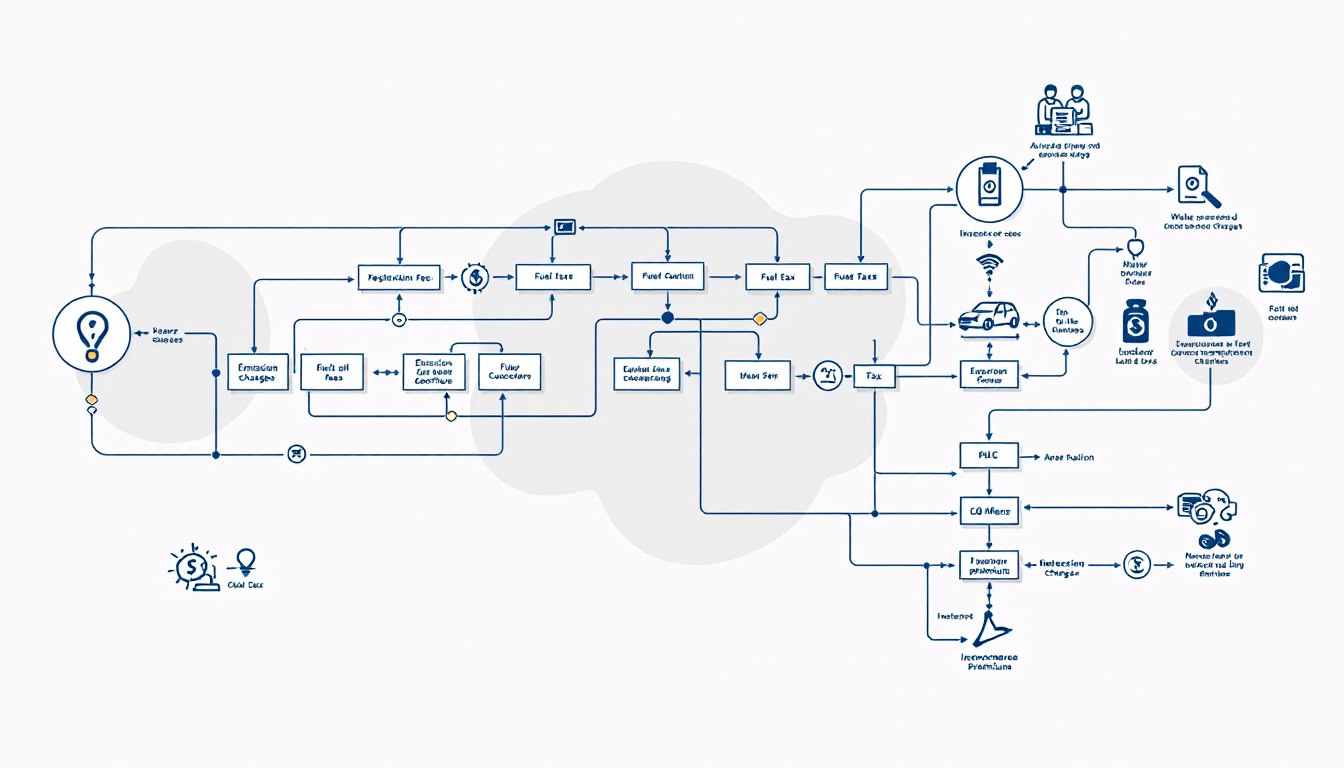
From the moment the choice of a model begins, the motorist is subjected to a series of taxes that usually surprise anyone who is not familiar with the intricacies of tax legislation. Here are some examples of the most common taxes:
- The VAT on the purchase of the vehicle, which significantly impacts the final bill.
- The registration fee, which varies considerably from one region to another.
- Taxes on fuels, often criticized as excessive.
- The ecological penalty, penalizing the most polluting cars since the switch to electric.
- Parking fines, a source of discontent especially in urban areas.
Each of these taxes concentrates significant amounts, contributing to making motorists a very lucrative source of revenue for the State.
An ever-evolving array of taxes
In 2025, the State instituted increasingly stringent regulations. For example, the regulation regarding vehicle weight has significant financial implications. Vehicles exceeding a certain weight limit may now be subject to special fees.
Specifically, the law established a new weight tax, further impacting motorists' budgets. The triggering threshold is lowered to 1.5 tons, imposing new pressure on the sector. Moreover, by 2026, even electric vehicles are no longer spared, rendering their budget flexibility almost nonexistent.
| Type of tax | Amount (in euros) | Payment frequency |
|---|---|---|
| Registration fee | 100 - 500 | One-time |
| Ecological penalty | 0 - 70,000 | One-time at purchase |
| VAT on vehicle | 20% | One-time at purchase |
| Fuel tax | 0.61 €/L (estimated) | Every full tank |
| Parking fines | 35 - 135 | While searching for a space |
The importance of the automobile sector for the State
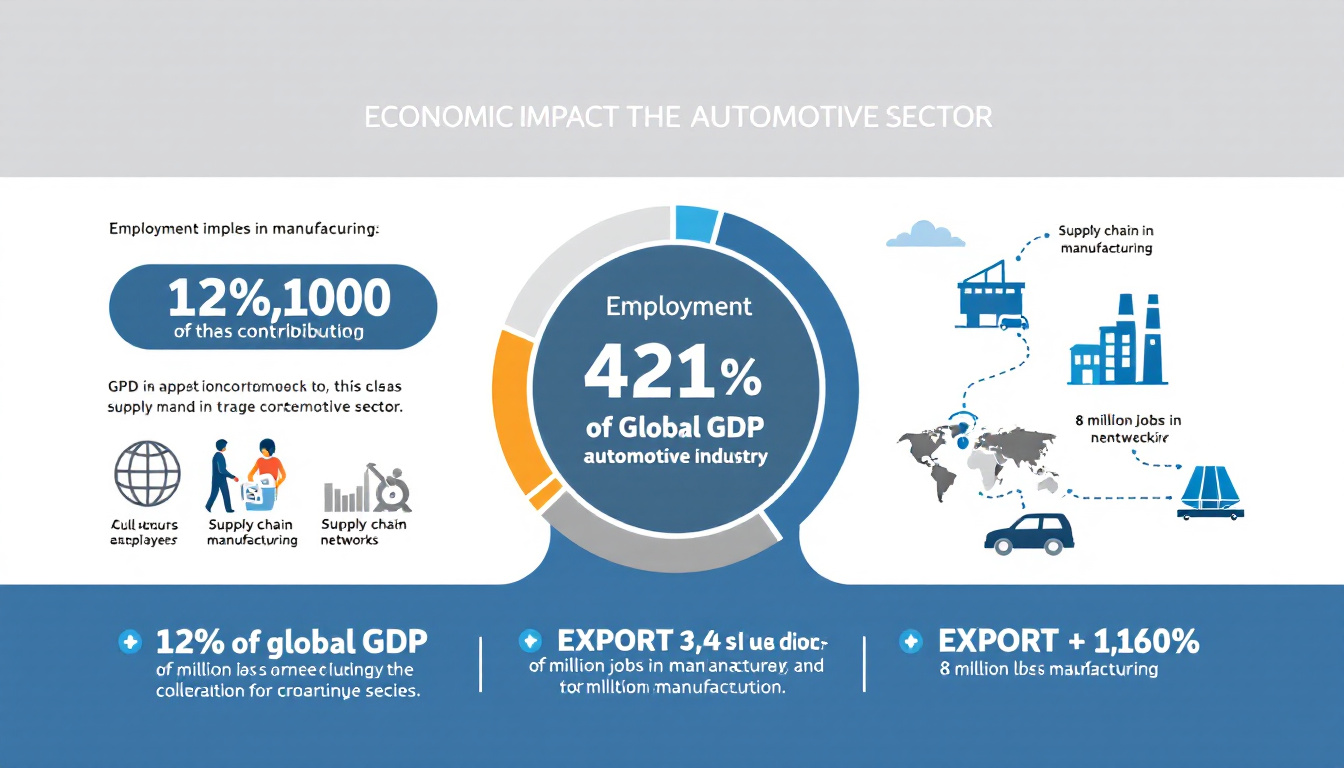
It is essential to highlight the economic impact that the automobile sector has on public finances. The figures speak for themselves, with billions of euros generated each year through taxes and duties dedicated to this activity.
An invaluable financial resource
The government, regardless of its political leanings, has a definite interest in automobile taxation. Here are some elements illustrating this point:
- Unemployment: The sector generates employment for millions of people, thus contributing to the local economy.
- Industry: Approximately 1.6 million people in France depend on the automobile sector, from manufacturers to spare parts.
- Innovation: Investments in clean and sustainable technologies are encouraged by fiscal measures.
The government thus has an interest in maintaining a tax framework that encourages automobile purchases, even if this often results in increased taxation on travel.
The challenge of ecological transition
As new environmental challenges arise, the State seems to be adopting contradictory measures. Paradoxically, cars that are supposed to be more environmentally friendly, such as those from brands Toyota or Mercedes-Benz, find themselves penalized under this new tax structure.
The paradigm shift leads to a real fracture between the aspiration to reduce pollution and the reality of the taxes that still heavily affect drivers.
| Advantages | Disadvantages |
|---|---|
| Job creation | Overconsumption of resources |
| Revitalization of regions | Economic stress on motorists |
| Encouragement of innovation | Deterring new taxes |
Motorists facing fiscal discontent
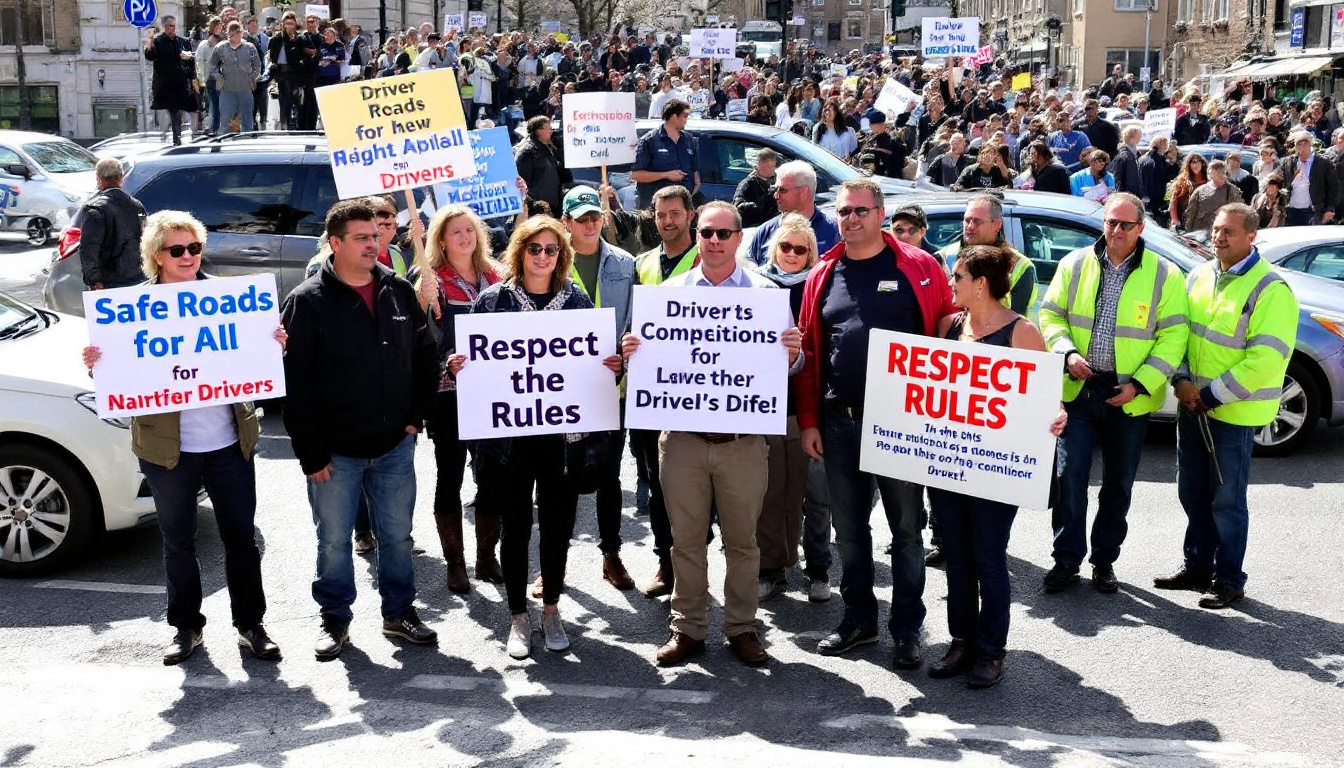
The resentment of motorists is palpable, and this discontent intersects with events. The revolt taking the form of yellow vests in France is a striking illustration. This movement arose from a feeling of injustice among drivers, overwhelmed by excessive tax pressure.
A context that drives revolt
Several triggering elements of this popular anger are noteworthy:
- The price of fuel: A set of successive and abrupt increases in fuel costs.
- Traffic restrictions: Increasingly stringent speed limits.
- New taxes: A cascade of new taxes that seems never-ending.
Beyond these economic factors lies a profound sense of injustice, further strengthened by the perceived inaction of the authorities in the face of these concerns. The motorist sometimes feels invisible, almost scorned by overly restrictive laws.
Emerging solutions
At the heart of this protest, several ideas are emerging. Motorist advocacy groups, such as the 40 million motorists association, are campaigning for greater awareness of the fiscal issues affecting their daily lives. Their fight is reflected in an enlightening infographic illustrating the fiscal realities of motorists within public finances.
The demands also focus on the need for better representation of motorists in public debate, but this remains a real challenge for the federation of interest groups.
| Reform proposals | Potential impact |
|---|---|
| Fairer tax assessment | Reduction of the tax burden |
| Encouragement of green innovation | Acceleration of ecological transition |
| Better communication on fiscal issues | Strengthening of citizen trust |
A transition towards the future of mobility
The road ahead is fraught with obstacles, but it is also paved with opportunities. Innovative solutions, both technological and administrative, can transform the landscape of automobile taxation. It is crucial to rethink established paradigms and truly commit to a transition that benefits both the environment and citizens.

The levers of change
Beyond the proactive actions of pressure groups, concrete proposals are emerging. The ecological transition must take place on several levels:
- Adapted infrastructures: Promote the development of bike lanes and public transport.
- Education on sustainable mobility: Raise awareness about new urban transport options.
- Encouragement to use clean vehicles: Offer tax breaks on the purchase of electric or hybrid cars.
Decisions made today will directly influence the future of mobility. This reflection on taxation should serve the transition towards a more environmentally friendly mobility, a crucial issue for the coming decades.
Conclusion on a note of hope
The path for motorists is fraught with challenges, but the growing awareness of this ever-evolving reality is leading to the emergence of solutions. Investing in a future that is beneficial for all will bring about the necessary transformation so that the motorist does not remain, forever, the cash cow of the State.
Si vous souhaitez lire d'autres articles tels que On the Road! No. 8: The Motorist, the State's Milking Cow for Finances, consultez la catégorie News.
-
Lior Ziff says:
Les taxes sur les voitures deviennent vraiment trop lourdes, il est temps de revoir tout ça.
-
C'est incroyable de voir à quel point les taxes sur les automobilistes augmentent sans arrêt!
-
C'est incroyable de voir à quel point les automobilistes sont taxés. Il faut vraiment changer ça.
-
C'est fou comme les taxes sur les voitures grèvent le budget des conducteurs, ça devient invivable.
-
C'est incroyable de voir à quel point les automobilistes sont taxés. On doit vraiment changer ça.
Leave a Reply to Lior Ziff Cancel reply
Articles relatifs