On the road! No. 2: a wave of restructuring on the horizon

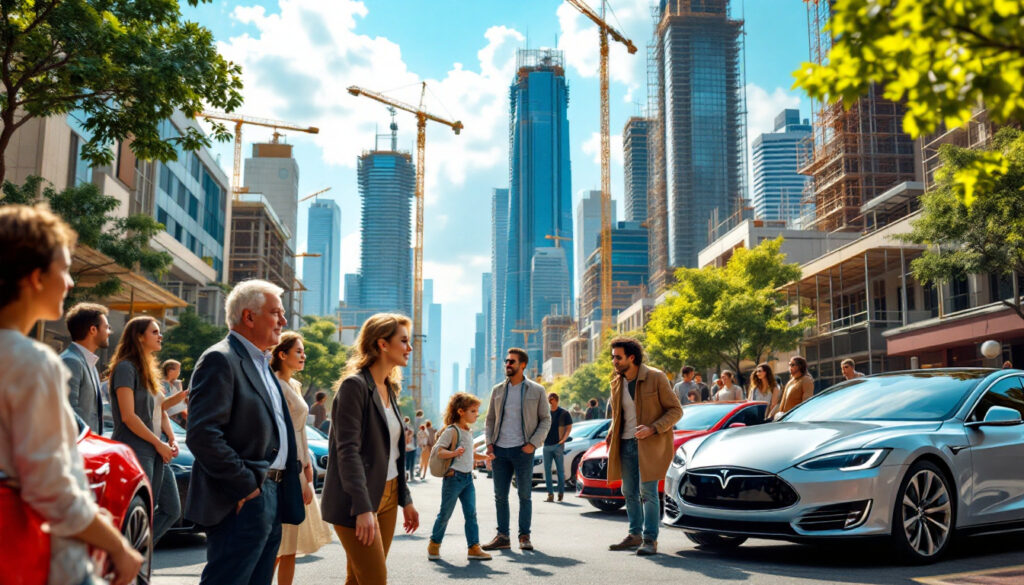

The last decade has been marked by a tumultuous period for the automotive industry, particularly in Europe. As consumers increasingly turn to eco-friendly vehicles and new technologies redefine our relationship with mobility, major automotive groups find themselves at a crossroads. With a transition to electric and the rise of new entrants, the need for restructuring is becoming inevitable. Renault, Peugeot, Volkswagen, and other iconic brands must now reinvent themselves, unite, or risk being forgotten.
The changing automotive landscape: Between crisis and opportunity
The automotive sector has long been considered one of the pillars of the global economy. However, repeated crises—whether economic, health-related, or environmental—are putting companies under pressure. Looking back, it is clear that each crisis has led to significant changes, but this time, the challenges are of a different nature. So, what is the state of the automotive landscape in 2025?
A long history of restructuring
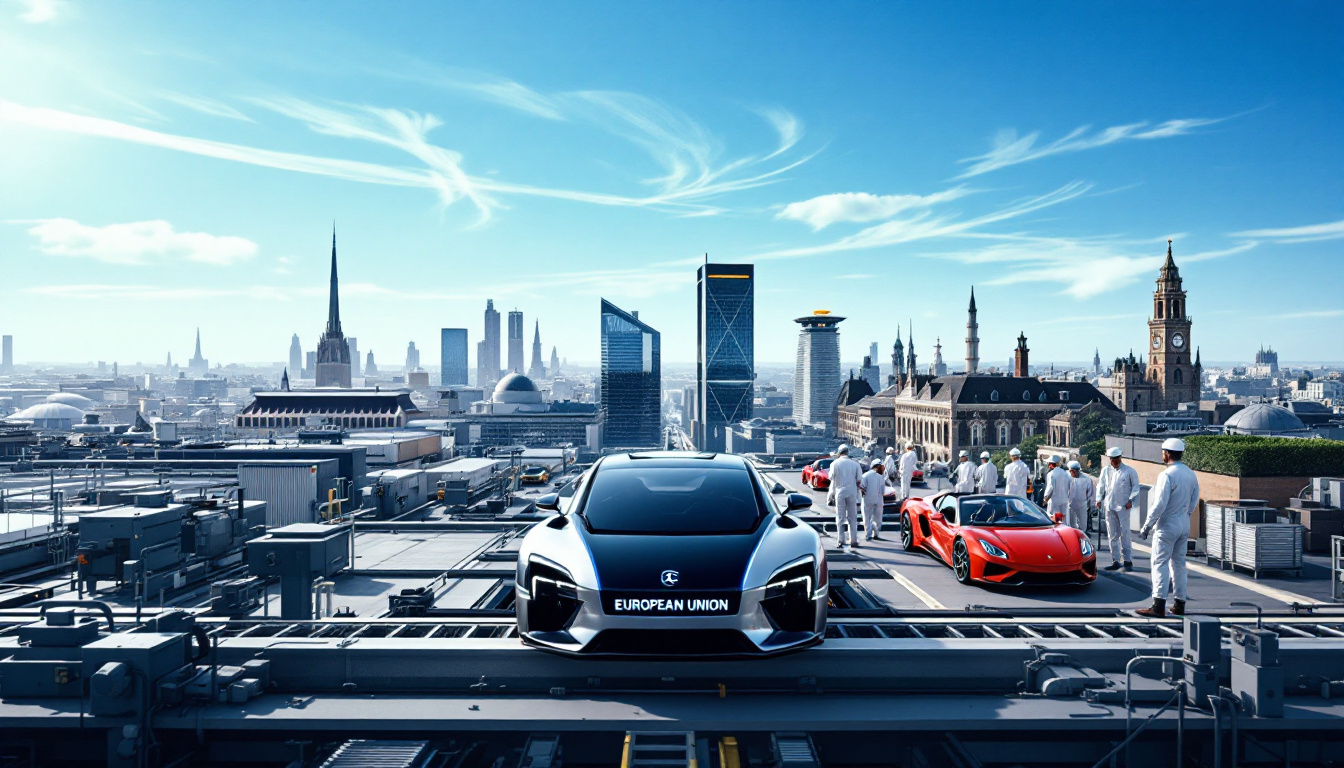
The sector has always been in constant evolution, particularly with the rise and fall of many brands over the decades. After the two World Wars, there was massive consolidation, reducing the number of brands present in the market. This phenomenon has been recurrent, with giants like Chrysler seeing several of their brands disappear over the decades.
At the beginning of the Glorious Thirties, large French brands such as Bugatti, Talbot, and Delahaye also disappeared, leaving a void that has never really been filled. More recently, companies like PSA and Fiat have had to undergo restructuring to stay competitive. Recent events suggest that the current wave of restructurings may not merely be a response to crises but rather a necessary reinvention to address future challenges.
- Increasing economic pressure: The cost of raw materials and labor continues to rise, prompting companies to cut costs.
- Transition to electric: The necessary investments in infrastructure and research and development are colossal.
- International competition: Chinese companies like Dongfeng and Changan are pursuing their ambitions, intensifying competition.
- Strong environmental regulation: The European Union is imposing increasingly stringent emissions standards, driving restructuring.
Thus, the sector must adapt or perish. The need to streamline operations is becoming a matter of survival for many players. Consolidation is often seen as bad news, but it also presents opportunities for innovation and evolution in an uncertain economic environment.
The role of historical brands: Strategies and challenges
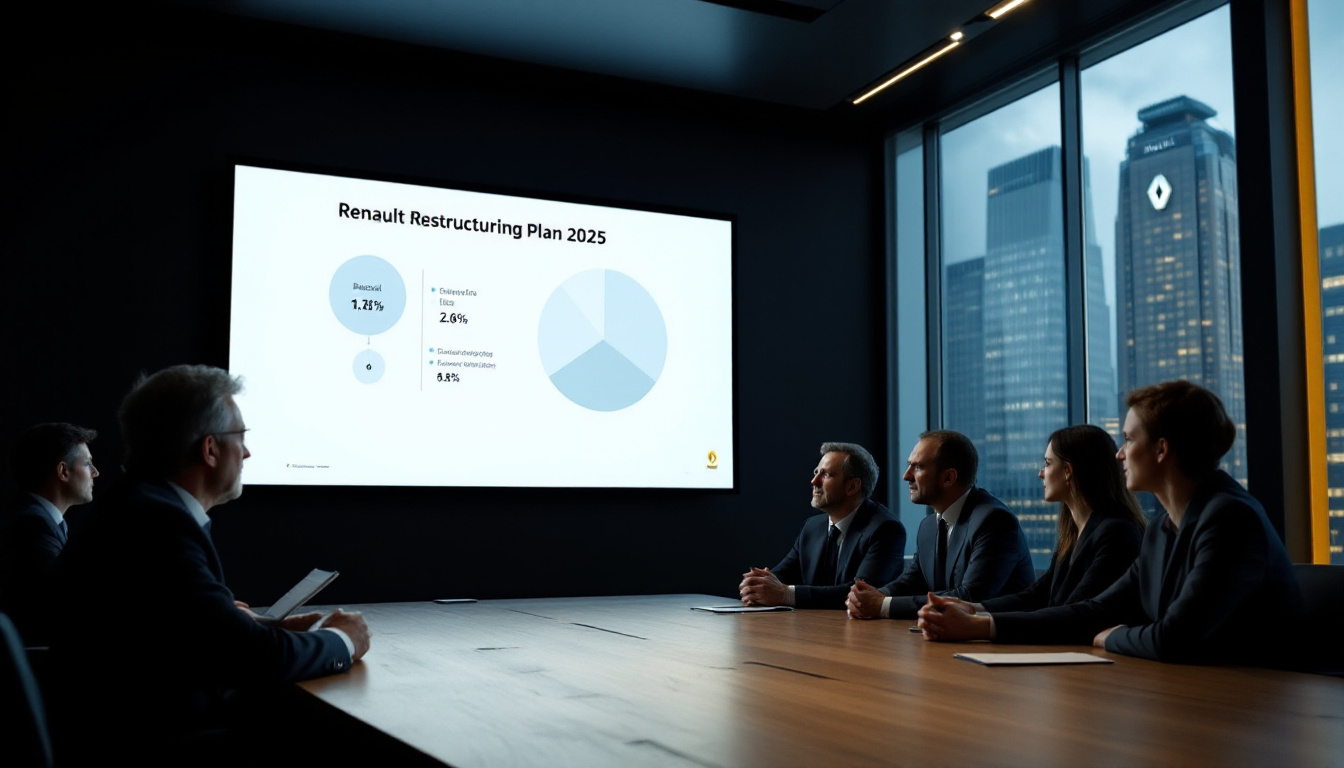
Historic brands, such as Renault, Peugeot, and Citroën, are under scrutiny. Their fate is particularly uncertain due to the demands of the energy transition. Renault recently announced its intention to restructure its operations in France, with a plan for massive layoffs of around 2,000 employees. This radical choice raises questions: how can an iconic brand preserve its heritage while adapting to a rapidly changing market?
Varied responses to the same issues
Each manufacturer has its own strategy in response to this storm. Peugeot, for example, is focusing on expanding its electric range while maintaining a solid base of traditional energy sources. Citroën, on its part, is concentrating on accessibility and comfort to attract a new audience while exploring paths for sustainable innovation.
Other giants, like Volkswagen, are committed to completely transforming their business model. They anticipate not only a growing demand for electric vehicles but also the necessity to integrate mobility services. These aspects could broaden their market beyond just selling cars.
| Brand | Current strategy | 2025 objective |
|---|---|---|
| Renault | Restructuring and cost reduction | Emission reduction, electric development |
| Peugeot | Expanding the electric range | Gaining market share in Europe |
| Citroën | Focusing on accessible mobility | Innovating with sustainable solutions |
| Volkswagen | Complete transformation of the business model | Become a leader in electric vehicles |
The lines between brands are blurring, as manufacturers must capitalize on their strengths while remaining flexible in the face of the irresistible competition from the electric market. Brands must not only compete but also collaborate to ensure their survival in the coming years.
New players in the market: A threat or an opportunity?
The emergence of new players in the automotive market is both a challenge and an opportunity. Innovative companies, both from Silicon Valley and new Chinese entrants, bring a modern vision of mobility. Tesla has paved the way, but today, other brands like Rivian, Lucid Motors, and even Asian start-ups are redefining the landscape. What lesson can traditional players learn from this?
Digital technology at the heart of strategy
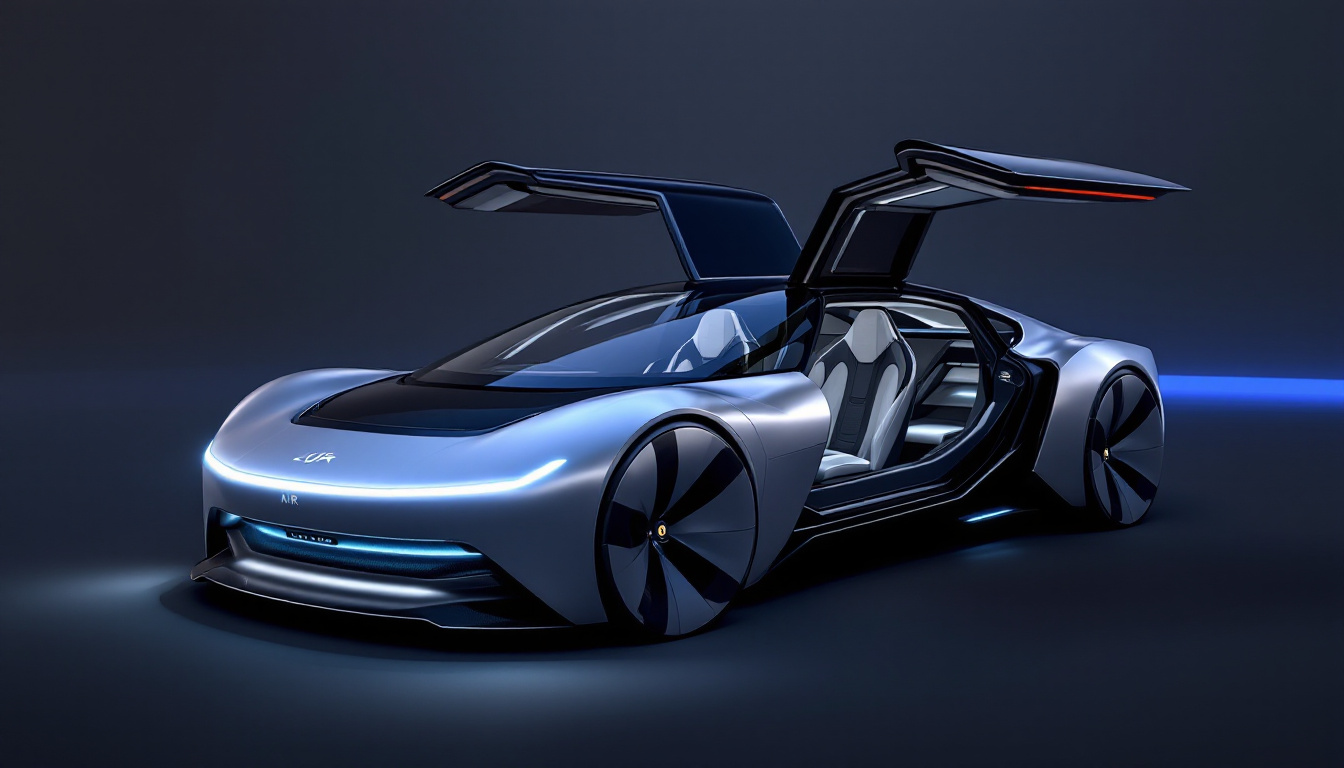
New entrants are fully capitalizing on digital technologies. They integrate mobility services, artificial intelligence, and big data into their production. For example, Rivian plans to develop a charging network that will facilitate access to electric vehicles for the general public. This represents a long-term vision that established companies must also adopt.
Meanwhile, traditional brands must adapt. Ford, for example, has recently decided to merge its efforts with tech companies, investing heavily in research projects on autonomous vehicles. This choice highlights the importance not only of innovation but also of collaboration.
- Adopt an innovation culture: Historical companies must change their mindsets to remain relevant.
- Invest in digital: It is crucial to integrate digital services into every aspect of the business.
- Collaborate instead of competing: Strategic alliances can offer winning solutions.
The question remains: are these new players threats or opportunities? Louis Pasteur said, "Fortune favors the prepared mind." Therefore, traditional players must prepare themselves to seize the new opportunities that may emerge from these challenges.
Economic issues: Between costs and necessary investments
The shift towards electric and digitalization imposes enormous costs. Equipment manufacturers, for their part, find themselves on the front lines, facing several challenges. They must not only invest in new technologies but also adapt their infrastructure to meet increasingly strict environmental requirements. This literal "leap into the unknown" could resemble a jump into the void.
The challenges of the energy transition
This transition is not just a question of changing products. It is a transformation of the entire economic model. Experts estimate that the automotive industry must invest billions in the coming years to ensure this transition, and this investment raises significant questions: How to balance these expenditures with the often-thin margins of the industry? How to ensure a return on investment in a constantly evolving market?
| Equipment Manufacturer | Estimated investment (in millions €) | Form of transition |
|---|---|---|
| Valeo | 300 | Automation and electrification |
| Faurecia | 250 | Innovations in emission control |
| Plastic Omnium | 200 | Alternative energy management systems |
| Michelin | 150 | Development of eco-friendly tires |
The financial challenges are enormous. Some companies, like Michelin, which announcement site closures to reduce costs, testify to the pressure that exists in the industry. This context also necessitates a close link between governments, industry players, and researchers to create an environment conducive to innovation. The success of this transition will once again depend on collaboration among all these actors.
A future to shape together: Act now to avoid disappearing
As a new wave of restructurings looms, industry players must understand that this is not just about survival but also about resilience. The challenge is not just to fight to stay afloat but to find ways to innovate and redefine the market by 2025 and beyond.
It is essential to keep in mind that every crisis is a disguised opportunity. Bold initiatives must be undertaken to embrace the inevitable changes in the market. The question of the future of the automobile should not be seen as a threat but rather as a call to action. Brands must come together to evolve collectively, thereby laying the groundwork for a sustainable, competitive, and innovative automotive sector.
- Invest and believe in the future: Investments in new technologies are crucial.
- Adopt a flexible mindset: Responding quickly to market evolution is vital.
- Listen to consumers: Customer needs must guide corporate actions.
- Encourage collective innovation: Working together can yield surprising results.
Through this lens of innovation and collaboration, the automotive sector can find the necessary paths to remain relevant. Tomorrow begins today, and it is up to each player to participate in this transformation right now.
Si vous souhaitez lire d'autres articles tels que On the road! No. 2: a wave of restructuring on the horizon, consultez la catégorie News.
-
Alaric Delastrade says:
Cette transformation de l'industrie automobile est vraiment fascinante à suivre. Vivement les innovations à venir !
-
Le secteur automobile doit vraiment s'unir pour faire face aux défis de demain.
-
La transition vers l'électrique est un défi passionnant pour l'industrie automobile.
-
La transformation du secteur automobile est essentielle pour s'adapter aux nouvelles attentes des consommateurs.
Leave a Reply to Elio Verne Cancel reply
Articles relatifs