Norman flax: the ideal solution to lighten electric cars



With the rise of electromobility, automakers are turning to innovative materials to lighten their vehicles, among which Normand flax emerges as a promising solution. Due to its ecological, lightweight, and robust properties, this natural fiber attracts the attention of brands like Alpine, who reinvent their models using this sustainable material. In Normandy, the land of flax, innovative initiatives are emerging, placing the region at the heart of a green industrial revolution.
The advantages of Normand flax in the automotive industry
Normand flax, in addition to its rich history and artisanal culture, possesses properties that make it a material of choice in the sustainable auto sector. Firstly, its lightness represents a considerable asset for electric cars, which benefit from weight reduction, thereby promoting autonomy and energy efficiency.
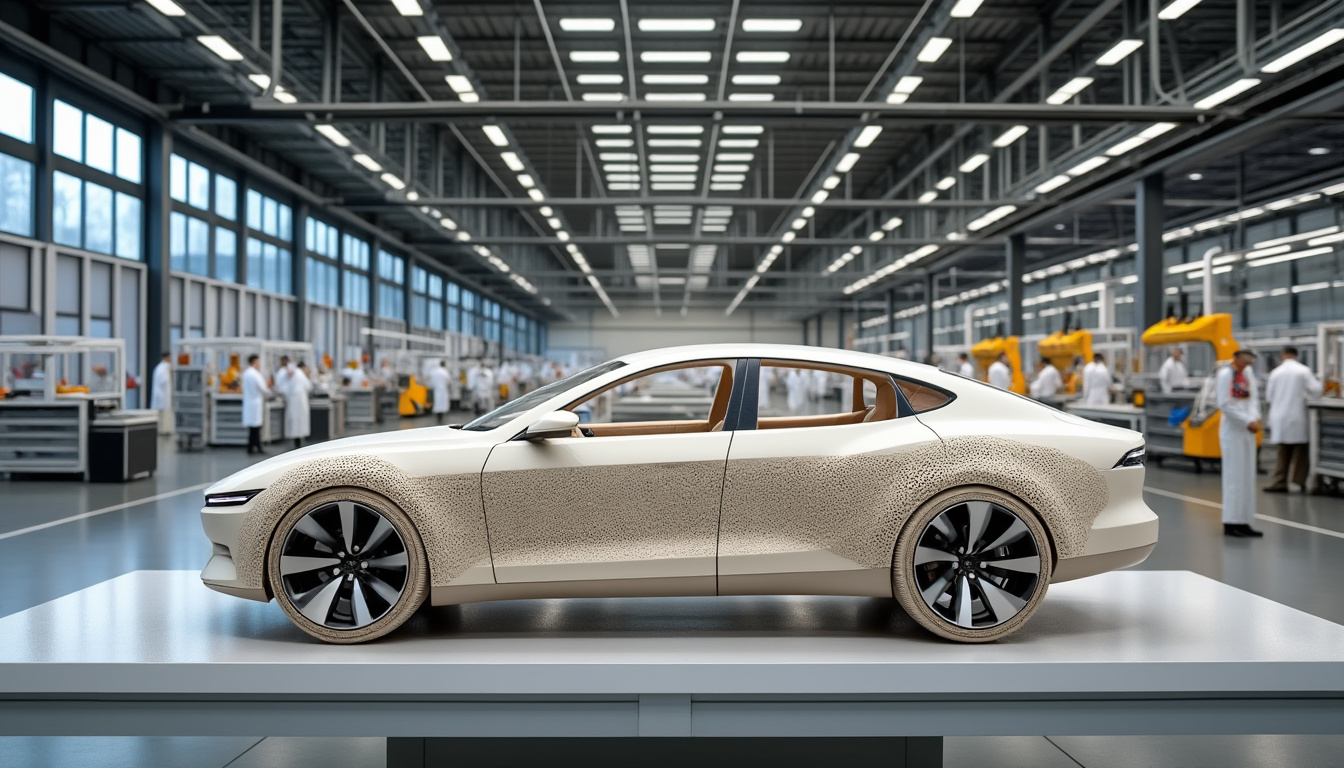
Amazing physical and mechanical characteristics
Flax has several characteristics that make it attractive for the automotive industry:
- Mechanical resistance: Flax is known for its robustness, capable of rivaling carbon fiber while being much lighter.
- Low environmental impact: Unlike synthetic materials, flax cultivation requires little water and few chemical treatments, limiting its carbon footprint.
- Acoustic performance: Thanks to its structure, flax effectively absorbs vibrations and noise, providing additional comfort for passengers.
These properties have led iconic brands to incorporate it into their prototypes. For example, Alpine used flax to design components for its A110 E-ternity model, highlighting not only innovation but also environmental respect.
| Properties of flax | Benefits for electric cars |
|---|---|
| Lightweight | Increases range |
| Resistance | Increased durability of parts |
| Anti-vibration properties | Improved comfort for occupants |
Thus, Normand flax is not limited to a mere trend but becomes a key element in a sustainable transformation within the automotive sector. As the demand for more environmentally friendly materials increases, the use of flax as a replacement for carbon fiber and fiberglass is becoming widespread. Normand flax represents a model of local and circular production, combining innovation and territorial anchoring.
The manufacturing process and integration of flax in electric cars
For Normand flax to be integrated into automotive manufacturing, a complex and tailored process is necessary. Indeed, it is not simply a matter of replacing one material with another, but of rethinking the entire production process to maximize its economic and ecological benefits.
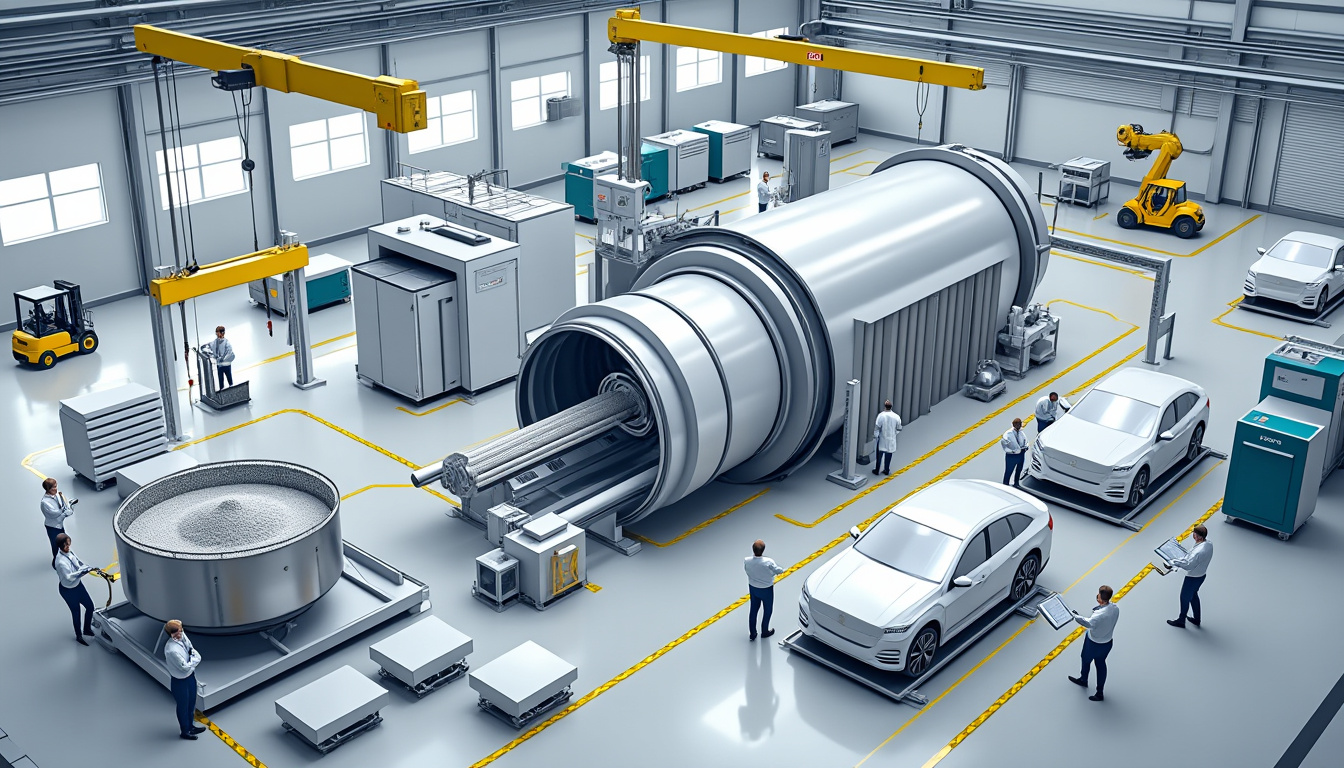
Key steps in transforming flax into automotive composite
1. Cultivation and harvesting: Flax fields, generally located near Dieppe in Normandy, are cultivated for several months before being harvested. The climatic conditions and the quality of the Normand soil are ideal for producing high-quality fiber.
2. Transformation: Once harvested, flax is subjected to processing to separate the fibers from the other parts of the plant. These fibers are then treated and prepared to be integrated into composites with other materials.
3. Production of composites: Flax is mixed with resins to form a composite material that combines lightness and strength. This composite can then be molded into various shapes according to the specific needs of automotive parts.
4. Integration into vehicles: Flax-made parts are then integrated into various models, such as Alpine's electric prototypes, proving their effectiveness and potential. This process highlights the innovation necessary for a successful transition to sustainable mobility.
This manufacturing process illustrates how Normand flax can transform the automotive industry while respecting the principles of sustainable development. By working with local and renewable resources, car manufacturers like Alpine demonstrate a commitment to reducing their environmental footprint.
The ecological implications of Normand flax in the energy transition
The energy transition is at the heart of global concerns. Normand flax, as an alternative to more polluting materials, fits perfectly into this dynamic. At a time when environmental issues are increasingly pressing, it becomes imperative to analyze the ecological impacts of material choices in the automotive industry.

A sustainable choice in the context of decarbonization
Normand flax contributes to the decarbonization of the automotive industry through several elements:
- Short circuit: Local production helps reduce emissions associated with the transport of materials. Flax is grown near production centers, thereby reducing the carbon footprint associated with transportation.
- Renewable resource: Flax is biodegradable and does not contribute to the accumulation of plastic waste, unlike fiberglass or carbon-based composites.
- Sustainable agricultural practices: Modern cultivation methods reduce the use of pesticides and chemical fertilizers, preserving biodiversity and soil quality.
Through these various actions, Normand flax embodies a model of sustainability for electric vehicles. By integrating environmentally friendly materials, the automotive industry can significantly reduce its ecological impact while responding to the growing expectations of consumers who prioritize eco-responsibility.
| Environmental impacts | Normand flax | Traditional materials |
|---|---|---|
| CO2 emissions | Lower due to short circuits | High due to transportation |
| Use of natural resources | Biodegradable and renewable | Non-renewable and polluting |
| Impact on biodiversity | Preserves soils and pollinators | Destroys habitats through pollution |
It is essential for the future of our planet that such initiatives multiply, placing natural materials like flax at the center of decarbonization strategies. This vision of a greener automobile is now more than just a trend; it is becoming a necessity.
The prospects for Normand flax and sustainable automotive
At the dawn of a new era for the automotive industry, the prospects for the integration of Normand flax are promising. As the demand for increasingly green vehicles continues to grow, innovative companies like Alpine are paving the way for a sustainable transformation.
The challenges of innovation and research
Future developments around Normand flax heavily depend on research and innovation. Initiatives to explore new applications of this fiber are underway, ensuring a bright future for renewable materials. In this regard, several axes could be developed:
- Improvement of cultivation techniques: To optimize productivity, efforts on developing flax varieties that are more resilient to climate and diseases could be deployed.
- Research on new composites: By combining flax with other natural or recycled materials, it is possible to create even more efficient composites.
- Partnerships between researchers and industry: These collaborations can lead to significant advances in the development of automotive applications.
| Research axes | Objectives |
|---|---|
| Flax cultivation | Optimization of sustainable production |
| Innovative composites | Improvement of performance |
| Collaborations | Acceleration of innovations |
The vision of manufacturers like Alpine reflects this dynamic, proving that it is possible to reconcile performance and respect for the environment. Ultimately, this evolution could define the contours of a truly responsible automotive industry.
Normand flax in French automotive culture and identity
Normand flax also plays an important cultural role, symbolizing traditional know-how and a strong connection to the land. As a central element of the Normand landscape, it embodies the values of authenticity and heritage, which resonate with the identity of French car brands, like Alpine.

A symbol of local craftsmanship
The cultivation of flax is part of a centuries-old tradition in Normandy, where artisans dedicate themselves to producing quality textiles and composite materials. This local expertise, combined with technical innovation, allows for a redefinition of the image of French production. By adopting flax as a material, car brands are not only renovating their models but also strengthening their ties to local craftsmanship:
- Consumer education: Raising public awareness about the importance of short circuits and local sourcing in consumption.
- Support for artisans: Providing visibility and recognition to flax producers and artisans who interpret it.
- Promotion of a regional identity: Promoting flax as a symbol of innovative French industrial know-how.
By linking cultural heritage to automotive innovation, Normand flax can become a centerpiece of modern craftsmanship. This alliance of traditions and technologies offers a promising future, where flax asserts itself as an aesthetic as well as an ecological choice.
| Cultural Aspects | Impact on the automotive industry |
|---|---|
| Tradition and know-how | Inspiration for vehicle design |
| Short circuits | Reduction of carbon footprint |
| Collaboration between artisan and industry | Innovation and quality of the final product |
Normand flax thus embodies not only a future for sustainable automotive but also a return to the sources, where technology and local traditions coexist harmoniously on the path to a greener future.
Si vous souhaitez lire d'autres articles tels que Norman flax: the ideal solution to lighten electric cars, consultez la catégorie Non classé.
-
Léandro Dufresne says:
Le lin normand est vraiment une belle initiative pour rendre les voitures plus écologiques.
-
Le lin normand est une belle avancée pour rendre les voitures plus écologiques et légères.
-
C'est impressionnant de voir comment le lin normand peut transformer l'industrie automobile !
-
Le lin normand semble être une solution innovante et durable pour l'industrie automobile.
-
L'utilisation du lin Normand est une idée brillante pour l'avenir des voitures électriques!
Leave a Reply
Articles relatifs