Near Arras, a fire affects more than 30 electric and hybrid vehicles

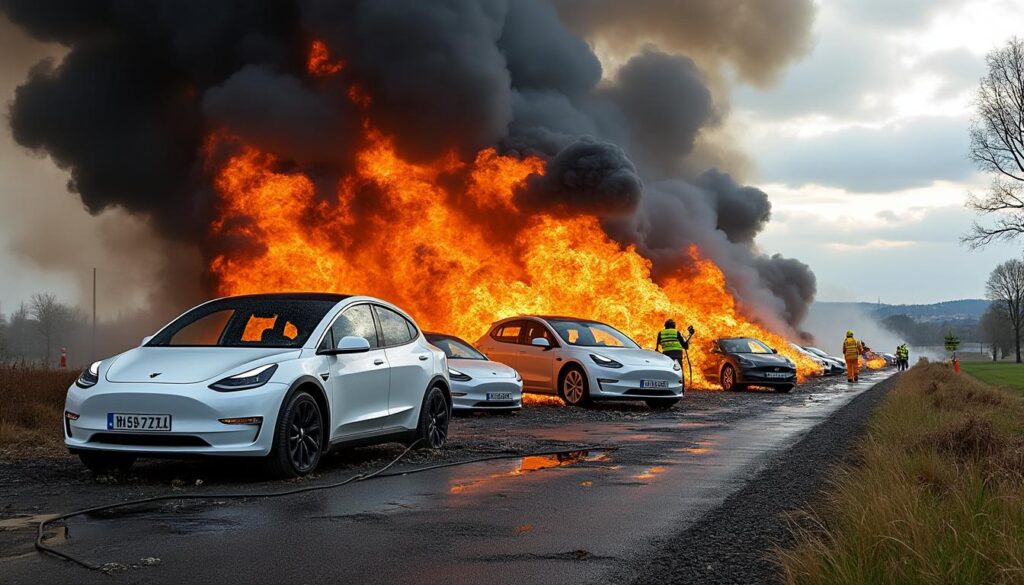

Near Arras, a significant event occurred on June 15, 2025, when more than 30 vehicles, including hybrid and electric models, fell prey to a devastating fire. This disaster raised questions about the safety of electric cars and the measures taken to combat this type of fire. It is essential to understand the issues related to these vehicles, as well as the challenges faced by firefighters during such incidents.
The spectacular fire in Wancourt: an unprecedented event
On the morning of June 15, at 7 a.m., the small municipality of Wancourt, located near Arras, was shaken by a significant fire that affected about thirty cars. The car wrecking yard "Négoce Auto" was the site of this disaster. The dispatch of firefighters, composed of 42 men from Arras, Vitry, Liévin, and Hénin-Beaumont, testifies to the scale of the incident.
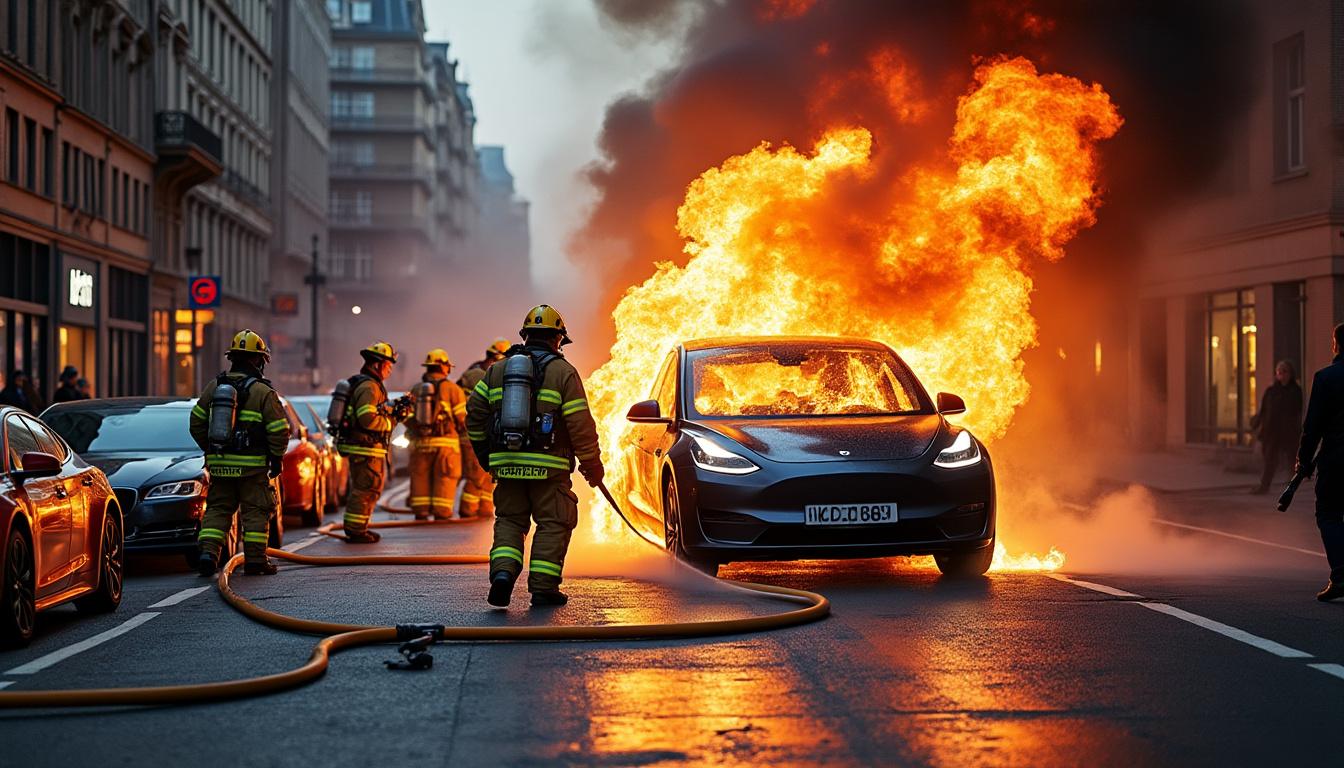
The speed of intervention by the firefighters allowed them to bring the fire under control in less than an hour, without any casualties or damage to adjacent infrastructures. The use of three fire hoses was necessary to extinguish the flames, which were concentrated primarily on the batteries of the vehicles, a major concern for firefighters tackling automobile fires.
The main models affected: Renault, Peugeot, and other brands
The vehicles involved in this incident included several models from well-known brands, notably Renault, Peugeot, Citroën, as well as vehicles from other manufacturers such as Tesla, BMW, Volkswagen, Nissan, Hyundai, Kia, and Fiat. This diversity highlights the scale of the fire that spared no iconic brands in the contemporary automobile sector.
This type of fire raises crucial questions about the safety of electric and hybrid cars. As statistics indicate, electric vehicles do not present a higher fire risk than their thermal counterparts, specifying that over a ten-year period, 0.1% of thermal cars caught fire compared to only 0.0012% of electric vehicles. However, the consequences when a fire breaks out are often much more dramatic due to the presence of lithium-ion batteries.
The characteristics of electric vehicle fires
An electric vehicle fire presents unique challenges compared to a thermal vehicle fire. Indeed, the heat generated by the batteries can be much more intense and last longer. Among the factors increasing the fire risk of electric vehicles are:
- Battery failure: A failing battery can cause short circuits or overheating, leading to combustion.
- Physical impact: Accidents involving a collision can damage the battery cells, triggering a fire.
- Extreme temperatures: Weather conditions can influence battery behavior, making their management more complex.
It is therefore essential for firefighters to prepare for these challenges by training specialized teams and using appropriate equipment.
The challenges faced by firefighters in these incidents
Fighting electric vehicle fires requires specific methods. During the Wancourt fire, for example, firefighters used a thermal camera to measure the temperature of the batteries to ensure that the area was completely secured after the fire was extinguished. This is a crucial step because even after extinguishing, a battery can still be hot and prone to re-igniting the fire.

New safety protocols for electric vehicle fires
In response to the increase in incidents involving electric cars, fire services have implemented new protocols. These measures include:
- Training firefighters: Specialized workshops are organized to educate firefighters on the specifics of electric fires.
- Detection devices: The integration of heat detectors and temperature measurement devices near vehicles.
- Appropriate extinguishing equipment: The use of specific chemicals to extinguish lithium-ion battery fires.
These protocols have been established based on the experience gained from past fires, such as the fire at a Citroën dealership in Moselle, which caused significant damage, or incidents experienced in Ajaccio involving electric vehicles.
| Event | Location | Date | Consequences |
|---|---|---|---|
| Fire in Wancourt | Wancourt, near Arras | June 15, 2025 | More than 30 vehicles affected, no injuries |
| Damage to a Citroën dealership | Forbach, Moselle | 2021 | Significant material damages |
| Fire involving electric vehicles | Ajaccio | 2022 | Total destruction of several vehicles |
Lessons learned from these events have led to better management of emergency situations related to these types of vehicles, thus strengthening the intervention capabilities of firefighters in always complicated conditions.
Exploring the causes of electric vehicle fires: the Renault Zoé in the spotlight
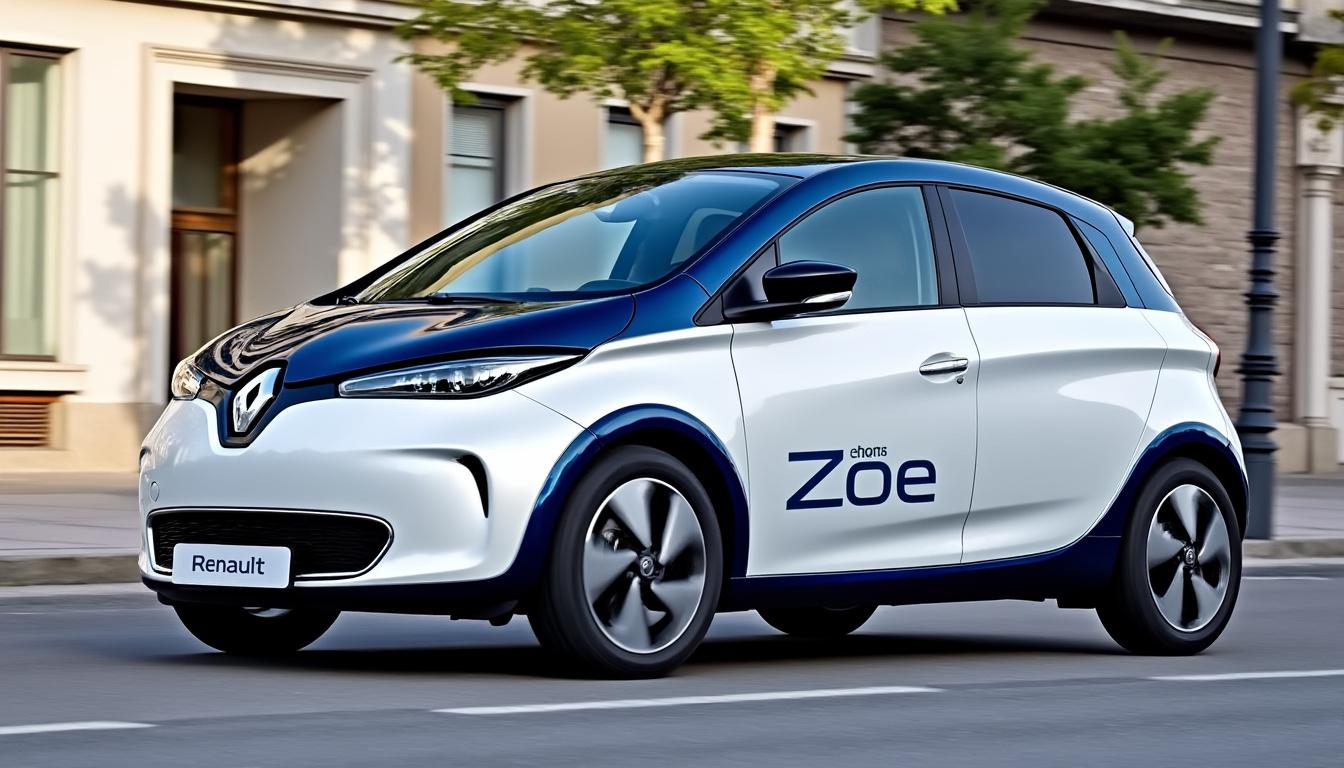
According to initial investigations conducted by the gendarmerie, the origin of the fire in Wancourt could be linked to a Renault Zoé, and more specifically to its battery. An investigation has been launched to determine the exact circumstances of this incident. Such attention to this particular brand, which is a reference in the electric market, raises questions about the safety standards of lithium-ion batteries, whether for Renault, Tesla, or other brands like BMW and Volkswagen.
The stakes of lithium-ion battery safety
Lithium-ion batteries, while efficient, carry risks associated with fires. Here are the main stakes:
- Overheating: A sudden overheating can cause thermal leaks, leading to a fire.
- Water resistance: The waterproofing of batteries against water can be a weak point in flood-related fires.
- Unsafe handling: Inadequate management of used batteries can pose a fire risk.
Thus, implementing strict safety standards becomes crucial to ensure that the batteries used in these vehicles are secure and do not pose a public danger.
The future of electric vehicles in the face of fires: perspectives and innovations
While enthusiasm for electric cars continues to grow, it is imperative to keep monitoring and improving battery safety. Indeed, technological innovations continue to emerge, enhancing the safety of electric vehicles. Design updates to ensure better heat dissipation, protective panels to minimize the impact of an accident, or alternative materials for batteries are being explored.

The necessity of increased awareness
Moreover, an awareness effort around electric vehicles is necessary, both for consumers and emergency responders. Having a better understanding of the associated risks can better prepare us. This includes:
- An enhanced education for users: Information campaigns for electric vehicle owners on best practices to adopt.
- Training for fire services: Training sessions to teach the best firefighting techniques for battery fires.
- Collaboration with manufacturers: Proactively working with car manufacturers to develop systems for detecting potential problems.
Recent events, such as the one in Wancourt, illustrate the importance of ongoing awareness and continuous actions needed to ensure the safety of all road users.
Si vous souhaitez lire d'autres articles tels que Near Arras, a fire affects more than 30 electric and hybrid vehicles, consultez la catégorie Non classé.
-
Clovis Meunier says:
Cet incident soulève vraiment des inquiétudes sur la sécurité des voitures électriques.
-
Ce feu soulève des interrogations légitimes sur la sécurité des véhicules électriques.
-
Cet incendie soulève vraiment des questions sur la sécurité des voitures électriques.
-
Cet incendie soulève de vraies inquiétudes sur la sécurité des véhicules électriques.
-
Cet incident met en lumière les risques associés aux véhicules électriques, une préoccupation croissante.
Leave a Reply to Clovis Meunier Cancel reply
Articles relatifs