Navigating between Corsica and the mainland: are electric cars excluded from ferries?

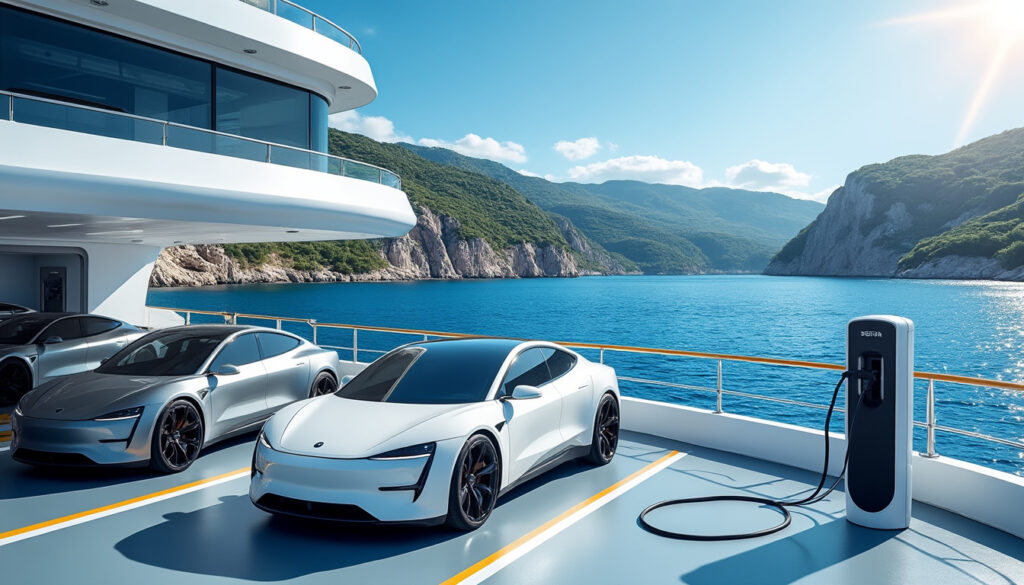

For several years, the issue of energy transition has become a crucial concern for many regions, particularly for islands like Corsica, where the use of electric vehicles is on the rise. Nevertheless, this trend poses specific challenges, especially concerning maritime transport. The potential exclusion of certain electric cars from the ferries connecting Corsica to the mainland reflects growing safety concerns. This article examines the reasons for these concerns, the current standards, and the future prospects for maritime transport on the island.
The safety concerns surrounding electric cars
The safety concerns related to electric vehicles during their maritime transport are increasingly highlighted. Indeed, these vehicles, equipped with lithium-ion batteries, may pose fire risks in the event of an accident or overload. The complexity of extinguishing these fires has led some experts to question the safety of their transport by ferry. For example, Paul Cardelli, a former engineer, recently launched a petition to temporarily ban the boarding of these vehicles on the ferries connecting Corsica to the mainland. His initiative aims to spark a debate on the safety measures to be taken in this context.
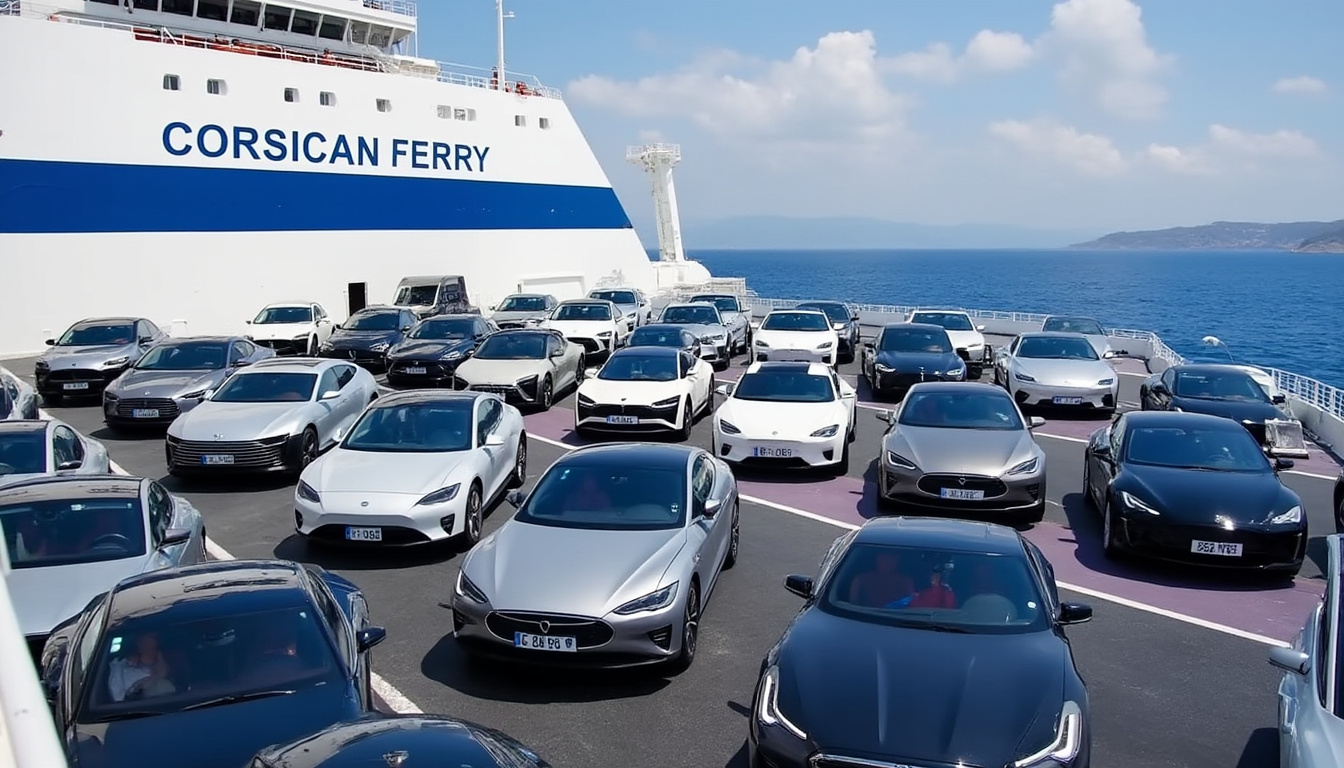
In emergency situations, fires related to lithium-ion batteries are more challenging to control than those from traditional vehicles. This leads maritime companies to reconsider their boarding policies. In the past, fires on ferries have shown the challenges associated with electric cars, prompting companies like La Méridionale to adopt restrictions regarding the allowable charge levels.
Maritime transport modes facing the electric challenge
Currently, there is no specific national regulatory framework governing the transport of electric vehicles on ferries in France. This raises questions about the safety of passengers and staff on board. In 2025, as electromobility continues to grow, maritime companies such as Corsica Ferries, Corsica Linea, and Brittany Ferries must anticipate future regulations.
- No specific legislative framework is in force.
- The companies are taking the initiative to reduce charges to minimize risks.
- The companies are considering additional training for staff on extinguishing electric fires.
These initiatives aim not only to protect passengers but also to limit the economic impacts that accidents could generate. Fire safety on board has become a priority in choosing protocols for boarding electric vehicles.
| Maritime Companies | Restrictions for electric vehicles | Adopted safety measures |
|---|---|---|
| Corsica Ferries | Not specified | Training for staff |
| Corsica Linea | Charge at 30% maximum | Verification of charge levels |
| La Méridionale | Preferences on boarding | Anticipation of future regulations |
The environmental challenges related to maritime transport in Corsica
Corsica, as an island, is particularly vulnerable to climate change and must face various environmental challenges. The increased use of electric cars could help reduce the carbon footprint of the local car fleet. However, this must be accompanied by a reflection on maritime transport and how to integrate these new vehicles into a sustainable ecosystem.
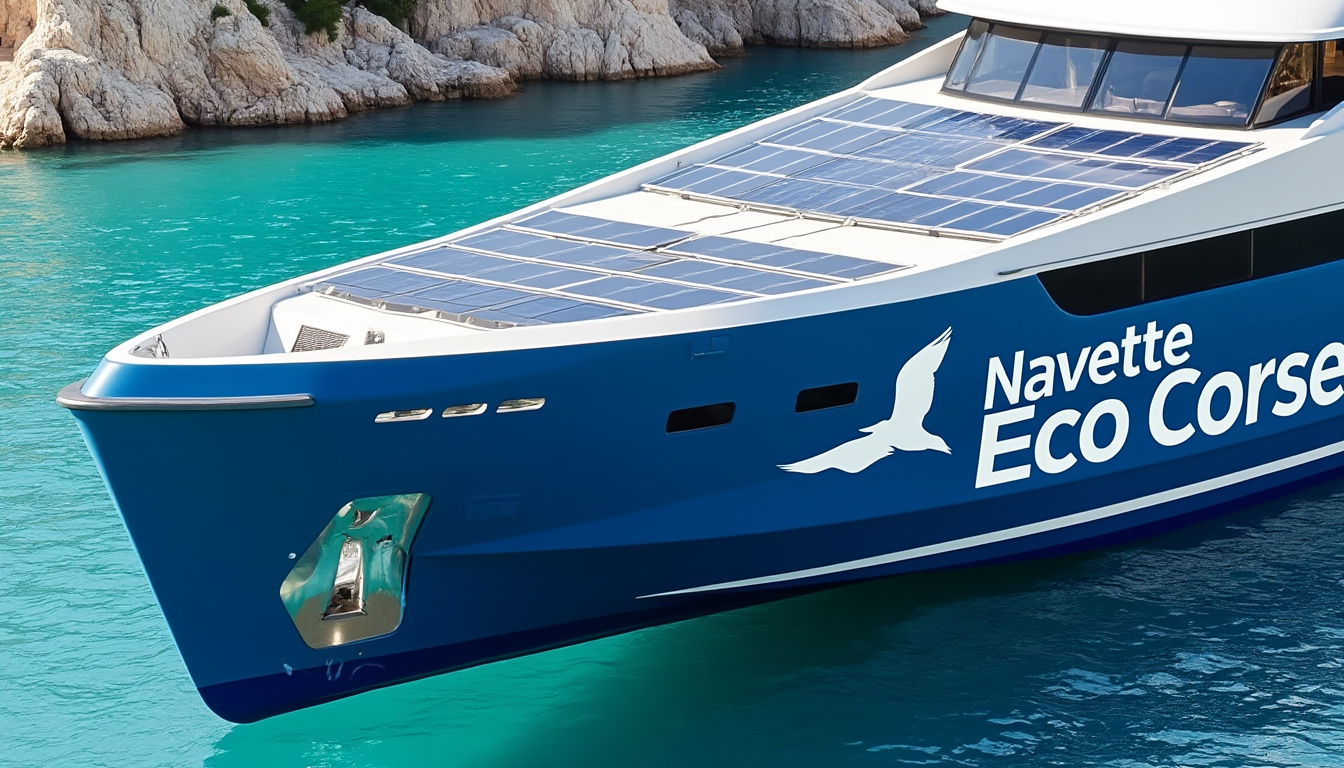
Maritime transport remains essential for connecting the island to the mainland, but maritime transports must be reconsidered to include safety standards adapted to electric vehicles. A good example is the initiative taken by Naval Group, which is studying innovative projects such as the Electric Boat and the Eco-Ferry to reduce environmental impact while ensuring enhanced safety.
A transition to sustainable mobility
To promote this transition, the government and maritime companies must commit to several principles:
- Strengthening port infrastructures for the accommodation of electric vehicles.
- Developing recharge systems on ferries to maintain optimal autonomy for trips.
- Promoting awareness campaigns on the safe use of electric vehicles on board ferries.
By integrating these measures, it is possible to support the transition towards a greener Corsica while protecting passengers and maritime staff.
| Transition Objectives | Actions to be implemented |
|---|---|
| Reduction of the carbon footprint | Develop the use of electric vehicles |
| Reinforcement of safety | Install appropriate fire management systems |
| Promotion of awareness | Inform the public about the risks related to batteries |
The impact of new regulations on maritime companies
As electromobility becomes more widespread, the regulatory framework must necessarily evolve. Maritime companies must remain vigilant to changes that may occur legally, while innovating to ensure the safety of passengers and staff. Indeed, companies like Corsica Linea and La Méridionale are taking the lead by applying load restrictions and systematic checks of electric vehicles.

These efforts help reduce the risks associated with electric vehicles while maintaining essential connections to Corsica. However, implementing safety measures requires considerable investment. According to a market study, the cost of adapting ferries for the transportation of electric vehicles could reach millions of euros.
The need for increased cooperation
To address these challenges, collaboration between sector stakeholders is essential:
- Partnerships between maritime companies and fire safety experts.
- Joint research projects on battery fire extinguishing technologies.
- Involvement of regulators to establish clear guidelines.
These collaborations will ensure optimal safety while encouraging the integration of renewable energies into maritime transport.
| Potential Partners | Role |
|---|---|
| Maritime Companies | Adapt boarding protocols |
| Research Institutions | Innovations in safety |
| Government | Establish a clear legislative framework |
The future prospects for electric maritime transport in Corsica
By 2025, maritime transport in Corsica could undergo a major transformation, with the emergence of innovative solutions for the transport of electric vehicles. Companies like Brittany Ferries and Corsica Ferries are already exploring projects focused on sustainability and safety. The implementation of hybrid or fully electric ferries could, in the coming years, limit environmental impact while facilitating crossings between the mainland and Corsica.
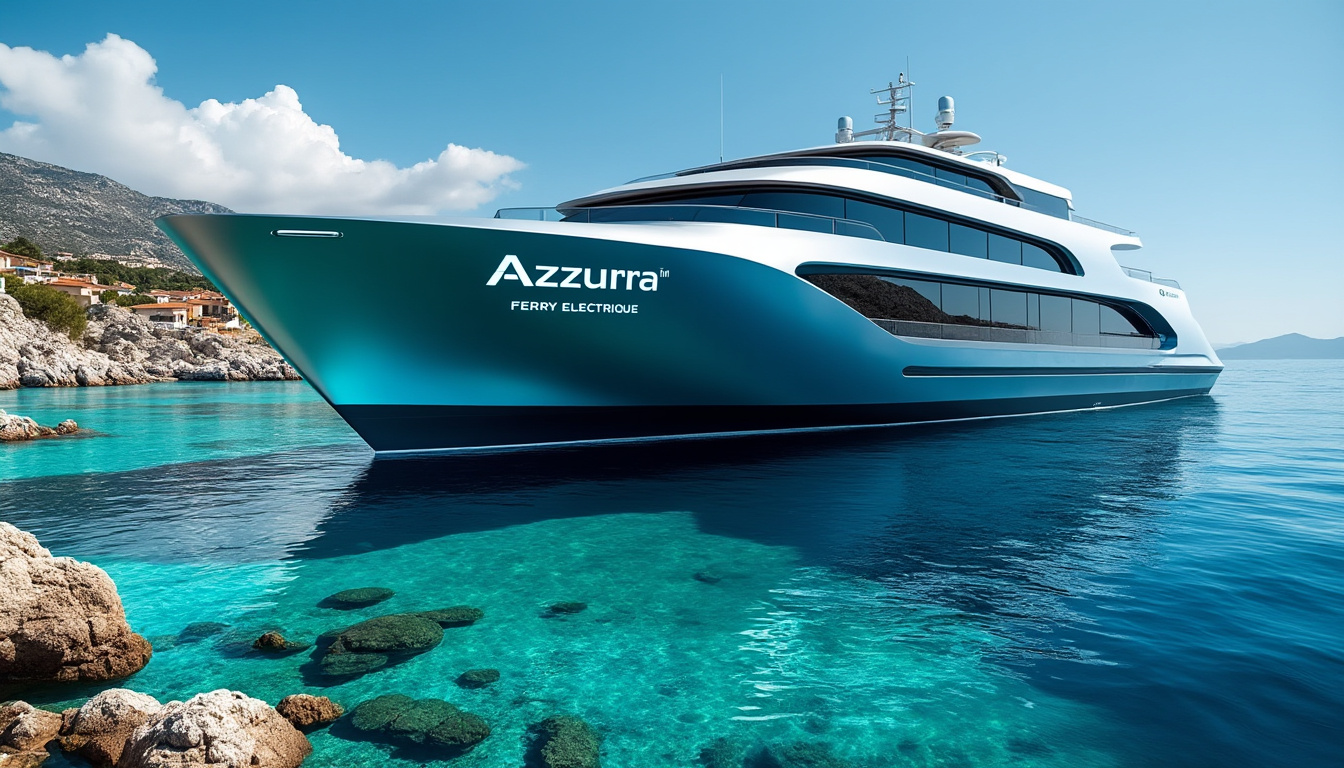
At the same time, increased awareness around the use of electric vehicles can contribute to better acceptance by the public and passengers. These initiatives must be strengthened to ensure optimal ferry operations while preserving the safety and well-being of users.
Innovations to watch in the maritime sector
Many innovations could disrupt maritime transport destined for Corsica:
- Advanced battery technologies, allowing shorter charging times.
- Automatic extinguishing systems specifically designed for lithium-ion batteries.
- Hybrid and electrified ferries, reducing greenhouse gas emissions.
These innovations represent crucial stakes in the short and medium term, and could transform the maritime transport landscape around Corsica.
| Innovation | Expected Impact |
|---|---|
| Advanced Batteries | Reduction of charging times |
| Extinguishing Systems | Improved safety |
| Eco-friendly Ferries | Reduction of emissions |
The current dynamics between the need to increase the use of electric vehicles and safety issues imply a shift in maritime transport towards a more holistic and sustainable approach. It is by combining innovation and safety reflection that transport between Corsica and the mainland can adapt to future challenges.
Si vous souhaitez lire d'autres articles tels que Navigating between Corsica and the mainland: are electric cars excluded from ferries?, consultez la catégorie Non classé.
-
Némo Balthazar says:
Les défis liés aux voitures électriques sur les ferries demandent des solutions innovantes et sécurisées.
-
L'avenir du transport maritime à Corsica est fascinant, mais la sécurité doit rester la priorité.
-
Il est essentiel de penser à la sécurité des véhicules électriques sur les ferries.
-
La sécurité des véhicules électriques en mer est vraiment préoccupante. Des solutions doivent être trouvées rapidement.
-
Il est essentiel d'assurer la sécurité tout en soutenant la transition vers les véhicules électriques.
Leave a Reply to Lysandre Mahé Cancel reply
Articles relatifs