more than a quarter of the cars sold in the world this year will be electric, thanks to the continued growth of electric vehicle sales

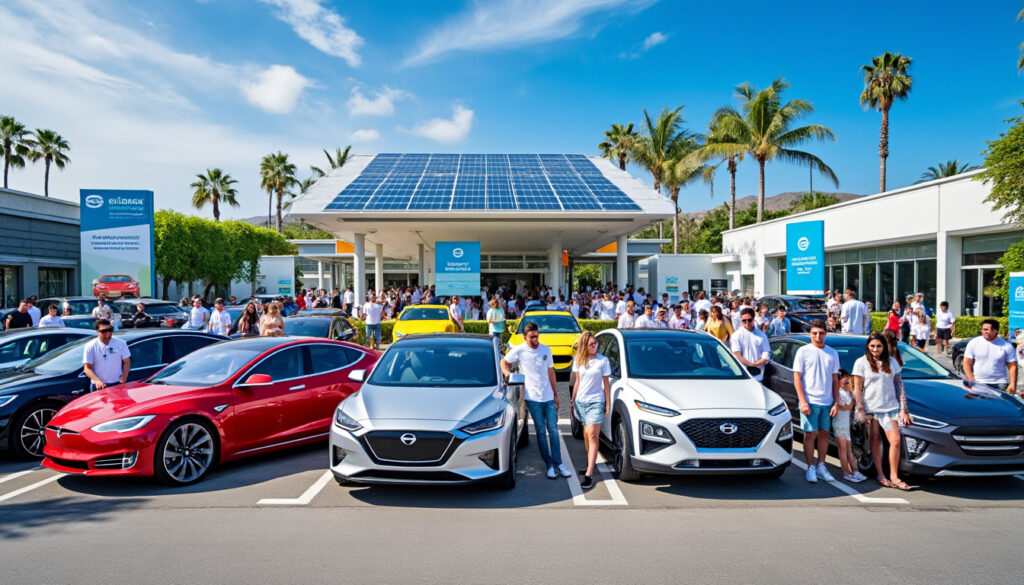

The trend towards electric vehicles (EVs) is intensifying, with significant implications for the global automotive industry. Experts predict that by 2025, more than a quarter of cars sold worldwide will be electric. This transition to electric is driven by technological innovations, decreasing costs, and favorable government policies, which are attracting an increasing number of consumers towards these more sustainable alternatives.
Electric Vehicle Sales Statistics: A Significant Leap
The sales figures for electric vehicles show remarkable momentum. According to the latest report from the International Energy Agency (IEA), electric car sales have reached historic highs. In 2024, over 17 million electric cars were sold worldwide, marking the first time that the share of EVs surpassed 20% of total sales.
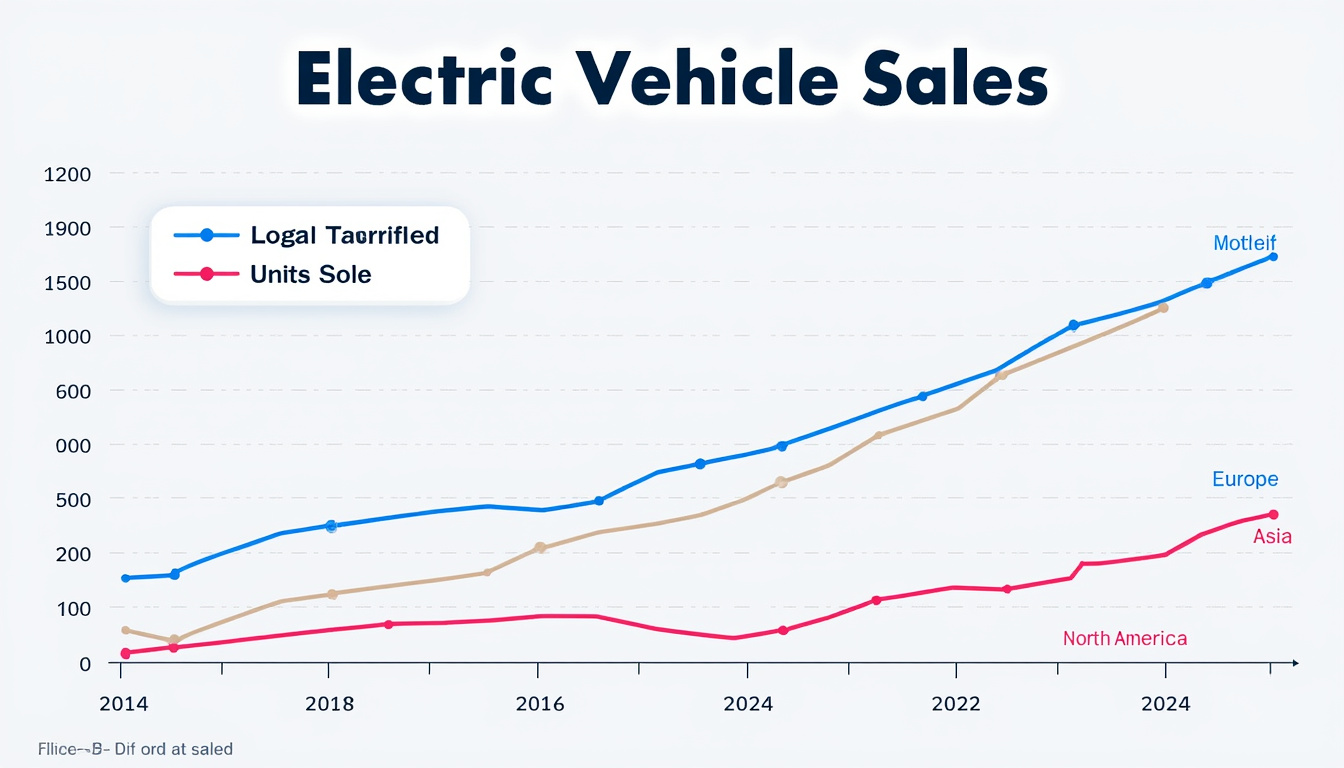
The forecasts for 2025 are even more promising, with estimates exceeding 20 million units sold. This progress is fueled by several factors:
- Technological Progress: Advances in battery technologies have helped reduce costs and increase the range of electric vehicles.
- Price Reductions: The prices of electric cars continue to decline, making these vehicles more accessible to consumers.
- Government Initiatives: Many governments encourage the adoption of EVs through subsidies and favorable policies.
In China, the rise in EV sales has been particularly pronounced, with electric models accounting for nearly 50% of car sales in 2024. This trend has been facilitated by aggressive strategies from manufacturers such as Tesla, BYD, and NIO, who have succeeded in capturing the market with competitive pricing.
| Year | Global EV Sales (millions) | EV Market Share (%) |
|---|---|---|
| 2022 | 10 | 10% |
| 2023 | 14 | 15% |
| 2024 | 17 | 20% |
| 2025 (forecast) | 20 | 25% |
The growth in sales reflects a shift in mindset among consumers, who are increasingly opting for environmentally friendly solutions. As a result, automotive brands like Renault, Nissan, and BMW are ramping up efforts to expand their electric model ranges to meet this growing demand.
Why Electric Vehicles Are Becoming More Popular
The rise of electric cars can be explained not only by numbers but also by changes in consumer perceptions and policies. On one hand, a growing awareness of environmental issues drives users to seek more sustainable alternatives. On the other hand, technological advancements and government initiatives play a crucial role.
The advantages of electric vehicles are numerous:
- Reduction of Carbon Footprint: The shift to electric helps reduce greenhouse gas emissions, a central issue in the fight against climate change.
- Lower Operating Costs: Electric cars have generally lower maintenance and energy costs than combustion vehicles.
- Tax Incentives: Many countries offer tax credits or subsidies for the purchase of EVs, making their acquisition more attractive.
Car manufacturers like Volkswagen and Ford are adapting to this trend by making massive investments in research and development of new technologies, even considering autonomous driving systems for their electric models.
| Advantage | Description |
|---|---|
| Eco-friendly | Reduction of harmful emissions for the environment. |
| Economy | Lower maintenance and operating costs. |
| Charging Network | Ongoing development of charging infrastructure. |
This growing adoption of electric vehicles is also visible in consumer choices, as they turn to innovative brands like Hyundai and Mercedes-Benz, known for their high-performing and luxurious electric cars. This shift is symptomatic of a larger transformation in the automotive industry, which must now take into account the environmental and economic priorities of consumers.
Challenges Ahead for the Electric Vehicle Industry
Despite their increasing popularity, electric vehicles face a series of challenges that could hinder their large-scale adoption. Among these are battery costs, charging infrastructure, and public perception.
The main challenges include:
- Battery Costs: Although prices have decreased, the high cost of batteries remains a barrier for many potential consumers.
- Charging Infrastructure: The lack of charging stations, particularly in rural areas, complicates the daily use of EVs.
- Negative Perceptions: Some people fear being stranded due to battery failure or having difficulty finding available charging infrastructure.
Efforts are being made to overcome these obstacles. For example, companies like Audi and Peugeot are establishing more extensive charging networks. According to recent studies, nearly 40% of electric vehicle sales by 2030 could come from emerging markets, provided the infrastructure keeps pace, not to mention the constant improvement in battery technologies, such as those developed by CATL, which promise more efficient storage solutions.
| Challenge | Description | Potential Solutions |
|---|---|---|
| Battery Prices | High costs that impact the final price of the vehicle. | Research for new battery technologies. |
| Infrastructure | Limited accessibility to charging points. | Development of more accessible and faster charging stations. |
| Perception | Concerns related to autonomy and failures. | Awareness campaigns and customer support services. |
It is therefore crucial for the automotive industry, alongside governments and institutions, to find ways to improve these aspects for broader adoption of electric vehicles. The road to complete energy transition is paved with challenges, but the opportunities are equally vast.
The Future of Electric Vehicles: Trends and Innovations
Looking ahead, several trends and innovations are set to redefine the landscape of electric vehicles. With the rise of environmental concerns, investments in research and development of sustainable alternatives seem to be expanding.

Key innovations to watch include:
- Next-Generation Batteries: Research is focusing on sodium-based batteries, solid-state battery technologies, and fast charging solutions, which could transform the market.
- Artificial Intelligence: The integration of AI into autonomous driving offers new perspectives for an enhanced user experience, pushing brands like Tesla to innovate continuously.
- Renewable Energy: Vehicles not only consume less but could also contribute to energy grids by storing energy produced by renewable sources.
As companies like Ford, Volkswagen, and Hyundai announce record investments in these technologies, the future of electric vehicles looks promising, with a transition towards greener and more efficient models on the horizon. This movement towards electric could reshape the automotive industry as we know it.
| Trend/Innovation | Description | Potential Impact |
|---|---|---|
| Next-Generation Batteries | Development of higher-performing and durable batteries. | Increased range and reduced costs. |
| Artificial Intelligence | Improvement of autonomous driving technologies. | Increased safety and better user experience. |
| Renewable Energy | Using EVs to store and return energy. | Better integration of renewable energies. |
The synergy between technology, regulation, and consumer education is essential to maintaining this momentum. To navigate this transformation, mutual dialogue between industry stakeholders, governments, and consumers is indispensable.
Si vous souhaitez lire d'autres articles tels que more than a quarter of the cars sold in the world this year will be electric, thanks to the continued growth of electric vehicle sales, consultez la catégorie Non classé.
-
Elinor Vassal says:
Les véhicules électriques semblent vraiment prometteurs pour un avenir plus durable.
-
Les voitures électriques représentent un avenir prometteur, mais des efforts sont nécessaires pour surmonter les défis.
-
La montée des véhicules électriques est fascinante et nécessaire pour notre environnement.
-
C'est incroyable de voir la montée des véhicules électriques, j'ai hâte de voir comment cela évolue !
Leave a Reply to Elowen Tarquin Cancel reply
Articles relatifs