Mitsubishi is exploring new avenues by distancing itself from Renault for its electric vehicles.

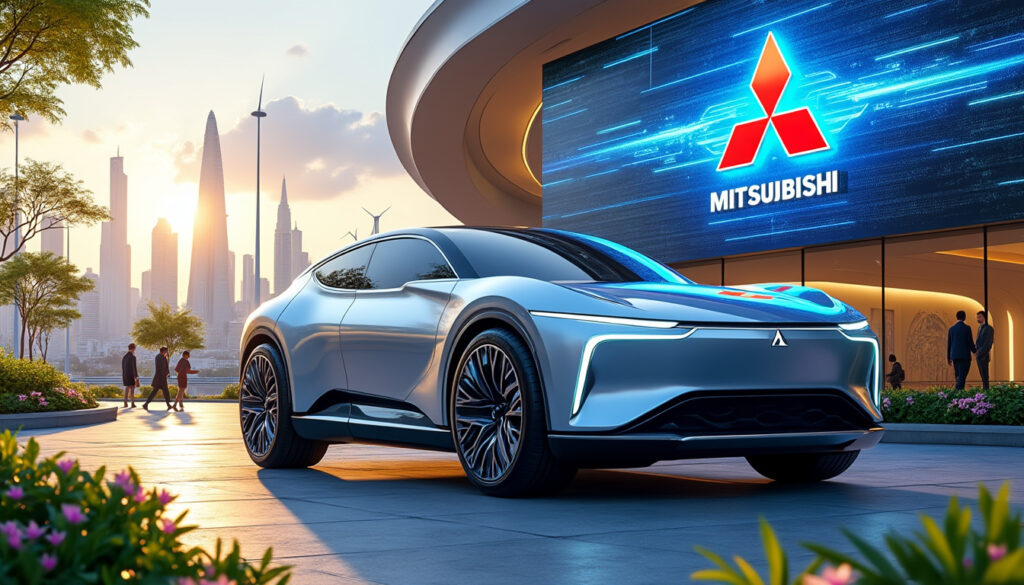

In an ever-evolving automotive sector, Mitsubishi is making a decisive turn for its future in sustainable mobility and electric vehicles. As collaborations with partners, like Renault, shape the landscape of the industry, the Japanese brand stands out with its willingness to offer innovative models while asserting its independence. With ambitious projects and strategic partnerships, Mitsubishi appears determined to firmly establish itself in the electric vehicle market.
Mitsubishi and Renault: An Evolving Partnership
The link between Mitsubishi and Renault has been a cornerstone since the formation of the Renault-Nissan-Mitsubishi Alliance. However, recent developments show that Mitsubishi intends to explore new avenues while continuing to benefit from synergies with Renault. These collaborations, although still present, now take a different form with a stronger emphasis on technological autonomy.
With the upcoming release of various models, including the 100% electric SUV inspired by the Renault Scénic E-Tech Electric, Mitsubishi plans to strengthen its lineup while emphasizing its own design and brand image. This does not mean that the collaboration with Renault is relegated to the background. On the contrary, it is part of an innovation strategy where Mitsubishi strives to stand out without relinquishing the opportunities offered by this alliance.
The Synergies Between Mitsubishi and Renault
The benefits of collaboration between Mitsubishi and Renault are undeniable. This synergy is manifested through the sharing of technologies, platforms, and expertise, allowing Mitsubishi to access critical resources for the development of its electric vehicles. For example:
- The city car Colt, which is a model derived from the Renault Clio, demonstrates how Mitsubishi utilizes the technical foundations of its partner while adding its distinctive touch.
- The ASX SUV, now a clone version of the Renault Captur, also illustrates this approach, drawing on proven designs while adapting to its respective markets.
- The common CMF-B platform used for new models allows for cost optimization while ensuring cutting-edge technology.
In 2025, integration and innovation efforts should enable Mitsubishi to launch several attractive electric models, relying on proven designs while adding exclusive features that meet the specific needs of consumers.
| Model | Platform | Collaboration with Renault |
|---|---|---|
| Mitsubishi Colt | CMF-B | Based on Renault Clio |
| Mitsubishi ASX | CMF-B | Inspired by Renault Captur |
| Mitsubishi Scénic E-Tech Electric | CMF-EV | Collaborative electric model |
This dance between collaboration and independence is at the heart of Mitsubishi's strategy, and the brand seems well-prepared to navigate a rapidly changing market. The desire to offer vehicles that are not only high-performing but also environmentally friendly is at the center of its priorities.

A Renewed Identity: Mitsubishi’s Strategy for the Future
As part of its innovation strategy, Mitsubishi is not limiting itself to its collaborations with Renault. Moving towards a more distinct identity, the Japanese brand plans to develop its own electric models by partnering with other industry players. A significant example of this approach is its partnership with Foxtron, an innovative Taiwanese manufacturer.
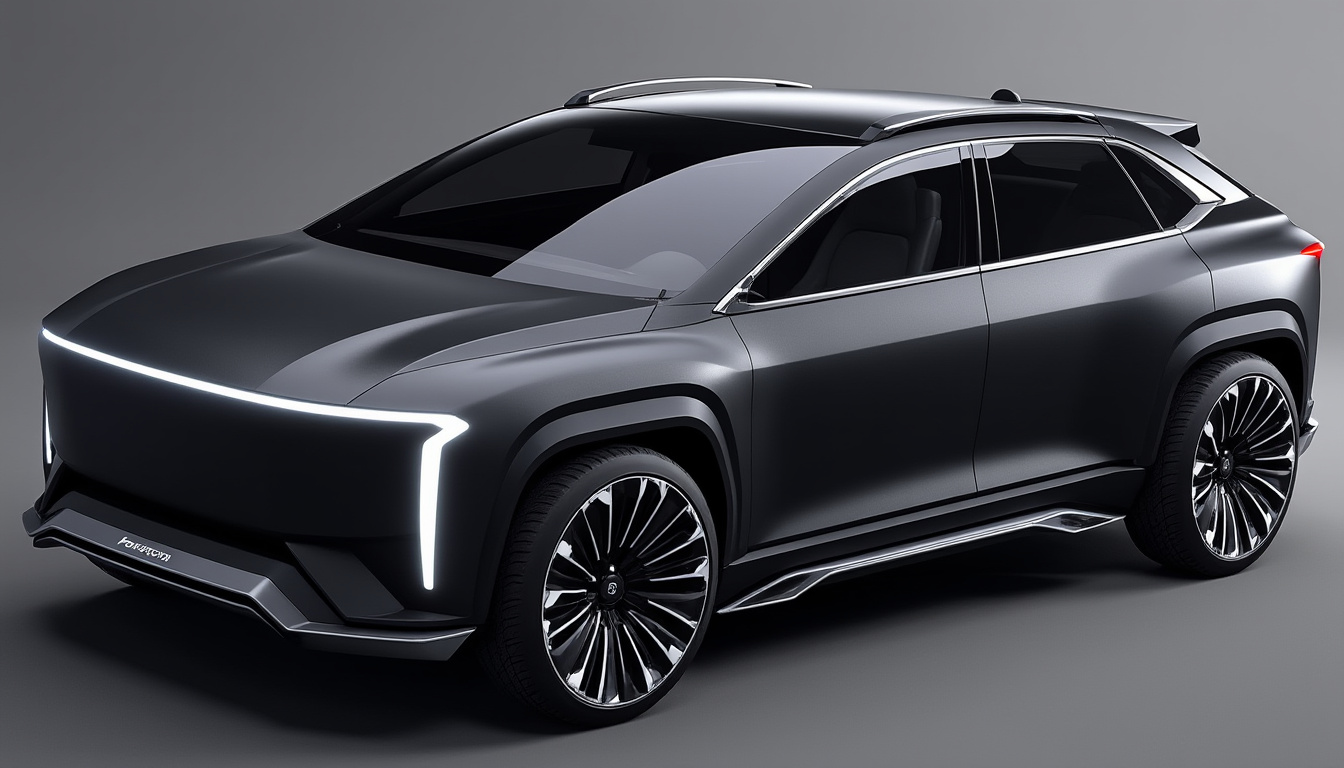
This model, designated as Foxtron Model B, will be rebadged under the Mitsubishi brand for the Australian market. With potentially similar exterior design, the new electric car measuring 4.32 meters long will incorporate 60 kWh batteries, thus offering a reasonable range for the targeted clientele. This illustrates how Mitsubishi is exploring partnerships in specific regions to maximize its growth opportunities.
The Partnership with Foxtron: A Strategic Opportunity
Mitsubishi’s decision to collaborate with Foxtron underscores the importance of strategic alliances in the development of electric vehicles. By entering the Australian market with a new electric SUV, Mitsubishi demonstrates its ability to leverage various partnerships to enrich its range. This choice fits into a broader vision of diversification and independence, where each partnership is carefully selected based on the characteristics of the target market.
- Why Foxtron: Foxtron, founded by Foxconn, is committed to automotive production focused on electrification, thus offering valuable technical expertise to Mitsubishi.
- Target Market: The selection of Australia as a first step reflects Mitsubishi’s ambition to conquer new markets by focusing on the specific needs of local consumers.
- Innovation: This initiative goes beyond mere rebadging, involving the adaptation of technology and designs to meet the desires of Australian customers.
By progressively distancing itself from traditional models and investing in tactical partnerships, Mitsubishi hopes to solidify its reputation as an innovative brand in the electric vehicles sector.
| Elements | Details |
|---|---|
| Model | Foxtron Model B (rebadged as Mitsubishi) |
| Dimensions | 4.32 meters long |
| Battery Capacity | 60 kWh |
| Market | Australia |
The pursuit of autonomy and innovation is the guiding thread of Mitsubishi's evolution, positioning it as a flexible and responsive player in the face of challenges in the global automotive industry.
Highlighting Technology and Ecology
Mitsubishi has decided to boost its image by emphasizing ecological and technological values. These values are at the core of the design of its future models, a clear response to the growing demand for sustainable mobility solutions. The importance of transitioning to electric cannot be underestimated, especially in a world seeking to reduce its carbon footprint.
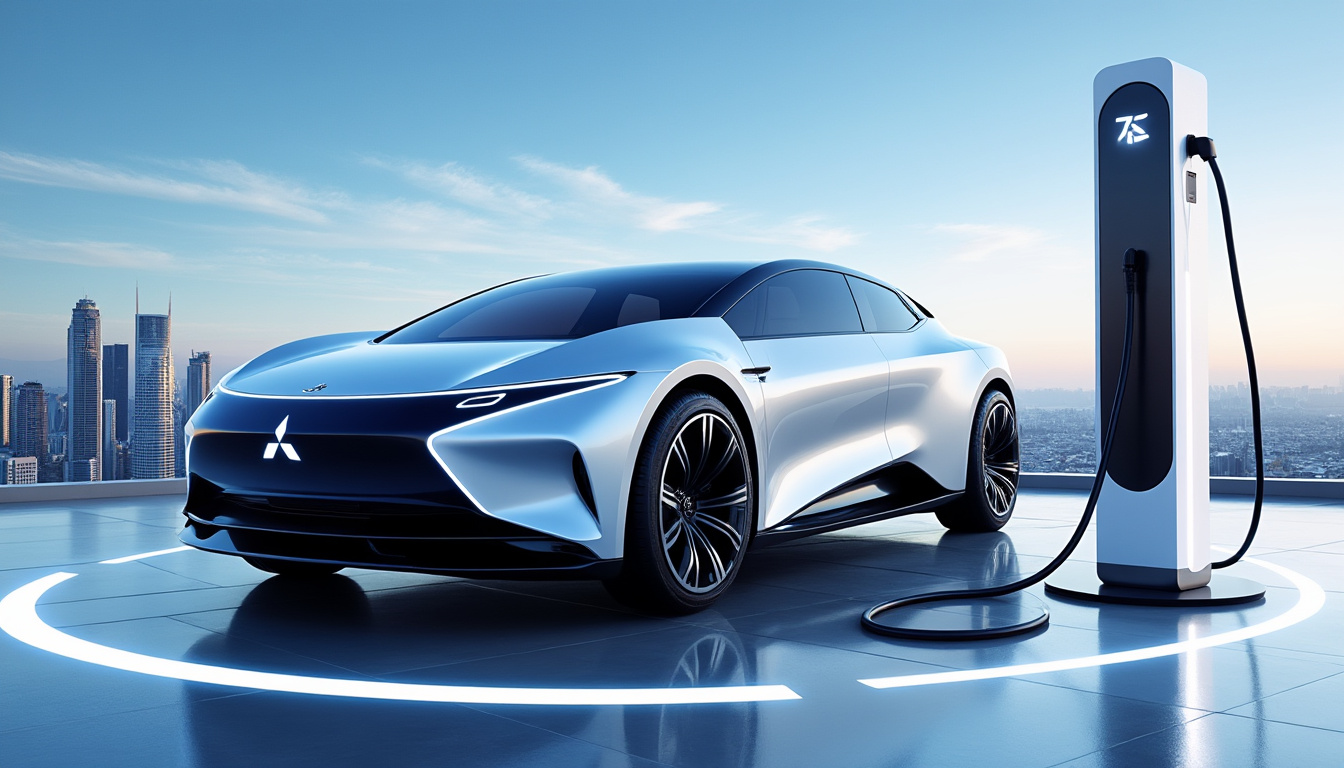
Recent developments demonstrate Mitsubishi's commitment to revolutionizing the industry through innovation. The pursuit of sustainability includes not only the production of electric vehicles, but also the integration of green technologies in manufacturing.
Commitment to Ecology and Innovation
In the coming years, Mitsubishi plans to intensify its efforts to produce even more efficient and environmentally friendly electric vehicles. To illustrate this commitment, here are some ongoing initiatives:
- Improving Energy Efficiency: Future Mitsubishi models will rely on cutting-edge technologies to optimize energy consumption while maintaining satisfactory power.
- Sustainable Materials: The use of recyclable and sustainable materials in production aims to reduce the environmental impact of vehicles.
- Charging Infrastructure: The brand is also working to develop a robust charging network for its customers, thereby facilitating the transition to sustainable mobility solutions.
This strategy marks a monumental shift in modern automotive production, and Mitsubishi is determined to establish itself as a leader in this field. Innovation and ecology are now inseparable in its vision for the future.
| Ecological Initiatives | Details |
|---|---|
| Renewable Energy | Use of renewable energy sources in manufacturing. |
| Recyclable Materials | Integration of sustainable materials to reduce environmental impact. |
| Charging Network | Establishing a charging network to promote the adoption of electric vehicles. |
This strategy positions Mitsubishi in a future where technology and ecology advance together, responding to the growing global demand for sustainable transportation solutions.
Future Perspectives and Challenges: What Issues for Mitsubishi?
Despite a favorable geometry through strategic partnerships and a solid strategy for developing new models, Mitsubishi faces several challenges in the field of electric vehicles. Market adversities, growing consumer demands, and rapid innovation impose certain pressure on the brand. However, it remains resilient and proactive.
The electric vehicle market is particularly competitive. Many brands are heavily investing in their respective technologies, complicating differentiation. Thus, Mitsubishi must navigate skillfully to stand out. Future goals include:
- Improve Brand Recognition: Establish a strong brand presence in global markets to increase visibility of new models.
- Invest in Innovation: Continue developing cutting-edge technologies and leverage emerging trends such as artificial intelligence.
- Focus on Sustainability: Strengthen measures to reduce the carbon footprint of manufacturing processes and vehicles.
Overall, Mitsubishi demonstrates an ability to adapt and anticipate the challenges posed by industry giants. The challenges of a rapidly changing world can be managed through a solid strategic vision. Recent events confirm that the brand is on the path to reinventing its identity while navigating towards sustainability.
| Future Challenges | Details |
|---|---|
| Increased Competition | Strategies to stand out in a saturated market. |
| Brand Dynamics | Need for strong visibility for new launches. |
| Ecology and Sustainability | Reducing carbon footprint and green innovation in production. |
By cultivating a clear ambition and diverse partnerships, Mitsubishi positions itself as a key player in the transition towards a greener and future-oriented automotive industry.
Si vous souhaitez lire d'autres articles tels que Mitsubishi is exploring new avenues by distancing itself from Renault for its electric vehicles., consultez la catégorie Non classé.
-
Lior Mendel says:
Mitsubishi semble avoir une vision prometteuse pour l'avenir des véhicules électriques, c'est encourageant.
-
Mitsubishi semble vraiment s'engager vers un avenir plus durable avec ses nouveaux modèles électriques.
-
Mitsubishi prend une belle direction avec ses nouveaux véhicules électriques, c'est prometteur pour l'avenir.
Leave a Reply to Lior Mendel Cancel reply
Articles relatifs