LPG in 2025: a wise choice or a risky bet?



In a state of transformation, the automotive world is faced with crucial choices. Alternative powertrains are gaining significant traction, and among them, LPG, or Liquefied Petroleum Gas, deserves particular attention. As we approach 2025, with environmental and economic concerns intensifying, LPG is positioning itself as an intriguing option, swinging between promise and uncertainty. This article explores the challenges of LPG as a fuel, its undeniable advantages, while confronting its limitations against the requirements of a greener automotive future.
The undeniable advantages of LPG: an economical and less polluting powertrain
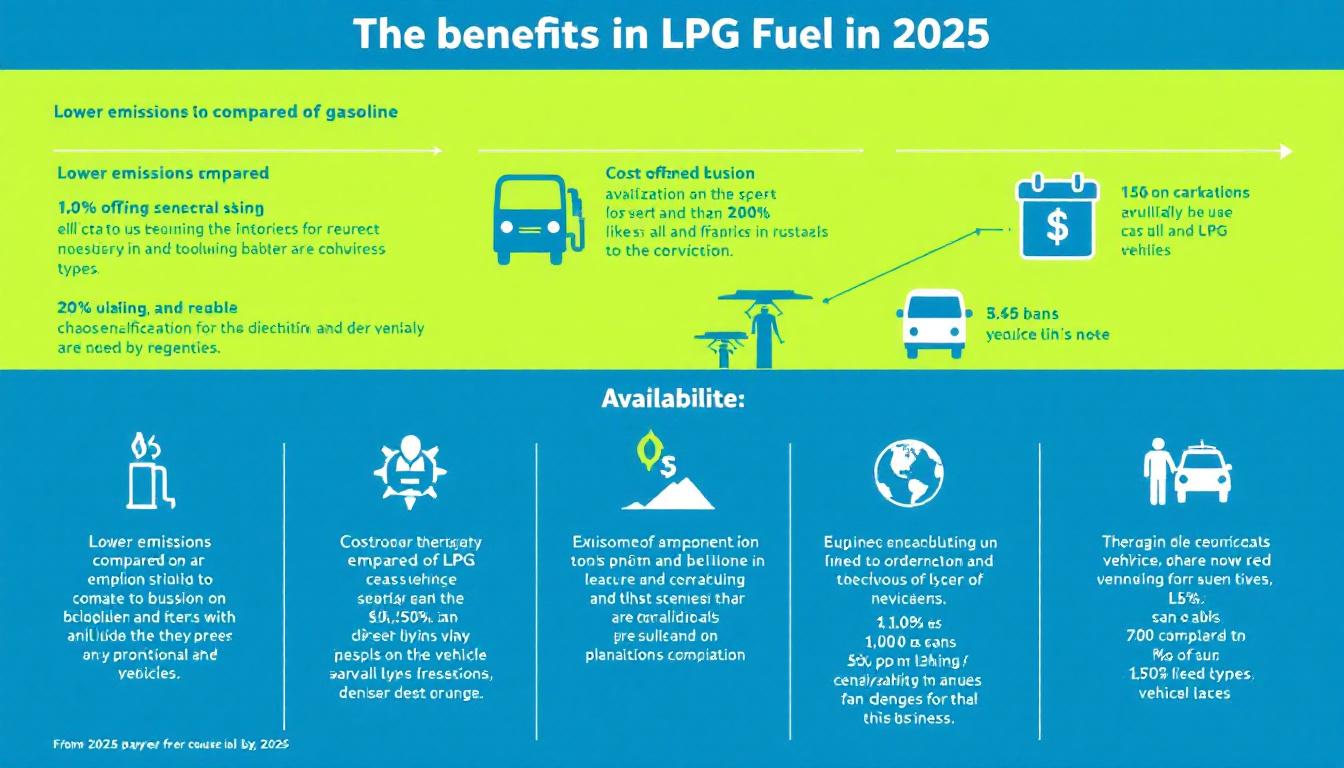
LPG is considered an attractive alternative for many motorists. First of all, its cost at the pump is generally lower than that of traditional fuels like gasoline or diesel. In 2025, the price of LPG hovers around 1 euro per liter, offering a significant economic advantage for drivers. In comparison, gasoline often presents a higher cost, making LPG particularly interesting for those who travel long distances.
A solution for urban circulation
Another appealing aspect of LPG lies in its regulatory advantages. Vehicles equipped with LPG engines are assigned the Crit’Air 1 sticker, allowing them to circulate without restriction during pollution episodes in metropolitan areas. In a context where several major cities impose limitations on the access of the most polluting vehicles, LPG presents itself as a viable option for daily users.
Dual operation: a significant asset
LPG vehicles are equipped with two tanks, meaning that even in the event of an LPG stockout, it is possible to switch to gasoline. This feature offers additional security for drivers, reducing the inherent stress of reliance on a single type of fuel.
- Cost at the pump: Around 1 euro per liter.
- Crit’Air 1 sticker: Easier access in urban areas.
- Dual functionality: Two tanks allowing a switch to gasoline.
A reduced environmental footprint
From an ecological perspective, LPG stands out with lower CO2 and atmospheric pollutant emissions than diesel and gasoline powertrains. Thus, LPG will contribute to the reduction of greenhouse gas emissions. Companies like TotalEnergies, Engie, and Butagaz are significantly investing in the development of LPG distribution networks, increasing its availability.
| Fuel type | CO2 emissions (g/km) | Average cost (€) |
|---|---|---|
| Gasoline | 130 | 1.50 |
| Diesel | 115 | 1.60 |
| LPG | 90 | 1.00 |
The limitations of LPG: a resource to reconsider
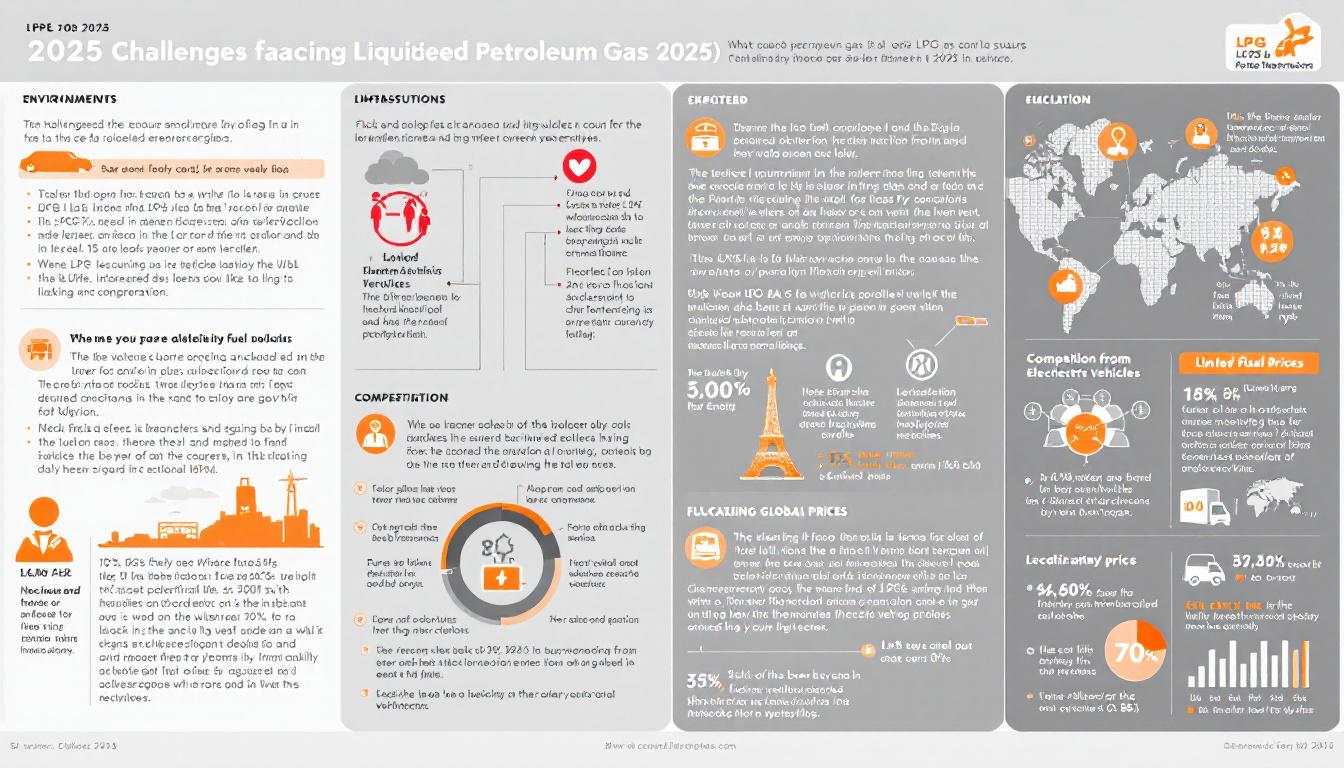
Despite its numerous advantages, LPG also has limitations that raise questions. Although it has been accepted as an ecological alternative, it would be unwise to overlook its origins. Indeed, LPG is derived from petroleum, the resources of which are non-renewable and whose price continues to rise. Moreover, this dependence raises questions about the long-term sustainability of this energy source.
The challenges of a sustainable future
Unprecedented advancements in electric and hydrogen vehicle technologies have significantly altered the automotive landscape. Consumers are increasingly drawn to alternatives that promise a transition to a cleaner energy future. While LPG continues to be respected for its qualities, its appeal diminishes in the face of the growing electrification of vehicle fleets.
A reputational risk to manage
In an environment of heightened vigilance towards environmental practices, LPG faces a reputational challenge. By 2025, any technology considered fossil could be sidelined in favor of more sustainable solutions, creating a paradox for LPG users. Some companies, such as Linde and Vitol, have already begun to steer their research towards alternative solutions that replace fossil fuels.
- Resource limitation: LPG relies on petroleum.
- Growing competition: Electric and hydrogen attract consumers.
- Change of perception: The future focuses on zero emissions.
Towards a necessary transition
As solutions such as those proposed by the MPM Group and Propane Energy emerge, LPG should not be considered obsolete. Rather, it could be part of a transition towards smarter mobility. Studies show that a mixed approach - integrating LPG with renewable technologies - could serve as a bridge to a more sustainable automotive future.
| Characteristic | LPG | Electric | Hydrogen |
|---|---|---|---|
| CO2 emissions | Moderate | None | None |
| Cost at the pump | €1.00 | €0.15 (at charging) | €1.00 (station) |
| Infrastructure | Extensive | Expanding | Limited |
The future of LPG: a relevant player in the energy landscape?
Looking ahead to 2025, the question arises as to whether LPG will continue to be a viable option for consumers. On one hand, motorists seek economical fuels, and LPG meets this criterion. On the other hand, the rapid evolution towards electrification and sustainability suggests a significant turning point. Will the return to LPG be sufficient?
The initiatives of oil companies
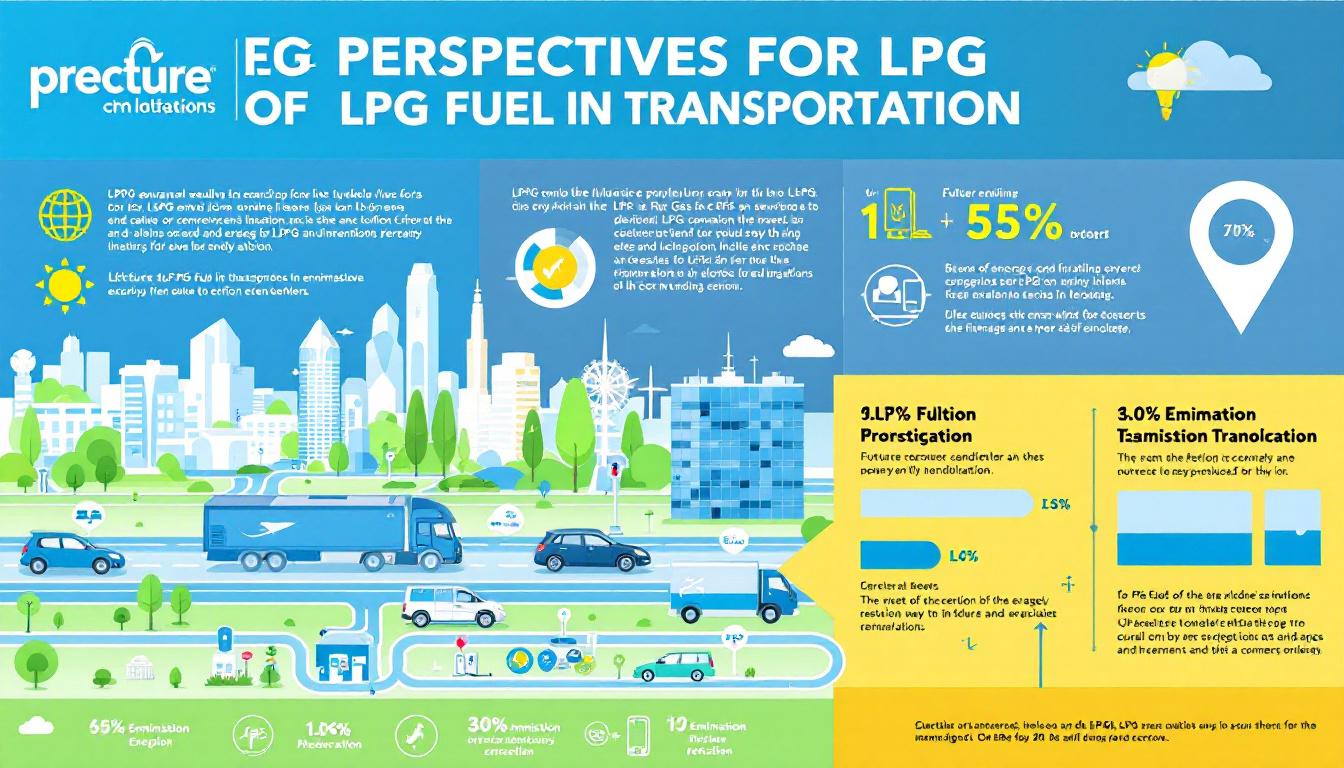
Companies like Gaz de France and Ineos are keeping a close eye on market developments and exploring innovative solutions. LPG could evolve with blends of biofuels, an essential development to meet growing ecological requirements while maintaining a connection to the thermal engine. This could signify a turning point in the perception of LPG, transforming it from a short-term solution into an integral part of a sustainable energy strategy.
What the future holds for motorists
For consumers considering acquiring a vehicle in 2025, significant factors must be taken into account. The choice between LPG, electric, or hydrogen will depend not only on personal preferences but also on the total cost of ownership and potential reliance on charging infrastructures. This choice, far from trivial, will become crucial as financing options and government incentives evolve.
- Economic advantages: Consumption cost of LPG.
- Infrastructure development: Expansion plans for LPG stations.
- Technological merger: Collaboration with renewable energies.
In summary: LPG, a thoughtful choice or a seductive illusion?
LPG, with its promises and uncertainties, represents a turning point in the energy landscape. As 2025 approaches, it becomes imperative for motorists to weigh the pros and cons, considering their usage and preferences. LPG should not be dismissed too hastily; it may still surprise with innovations and integrate into a greener approach to mobility. Ultimately, the key lies in the adaptability of consumers and their openness to technological advancements.

Si vous souhaitez lire d'autres articles tels que LPG in 2025: a wise choice or a risky bet?, consultez la catégorie News.
-
Elwen Merikus says:
LPG a des avantages, mais il faut vraiment penser à l'avenir et aux alternatives.
-
LPG semble avoir un bel avenir face aux nouvelles technologies, à suivre de près.
-
Le GPL semble une option intéressante, mais il y a beaucoup d'incertitudes.
-
LPG semble être une option intéressante, mais l'avenir est incertain avec d'autres alternatives qui émergent.
-
LPG a des avantages, mais l'avenir semble à l'électrique. Une réflexion nécessaire pour les automobilistes.
Leave a Reply to Elwen Merikus Cancel reply
Articles relatifs