Lotus Emeya 600 test: discover our analysis of consumption and ranges



The Lotus Emeya 600 marks a new era for the British manufacturer, now under the aegis of Geely, as it tackles the 100% electric vehicle market. This model, designed to combine sporty performance with limousine comfort, is sparking lively discussions among enthusiasts and industry experts. In this article, we will delve deeply into the key elements regarding its consumption, range, and how this vehicle positions itself in the high-performance electric sedan segment. Beyond the figures, we will also examine the design, technological innovation, and driving experience offered by the Emeya.
A detailed presentation of the Lotus Emeya 600
The Lotus Emeya 600 stands out for its imposing dimensions and refined design. Measuring 5.14 meters long with a wheelbase of 3.07 meters, it commands attention on the road. The perfect alliance between dynamism and comfort is at the heart of its design. It positions itself alongside other big names in the industry, such as Porsche Taycan and Audi e-Tron GT.
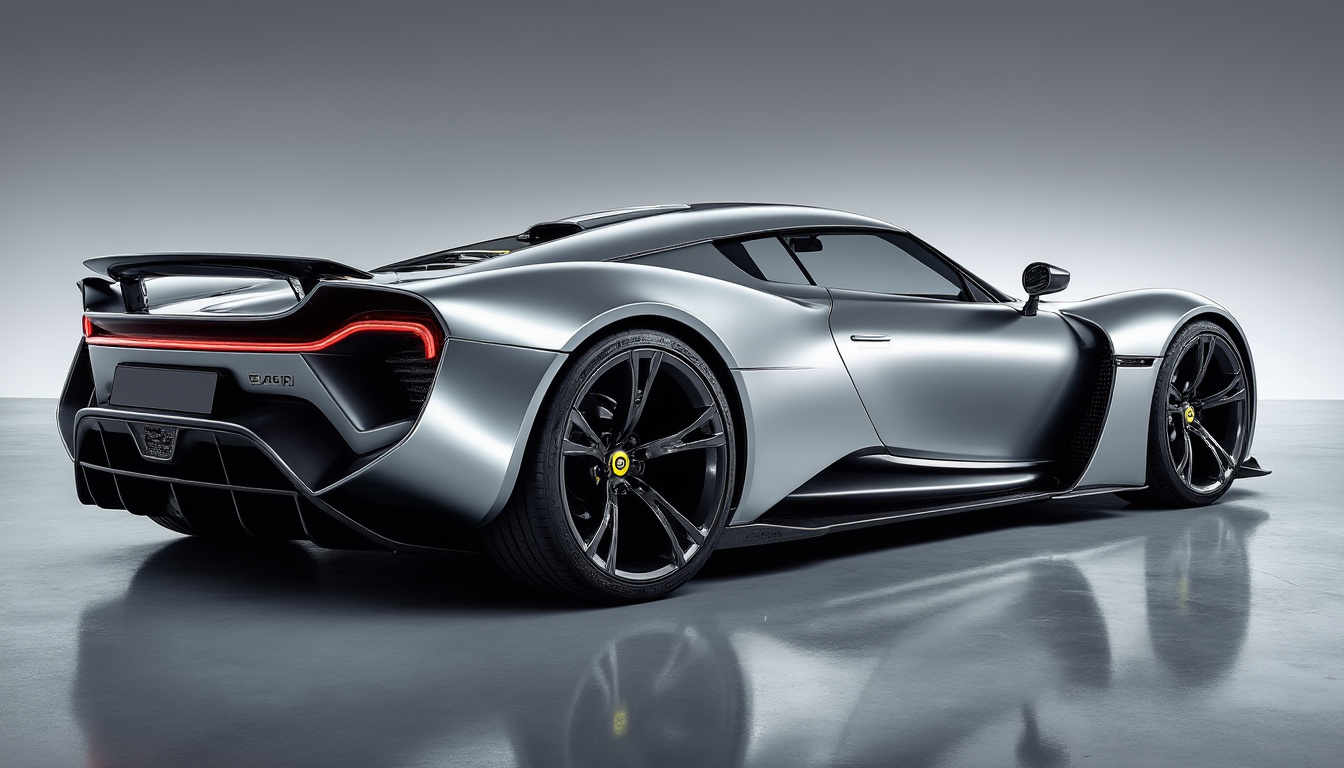
Under the hood, this sedan is equipped with a 102.2 kWh gross capacity battery and a usable capacity of 98.9 kWh. The battery cells come from CATL and are arranged according to an innovative principle called Cell-to-Pack, optimizing space and performance. With a nominal voltage of 705 V, the Emeya is capable of achieving an impressive charging power of 400 kW. This allows it to charge quickly, a major advantage for modern electric vehicle drivers.
Technical characteristics of the Emeya
Here is a summary table of the technical specifications of the Lotus Emeya 600:
| Characteristics | Data |
|---|---|
| Maximum power | 612 hp (450 kW) |
| Maximum torque | 710 Nm |
| Kerb weight | 2,555 kg |
| WLTP range | 540 km |
| AC charging | 22 kW (0-100% in 5h 50) |
| DC charging | 350 kW (10-80% in 18 min) |
| Tires | Michelin Pilot Sport EV LTS |
The power of 612 hp allows the Emeya to accelerate from 0 to 100 km/h in just 4.15 seconds, impressive for a vehicle of its size. This level of performance raises questions: do these characteristics satisfy the purists of the brand? Does the evolution towards an electric model represent heresy or a rightful adaptation to current market demands?
Design and aerodynamic performance
In terms of design, the Lotus Emeya merges elegance and sportiness. Every curve is designed to optimize aerodynamics, thereby enhancing performance. The sedan is distinguished by a sleek profile, an elongated hood, and fluid lines that give it a futuristic look. The aerodynamic technologies adopted directly influence performance, both in terms of top speed and consumption. Thanks to its design, the Emeya not only succeeds in visually captivating but also in reducing its energy consumption at high speeds.
Lotus's efforts to marry modern technology with the brand's sporting heritage reflect a desire to remain performant without compromising comfort. The question of sustainable mobility arises here: How to reconcile performance and low emissions while providing an exhilarating driving experience? Lotus engineers seem to have found a partial answer with the Emeya.
Measured consumption and range
When talking about a electric car, the question of consumption is crucial. The Lotus Emeya 600 underwent various tests on different types of routes to assess its energy consumption performance. During these tests, an average consumption of 24.9 kWh/100 km was observed on a mixed 100 km loop. This places the energy performance of the sedan in a high category, especially compared to other luxury sedans in the same segment.
Consumption analysis based on driving conditions
The consumption of the Emeya does vary depending on road conditions:
- In urban areas, consumption hovers around 24.3 kWh/100 km.
- On fast roads, the average consumption rises to 26.2 kWh/100 km.
- On highways, the Lotus Emeya shows a consumption of 27.8 kWh/100 km.
This level of consumption raises important questions regarding its sustainability and energy efficiency. Although the promise of 540 km WLTP range is attractive, the observed values under real conditions tend to reduce this range to 397 km in mixed use.
To provide a better perspective on these results, here is a summary table of the range based on the type of route:
| Type of route | Consumption (kWh/100 km) | Theoretical range (km) |
|---|---|---|
| Mixed | 24.9 | 397 |
| Highway | 27.8 | 360 |
| Urban | 24.3 | 407 |
It is important to note that at high speeds, such as 130 km/h, the Emeya requires even more energy, causing consumption to rise to 29.6 kWh/100 km. Potential owners should consider these aspects when evaluating the viability of using the Emeya as their primary vehicle.
Impact of tire choices and configurations
The configuration of the Lotus Emeya includes Michelin Pilot Sport EV LTS tires, specifically designed for this type of vehicle. These tires are essential in managing performance and consumption. They not only ensure good grip but also influence aerodynamic performance.
- Tire performance: specifically designed for the electric segment.
- Impact on range: a 22-inch setup helps optimize performance.
It is therefore essential for users of the Emeya to understand the impact of each choice on range and consumption. This includes practices such as eco-driving, which has shown that it can increase the range to approximately 565 km on a single charge.
Performance and driving dynamics
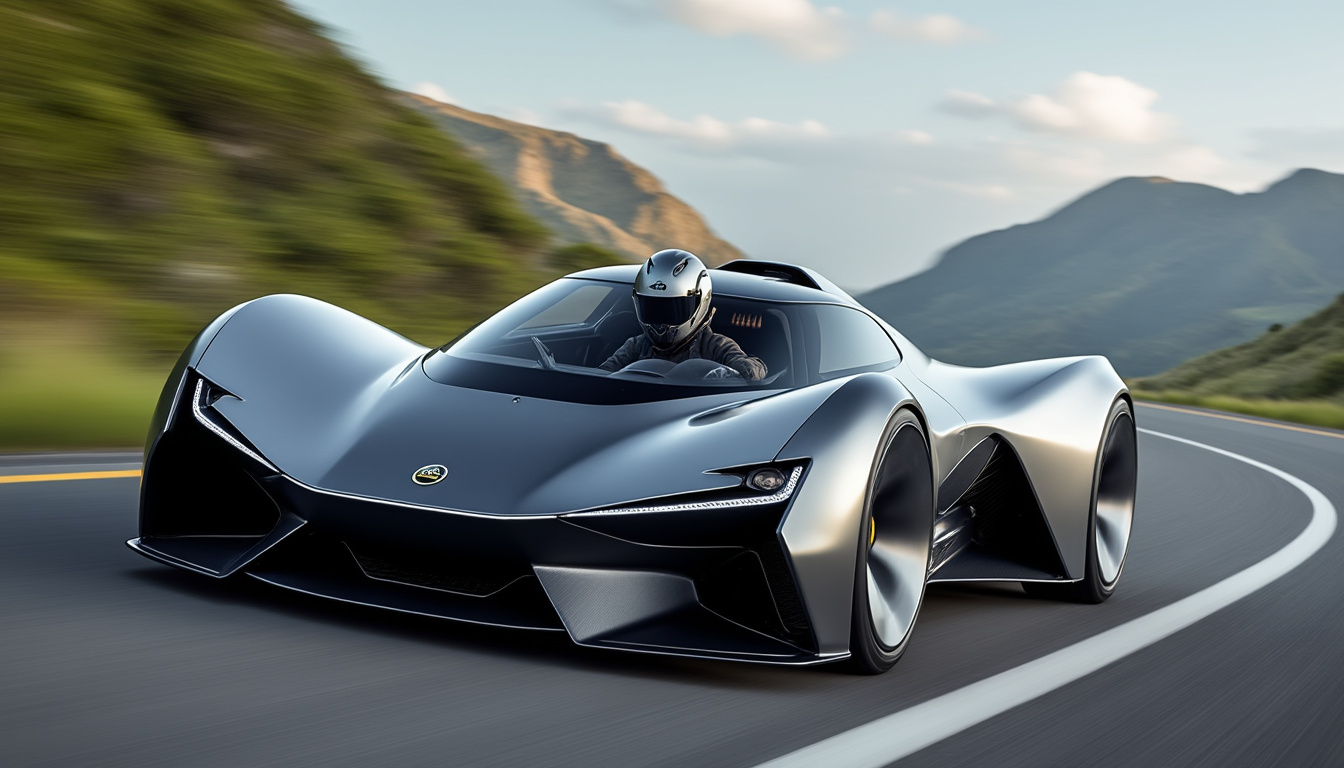
The Lotus Emeya 600, in terms of performance, competes with the best in the sports sedan segment. Its power of 612 hp and torque of 710 Nm gives it a liveliness that honors the Lotus name. While it sometimes struggles to achieve launch performance comparable to its competitors, this is not felt once in motion. Let’s say its push is truly felt only beyond 80 km/h, allowing for breathtaking recoveries.
Acceleration and responsiveness
During testing, the 0-100 km/h was timed at 4.3 seconds. While this may not be the best time on the market, it is more than sufficient for the expected performance of a luxury car. Here are some performance measurement results:
| Driving mode | 0-100 km/h | 80-120 km/h | 400 m |
|---|---|---|---|
| Sport | 4.3 s | 1.8 s | 12.0 s |
| Tour | 4.4 s | 1.8 s | 12.1 s |
| Range | 4.5 s | 1.8 s | 12.2 s |
It is worth noting that, despite the significant weight of the Emeya, the car still displays impressive dynamic behavior. This performance is largely supported by the balanced weight distribution and advanced traction control technology.
Braking and energy recovery
As an electric vehicle, another crucial aspect is the regenerative braking system offered on the Emeya. This feature allows the car to capture lost energy during braking and partially recharge the battery. Additionally, the Emeya offers several resistance modes, allowing for a customizable driving experience. The results obtained during tests show a braking distance of 62 meters from 130 km/h, comparable to rivals like the Porsche Taycan.
- Effective braking distance: 62.1 m for 130 km/h.
- Varied regeneration modes: up to 134 m of recovery.
All of this underscores the Emeya's ability to combine sporty performance with environmental efficiency. A balance that few manufacturers manage to achieve.
Comfort and practical aspects of the Emeya
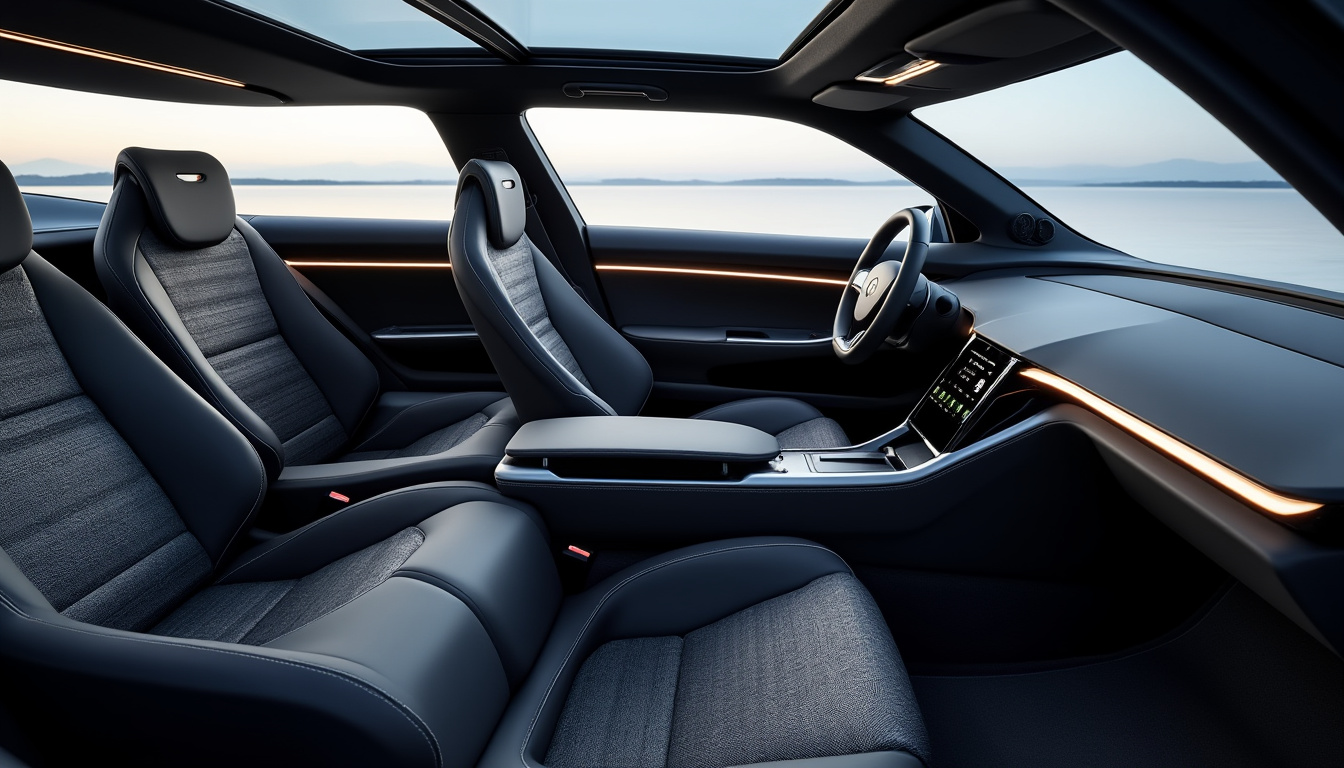
The comfort onboard the Lotus Emeya 600 is a notable aspect that deserves highlighting. Unlike some older sporty models from the brand, the Emeya boasts a well-appointed interior designed for passenger well-being. The materials used are of high quality, and the cabin design reflects careful attention to detail.
User experience and onboard technology
The dashboard, equipped with a large touchscreen, provides access to numerous features. However, it should be noted that the camera mirrors may require an adjustment period to get accustomed to their use. In terms of noise levels, the Emeya is well insulated, displaying a figure of 69 dB at 130 km/h, performing well compared to other models in its segment.
Here are some elements to note regarding onboard comfort:
- Improved sound insulation: acoustic comfort on the highway.
- KEF audio system: 15 speakers with an option for 3D with 23 speakers.
- Trunk capacity: 509 L, optimized space for long journeys.
Passenger comfort is also considered in a spacious rear area, allowing for a four-seater arrangement if needed. The design of this interior reflects Lotus's evolution towards a brand that combines luxury and performance, without losing sight of its sporty DNA.
Impact on driving comfort
Driving the Emeya is an experience in itself. The slightly elevated position of the driver may not suit everyone, but it offers excellent visibility. The chassis, although rigid, provides a pleasant compromise between sportiness and daily comfort. In conclusion, the choice of this model can influence the perception of the Lotus brand in the electric vehicle realm.
Conclusion of the car analysis: Lotus Emeya 600 in perspective
In this quest for sustainability and performance, the Lotus Emeya comes to challenge the codes of modern automotive. With its impressive specifications and a car analysis rigorous about its consumption and range, it stands as a competitor to the best electric sedans. Its bold design and rich sporting heritage allow it to stand out in a rapidly evolving market. However, despite its many strengths, it raises essential questions about the balance between performance and sustainability in an automotive landscape increasingly engaged towards the future.
Si vous souhaitez lire d'autres articles tels que Lotus Emeya 600 test: discover our analysis of consumption and ranges, consultez la catégorie Non classé.
-
Lorien Valentis says:
La Lotus Emeya 600 semble prometteuse, alliant performance et confort. Hâte d'en savoir plus !
-
La Lotus Emeya 600 semble vraiment impressionnante avec son design futuriste et ses performances.
-
La Lotus Emeya 600 semble allier performance et confort, une belle avancée pour Lotus.
Leave a Reply to Lorien Valentis Cancel reply
Articles relatifs