Leapmotor C10 REEV: the renewal of electric cars with range extender


In the context of energy transition and automotive innovation, the Leapmotor C10 REEV positions itself as a fascinating player in the electric SUV sector. The Chinese brand Leapmotor, backed by the giant Stellantis, revives the trend of electric vehicles with range extenders with this model. This new approach meets the growing demand from consumers seeking autonomy without compromise. Through its features, this version of the C10 promises to transform the driving experience while combining comfort and technology.
The range extender concept: a response to range anxiety
The Leapmotor C10 REEV is designed with a thermal engine that acts solely as a generator, thus highlighting the importance of the REEV (Range Extended Electric Vehicle) system. Evoking memories of early attempts on the market, this system generates renewed interest in vehicles that, although electric, integrate an additional energy source. With its electric range of 145 kilometers, the C10 REEV pushes the limits through a significant addition of thermal range, potentially reaching nearly 970 kilometers.
To better understand this concept, it is relevant to juxtapose it with historical models. The BMW i3, for example, introduced such technology through its "REX" version in 2013, which allowed for extending range with a small thermal engine. This model perfectly illustrates how electric motorists have long sought innovative solutions to curb range anxiety. With the C10 REEV, Leapmotor strives to reintroduce this historical method while modernizing it to meet current challenges.
Why choose a REEV vehicle?
The automotive market has seen a rise in electric models. However, the fear of range remains a major barrier to their adoption. By integrating a thermal engine in the C10 REEV, Leapmotor focuses on undeniable advantages:
- Flexibility of use: Use the battery for daily trips while benefiting from a thermal engine for longer journeys.
- Reduced recharge times: A full tank significantly increases range in no time.
- Reduction of necessary infrastructures: No need for frequent fast charges, this model can evolve without relying on charging station density.
The battery capacity has been optimized for this version, reduced to 24.4 kWh for the C10 REEV, but compensated by the thermal contribution. This bold choice could well appeal to drivers who are reluctant to pure electric models, making the C10 REEV attractive against competitors such as the Peugeot 3008 or the Renault Austral.
| Model | Electric Range | Total Range | Battery Capacity | Thermal Engine |
|---|---|---|---|---|
| Leapmotor C10 REEV | 145 km | 970 km | 24.4 kWh | 1.5L (50 kW) |
| BMW i3 REX | 150 km | 300 km | 22 kWh | 0.65L (33 kW) |
| Renault Austral E-Tech | 50 km | 700 km | 16 kWh | 1.2L (40 kW) |
Design and comfort: a modern driving experience
In terms of design, the Leapmotor C10 presents a modern silhouette that rivals European models like the Audi Q5 or the Volkswagen Tiguan. Measuring 4.79 meters long, it ensures a substantial interior space, ideal for families. The materials used inside, of high quality, provide undeniable comfort. However, the navigation system, sometimes criticized by users, requires an update to stay in line with current technologies such as Android Auto or Apple CarPlay.
Onboard equipment
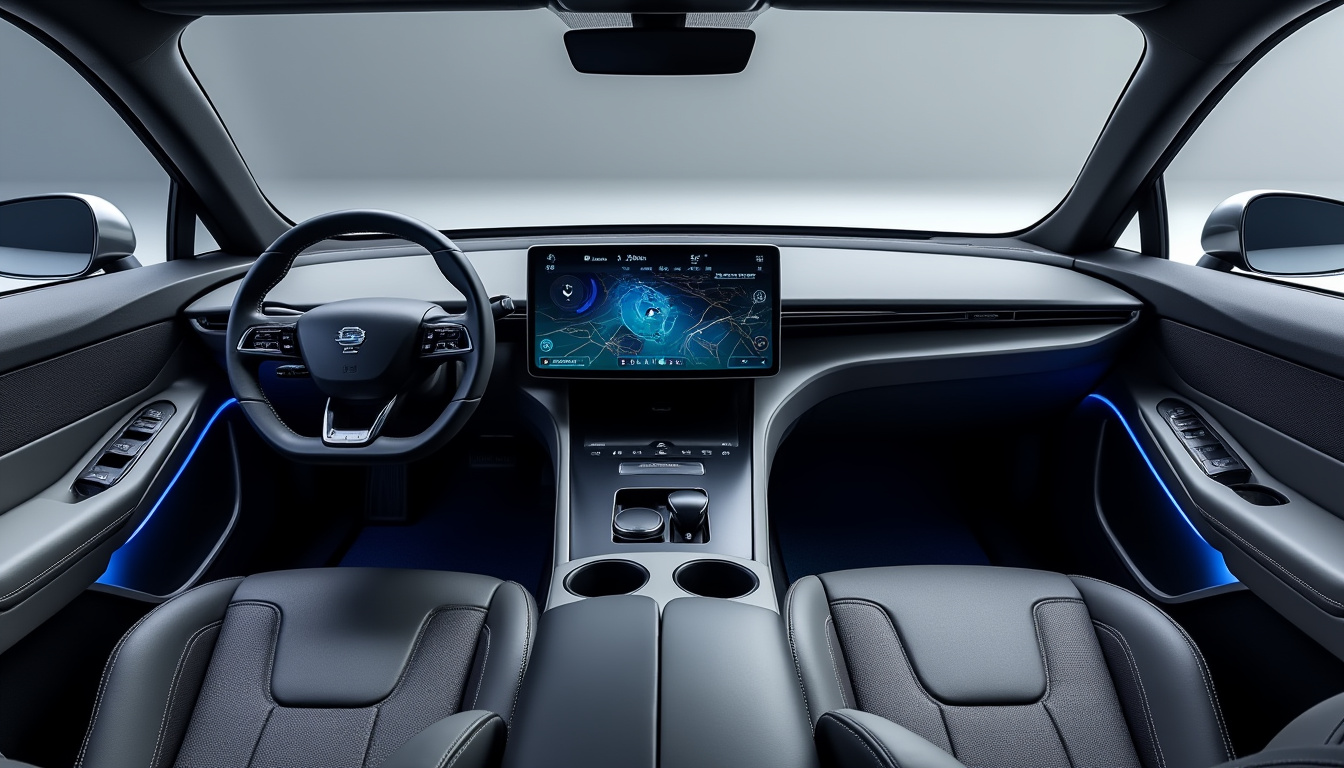
The Leapmotor C10 REEV is well-equipped in terms of technology. Several key features include:
- Central touchscreen: for managing driving and entertainment settings.
- Customizable driving modes: adaptability according to driver preferences.
- High-fidelity sound system: for an enriching auditory experience.
It should be noted that, despite these qualities, the absence of an intuitive interface for the charging systems might cause confusion among some users. Indeed, the C10 REEV offers different driving modes such as "EV+" and "Fuel" which require some understanding to maximize their use. An important pedagogy is therefore necessary, both on the part of users and sales advisors.
Performance and consumption: a challenge to meet
A major challenge for any hybrid vehicle manufacturer, and more particularly for those incorporating combustion engines, is managing consumption. The Leapmotor C10 REEV does not deviate from this rule. With a stated consumption of 6.8 liters and 14.9 kWh per 100 kilometers on a typical journey, the vehicle presents a balance intended to be competitive.

How to optimize consumption?
To maximize the efficiency of the C10 REEV, it is crucial to know the different driving modes and their impacts on consumption:
- EV+ mode: prioritizes battery use until it reaches 9%.
- EV mode: activates the thermal engine when the battery drops below 25%.
- Fuel mode: allows the battery to charge via the thermal engine without plugging in.
- Power+ mode: uses the thermal engine at full power to effectively charge the battery.
By adopting an economical driving style and respecting the electric range, C10 REEV users can hope to reduce their daily impact to a relatively low carbon footprint. Such an approach is increasingly being democratized, especially in the face of alternatives from brands like Kia with their EV6 model or Tesla with the Model Y.
| Driving Mode | Battery Use | Thermal Engine Engagement |
|---|---|---|
| EV+ | Up to 9% | No |
| EV | Between 9% and 25% | Yes |
| Fuel | Less than 30% | Yes |
| Power+ | To be determined | Yes |
Pricing and competition in the European market
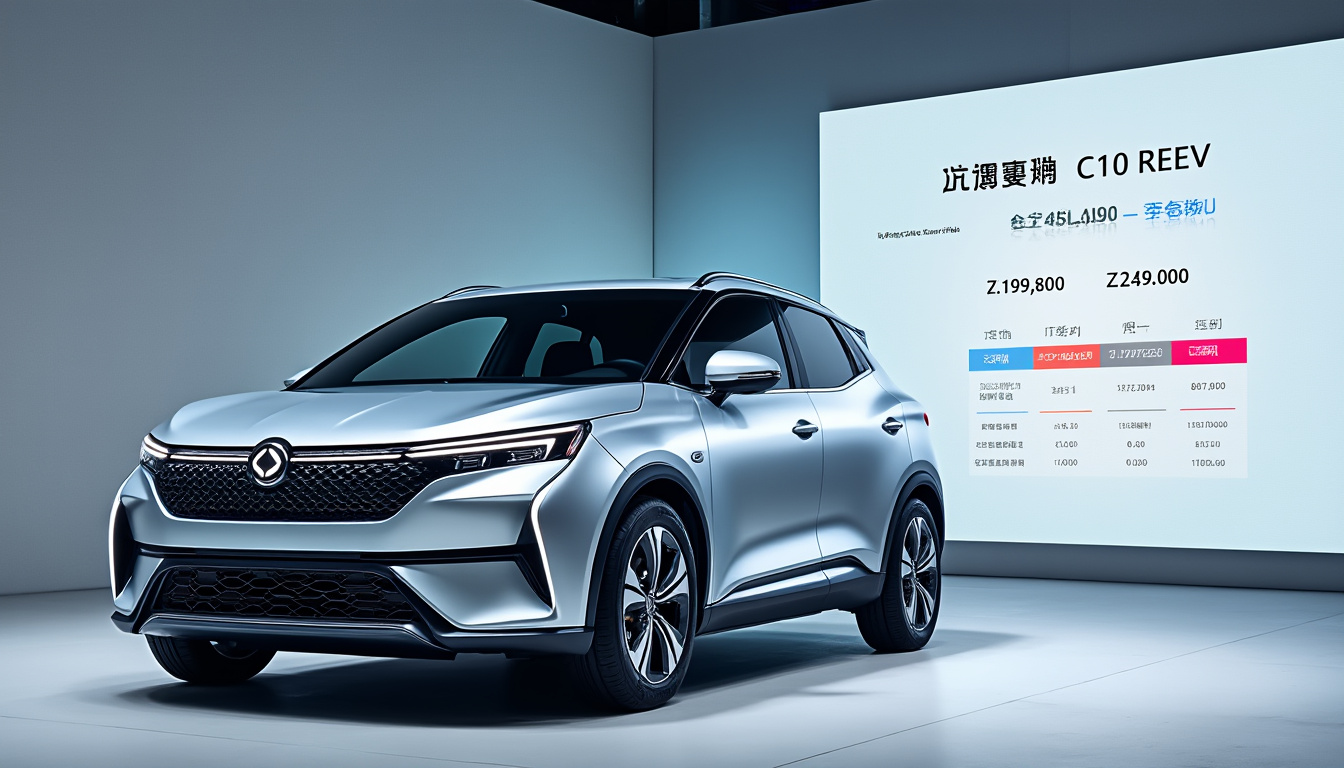
In 2025, the hybrid SUV market sees increased competition. On the pricing front, the Leapmotor C10 REEV starts at a competitive price of 37,400 euros. However, it is essential to consider a weight penalty, which can reach up to 2,390 euros. A reality that narrows the gap with its 100% electric counterpart, offered from 36,400 euros. This price repositioning could, in fact, make the electric model more appealing compared to the hybrid.
The challenges of competition
This model faces numerous competitors such as:
- Peugeot: with its attractive compact SUVs.
- Nissan: and its affordable Leaf range.
- Hyundai: with models combining comfort and technology.
- Peugeot: and the popularity of the 3008.
Leapmotor's choices for route and expansion are therefore critical as European consumers become increasingly demanding. The way the C10 REEV distinguishes itself in the market could be decisive in an era where electromobility is set to redefine industry standards.

Si vous souhaitez lire d'autres articles tels que Leapmotor C10 REEV: the renewal of electric cars with range extender, consultez la catégorie Non classé.
-
Lior Ara says:
Le Leapmotor C10 REEV semble prometteur pour ceux qui veulent une autonomie prolongée.
Leave a Reply
Articles relatifs