Is the kei car a solution to revitalize the automotive industry in Europe?

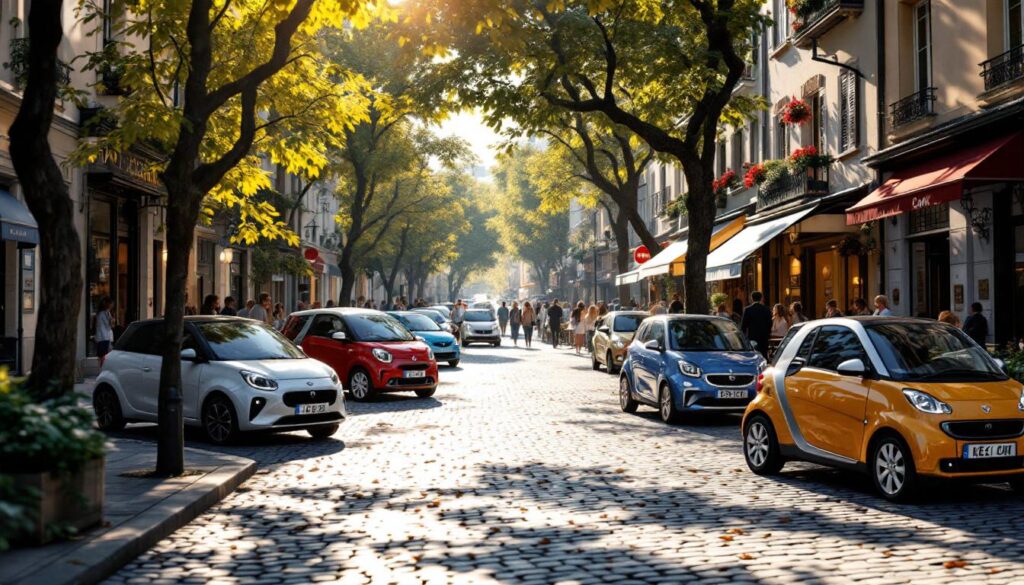

Japanese kei cars, these small vehicles that have captured the hearts of Japanese city dwellers, represent much more than just a car trend. In Europe, where environmental challenges and urban overpopulation are increasingly pressing, these vehicles offer an intriguing perspective. The question remains: what if the answer to the crisis in the European automotive industry lies in the adoption of kei cars?
Kei cars: a successful Japanese concept
Kei cars, or keijidosha, are compact cars that have been an integral part of the Japanese automotive landscape since their introduction in the 1940s. Their design leaves nothing to chance. With strict dimensions of 3.4 meters long and 1.48 meters wide, these vehicles are designed for the dense traffic of cities. In 2024, these little wonders accounted for about 40% of registrations in Japan, with 1.76 million kei cars sold.
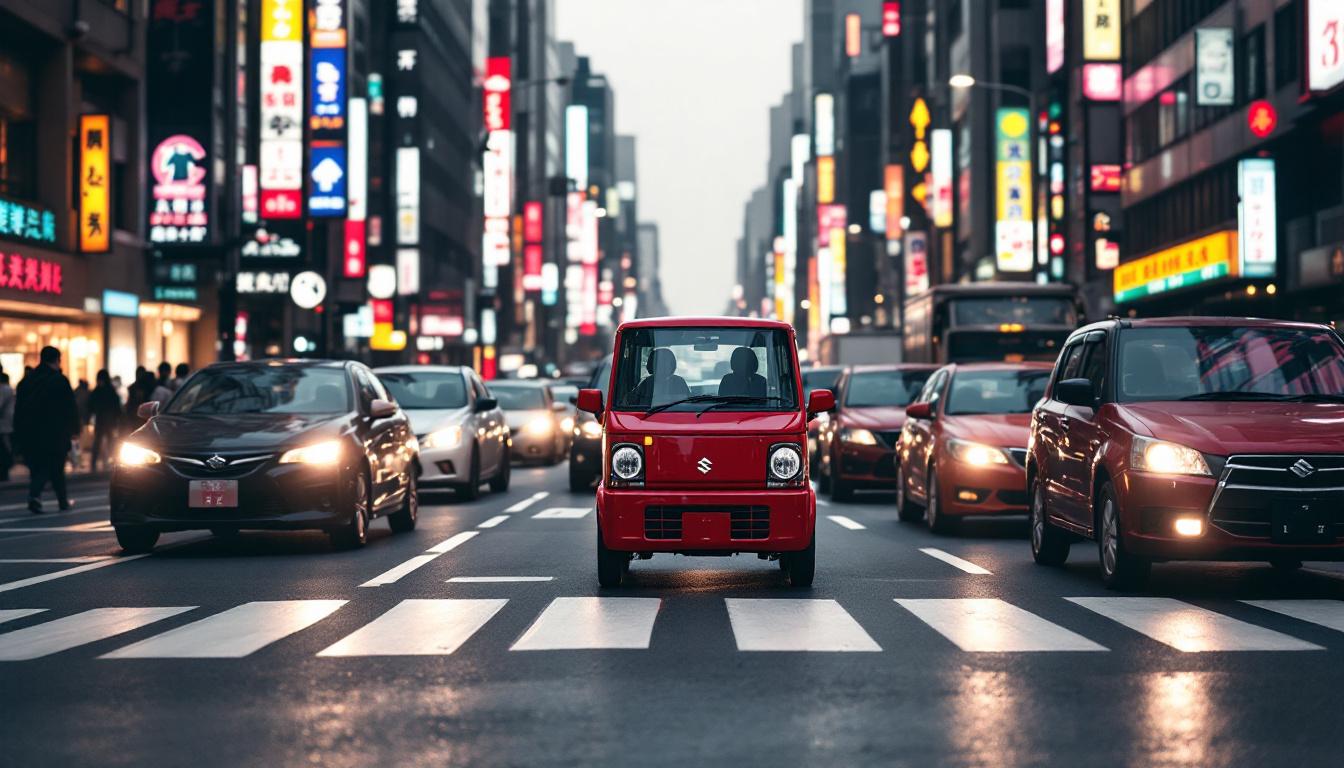
Several factors explain their success. Above all, there is the fiscal aspect. The Japanese government encourages the purchase of kei cars through reductions on registration and circulation taxes. This makes these vehicles particularly accessible. Additionally, legislation promotes their purchase, exempting buyers from the obligation to prove they own a garage, a common requirement for any other type of vehicle.
The technical characteristics of kei cars
Kei cars stand out for their precise technical characteristics. Here’s a summary table of the specifications:
| Characteristics | Details |
|---|---|
| Maximum length | 3.4 meters |
| Maximum width | 1.48 meters |
| Maximum power | 64 horsepower |
| Maximum displacement | 660 cc |
This clever design promotes space efficiency while allowing for comfortable transportation of up to four people. Beyond the dimensions, the diversity of engine types — gasoline, hybrid, or electric — meets the varied needs of consumers.
The economic advantages of kei cars
Another advantage of kei cars is their cost: on average, they are cheaper than other categories of cars. Furthermore, maintenance and insurance costs are generally lower. Brands such as Daihatsu, Honda, Suzuki, Mitsubishi, and Toyota dominate this market with models that perfectly meet consumer expectations.
- Daihatsu Tanto: a spacious and practical model for the city.
- Honda N Box: known for its comfort and features.
- Suzuki Alto: economical and lightweight, perfect for daily commuting.
- Mitsubishi Delica Mini: versatile, suitable for families.
Kei cars: an opportunity for Europe?
However, despite their advantages, kei cars have never truly found their place in Europe. The main reasons are the differences in homologation between Japan and Europe, making their export complex. Nevertheless, according to John Elkann, chairman of Stellantis, it is essential to consider adapting this concept for the Old Continent.

Elkann emphasizes the importance of imagining a new regulatory framework so that European manufacturers can develop their own version of kei cars, which could be called E-Cars. Indeed, these small vehicles could be designed to cater to the specific needs of European city dwellers.
The challenges of importing kei cars to Europe
Several obstacles exist to the entry of kei cars into the European market:
- Complex homologation: safety and emissions standards in Europe differ significantly from those in Japan.
- High transformation costs: adapting kei cars to comply with European legislation would incur prohibitive costs.
- Consumer perceptions: European motorists may be hesitant to adopt these smaller vehicles due to cultural biases.
However, CO2 emission legislation encourages innovative and eco-friendly solutions. In this context, kei cars could become viable mobility solutions, also contributing to reducing noise pollution and congestion in urban centers.
How can kei cars transform the European automotive industry?
By considering an adaptation of kei cars for the European market, several beneficial impacts can be envisioned. It is crucial to produce economically viable, less polluting vehicles tailored to urban needs. Several manufacturers, such as Renault and Stellantis, see enormous potential in revitalizing the automotive industry in Europe.
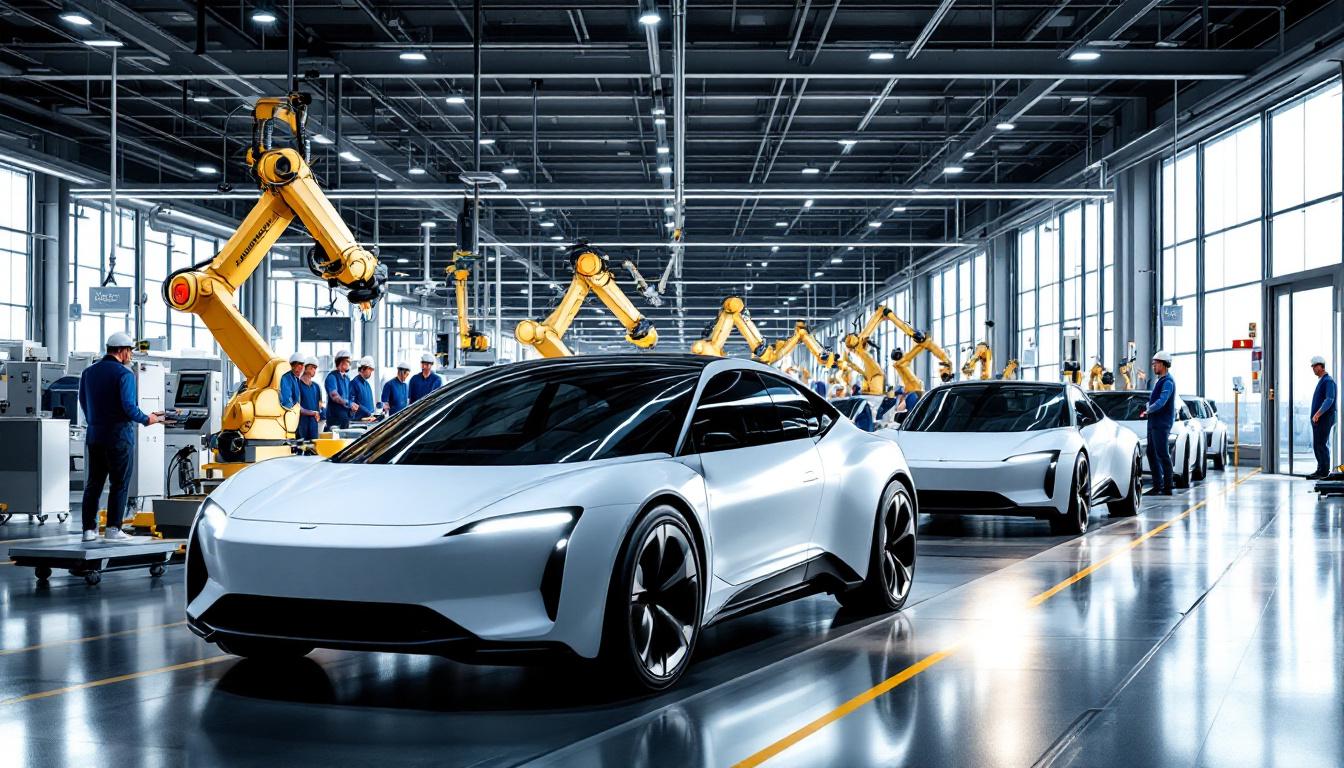
European kei cars could be designed to integrate electric powertrains, offering reduced operating costs. Additionally, the development of this segment could be accompanied by the repurposing of old factories into production spaces for these new models, thereby revitalizing local economies.
The benefits of such a transformation
This transformation would not only be economically beneficial but would also have significant environmental repercussions:
- Job creation: kei car production factories in Europe could revitalize declining industrial areas.
- Reduction in emissions: fewer cars clogging the streets, a renewal of the vehicle fleet, and an increase in electric vehicles would all contribute to cleaner cities.
- Empowerment of consumers: affordable vehicles that meet specific needs could stimulate the market.
The way forward for kei cars in Europe
A viable ecosystem for kei cars in Europe requires a concerted commitment between car manufacturers and governments. Emission standards need to be reconsidered to allow greater flexibility. This would promote the design of vehicles adapted to contemporary realities. Regulatory authorities could draw inspiration from the Japanese regulatory framework while integrating European specifics.

For this, it is necessary for industry stakeholders to come together around common initiatives, such as that of IC Bus, which sees the integration of kei cars as an opportunity for the European market. By collaborating, it is possible to call for the necessary innovation to address challenges such as sustainability, infrastructure, and the fluctuating needs of consumers.
In summary, kei cars could well be the answer to an automotive industry seeking renewal on the old continent. The question remains: will political will follow this ambition?
Si vous souhaitez lire d'autres articles tels que Is the kei car a solution to revitalize the automotive industry in Europe?, consultez la catégorie Non classé.
-
Yuki Tanaka says:
Les kei cars pourraient vraiment améliorer la mobilité dans nos villes européennes, à suivre de près !
-
Les kei cars pourraient vraiment aider à résoudre nos problèmes de circulation en Europe.
-
Les kei cars pourraient vraiment changer la donne pour nos villes en Europe.
Leave a Reply to Yuki Tanaka Cancel reply
Articles relatifs