In the car! No. 10: the 24 Hours of Le Mans, the Olympic event of automobiles



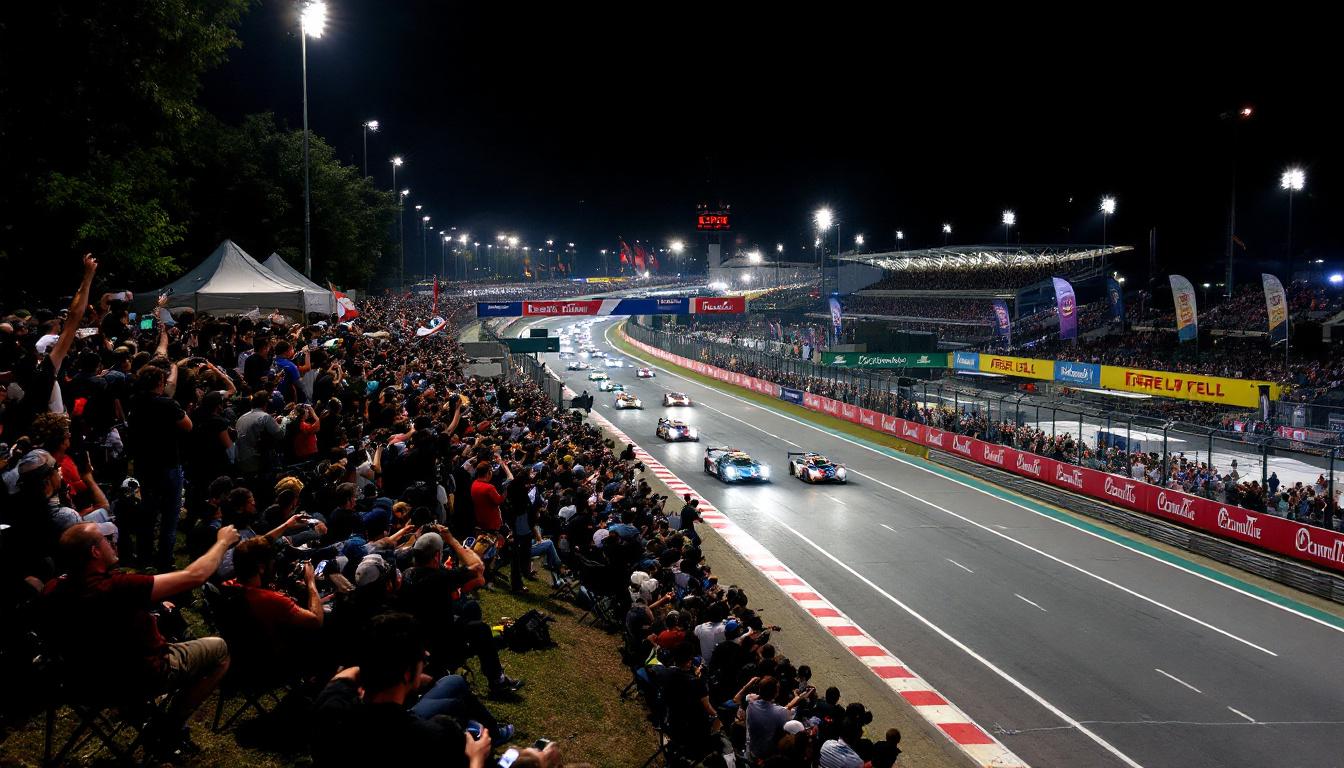
Car enthusiasts know that the 24 Hours of Le Mans transcend more than just a sporting event. This annual gathering, a true living memory of motorsport, attracts nearly 350,000 spectators, all invited to celebrate excellence in engineering and the heroism of drivers. The recent history of this iconic race demonstrates its evolution, strengthened by its technical and human challenges, making it an Olympic event in its own right.
Le Mans: A Monument of Motorsport
The 24 Hours of Le Mans, held for the first time in 1923, are often described as the pinnacle of automotive competition. But what truly makes this event an unmissable monument? It is a unique blend of history, rivalry, and innovation. The competitors are giants of the automotive industry, such as Porsche, Ferrari, Toyota, Audi, and others, all aiming to beat the clock.
The stakes of this race go far beyond simple victory. It's a matter of survival for both the drivers and the cars. Every year, teams like Peugeot, Ford, and Corvette test their technology in an extreme competitive environment. The strategies employed must be meticulously crafted to manage durability, performance, and speed. In 2025, for example, Yifei Ye won the race with Ferrari, marking a memorable moment for the manufacturer.
Spectators come from all over to experience this event. They share a common passion and eagerly await the drivers' parade, an iconic moment of this celebration. Although the drivers are competing, the camaraderie between the teams is palpable, reinforcing the spirit of community that reigns at Le Mans.
- Important dates in the history of the 24 Hours of Le Mans:
- 1923: First edition of the race
- 1966: Iconic victory of the Ford GT40
- 1970: First victory for Porsche with the 917
- 2025: Victory of Yifei Ye with Ferrari
| Year | Significant Event |
|---|---|
| 1923 | Creation of the race |
| 1966 | Triumph of the Ford GT40 |
| 1970 | Victory of the Porsche 917 |
| 2025 | Victory of Ferrari with Yifei Ye |

Commitment of Manufacturers and Technological Innovation
The 24 Hours of Le Mans represent an essential showcase for the automotive industry, embodying innovation and competitiveness. Manufacturers do not hesitate to invest substantial amounts in research and development of new technologies. Sometimes, futuristic concepts unveiled during this race quickly make their way to production vehicles.
Brands like Volkswagen, Bentley, and Audi have all made remarkable progress in performance on the circuit. Teams are limited by strict regulations that encourage creativity while ensuring safety. The prototypes that take on the challenges of the circuit enhance the strategic thinking of teams, adapting engine performance, tire compositions, and even the aerodynamics of chassis.
In 2025, with the return of the largest manufacturers, excitement is at its peak. Teams, some competing for the first time, bring their own interpretation of performance. How can these innovations not only transform the race, but also influence the bodywork of the cars on our streets? Hybrid technology becomes central; vehicles are no longer just powerful, they are also committed to the path of eco-responsibility and sustainability.
- Examples of innovative technologies used:
- Hybrid and electric engines
- Lightweight bodywork in composite materials
- Improvement of aerodynamic performance
- Sophisticated management of fuel consumption
| Manufacturer | Innovative Technology |
|---|---|
| Porsche | Hybrid vehicles |
| Audi | Composite materials |
| Ford | Intelligent fuel management |
| Toyota | Advanced hybrid performance |

Local Economic Impact and International Influence
The 24 Hours of Le Mans are not only a celebration of the automobile; they also generate significant economic impact. The region of Le Mans benefits greatly from this event, far beyond the race itself. The financial fallout, whether in hospitality, catering, or local businesses, is monumental.
In 2025, with over 350,000 spectators present, the multiplier effect of this race is palpable. Estimates indicate that it generates millions of euros in profits for local businesses, strengthening the regional economy. Should local and national governments take a closer look at the future of this event and its investment in infrastructure? These questions merit reflection, especially since the absence of government representatives at this year's start has raised criticism.
The 24 Hours of Le Mans are reshaping tourism in France, attracting enthusiasts from around the world and making each edition a true grand spectacle. The image and reputation of the Le Mans circuit transcend borders thanks to international media coverage and partnerships with prestigious brands.
- The economic benefits of the 24 Hours of Le Mans:
- Creation of seasonal jobs
- Increase in bookings at local hotels
- Inflow of international tourists
- Promotion of the city of Le Mans on the global stage
| Impact | Type of Effect |
|---|---|
| Visitor Forecasts | +350,000 spectators |
| Revenue Generation | Millions of euros |
| Employability | Seasonal jobs created |
| International Influence | Increased notoriety of Le Mans |
Culture and Heritage at the Heart of the Race
The 24 Hours of Le Mans embody more than just a competition; they are a true celebration of automotive culture. Over the decades, each race has woven stories, creating a rich tapestry of heroism, innovation, and emotion. From racing legends to experiments on the circuit, they highlight driver outfits, emblematic teams, and cars that have become legendary.
Each edition is marked by memorable moments, from the emotion of crashes to triumphant victories. The contribution of women, traditionally underrepresented, is now more recognized. For example, female teams organized by the diversity initiative have recently demonstrated they are ready to compete against the largest racing teams. It should not be forgotten that racism and sexism remain challenges that these drivers must overcome on their journey.
The way this culture translates is also revealed in the worlds of music and cinema, where films and documentaries highlight the trials of this race. Enthusiasts take ownership of these narratives and turn them into legends. Rediscovering significant moments in films like "Le Mans" with Steve McQueen, or stories from drivers such as Michelle Gatting, enriches the experience for spectators.
- Cultural elements present at the 24 Hours of Le Mans:
- Documentaries and films about the history of the race
- Inspiring female teams
- Music and live performances
- History and heritage of the circuit
| Cultural Elements | Examples |
|---|---|
| Films | "Le Mans" by Steve McQueen |
| Female Teams | Michelle Gatting, driver |
| Documentaries | "Le Mans: Racing is Everything" |
| Music | Live concerts during the event |

The 24 Hours of Le Mans continue to evolve. They challenge each of us to invest in understanding this competition rich in emotions and challenges, both on the track and behind the scenes. How can more people get involved in this human adventure? It is time to embrace this change and participate in the celebration of automotive passion.
Si vous souhaitez lire d'autres articles tels que In the car! No. 10: the 24 Hours of Le Mans, the Olympic event of automobiles, consultez la catégorie News.
-
Lysander Duval says:
Les 24 Heures du Mans sont un vrai spectacle, une aventure à ne pas manquer !
-
Les 24 Heures du Mans sont vraiment fascinantes et démontrent l'excellence de l'ingénierie automobile.
-
Les 24 Heures du Mans sont vraiment incroyables, j'adore l'atmosphère et les voitures mythiques !
-
La passion pour les courses est palpable à Le Mans, un événement unique et captivant.
-
Les 24 Heures du Mans, c'est vraiment un événement incroyable et plein d'émotion !
Leave a Reply to Lysander Duval Cancel reply
Articles relatifs