Hyundai innovates with the development of a new generation of hybrid engines

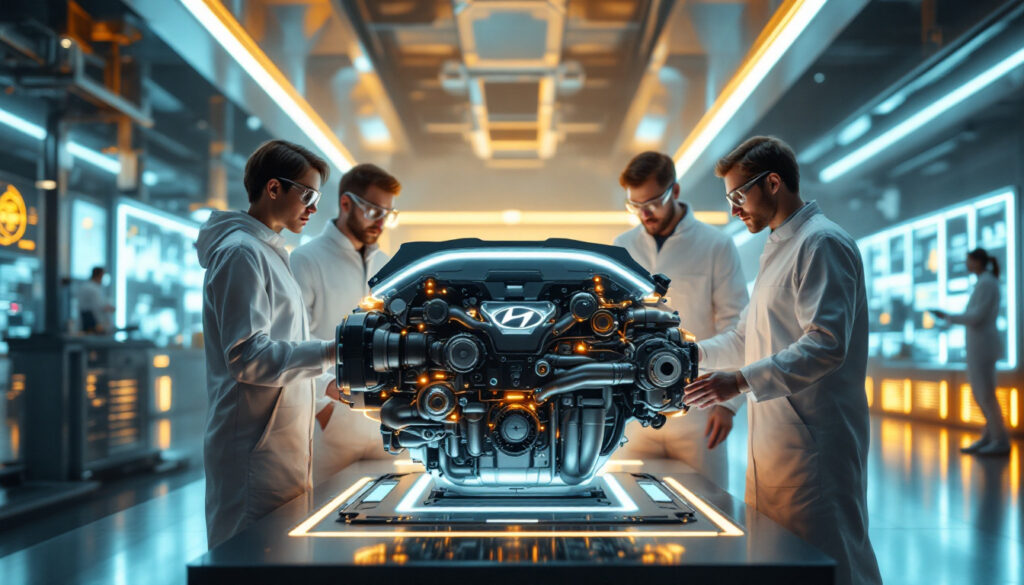

Hyundai, a key player in the automotive industry, is making waves with its new range of hybrid engines. By adopting an innovative approach, the Korean manufacturer is not only improving its existing models but also laying the groundwork for a revolution in the field of hybrid propulsion. The next generation of engines that Hyundai presents offers impressive performance with drastically reduced fuel consumption, while ensuring an optimized driving experience.
A technological revolution: Hyundai's dual-motor hybrid system
Hyundai recently unveiled a revolutionary hybrid system designed to meet the growing demands for energy efficiency. This hybrid system uses two motors, allowing for fuel consumption improvements of up to 45% compared to traditional gasoline engines. The range extends from compact models to imposing SUVs, thereby proving the versatility of this technology.

Operation of the hybrid system
Hyundai's next-generation system stands out from its predecessors by several key features:
- Integration of two electric motors: This solution allows for instant response and optimal power delivery, while reducing CO2 emissions.
- Intelligent energy management: Through advanced technology, the vehicle detects driving conditions and adjusts the use of the motors accordingly.
- Efficiency powered by regeneration: The regenerative braking system recovers energy during deceleration, thus helping to recharge the battery.
A striking example of this technology is the new Hyundai Palisade, which is now equipped with this hybrid engine. This family-sized SUV offers a power of 329 horsepower while consuming only 7.1 L/100 km, thus setting new benchmarks in the segment.
| Model | Power (hp) | Consumption (L/100 km) | Efficiency (%) |
|---|---|---|---|
| Palisade Hybrid | 329 | 7.1 | 45% |
| Santa Fe Hybrid | 260 | 6.5 | 42% |
| Tucson Hybrid | 226 | 6.0 | 40% |
This shift to advanced hybrid technology positions Hyundai against competitors such as Toyota, Honda, and Nissan, which have also invested in this segment. With this innovation, Hyundai marks a turning point in its development strategy, focusing on integrating renewable energies into the automotive sector.

Towards an expanded offering: the rise of hybrid models
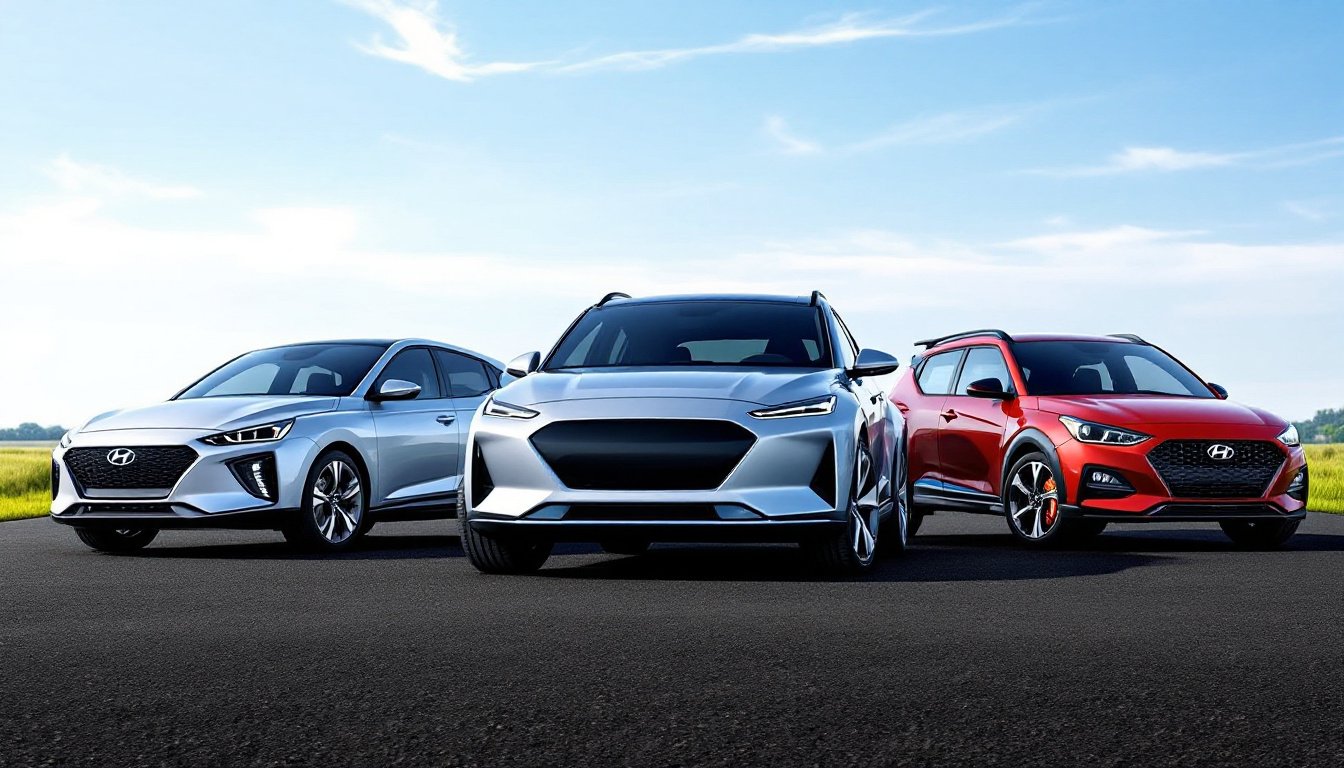
Beyond the Palisade, Hyundai plans to extend this new hybrid drivetrain across a wide range of vehicles, including luxury models under the Genesis brand and SUVs of all sizes under Kia. The change is not just limited to energy management but also extends to driving pleasure, making each experience unique for the user.
Emerging models and their characteristics
The following list presents upcoming vehicles equipped with this new powertrain:
- Hyundai Ioniq 5 Hybrid: Designed for users seeking a high-performance hybrid vehicle.
- Hyundai Venue Hybrid: A compact model, perfect for city use while remaining efficient on the highway.
- Kia Sportage Hybrid: A sleek SUV combining space and dynamism.
- Genesis GV80 Hybrid: The perfect blend of luxury and performance.
The hybrid market is in a boiling competition; however, Hyundai seems well positioned to dominate the platforms with its constant improvements and the horizon of its innovations. The figures speak for themselves: the introduction of hybrid models is expected to boost the brand's overall sales, particularly against traditional manufacturers like Ford, BMW, and Mercedes-Benz.
| Model | Category | Main Features |
|---|---|---|
| Ioniq 5 Hybrid | Compact | Eco-energy performance and futuristic style |
| Venue Hybrid | Urban | Ideal for daily use |
| Kia Sportage Hybrid | SUV | Alternative spaces and comfort of use |
| Genesis GV80 Hybrid | Luxury | Cutting-edge technologies and high-end finish |
With this initiative, Hyundai is not just responding to the growing demand for more environmentally friendly vehicles but also redefining the standard of what is accessible to drivers.
A sustainable future: the role of hybrid engines in Hyundai's strategy
In a world that is increasingly turning towards sustainability, Hyundai positions itself as a leader by integrating hybrid technologies not only into its engine choices but also within its overall philosophy. The goal is to reduce carbon footprint while offering customers varied and effective solutions.
Environmental and economic challenges
Hyundai embraces an eco-friendly approach, particularly:
- Reduction of emissions: Hybrid engines help decrease pollutant emissions, thus complying with increasingly strict environmental standards.
- Resource efficiency: By maximizing the use of electric energy, Hyundai promotes a more responsible consumption of natural resources.
- Continuous innovation: A commitment to research and development for the improvement of even more eco-friendly engine solutions.
As competition continues to intensify between automotive giants like Volkswagen, Audi, and others, Hyundai’s initiative to integrate these hybrid systems into its product strategy becomes essential for its survival and competitiveness. The consideration of the environment in engine development highlights how this approach can be beneficial for both the company and the planet.
| Evaluation Criteria | Hyundai | Competitor |
|---|---|---|
| CO2 emissions (g/km) | 105 | 110 |
| Energy efficiency | 45% | 38% |
| Customer ratings (out of 10) | 9.2 | 8.5 |
The results highlight an imbalanced competition where Hyundai, bolstered by its innovations, finds itself at the forefront. Beyond simple mechanics, this wise discernment for a hybrid automobile offers a glimmer of hope to consumers concerned about their environmental impact.
A long-term strategy: the path towards complete electrification
At the same time, Hyundai's commitment to achieving complete electrification by 2035 is a fundamental element of its development strategy. The transition to this new era requires significant steps, and the development of hybrid engines is an integral part of it.
Key steps towards electrification
To successfully achieve this transition, Hyundai is adopting several measures:
- Investment in research: Allocating funds for innovation in batteries and electric motors.
- Collaboration with technology companies: Partnering with industry leaders to optimize performance.
- Consumer education: Raising public awareness of the benefits of hybrid and electric vehicles.
Thus, the Korean brand aims to establish an ecosystem of vehicles that are not only hybrid but also fully electric. This bet is ambitious as it relies on radical changes in consumption habits and the public's perception of vehicles.
| Objective | Deadline | Measures Taken |
|---|---|---|
| Complete electrification transition | 2035 | Invest in technologies and partnerships |
| Reduction of CO2 emissions | 2030 | Develop even more eco-friendly models |
| Increase market share | 2026 | Expand hybrid and electric range |
In conclusion, Hyundai demonstrates that the future of the automobile lies in innovation and responsibility, offering drivers a choice that combines performance and environmental awareness. The success of this transition will be measured by the brand’s ability to evolve with the market and anticipate future consumer needs.
Si vous souhaitez lire d'autres articles tels que Hyundai innovates with the development of a new generation of hybrid engines, consultez la catégorie Constructeurs.
-
Théodore Lumineux says:
Les nouvelles technologies de Hyundai pour les moteurs hybrides semblent vraiment prometteuses pour l'avenir.
-
Hyundai avance vraiment dans l'innovation écologique. Ces hybrides sont prometteurs pour l'avenir des voitures!
Leave a Reply
Articles relatifs