Good news: the ecological bonus for acquiring an electric car will be increased on July 1, 2025

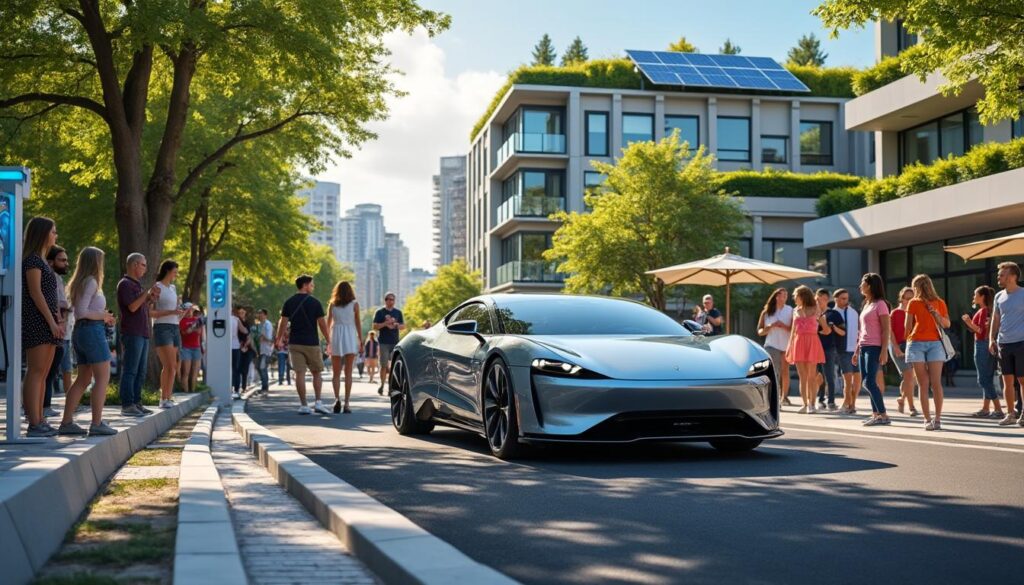

The ecological bonus system linked to the purchase of electric vehicles is undergoing major transformations starting July 1, 2025. This revaluation comes at a time when sales are experiencing a concerning stagnation. The government's announcement surprised many actors in the automotive sector, as it is accompanied by the implementation of new financing mechanisms.
The changes to the ecological bonus in 2025: What awaits consumers
Starting in July 2025, the rules surrounding the ecological bonus will be modified, allowing buyers to benefit from more substantial financial aid for acquiring electric vehicles. This new system aims to support the automotive market at a time when sales of electric cars are showing signs of slowdown. This anticipated change has generated a lot of interest and speculation.
The ecological bonus has historically been a key lever to encourage the adoption of zero-emission vehicles. However, the current structure has shown flaws, particularly regarding funding. In 2024, aid could still reach €7,000 for the most modest households, but the state budget seems too tight to maintain this level of assistance.
What are the new terms?
According to recent reports, the amount of the bonus will be recalibrated. This change will particularly allow for a broader base of beneficiaries. Households with the lowest incomes (deciles 1 to 5) will see their aid increase from €4,000 to €4,200, a slight adjustment from the previously granted aid of €4,000. Middle deciles (6 to 8) will also benefit from a revised bonus increasing from €3,000 to €4,200.
Moreover, for the very high incomes (9 and 10), the amount of aid will see a significant increase, rising from €2,000 to €3,100. Are these adjustments sufficient to meet the growing demand? Industry experts are divided. Here is a summary table of the new bonus amounts:
| Income category | Current amount | New amount (July 2025) |
|---|---|---|
| Deciles 1 to 5 | €4,000 | €4,200 |
| Deciles 6 to 8 | €3,000 | €4,200 |
| Deciles 9 and 10 | €2,000 | €3,100 |
By integrating these new amounts, the goal is to energize the market while maintaining a level of equity among the different income classes. This should, in theory, encourage more households to consider purchasing an electric car, whether it be a BMW, a Renault, or a Citroën. What strategies will car brands implement to take advantage of this new aid?
Funding through energy savings certificates
Another notable element in this reform is the shift to funding via energy savings certificates (CEE). This system aims for energy suppliers to participate in funding aids by engaging in actions to reduce energy consumption. The CEEs are already at the heart of several aid schemes such as "Ma Prime Rénov’" for energy renovation work.
This mechanism seems to be a pragmatic solution to prevent the state from incurring new budgetary expenses. However, it raises questions about the sustainability of the system in the long term and the potential perverse effects of such an approach.
- Risk of budget contamination: CEEs can reduce resources available for other initiatives.
- Variability of income for energy suppliers: The fluctuation of premiums can impact the funding of CEEs.
- Reduction of aid for certain income classes: In case of a predictable decrease in CEEs, some households might find themselves without sufficient aid.

Impact of the new bonus on the automotive market
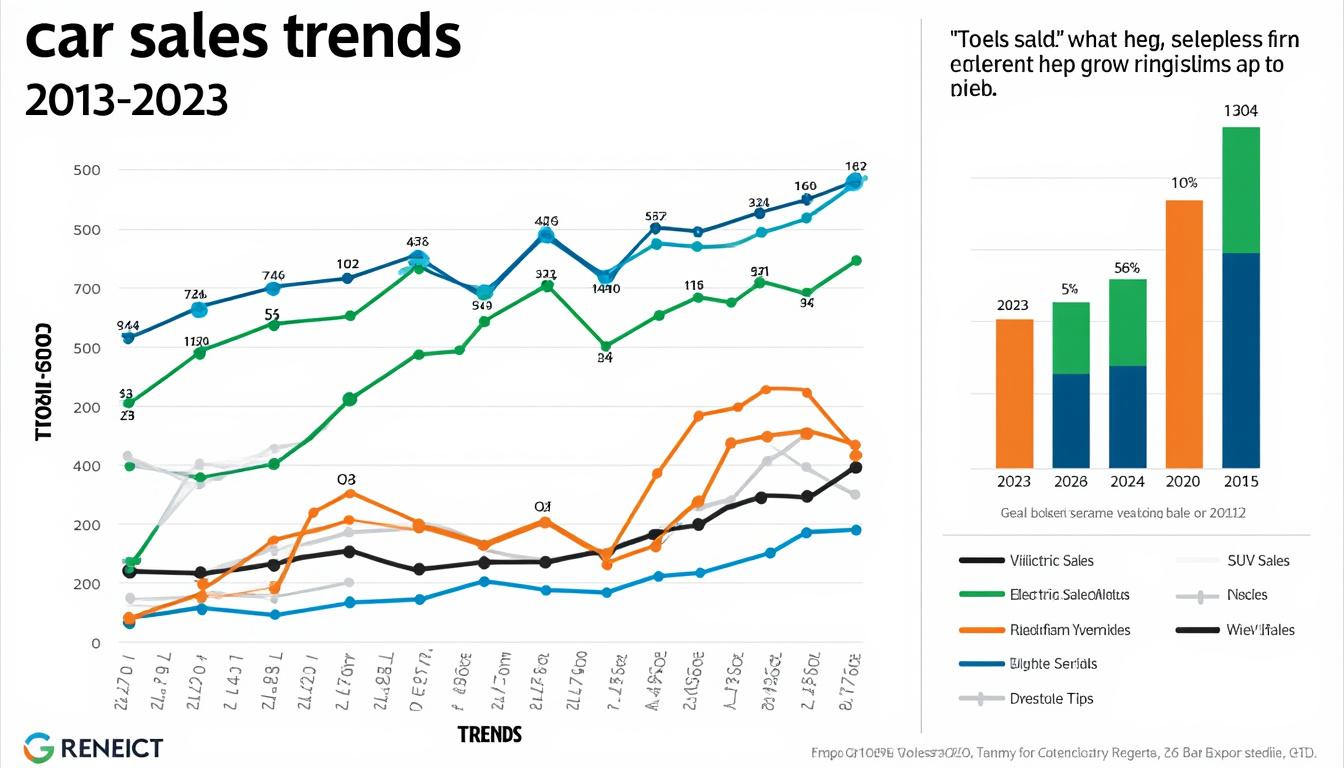
The impact of the change in the ecological bonus on the French automotive market is expected to be significant. As sales of eco-friendly cars have dropped by 7.3% since the beginning of the year, this new aid could reverse the trend.
Major manufacturers like Nissan, Volkswagen, Ford, and Tesla are closely monitoring these developments. They need to adjust their business strategies accordingly. The revaluation of the bonus could also encourage newer models to be better received in the market.
An expected increase in sales?
The bonus scheme should have a positive effect on purchases. The implementation date also coincides with the launch of new product lines. Eco-friendly vehicles from brands such as Audi and BMW are particularly anticipated by consumers. Here are some examples of models to watch out for under the new bonus:
- Renault: A new compact model combining performance and energy efficiency.
- Peugeot: The latest version of its famous electric sedan.
- Citroën: A family car with low consumption.
- Dacia: Entry-level model with a very attractive value for money.
- Tesla: The next generation of its electric SUVs.
It is imperative to note that all of this will depend on consumer behavior in response to the revaluation. An open house weekend is planned for mid-June, and dealerships are eager to showcase the new models while hoping that the bonus will encourage buyers to finalize their purchasing decisions.
The necessary adjustments
Particular attention must also be paid to the adjustments that dealerships will need to make. They must be prepared to juggle potential changes in customer demands. For example, Volkswagen and Ford will need to adapt their marketing to new targets represented by the lower deciles, to understand their needs and anticipate buyers' expectations.
- Establish clear communication strategies regarding the new bonuses.
- Offer special incentives for end-of-line models.
- Provide extended test drives to reassure buyers who have been hesitant until now.

Future scenarios and perspectives for consumers
The changes made to the ecological bonus system underline the government's commitment to renewable energy. Indeed, the transition to electric vehicles is at the heart of public policies. Therefore, future scenarios for consumers will be determined by the ability of the government, businesses, and associations to create alignment between their goals.
The consequences of a successful transition
If the revalued ecological bonus succeeds in boosting sales, this could lead to several positive consequences for consumers:
- Acceleration of the acceptance of electric vehicles: Companies will need to offer better availability of vehicles.
- Decrease in ownership costs: Direct aids will contribute to reducing the total acquisition cost.
- Improvement of charging infrastructure: To support this transition, the government could intensify investments in charging stations.
The challenges ahead
However, challenges remain to ensure a sustainable future in the electric vehicle sector:
- Fluctuation of aids: Uncertainties related to CEEs can complicate forecasts for future purchases.
- Accessibility of the market: The offer must be sufficiently varied to reach a broad clientele, including low-income households.
- Consumer education: Understanding the benefits of electric vehicles is essential to encourage their adoption.
Sector players must, therefore, work together to offer suitable solutions, ensure a favorable framework, and maintain enthusiasm around electric cars. Furthermore, sales figures should also be closely monitored, as they will reflect the effectiveness of these measures taken by the government.
Si vous souhaitez lire d'autres articles tels que Good news: the ecological bonus for acquiring an electric car will be increased on July 1, 2025, consultez la catégorie Non classé.
-
Lucien Boscard says:
Le nouveau bonus écologique est une excellente nouvelle pour les acheteurs d'électriques !
-
C'est une excellente nouvelle pour ceux qui envisagent d'acheter une voiture électrique. Cela va sûrement stimuler les ventes.
Leave a Reply to Lucien Boscard Cancel reply
Articles relatifs