GGS group is expanding: Citroën is teaming up with Thivolle, while de Willermin joins Kia

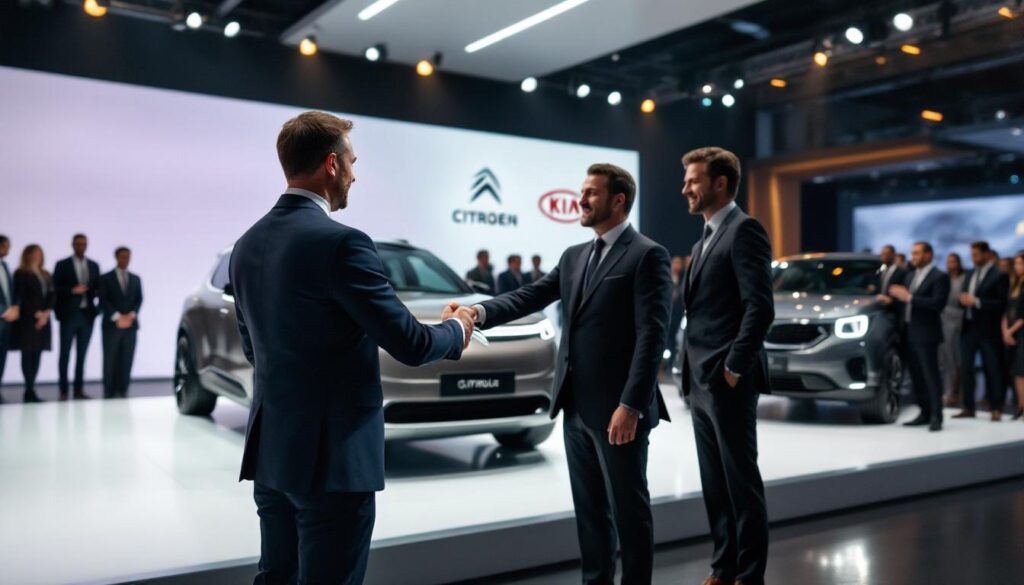

Recently, the landscape of the automotive industry has been marked by a series of strategic movements that herald a new era of alliances and expansions. The GGS group, a key player in the sector, has recently strengthened its position through the acquisition of Citroën dealerships in the Vaucluse, while closely observing other notable partnerships, such as that between de Willermin and Kia. This development raises questions about the future of automotive distribution and the potential impacts on the brands involved.
The alliance between the GGS group and Citroën: a strategic expansion
The GGS group, already well established in the south of France, has taken a big step forward by partnering with Citroën through the acquisition of two new dealerships in Cavaillon and Apt. This initiative is part of an ambitious expansion strategy aimed at solidifying and diversifying its presence in an ever-evolving automotive industry.
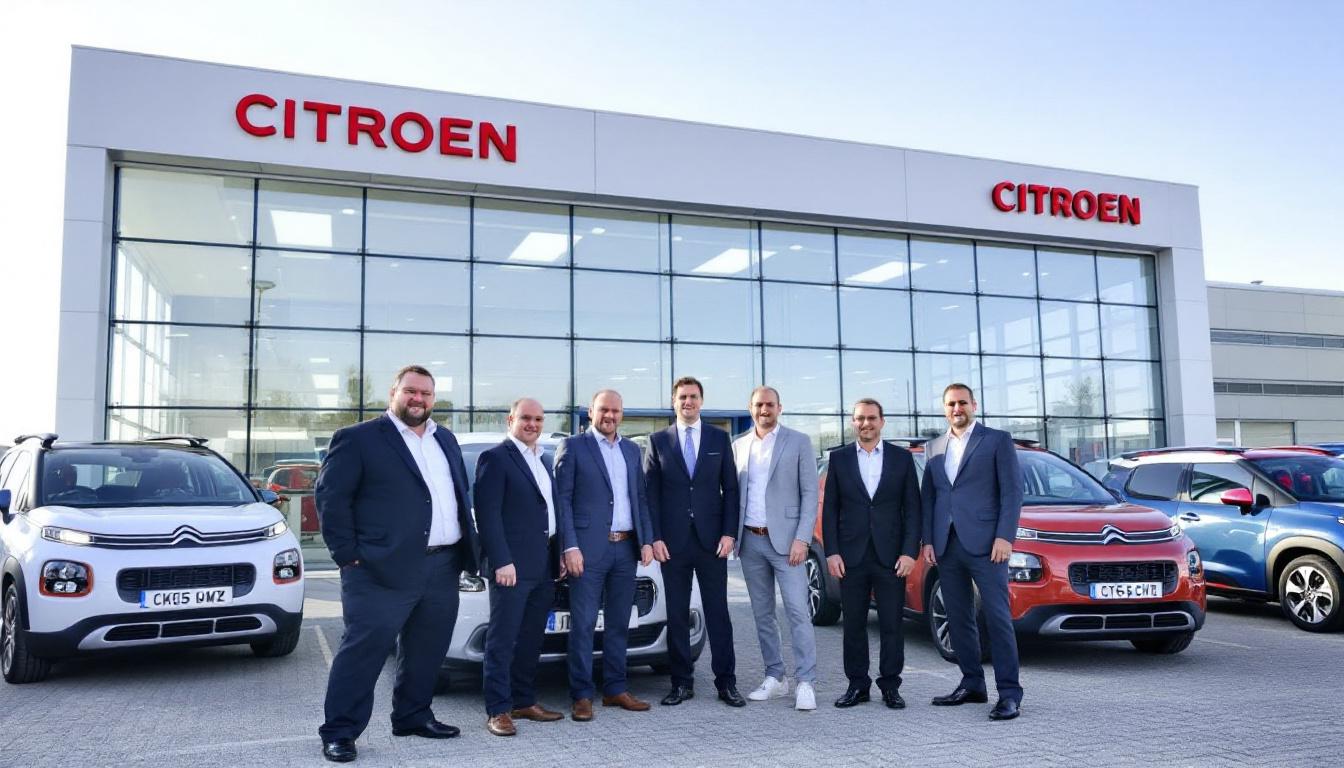
Alliances in the automotive sector are not limited to commercial transactions. They also reveal a vision, a mindset focused on the future, innovation, and customer satisfaction. The GGS group knows that the automobile is not just a means of transportation, but a way to achieve dreams and live experiences.
With this acquisition, GGS is not only gaining market share but also investing in quality relationships with customers. The connection between the dealership and the customer has become more vital than ever, especially in light of the rise of online sales and digital platforms.
As part of this acquisition, several key elements deserve to be highlighted:
- Quality of service: Citroën is renowned for its commitment to customer experience. GGS aims to maintain this reputation.
- Product innovations: The integration of the latest Citroën models, including electric and hybrid options, provides a response to environmental concerns.
- Support for dealers: GGS plans to provide local teams with all the necessary tools to excel.
Beyond sales figures, this alliance represents a customer-centric approach. It is an invitation to rethink the traditional automotive experience, to establish an authentic dialogue between the dealer and the buyer.
The stakes of the alliance for customers and employees
Employees of GGS and Citroën are facing an exciting yet delicate period. The integration of new teams and processes requires open and constant dialogue. Successfully navigating this transition is crucial. It could also revitalize the corporate culture by bringing a breath of modernity and creativity.
The stakes are not only at the local level. The entire distribution network, as well as the customers, will also be at the heart of this transformation:
- For customers: A more complete and personalized offering, integrating the latest technologies.
- For employees: Ongoing training to adapt to the evolution of products and services.
Ultimately, the culmination of this alliance could change the way customers perceive the Citroën brand and reinforce the GGS group as a leader in innovation.
Thivolle: A new era for automotive innovation
With this strategic opening, it is essential to take stock of Thivolle's involvement, which has started a partnership with Alpine. This association also reflects new dynamics in the industry. In this collaboration, the emphasis is placed on performance and design, an area where Thivolle aims to excel.
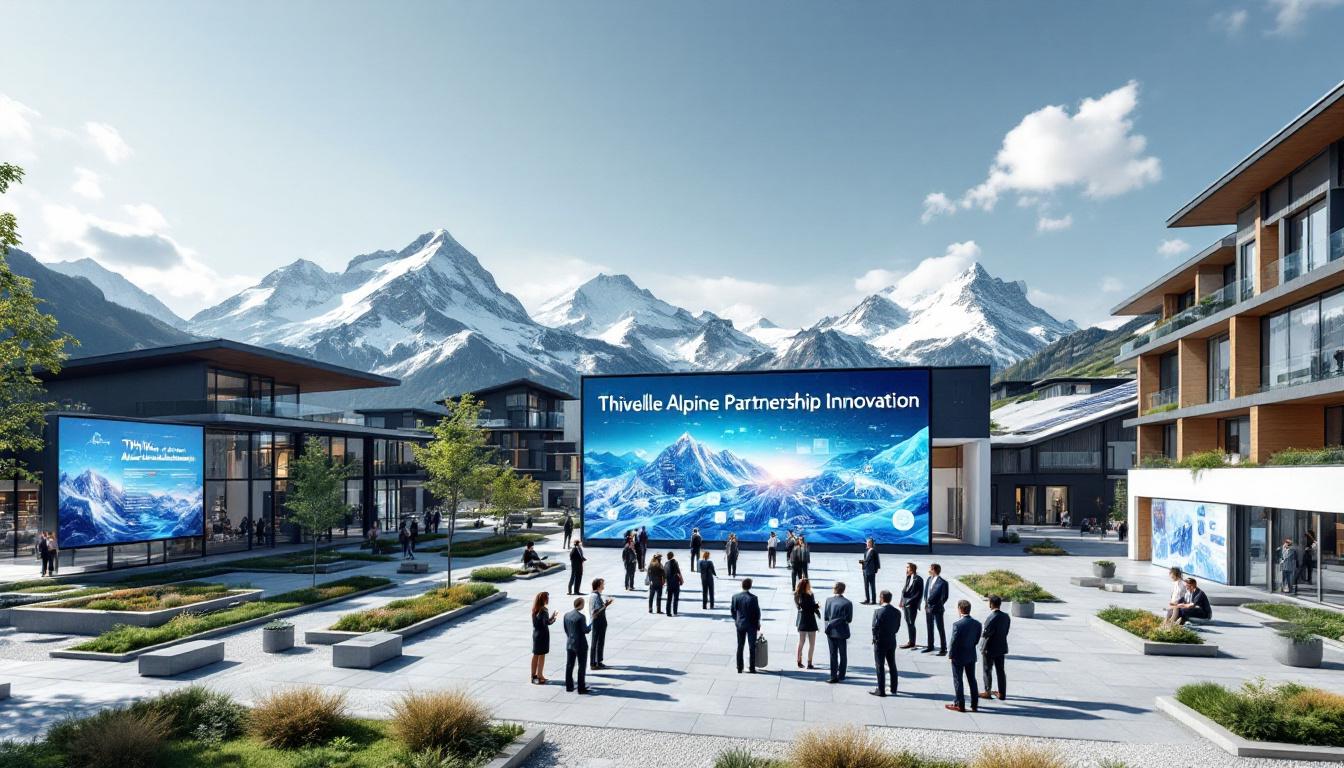
These developments raise questions about how companies can better respond to the needs of a clientele seeking personality and values. In a world where the modern buyer is increasingly seeking authenticity, Thivolle aims to make a difference through its passion for automobiles.
The shift towards more engaging and personalized solutions is reflected in consumer choices. Here are some aspects to consider for this partnership:
- Design: Emphasis on aesthetics and the unique character of the models offered.
- Performance: The promise of a superior driving experience, focused on sportiness.
- Ethics: A commitment to sustainable innovation, thanks to more environmentally friendly technologies.
To illustrate this dynamic, let’s take recent models that captivate the attention of enthusiasts. The development of vehicles that combine performance and ecology represents a response to the expectations of new customers, who also like to be involved in their purchasing process.
A model to follow: integrating ecology into the automobile
It is undeniable that the automobile must reinvent its image. The immense challenge facing the industry today lies in its ability to reinvent itself, to integrate environmental concerns while meeting the aspirations of motorists. Thivolle and Alpine seem well on their way to meeting this challenge.
Several studies show that customers increasingly prioritize brands that integrate ethical and sustainable values into their offering. This pushes market players to innovate constantly. Here are some concrete benefits of this approach:
- Strengthening brand image: By advocating modern values, Thivolle clearly differentiates itself.
- Customer loyalty: A customer committed to sustainable development values is more likely to return.
- Attractiveness for future employees: Working for an ethically oriented company is an asset for attracting talent.
The future of the automobile will undoubtedly be oriented towards this more environmentally friendly economy, of surprising efficiency. This paradigm shift will necessarily shape future partnerships and alliances.
De Willermin and Kia: A refrain of innovation
At the same time, the dynamics of the alliance are strengthened with the arrival of de Willermin at Kia. This company, which recently celebrated its 50th anniversary, demonstrates remarkable solidity and adaptability. By joining Kia, de Willermin has the opportunity to ally itself with a brand recognized for its innovation and bold design.

As Kia continues to redefine its models through modern lines, de Willermin can accompany it on this adventure while bringing its expertise and solid local networks. The synergy of their visions could make for an iconic partnership. What can we expect from this collaboration in terms of challenging standards?
It is useful to consider the motives behind this decision:
- Sharing expertise: Valuable exchanges between teams for skill enhancement.
- Access to advanced technologies: By partnering with Kia, de Willermin positions itself at the forefront of innovation.
- Expanding the customer base: The Kia brand attracts a young clientele, creating new opportunities.
The strategic geographic position of de Willermin, combined with Kia's dynamic image, promises to redefine the customer experience. An innovative sales model has the potential to attract a clientele eager for new purchasing experiences.
A vision for the future of the automobile
The partnership between de Willermin and Kia shows how industry players can not only survive but thrive in a climate of change. This collaborative model could become the industry standard, as it lays the groundwork for resource sharing, improving offerings, and mutually enriching the customer experience.
The consequences of this partnership on the automotive landscape are significant. With the emergence of new expectations, brands must fully engage in a process of continuous adaptation. Here are some elements to anticipate in the coming months:
- Technology: Increased investment in new technologies, especially in the electric sector.
- Customer education: Events and campaigns aimed at informing consumers about the features of new models.
- Community engagement: Local initiatives to strengthen the ties between the brand and its customers.
This strategic turning point offers a fresh perspective on how the alliance between companies can help overcome the challenges of the modern era, with significant implications for the future.
The global perspective: innovations and collaborations
The expansion of the GGS group with the integration of Citroën, the collaboration between Thivolle and Alpine, as well as the arrival of de Willermin at Kia, testify to a marked trend towards strategic partnerships. Each alliance offers a new path to adapt to the contemporary challenges of the automotive industry.
In this sense, companies need to reflect on how they can leverage these movements. Whether aligning their values with customer expectations or integrating sustainable initiatives, the key lies in a genuine commitment to innovation.
Before concluding on these alliances, it is pertinent to remind the importance of a long-term vision. Companies must now look beyond immediate profit and consider a future where sustainability and customer satisfaction are paramount.
Alliances appear as a powerful means not only to exceed customer expectations but also to position themselves as thought leaders in a changing sector. How can the automotive community prepare for these changes? What challenges accompany these innovations? The future remains to be imagined, but the determination to move forward is palpable.

Si vous souhaitez lire d'autres articles tels que GGS group is expanding: Citroën is teaming up with Thivolle, while de Willermin joins Kia, consultez la catégorie Constructeurs.
-
Alaric Verneuil says:
Ces alliances sont intéressantes et montrent une bonne direction pour l'avenir de l'automobile.
-
L’alliance entre GGS et Citroën semble prometteuse pour l'avenir de l'automobile.
-
C'est fascinant de voir comment ces alliances transforment l'industrie automobile. L'avenir semble prometteur!
Leave a Reply
Articles relatifs