Germany in disarray: the discreet fall of its automotive industry

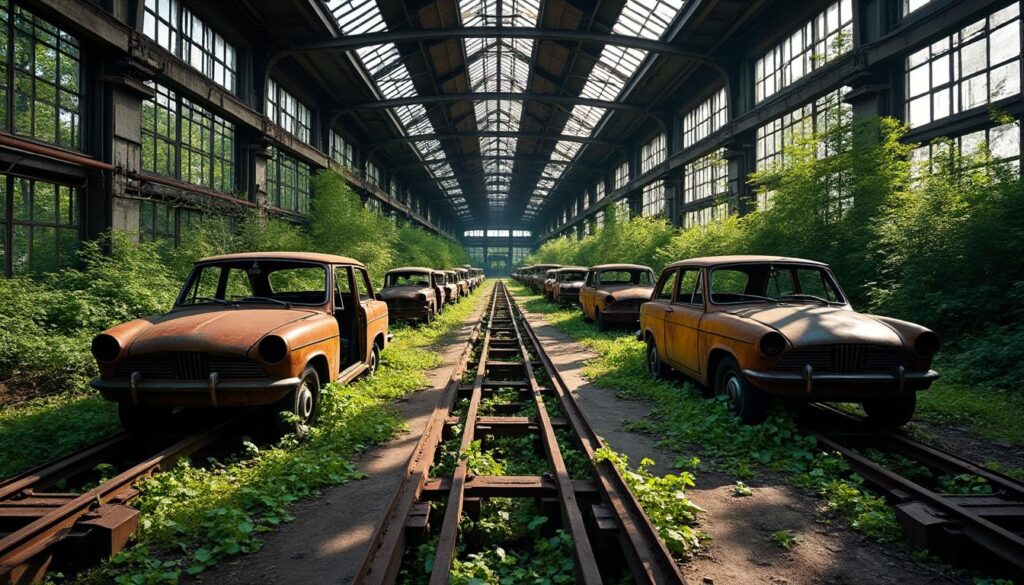

The German automotive industry, once a beacon of excellence and innovation, finds itself at a critical crossroads today. Giants such as Volkswagen, BMW, and Mercedes-Benz are facing colossal challenges, weakened by unexpected profit drops and fierce competition. What strategies can they adopt to navigate this storm?
Alarming results for the industry’s flagship companies
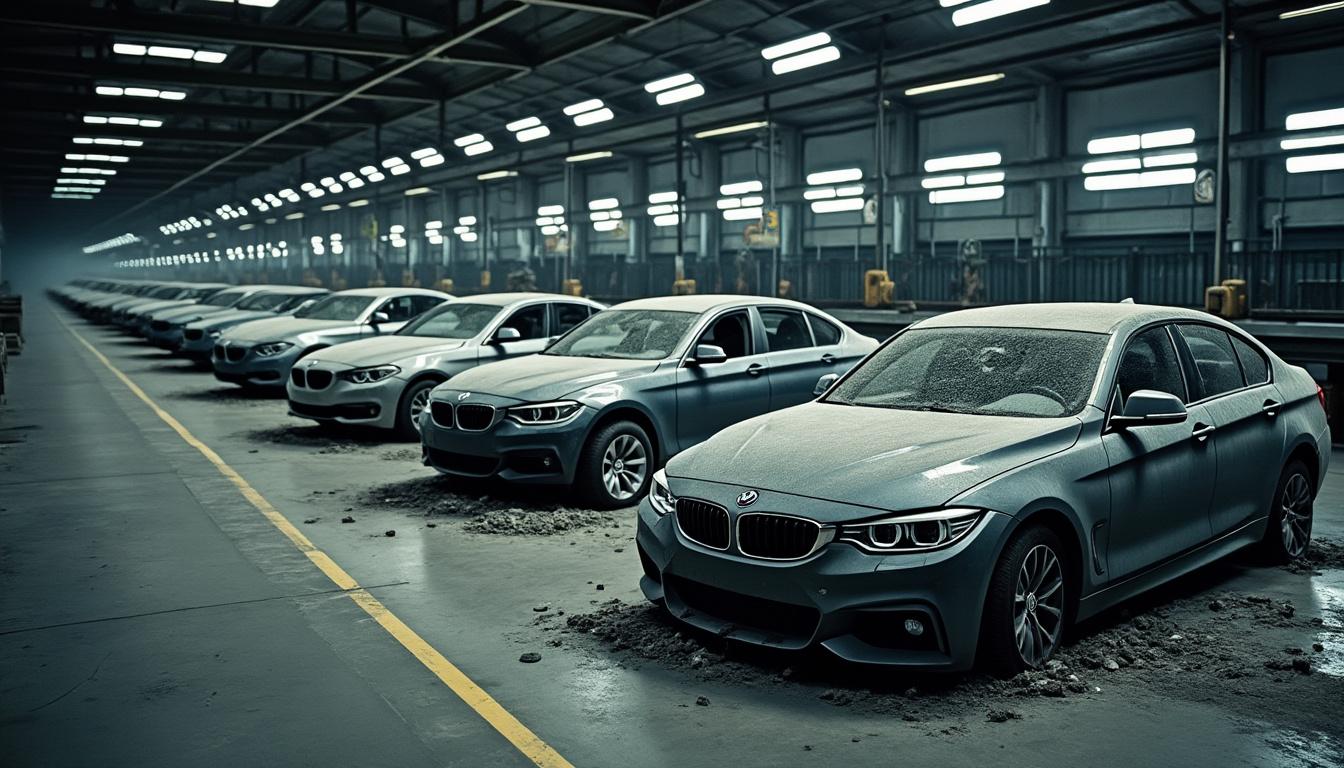
The numbers speak for themselves. The first quarter of 2024 was remarkable, with Volkswagen reporting a 37% drop in its operating income. Alongside, BMW struggles with a 28.3% reduction in its profit, while Mercedes-Benz suffers a collapse of 40.7%. These performances reflect a brutal decline in demand, especially in China, where local manufacturers, such as BYD, are emerging with high-performing electric models at attractive prices.
The double whammy of tariffs
The challenges do not stop there, with a 25% tax imposed on imported vehicles in the United States. This decision has hit the sector hard, altering the trade dynamics and exacerbating an already precarious situation. German manufacturers must now question their strategy for presence in these key markets:
- Adapting offerings to meet specific consumer expectations 🚗
- Developing local production solutions to mitigate the impact of tariffs 💼
- Investing in innovation to maintain competitiveness ✨
Lessons to be learned from electrification
Despite these battles, BMW is gaining a head start in electrification. With models like the i4 and iX, this manufacturer demonstrates that it is possible to combine style with electric performance.
| Model | Range | Performance | Price |
|---|---|---|---|
| BMW i4 | 590 km | 340 hp | €45,000 |
| BMW iX | 566 km | 326 hp | €70,000 |
This early orientation towards electrification allows them to strategically position themselves in the Western market, but the challenge remains in China where competition is becoming fierce. 🏎️
Mercedes-Benz: strategic revisions necessary
On the other hand, Mercedes-Benz is facing the consequences of strategic choices that are proving disastrous. The failure of the EQ range, notably the EQS sedan, calls their approach into question. Instead of attracting consumers, these models are often sold at bargain prices in the used car market. What can be done to get back on track? 🤔
- Reviewing electrification priorities 🛠️
- Restoring a strong identity as a luxury brand 🎩
- Improving onboard technology to appeal to the modern consumer 📱
Volkswagen: the giant in transition
Volkswagen, as the second-largest manufacturer in the world, must also face major challenges. With a limited presence in the United States, its margins are under pressure, exacerbated by increasing tariff barriers. To reverse the trend, several initiatives are underway:
| Initiative | Objective | Impact |
|---|---|---|
| Strategic partnerships | Accelerate innovation | Strengthening technological capabilities 🤝 |
| Staff reductions | Decrease fixed costs | Support profitability 💵 |
Although the challenge is colossal, these strategies show that there are pathways to resilience and recovery for the German automotive industry.
The necessity for radical transformation
The heart of the issue lies in the need for a deep transformation of vehicle design and manufacturing processes. These changes, though difficult, are essential to repair brand images and meet growing customer expectations. ⚡️
- Investing in electronics and software skills 🖥️
- Focusing on an innovative user experience 🌍
- Exploring sustainable long-term business models ♻️
As the future of the sector remains uncertain, the ability of key players to adapt and innovate will be crucial. Change has never been more urgent.
Si vous souhaitez lire d'autres articles tels que Germany in disarray: the discreet fall of its automotive industry, consultez la catégorie Non classé.
-
Solène Grivault says:
Il est temps que l'industrie allemande se réinvente complètement pour rester compétitive.
-
L'électrification est clairement la clé pour l'avenir de ces marques emblématiques.
-
C'est préoccupant de voir l'industrie automobile allemande en difficulté. Un grand changement est nécessaire.
-
L'industrie automobile allemande doit vraiment se réinventer pour rester compétitive face à la concurrence.
Leave a Reply to Lysandre Duval Cancel reply
Articles relatifs