Ford raises the prices of its vehicles manufactured in Mexico



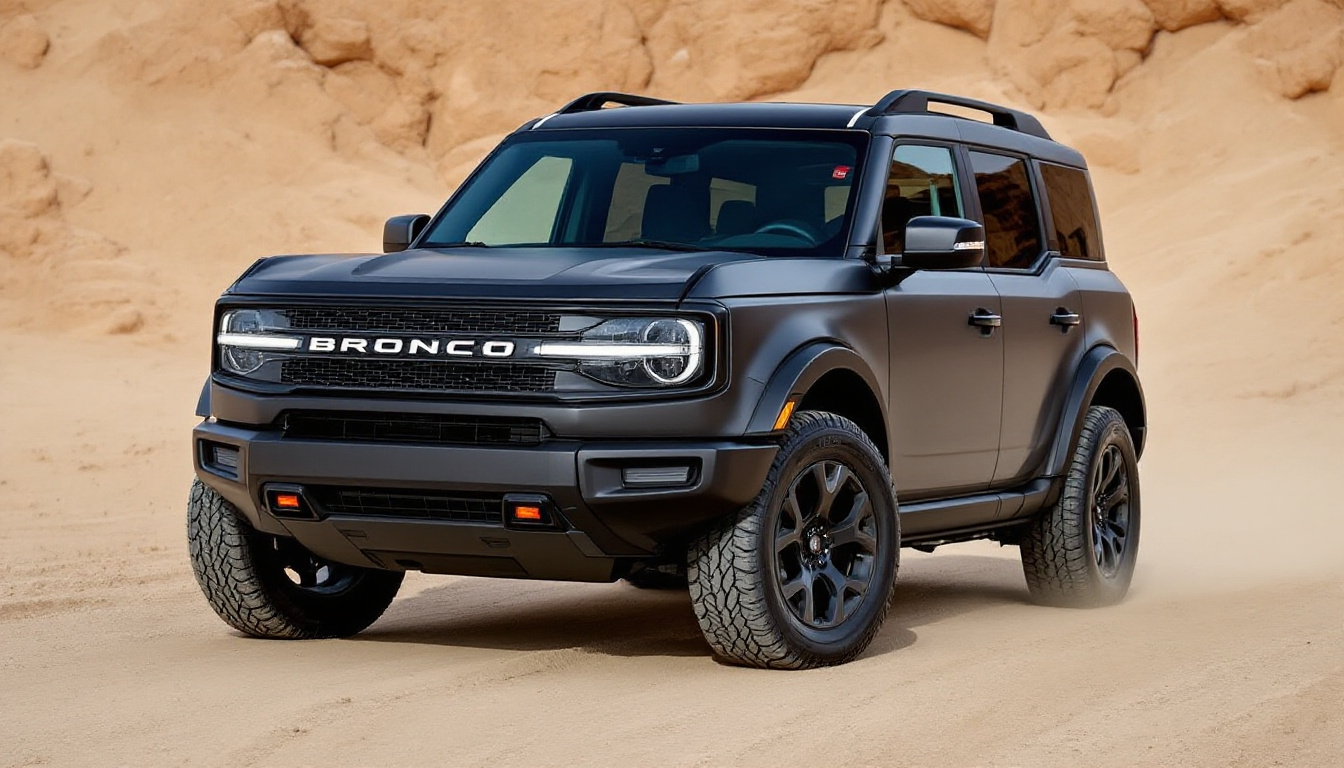
Ford, one of the giants of the automotive industry, is at the heart of a commercial storm due to the rise in tariffs on its vehicles produced in Mexico. With tariff increases reaching up to $2,000 for certain iconic models, this decision has significant repercussions on the market and positions Ford in a reactive dynamic in the face of uncertainties caused by the trade war between the United States and its economic partners. The most affected models include the Mustang Mach-E, the Bronco Sport, and the Maverick pickup, all made in Mexican facilities. What are the reasons behind this increase? How does it affect consumers and the competitive landscape of the automobile industry?
The reasons behind the increase in tariffs at Ford
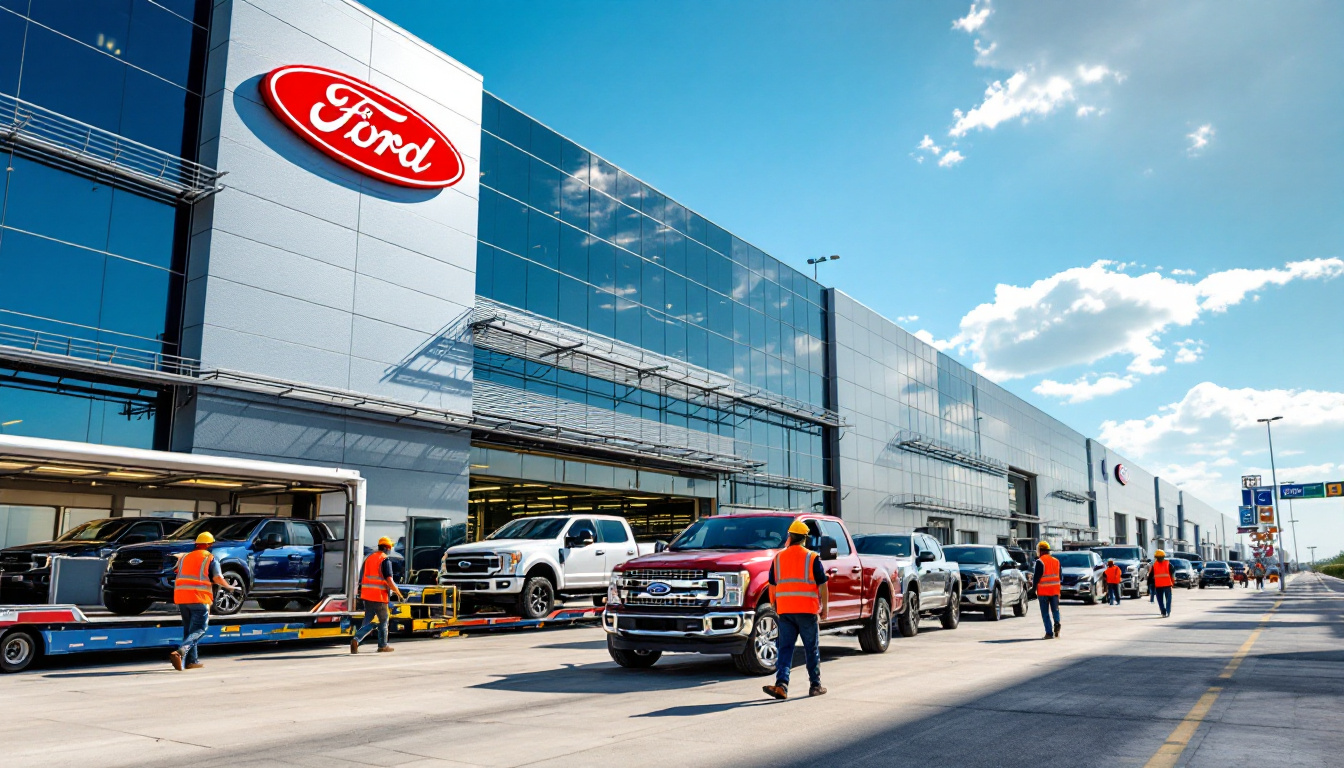
Ford is facing an uncertain economic environment, particularly concerning its manufacturing operations in Mexico. The source of this tariff increase primarily lies in the tariffs imposed by the Trump administration on imported vehicles. These tariffs, considered by many as a form of protectionism, significantly increase production costs for manufacturers like Ford.
Impact of tariffs on the automotive industry
The tariffs imposed by the United States have a direct impact on manufacturing costs. Ford estimates that these new tariffs could lead to a total increase in costs of about $2.5 billion by 2025. This forecast remains concerning, especially for an automobile market already plagued by numerous challenges. The situation is serious enough for Ford to suspend its annual profit forecasts, indicating that uncertainty is rising.
In 2024, Ford is expected to import about 420,000 units into the American market, a considerable number compared to the volumes of other major players like General Motors and Stellantis, who plan to import nearly 1.2 million vehicles.
- Tariff increases of up to $2,000 per vehicle.
- Suspension of annual profit forecasts.
- Additional costs estimated at $2.5 billion by 2025.
A strategic approach to cope with rising costs
Ford defends its decision to raise prices by stating that it is a routine mid-year price adjustment, incorporating the impact of new tariffs. The company insists that it has not fully passed these costs onto its customers, aiming to remain competitive in a tight market.
However, this approach is not only an economic variable but also a matter of survival in a market where innovation and ecology are becoming essential. Consumers are becoming increasingly aware and demanding, pushing manufacturers to react proactively.
| Model | Initial Price ($) | Expected Increase ($) | Price After Increase ($) |
|---|---|---|---|
| Mustang Mach-E | 43,000 | 2,000 | 45,000 |
| Bronco Sport | 30,000 | 1,500 | 31,500 |
| Maverick | 25,000 | 1,200 | 26,200 |
A pressured market:
The tariff increases are not only affecting Ford. Other players in the automotive industry are also feeling the pressure from tariffs, leading to a genuine trade war. The restructuring of distribution and the modification of supply chains have become necessary for major automotive names. Companies like General Motors have expressed estimates of impacts running into billions of dollars due to these same tariffs.
Consequences for competing brands
As Ford adjusts its prices, other brands are adopting various strategies. Some companies decide to maintain their prices while absorbing costs, while others choose to increase their tariffs. This variation creates a divide in the market, where consumers are left juggling their vehicle model preferences and the implications of these economic choices.
- General Motors' reaction to price increases.
- Diverse pricing strategies of competitors.
- Growing pressure on consumers seeking value.
Affected vehicle selection
Currently, here are some specific Ford models that will be affected by price increases:
- Mustang Mach-E
- Bronco Sport
- Maverick
| Brand | Estimated Adjustment Costs ($) | Market Reaction |
|---|---|---|
| Ford | 2,000 | Increased demand despite price hikes |
| General Motors | 5,000 | Maintaining prices for the current year |
| Stellantis | 3,500 | Absorbing costs in the short term |
Environmental challenges and innovation in automobiles
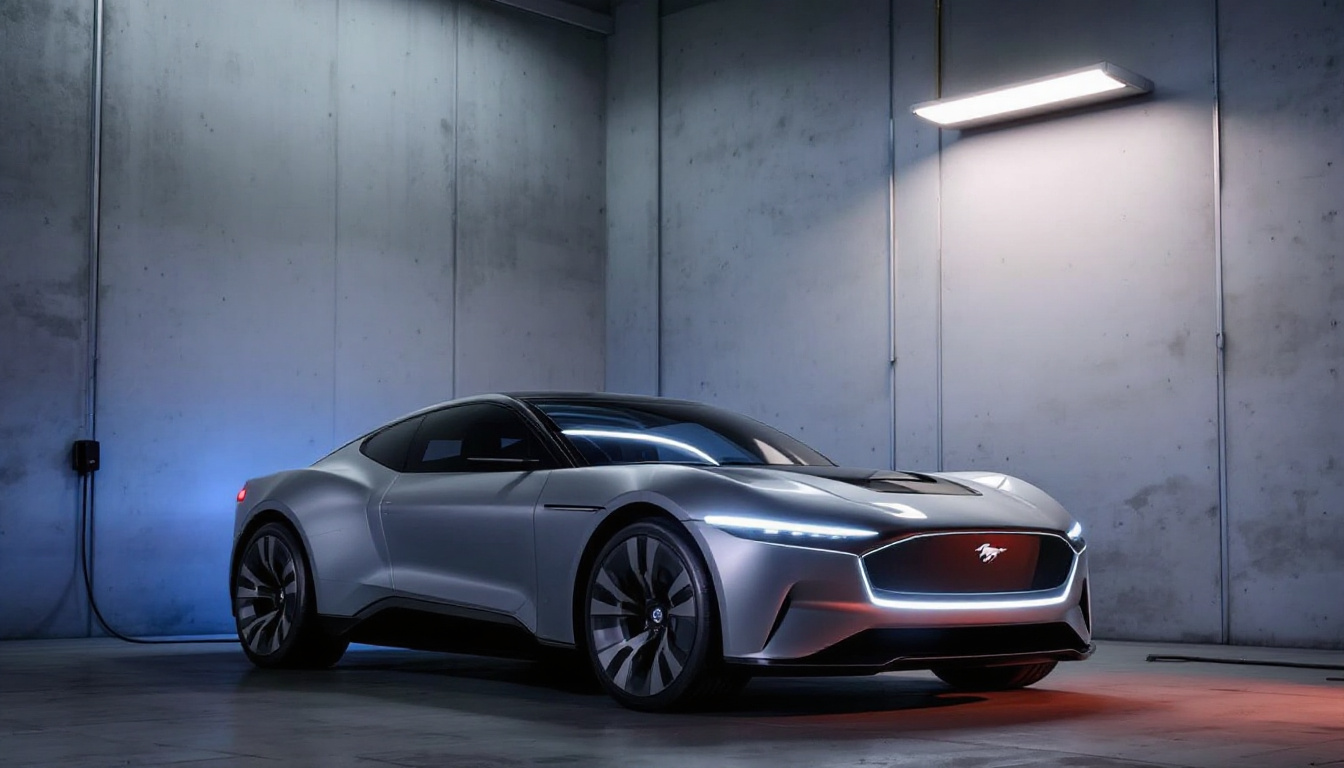
At the same time, this tariff war highlights sustainability issues. In a world where innovation and ecology have become key criteria for consumers, Ford must also focus on its commitments to ecology. The future of electric cars, like the Mustang Mach-E, depends not only on technical specifications but also on the company's ability to navigate this difficult economic environment.
New technologies for ecology
As the market evolves, it is crucial for companies to reinvent themselves. Innovation must play a fundamental role in developing future models. Many players in the industry are beginning to emphasize technologies that reduce carbon footprints, improve sustainability, and simplify production. On this point, Ford has already embarked on a strategy of integrating new technologies.
- Investments in electric vehicles.
- Partnerships for hydrogen research.
- Development of recyclable materials for manufacturing.
Examples of innovative models
Among the promising models, revolutionary initiatives are emerging such as:
- The development of more sustainable battery systems.
- The design of vehicles capable of increased autonomy.
- Smart energy management systems in vehicles.
| Model | Ecological Technology | Anticipated Impact |
|---|---|---|
| Mustang Mach-E | Low carbon footprint battery | Substantial reduction in emissions |
| F-150 Lightning | Integrated solar charging | Improvement of energy autonomy |
| Bronco Sport | Recycled materials | Ensuring the sustainability of the production chain |
Perspectives on the future of the automotive industry
The constantly evolving automotive industry must anticipate changes not only in technology but also regarding pricing strategies. Ford, while being a major player, must succeed in juggling its price increases and its commitments to ecology. The future of the vehicle market is intrinsically linked to responsible choices from both consumers and companies.

Projections for the electric vehicle market
The demand for electric vehicles is rapidly growing. In this way, the market could experience significant transformations. Brands that fail to adapt will lose their relevance. Ford's long-term vision must include innovations that resonate with the aspirations of tomorrow's consumers. Companies must be at the forefront of sustainability and innovation.
- Continued increase in interest in eco-friendly cars.
- Revolution of supply chains to support innovation.
- Focus on sustainable manufacturing by 2030.
Si vous souhaitez lire d'autres articles tels que Ford raises the prices of its vehicles manufactured in Mexico, consultez la catégorie News.
-
Tarnis Léandre says:
C'est vraiment inquiétant de voir comment les tarifs peuvent influencer les prix des voitures.
-
Les hausses de tarifs de Ford compliquent vraiment les choix pour les consommateurs. Ça va être difficile.
-
Les augmentations de tarifs compliquent vraiment les choix des consommateurs. Espérons que cela n'affecte pas trop le marché.
-
Les augmentations de tarifs compliquent vraiment l'accès aux nouveaux modèles électriques. C'est inquiétant.
-
C'est inquiétant de voir comment les tarifs affectent les prix et les consommateurs.
Leave a Reply to Aeliana Frossard Cancel reply
Articles relatifs