Ford introduces a revolutionary innovation in battery technology following extensive research

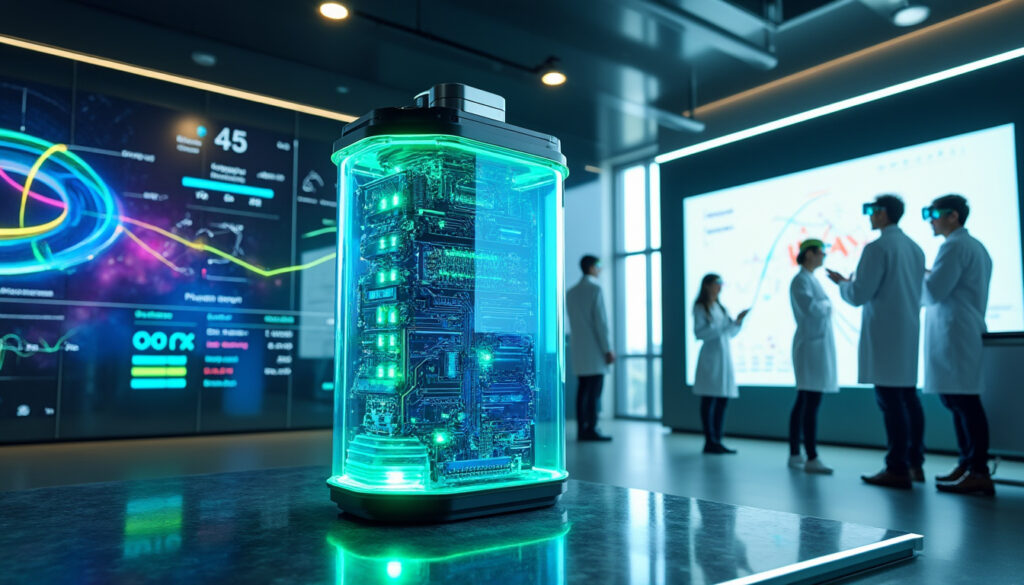

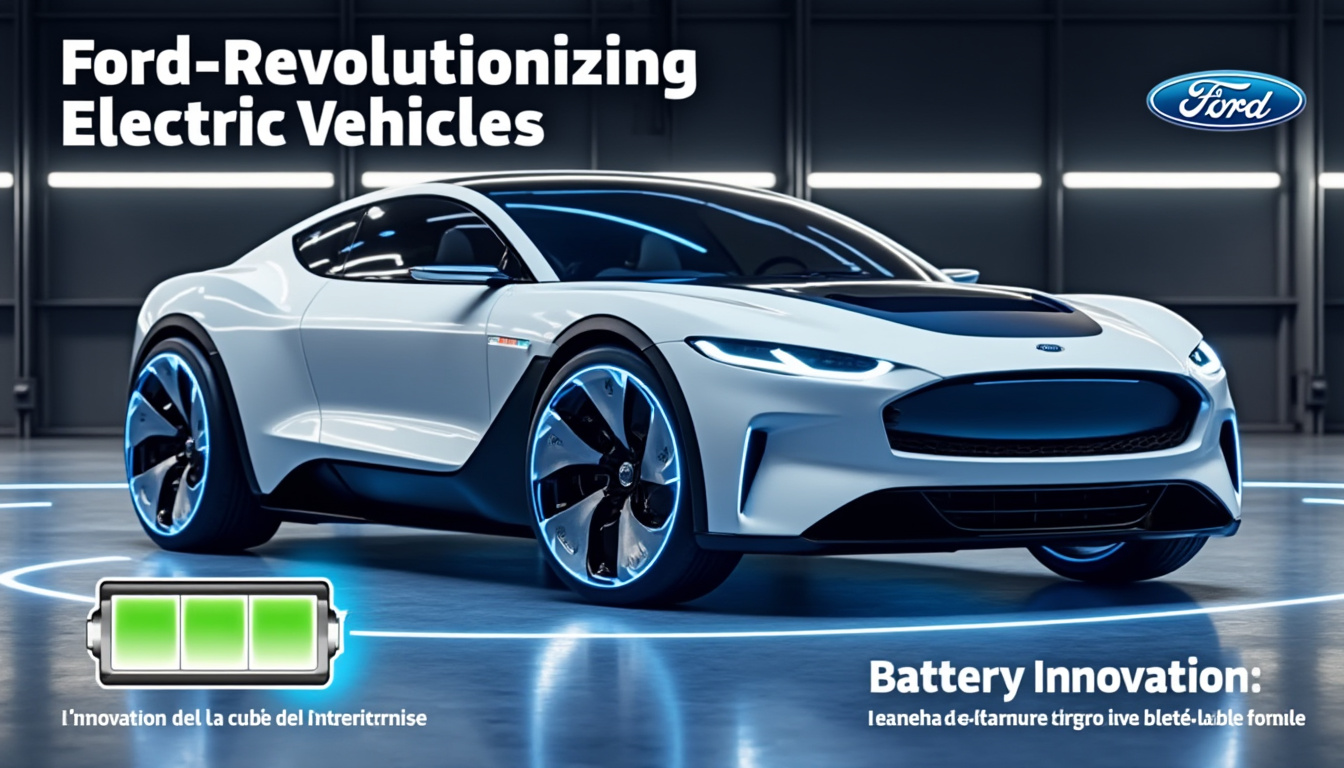
In an ever-evolving automotive world, innovation is the engine that drives manufacturers into the future. Ford has just unveiled a major breakthrough in battery technology, promising to revolutionize the electric vehicle sector. This "revolutionary innovation," the result of intensive research, could redefine consumer expectations and sustainably transform our approach to mobility.
An innovative battery chemistry that changes the game
Imagine a battery that not only enhances performance but also significantly reduces costs while promoting ecology. Charles Poon, Director of Electrified Propulsion Engineering at Ford, recently stated that his team has developed a lithium-manganese (LMR) cell chemistry. This innovation, developed at the Ion Park research center in Romulus, could be the key to making electric cars more accessible to the general public.
The advantages of LMR batteries
The LMR battery technology is not limited to enhancing electrical passives; it also generates a series of impressive advantages:
- ⚡ Improved safety: better stability at high temperatures.
- 🔋 Higher energy density: offering increased range for extended trips.
- 💰 Cost reduction: an "unprecedented" drop in production costs.
- 🔌 High voltage: ensuring a strong initial performance.
According to Poon, this breakthrough could achieve true cost parity with gasoline vehicles soon. A step towards a fully feasible and accessible energy transition!
Overcoming historical battery challenges
Although the formulation of LMR batteries has existed for several decades, its commercialization has been hindered by technical obstacles. Notable challenges include:
| Problem | Impact | Potential Solutions |
|---|---|---|
| 💥 Voltage attenuation | Substantial loss of voltage over time | Advancements in voltage stabilizers |
| 🔋 Capacity degradation | Reduction in range | Optimization of active materials |
| 🔥 Thermal instability | Safety risks | Strict temperature control |
Ford seems to have overcome these obstacles, as evidenced by the current production of these cells on a pilot line. Discretion around innovations remains a major asset in this highly competitive sector.
Integration into future Ford models
The announcement of this technology is not limited to a mere laboratory project. Ford is committed to integrating LMR cell chemistry into its future vehicles, going beyond simple prototypes. Upcoming models may include:
- 🚙 100% electric vehicles (BEV)
- 🔋 Extended range vehicles (EREV)
- 🔌 Plug-in hybrids (PHEV)
- 🚗 Conventional hybrids
This diversification makes Ford vehicles even more versatile, targeting a wide range of consumers. The "skunkworks" project for affordable electric vehicles is another promising initiative that could benefit from Ford's technological advancements.
Strengthened competition through innovation
With these less expensive and more efficient batteries, Ford is well positioned to face competition in a rapidly changing market. By focusing on performance and sustainability, the manufacturer presents an attractive offering not only for car enthusiasts but also for ecology advocates. The road ahead is still long, but every step towards innovation helps evolve the automotive industry.


For those wishing to further explore the automotive innovations of 2025, in-depth analyses are available on the innovations of the Paris Fair 2025 and many other significant events.
Si vous souhaitez lire d'autres articles tels que Ford introduces a revolutionary innovation in battery technology following extensive research, consultez la catégorie Non classé.
-
Milo Gervot says:
C'est impressionnant de voir comment cette innovation pourrait rendre les voitures électriques accessibles à tous !
-
C'est impressionnant de voir comment Ford innove pour rendre les voitures électriques accessibles à tous.
-
Cette innovation pourrait vraiment changer le jeu pour les voitures électriques. Hâte de voir ça en action !
Leave a Reply to Charles Poon Cancel reply
Articles relatifs