Five common mistakes that hinder the autonomy of electric cars

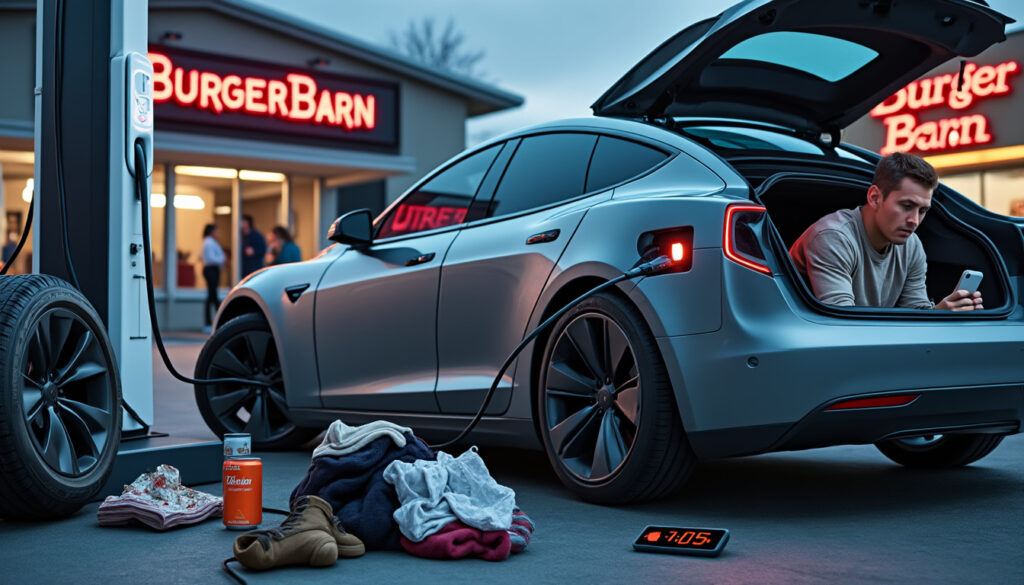

Electric cars continue to attract a growing number of consumers thanks to their ecological and economic advantages. However, several technical factors can have a significant impact on the range of these vehicles. Despite notable technological advancements, many users do not fully take advantage of these innovations, often due to a lack of understanding of the usage recommendations. Here is an in-depth analysis of the five common mistakes that can limit the range of your electric car.
Understanding Aerodynamics: An Often Underestimated Asset
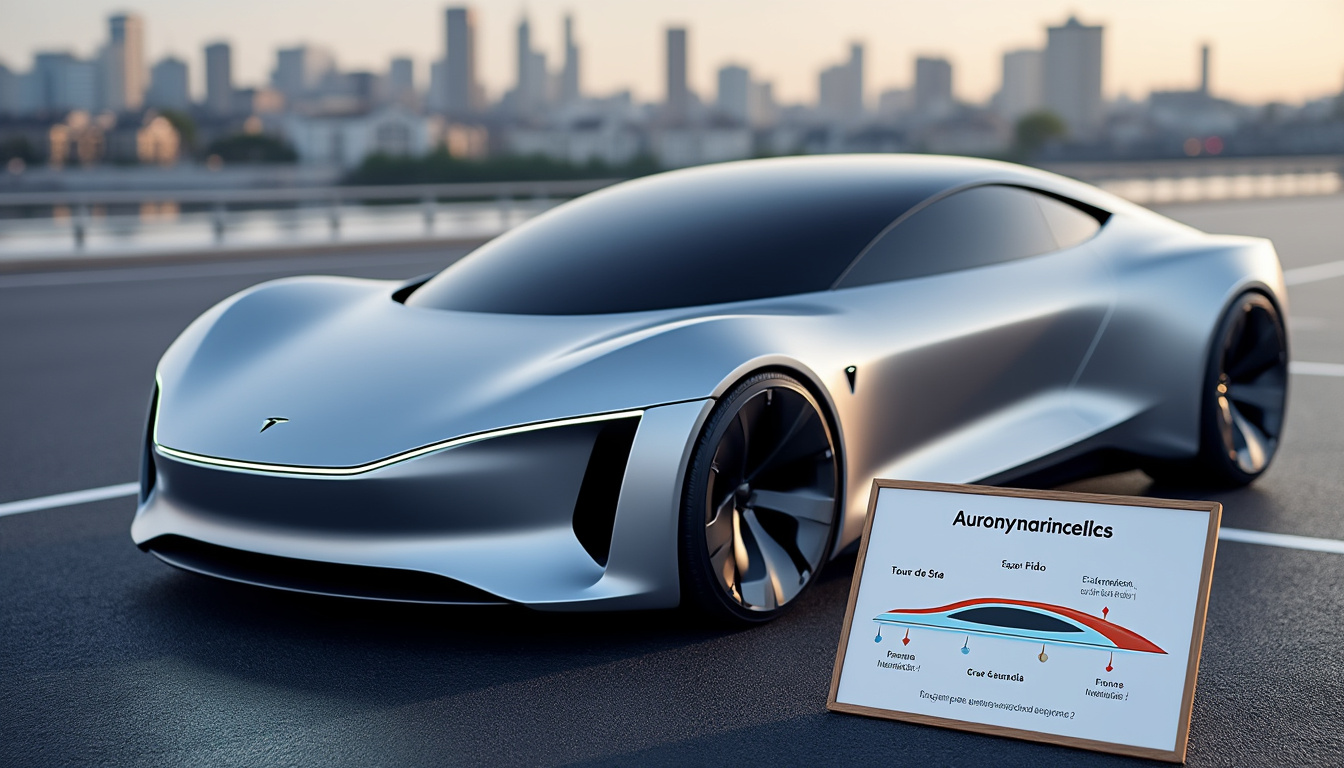
Aerodynamics remains one of the most decisive criteria for the range of electric cars. Indeed, this characteristic directly influences a vehicle's ability to reduce its energy consumption, especially at high speeds. Contrary to what one might think, it is not so much the weight of the vehicle that matters, but rather its capability to slice through the air. This principle is verified through the study of the frontal area and the drag coefficient.
The drag coefficient, symbolized by Cx, is a crucial measure. To give a concrete example, the electric sedan Mercedes EQS, with its coefficient of 0.20, consumes less energy when driving than a compact SUV that weighs 500 kg less. This illustrates how much aerodynamics can compensate for excessive weight. Another good example is the Hyundai Ioniq 6, whose SCx of 0.46 favors energy optimization, offering about 15% higher range compared to many similarly profiled models.
Influential Factors on Aerodynamics
- The design of the vehicle: Smooth lines improve air efficiency as it passes by, thereby reducing drag.
- Ground clearance: A lower ride height minimizes the turbulence created by the airflow.
- Equipment: Elements like spoiler tips or small fins can also improve aerodynamics.
It is important to note that while aerodynamics is essential at high speeds (beyond 70 km/h), it loses influence in urban contexts where weight becomes a priority factor. Indeed, small electric city cars, like some offerings from Renault or Peugeot, are often more suited for city driving.
Wheels and Tires: Aesthetic Choices, Real Impacts
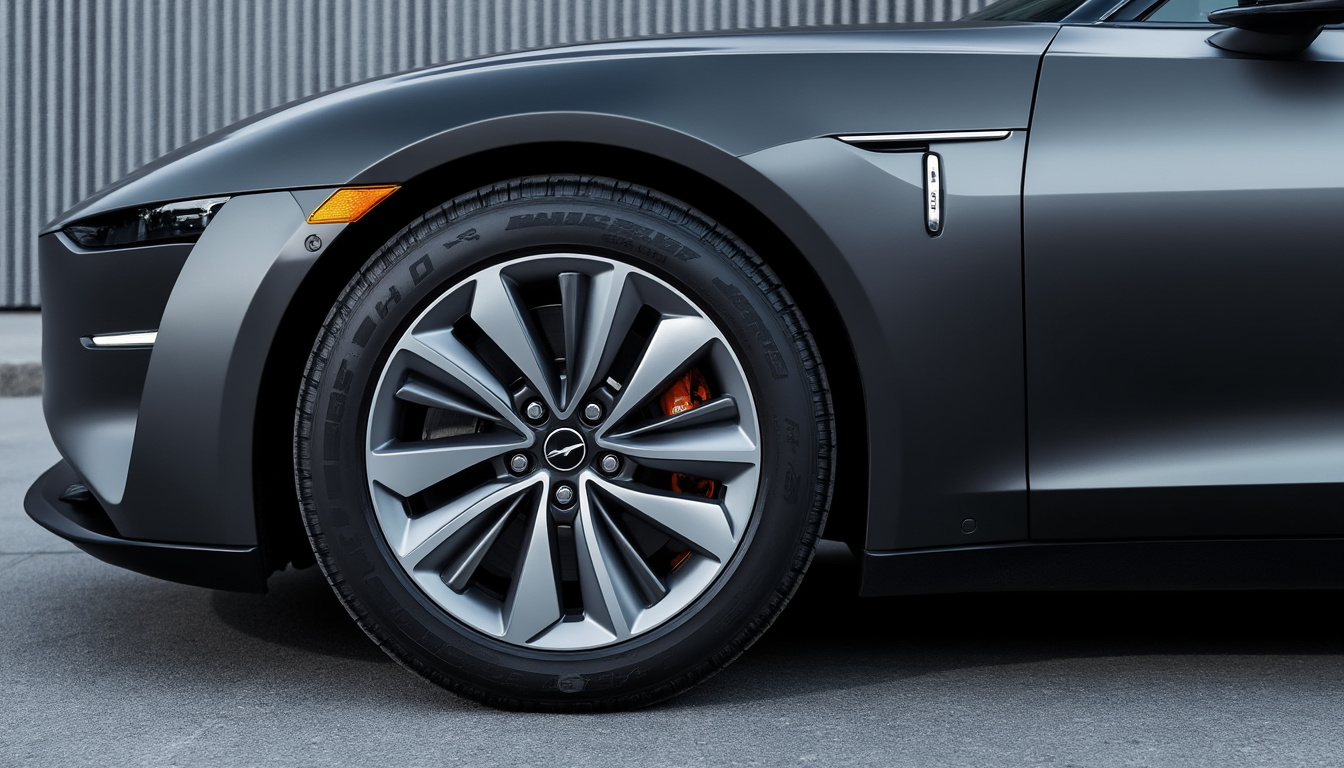
At first glance, the choice of wheels and tires may seem trivial. However, they play a crucial role in managing the range of your electric car. “Full” or aerodynamic wheels not only enhance the appearance of your vehicle but also optimize its range.
Studies show that by opting for aerodynamic wheels, a driver can observe an improvement in range of 5 to 10%. This may seem marginal, but over a long journey, it represents a significant distance. For example, the Tesla configurator: on a Model Y, switching from “Gemini” 19-inch wheels to “Induction” 20-inch wheels can lead to a loss of range of 25 kilometers, according to the WLTP cycle. This choice, motivated by simple aesthetic considerations, could have consequences for the vehicle's final charge.
Rolling Resistance
The width of the tires also impacts energy performance. Generally, tires wider than 230 mm create a higher rolling resistance, leading to increased energy consumption. Many luxury vehicles, like the BMW i4, choose wide tires to optimize road holding. However, this can also result in a decrease in range.
| Type of Wheel | Impact on Range |
|---|---|
| Standard Wheels | 0% |
| Aerodynamic Wheels | +5 to 10% |
| Wide Wheels | -10 to -15% |
To optimize range, it is therefore advisable to choose wheels and tires carefully based on individual priorities, whether it be performance or aesthetics.
Motor Technology: The Key to Energy Efficiency
The type of motor installed in your electric car is another fundamental factor that impacts range. Currently, three main technologies of electric motors prevail on the market: permanent magnet motors, asynchronous motors, and variable reluctance motors. Each type of motor has different efficiency characteristics.
- Permanent Magnet Motor: 90-92% efficiency. Predominant among manufacturers such as Tesla and Volkswagen.
- Asynchronous (Induction) Motor: 80-88% efficiency. Used by some Tesla models for the power provided on the front axle.
- Variable Reluctance Motor: Up to 95% efficiency. Adopted by Tesla and some future models of Toyota.
These differences in efficiency are particularly significant, as a modern thermal engine generally does not exceed 40% efficiency. This indicates how rapidly technology is evolving in the field of electric vehicles.

Taking the example of a manufacturer like BMW, whose new ranges utilize these technologies to maximize energy efficiency. By 2025, the incorporation of reluctance motors could well become the norm, further positioning these vehicles prominently in the sector.
Thermal Management: Optimize for Longevity
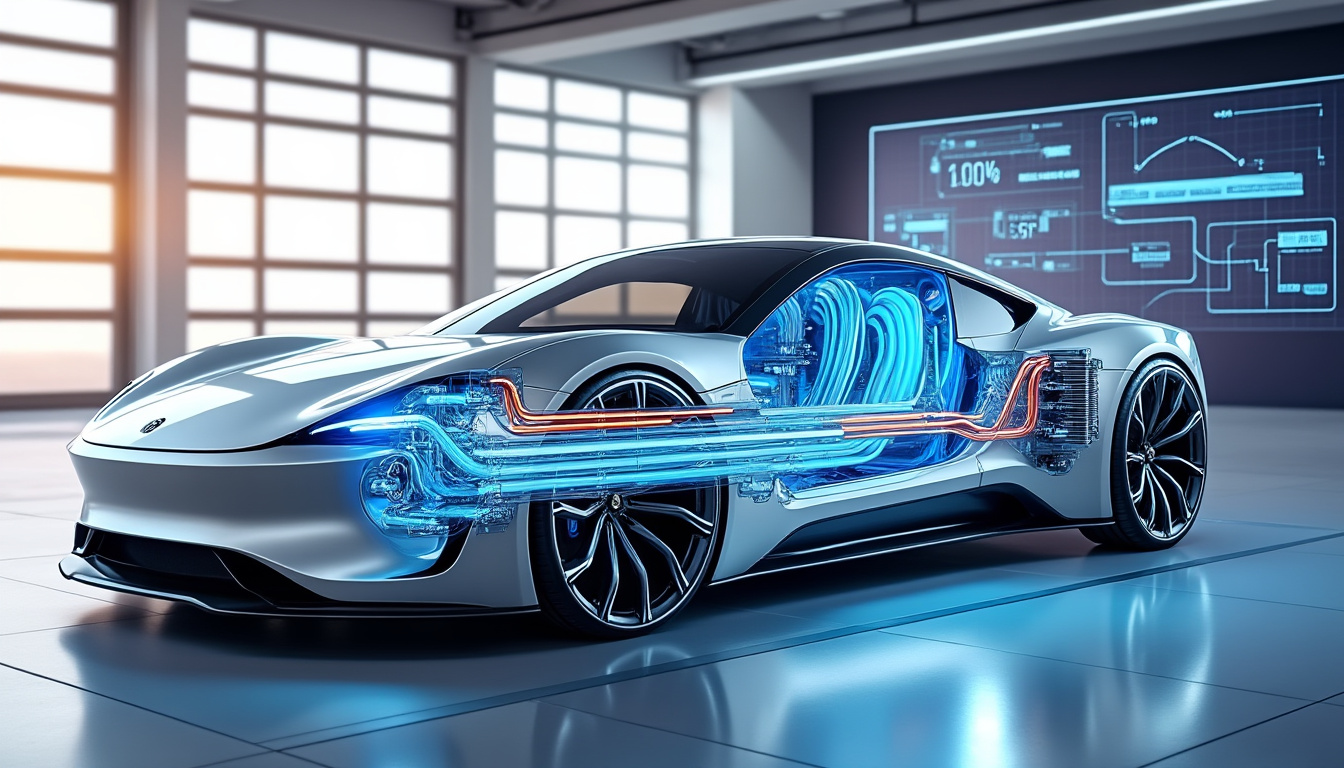
Thermal control proves crucial in the efficiency of batteries and motors. Poor temperature management can lead to significant energy losses. If too cold, a battery releases less energy, while excessive temperatures can impair performance and reduce battery life.
Thermal Management Solutions
- Liquid Cooling: Standard on all new models, it is much more effective than air cooling.
- Heat Pump: Reduces energy consumption for interior heating, vital in winter. This can provide up to 30 km of extra range on 100 km trips.
- Battery Cell Architecture: The design of the cells directly impacts heat dissipation.
| Type of Condition | Range Loss (%) |
|---|---|
| Cold Conditions | -20 to -30% |
| Hot Conditions | -10 to -15% |
| Optimal Conditions | 0% |
Models such as Nissan and Renault have recognized this necessity, integrating advanced thermal management systems to enhance the range of their vehicles.
All-Wheel Drive: A Better Approach for Some
In the context of thermal vehicles, all-wheel drive is generally synonymous with increased consumption. However, in the case of electric vehicles, this dynamic can reverse. Indeed, on cars equipped with two motors, this configuration can sometimes offer greater efficiency.
Advantages of All-Wheel Drive
- Increased Energy Recovery: With two motors, energy can be recovered more efficiently during braking.
- Optimal Motor Selection: Depending on driving conditions, the system can select the most efficient motor, thus reducing energy consumption.
- Better Traction and Stability: By increasing traction, all-wheel drive allows for improved performance in various conditions.
Some recent models, such as those from Tesla and BMW, exploit this capability to optimize road efficiency. Compared to single propulsion vehicles, this strategy can reduce energy consumption by 3 to 5% on the highway.

With current technological advancements, electric car buyers can now make more informed decisions about the features that will positively influence their range. Every detail counts, and the combination of several technical aspects can lead to a significant improvement in the efficiency of their vehicles.
Si vous souhaitez lire d'autres articles tels que Five common mistakes that hinder the autonomy of electric cars, consultez la catégorie Non classé.
-
Lior Vaillant says:
C'est intéressant de voir comment l'aérodynamisme influence vraiment l'autonomie des voitures électriques.
-
Cet article explique bien comment optimiser l'autonomie des voitures électriques, très utile pour les conducteurs.
-
Les astuces pour améliorer l'autonomie des voitures électriques sont vraiment utiles. Merci pour ces conseils!
Leave a Reply
Articles relatifs