Fire on a cargo ship in the Pacific: could electric cars not be involved?

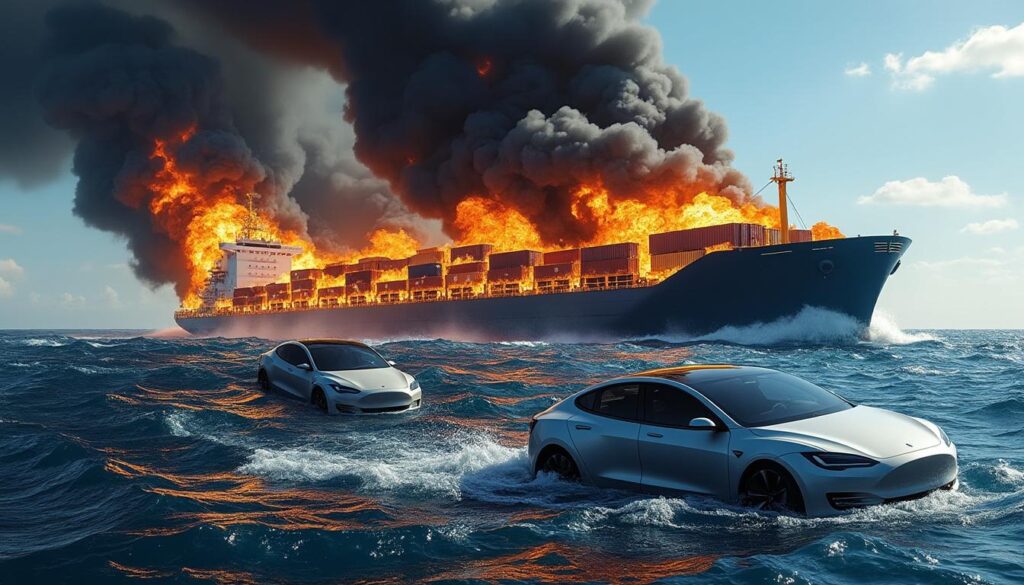

Recently, a tragic incident occurred in the Pacific Ocean: a cargo ship, the Morning Midas, caught fire at sea, carrying nearly 3,000 vehicles, including about 750 electric cars. This drama raises a question already posed by previous events: are electric cars, often pointed to as the culprits, really to blame, or are there other factors to consider? An in-depth analysis of a complex maritime safety and environmental issue.
The cargo ship Morning Midas: alarming numbers
The Morning Midas, a cargo ship specialized in transporting vehicles, was en route from the city of Yantai, China, to Lázaro Cárdenas, Mexico, when the fire broke out on the night of June 3-4, 2025. On board were approximately 3,048 vehicles, including 2,297 thermal and 681 hybrid, with only 70 electric vehicles, according to reports from Carscoops. This accident brings attention to the issue of maritime transport of battery-powered vehicles and their safety.
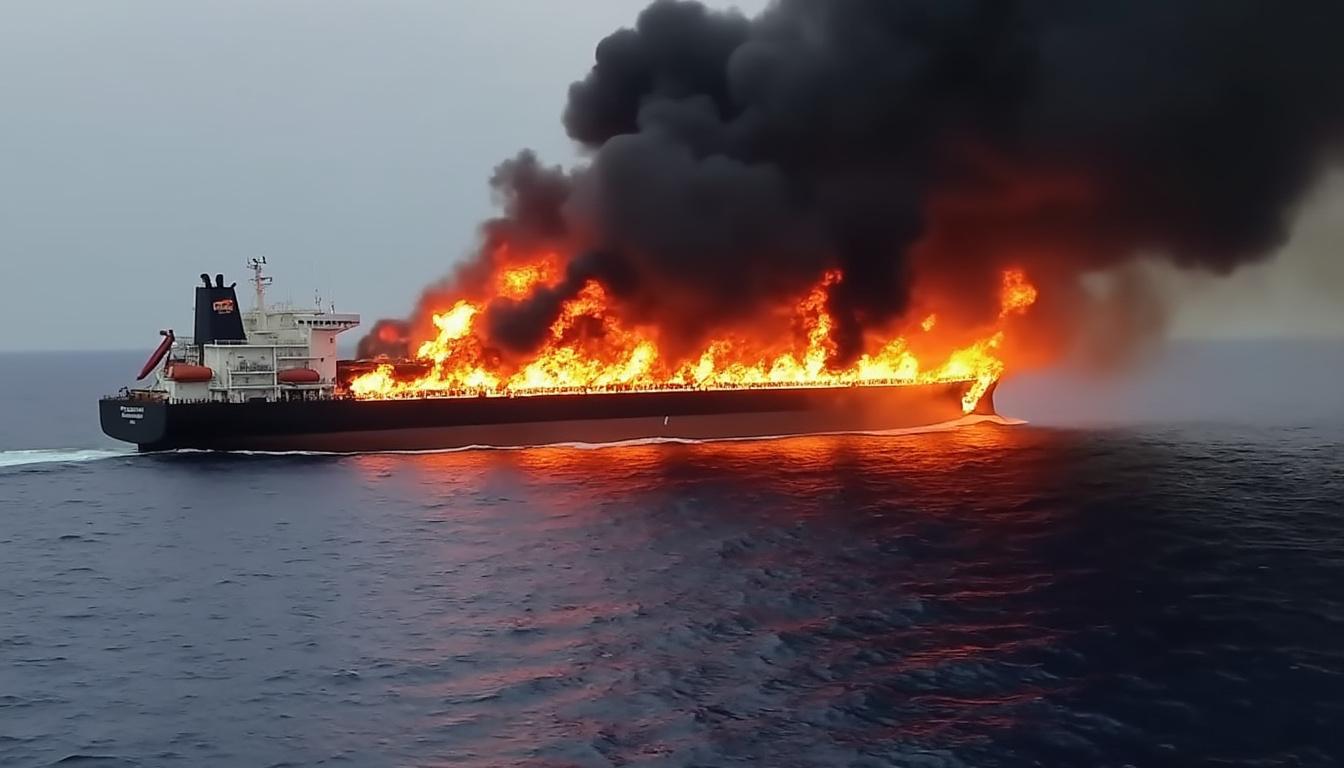
The challenges associated with the maritime transport of electric vehicles are confronted with increasingly strict regulations and the need to ensure a safe passage. The hypothesis that the cause of the fire may be related to the batteries of electric cars must be examined with caution. Indeed, previous investigations have shown that, despite the negative perception generated around electric cars, the actual culprits of such incidents can often be other elements.
List of vehicles transported by the Morning Midas
- Total: 3,048 vehicles
- Thermal: 2,297
- Hybrid: 681
- Electric: 70
The distinction between electrified and thermal cars is essential, as although accidents are often attributed to electric vehicles, the figures show that a large number of thermal cars were also present on board. The joint concern about the environment and maritime safety raises questions about the responsibility of car manufacturers and the standards to be adhered to while transporting vehicles.
| Type of vehicle | Number of vehicles |
|---|---|
| Thermal | 2,297 |
| Hybrid | 681 |
| Electric | 70 |
| Total | 3,048 |

The causes of a maritime fire: batteries or not?
In the case of the Morning Midas, the fire was detected from the decks where the electric bikes were located. However, solid evidence must establish the direct link between these vehicles and the disaster that occurred at sea. The initial hypothesis of a fire related to lithium-ion batteries is supported by recurrent precedents of fires on similar cargo ships, but it should not be the only one considered plausible.
Incidents like that of the Fremantle Highway in 2023 illustrate this reality. Although this cargo ship carried over 500 electric vehicles, it was revealed that these cars remained almost intact and that the cause of the fire was complex. This underscores the need for a rigorous investigation before blaming electric cars for incidents that may be influenced by various factors.
Distribution of maritime fire causes
- Technical equipment failure
- Human errors
- Extreme weather conditions
- Material or structural accident of the ship
Moreover, it is essential not to lose sight of the importance of maritime safety in preventing fires. The transport conditions of vehicles, the state of ships, as well as adequate training of the crew all play a crucial role. In case of failure, the consequences can be dramatic, both humanly and environmentally.
| Possible cause of fire | Previous examples |
|---|---|
| Technical failure | Recently on the Felicity Ace |
| Human errors | Cases of non-compliance with protocols |
| Extreme weather conditions | Storms at sea |
| Material accident | Fuel leaks on ships |
Environmental impact and pollution risk
The cargo ship Morning Midas is not only carrying vehicles but also hazardous substances, including 350 tons of liquefied gas and 1,500 tons of low sulfur marine fuel (VLSFO). The fear of increased marine pollution is tangible and raises questions about the associated environmental consequences. In the event of a shipwreck, the dangers multiply.
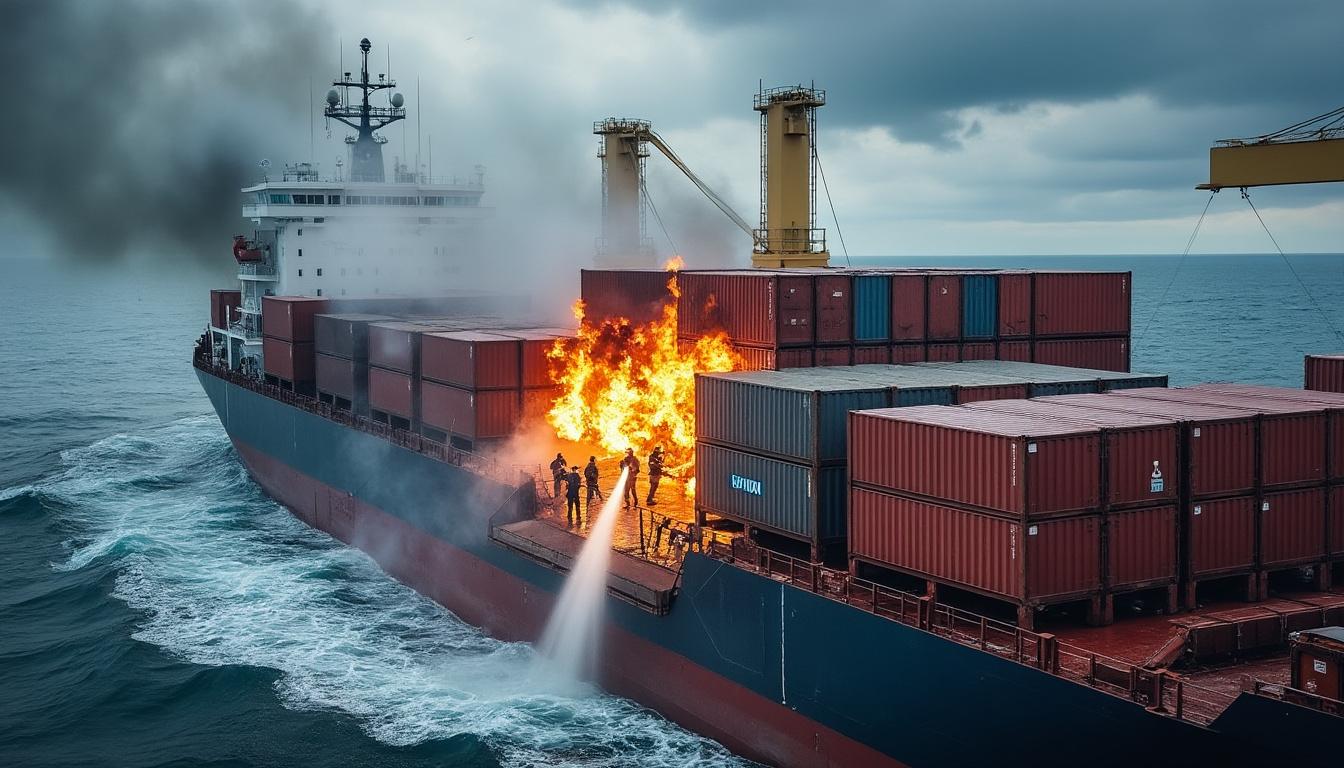
The U.S. authorities have chosen a strategy of remote monitoring: allowing the fire to burn itself out while avoiding deploying rescue teams, given the associated risks. Incidents of this nature provoke discussions about the transport of vehicles, particularly electric ones, due to their chemical composition and potential environmental impact.
Factors to consider for the environment
- Risks of contaminant spills
- Consequences for marine wildlife
- Impact on coastal ecosystems
- Necessary emergency intervention measures
The question of the sustainability of maritime transport arises in a context where the carbon footprint of maritime travel is always at the forefront of concerns. As the world increasingly turns to renewable energies, the challenge lies in preserving the environment while continuing to transport vehicles safely and responsibly.
| Substance on board | Weight (tons) | Environmental potential in case of an accident |
|---|---|---|
| Liquefied gas | 350 | Explosion risk |
| VLSFO marine fuel | 1,500 | Hydrocarbon pollution |

A look to the future: issues and regulations
As tensions surrounding the transport of electric cars rise, it becomes essential to redefine regulations regarding this maritime transport. Insurers, such as Allianz, have already highlighted the logistical and insurance challenges posed by this category of vehicles. It is crucial that maritime authorities and companies collaborate to establish effective safety measures.
Discussions about maritime safety are becoming more frequent, especially in the context of accidents involving electric cars. The absence of clear standards, proper battery management, and safety protocols on ships could exacerbate the situation.
Regulatory aspect and maritime safety
- Strengthening safety tests for batteries
- Establishing transport standards for electric vehicles
- Implementing training for ship crews on associated risks
- Developing effective fire prevention systems
With the rise of electric vehicles in the automotive sector, maritime transport must adapt. The sustainability of this industry will depend on its ability to reform, introduce safer practices, and learn from unfortunate events like that of the Morning Midas.
| Proposed safety measures | Goals |
|---|---|
| Rigorous safety tests | Minimize fire risks |
| Specific transport standards | Ensure environmental protection |
| Crew training | Prepare for rapid intervention |
| Advanced disembarkation systems | Facilitate fire extinguishing |
Si vous souhaitez lire d'autres articles tels que Fire on a cargo ship in the Pacific: could electric cars not be involved?, consultez la catégorie Non classé.
-
Éloi Destin says:
C'est inquiétant de voir une telle tragédie maritime, surtout avec des véhicules électriques impliqués.
Leave a Reply to Éloi Destin Cancel reply
Articles relatifs