Fiat changes direction: electric cars are transforming into thermal models

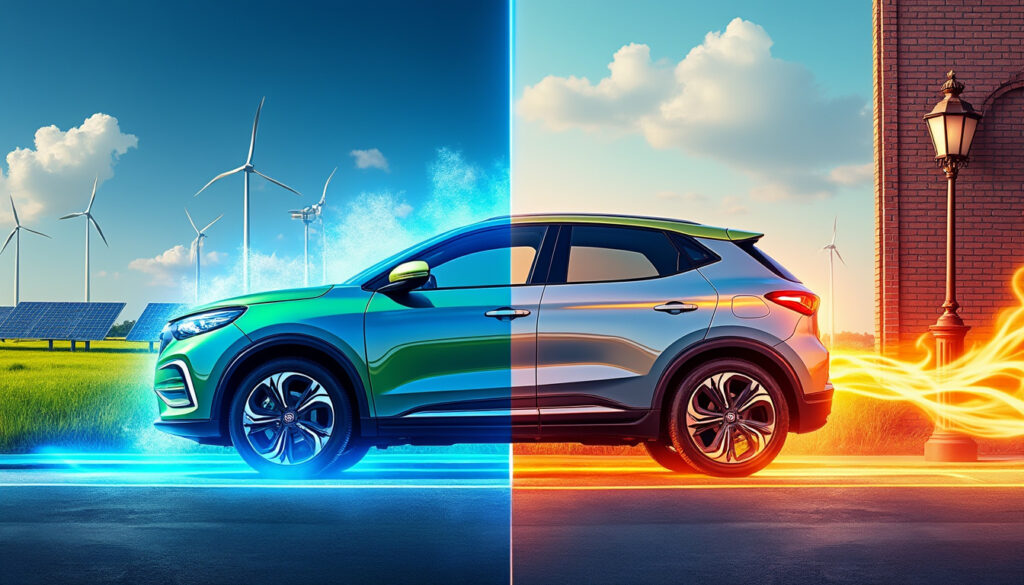

In a context where electromobility is on the rise, Fiat surprises once again. While it had committed to fully electric cars, the Italian brand makes a bold pivot by transforming its iconic electric models into thermal versions. This turnaround highlights the persistent challenges of transitioning to a greener automotive industry.
A Market Under Pressure: The Challenges of Electric Fiat 500 Sales
The Fiat 500 electric, launched with enthusiasm, has not met the expected sales targets. With a starting price exceeding €33,900, significantly higher than its thermal engine counterparts, it has created a barrier for many potential customers. This situation echoes other models, such as the Honda e, which, despite having aesthetic appeal, struggle to find their place in the market.
- 💰 High price: €33,900 for the electric version
- 🚗 Similar example: the Honda e, a prohibitively priced city car
- 📉 Sales expectations not met
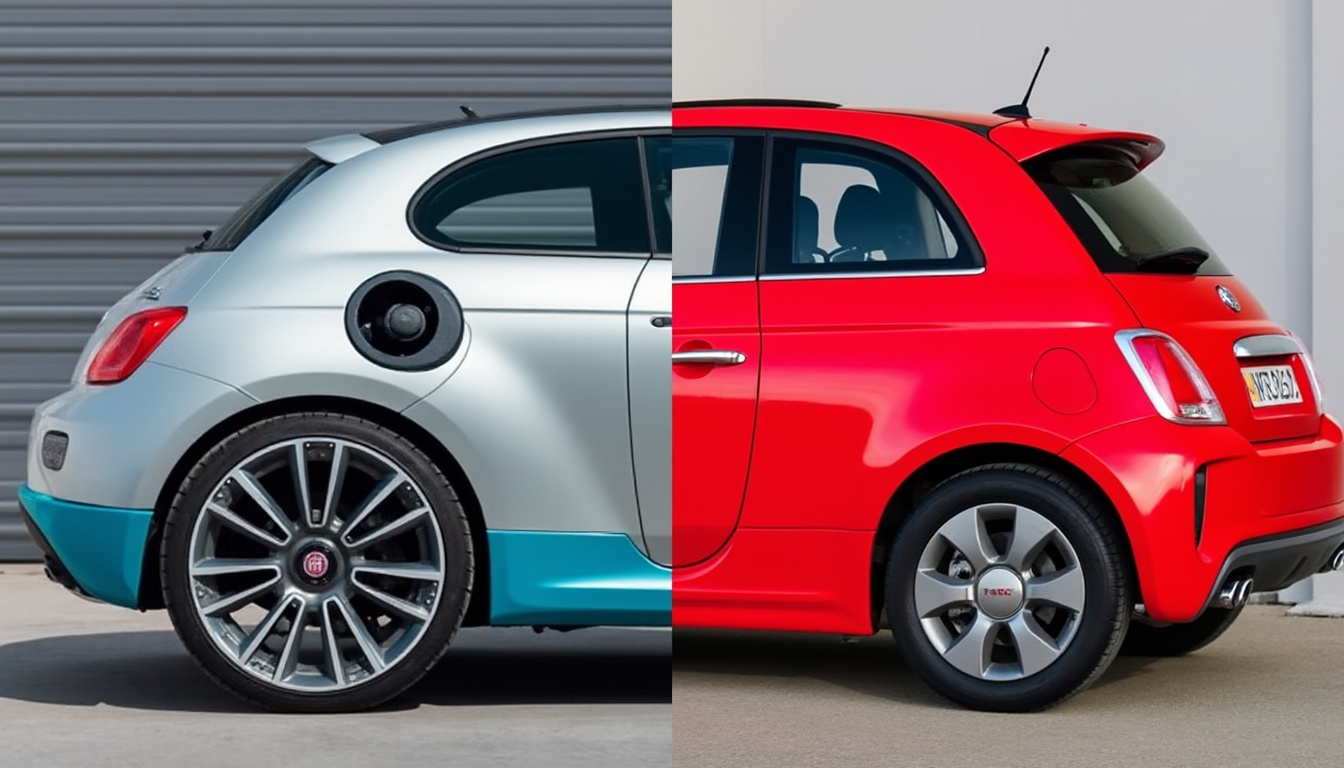
To face this reality, Fiat has decided to launch the production of the 500 Hybrid, a thermal engine version. The first pre-production units will be available as early as November 2023, with an ambitious target of 100,000 annual sales. This retreat toward thermal engines could represent an opportunity to remain competitive in a changing market.
| Features | Fiat 500 Electric | Fiat 500 Hybrid |
|---|---|---|
| Price | €33,900 | To be determined 📉 |
| Engine type | Electric ⚡ | Thermal 🚗 |
| Annual sales target | To be confirmed | 100,000 🚀 |
A Pragmatic Technical Adaptation
While maintaining the overall design of the 500, Fiat manages to integrate notable technical modifications. These changes allow for the accommodation of a thermal engine without disrupting the model's identity. Characteristics such as:
- 🔘 Redesigned grille for better air circulation
- 🕹 Added clutch pedal for manual transmission
- 💨 Integrated exhaust system under the bumper
This choice aims to optimize performance while meeting environmental standards. However, the concept of "500 Hybrid" could be misleading, as it will be more of a micro-hybrid than a true hybrid, making the transition to full electric complex.

Difficulties in Electromobility: A Common Phenomenon
Fiat is not alone in this fluctuation. Many manufacturers, such as Renault, Volkswagen, and Mercedes-Benz, are adjusting their strategies in response to market realities. One common theme remains the necessity for a quick response to the slow adoption of electric vehicles.
- 🛠 Dual strategies: maintain electric offerings while reintroducing thermal options
- 💼 Regulatory flexibility: extension of deadlines to meet emission standards
- 📊 Adaptability: a necessity in response to market evolution
As the transition to sustainable mobility is a core concern, this situation reminds us that moving to electric does not come without hiccups. However, it will be interesting to see how Fiat and other players adapt to these ongoing changes.
| Manufacturers | Current State of Sales | Adopted Strategies |
|---|---|---|
| Fiat | Sales declining | Return to thermal 🚗 |
| Renault | Adaptation necessary | New electric range 🔋 |
| Volkswagen | Focus on economies of scale | Technological innovations 💡 |
| Mercedes-Benz | Minor adjustments | Acceleration of the transition |
In summary, as manufacturers struggle to navigate this new automotive landscape, Fiat's case illustrates just how much innovation must go hand in hand with a keen listening to market needs.

Si vous souhaitez lire d'autres articles tels que Fiat changes direction: electric cars are transforming into thermal models, consultez la catégorie Non classé.
-
Lunaria D'Umber says:
C'est un choix audacieux de Fiat, mais j'espère qu'ils réussiront à s'adapter au marché.
-
C'est surprenant de voir Fiat revenir aux moteurs thermiques. Quelles seront les conséquences pour l'environnement ?
-
C'est dommage que Fiat change de cap, on avait besoin de plus d'électriques.
-
C'est surprenant de voir Fiat faire marche arrière, mais c'est un choix judicieux.
Leave a Reply
Articles relatifs