F1 Canadian GP: Lewis Hamilton compares his car to a clumsy dancer after qualifying

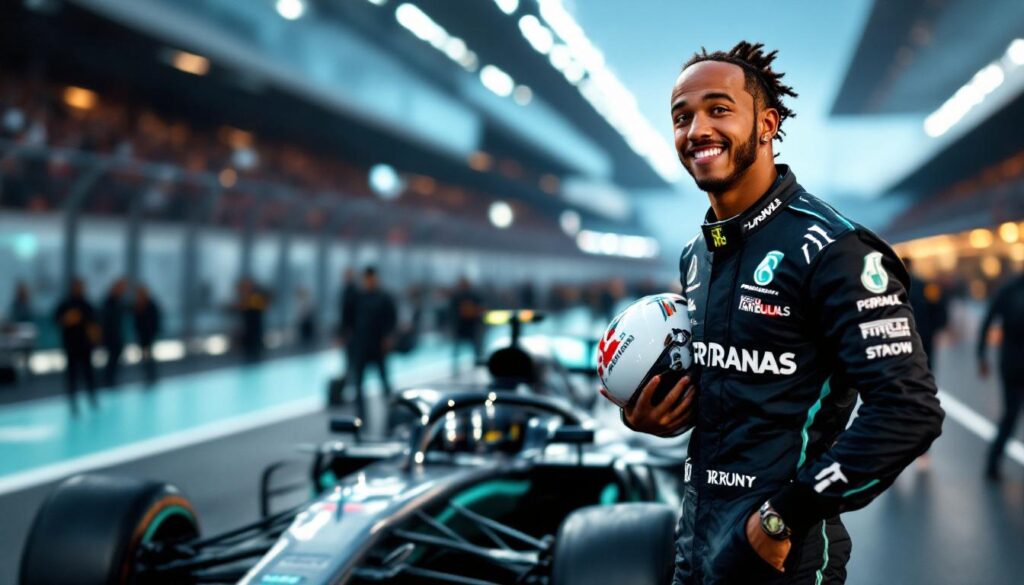

The Canadian Grand Prix of Formula 1 has just concluded and, as always, the drivers' reflections are at the heart of the discussions. Lewis Hamilton, the legendary champion, recently compared his car to a clumsy dancer after the qualifiers. This metaphor, both striking and evocative, offers a fascinating insight into the challenges drivers face in F1, but it also raises broader questions about the relationship between a driver and their vehicle. Why this comparison? What are the implications for race performances?
Surprising Comparison: Hamilton and Dance
During the qualifiers of the Canadian GP, Lewis Hamilton spoke up with a comparison that made people smile but also think. He described his car as a "clumsy dancer," thereby highlighting the lack of harmony between the driver and his machine. For Lewis, driving his Ferrari SF-25 does not feel like a precise and controlled dance but rather a constant struggle to coordinate his movements. This metaphor perfectly illustrates the difficulties he faces in his driving and how it affects his performance on the track.
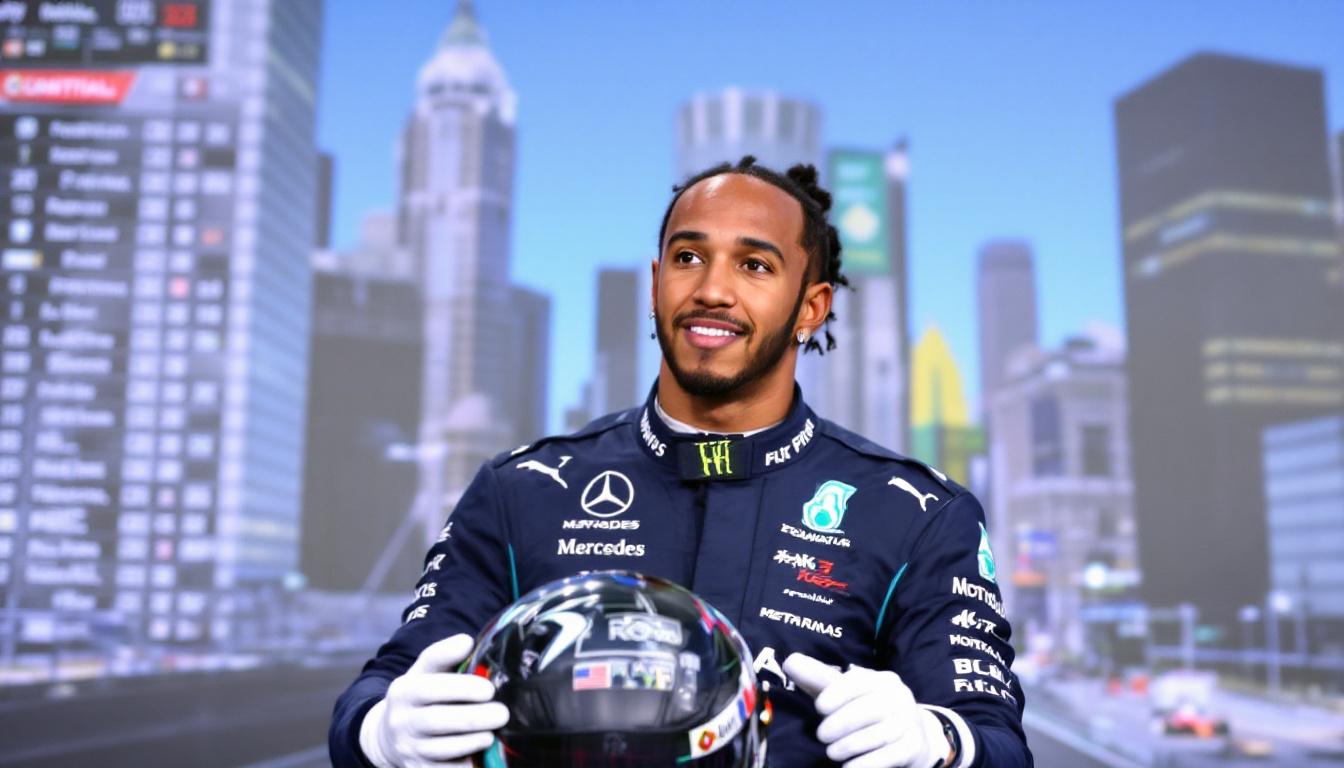
To better understand this situation, it is essential to delve into various aspects of F1 car performance:
- Balance: The ability of a car to maintain stable road holding under all conditions.
- Responsiveness: The speed at which the car responds to the driver's instructions.
- Stability: The car's ability not to stray and to remain predictable even at high speeds.
Each of these facets plays a crucial role in how a driver like Hamilton feels about his car. When harmony is absent, performance suffers. Hamilton himself stated, "It’s like being in sync with someone who doesn’t have rhythm in their soul." This image can resonate with everyone, as who hasn't tried to dance with a partner who doesn't follow the music?
The Relationship with Driving
Driving in F1 is not simply about pressing the accelerator or turning the steering wheel. Drivers must demonstrate extreme concentration and exceptional sensitivity to the dynamics of their car. This becomes even more complex when the vehicle is not in sync with the driver's expectations. Hamilton understands this well, and this awareness of his car's performance reflects both his experience and his desire to always perform at the highest level.
Consequences of this Disconnection
The results speak for themselves. In qualifying, despite finishing fifth, Hamilton's performance leaves much to be desired. Far from being aligned with the leaders, he must face a harsh reality - performances below his standards. The implications are varied:
- Impact on Confidence: When the driver cannot rely on his machine, it can affect his confidence in the race.
- Race Strategy: A poor qualifying performance often forces a more complex strategic approach in the race.
- Relationships with the Team: Critiques of the car can create a tense dynamic between the driver and the engineers.
The Technical Challenges of the Ferrari SF-25
To better contextualize Hamilton's struggle with his Ferrari, it is important to focus on the technical specifics of the SF-25. This model has been subjected to strict regulations, and the challenges associated with these new rules in 2025 are essential to understand. The changes made to the cars, particularly regarding weight and aerodynamic behavior, play a role in the adaptation of the drivers.
| Technical Characteristics | Impacts on Driving |
|---|---|
| Car Weight | A heavier car may be less agile in corners, affecting driving confidence. |
| Aerodynamics | Poor management of aerodynamics can lead to instabilities at high speed. |
| Suspension | Insufficient adjustments can cause jumps or loss of grip. |
These technical challenges, coupled with a changing experience for Hamilton, undermine his ambitions for the top. The role of the engineers is also crucial. Adjustments are necessary for the car to respond to the champion's driving style. This requires fluid communication and joint efforts to achieve the sought-after balance.
Research in F1 Technology
The world of Formula 1 is constantly evolving, and it is not just about accelerating on the track. Teams are heavily investing in research and development to optimize every aspect of the cars. It is interesting to note that adjustments can make all the difference. For example:
- Tire Optimization: Tire selection plays a crucial role in performance.
- Real-Time Data Analysis: Teams use advanced software to improve their strategies.
- In-Flight Adjustments: Modifications can be made during the race weekend.
For Hamilton, having the right information and adequate technical support is crucial. This can transform a car that dances poorly into a formidable racing machine.
Hamilton's Reaction to Pressure
Hamilton's comparison sparked numerous reactions in the paddock. Drivers and experts shared their thoughts on the Briton's remarks. Acknowledging that his vehicle is a hindrance rather than an asset reflects a rare honesty in the competitive world of F1.

The collective reaction from the media and fans raises questions about the teams' responsibilities and relationship management. In many respects, Hamilton acts as a mirror, reflecting the struggles of a driver who, despite his successes, is not spared from difficulties. This candid speech raises fears that the pressures on the driver could have consequences.
The reality of competition in F1 underscores that mere performance cannot be detached from the psychological well-being of drivers. Most competitors strive to give their best, and opinions like Hamilton's can serve as a call to take into account the human element behind the wheel. The repercussions could influence the forecasts for upcoming races in the season, as everyone begins to see Hamilton in a new light.
When Performance and Psychology Converge
The dynamic between the driver's performance and their state of mind plays a monumental role in F1. Drivers who feel comfortable in their cars are often able to extract the maximum potential. This simple truth can have profound implications for Hamilton's driving. The more he feels aligned with the SF-25, the better his ability to express his talent.
Therefore, teams must also pay close attention to the driver's feelings towards the vehicle. This bond is unbreakable, and measures can be implemented to help strengthen this connection:
- Debrief Sessions: Offer moments for discussion to address feelings during the race.
- Collaborations: Involve the driver in the development of their car.
- Testing: Conduct thorough testing to better understand the driver's needs.
The Future Prospects for Hamilton and Ferrari
All these reflections suggest that the road ahead for Hamilton and Ferrari is fraught with obstacles but not without hope. F1 teams are renowned for their ability to bounce back from adversity. The lessons learned from each race can serve as a springboard for improvement.
| Improvement Perspectives | Possible Actions |
|---|---|
| Optimization of Car Performance | Feedback from Hamilton, case studies on other teams. |
| Collaborative Driving | Involve Lewis in strategic race decisions. |
| Psychological Support | Access to resources to help maintain harmony between the driver and their car. |
With the right momentum, a champion like Lewis Hamilton could quickly turn the situation to his advantage. The season continues to evolve, and one must never lose sight of a driver's ability to overcome obstacles. In the end, this struggle, this clumsy dance could transform into a masterful performance if the right decisions are made.
Si vous souhaitez lire d'autres articles tels que F1 Canadian GP: Lewis Hamilton compares his car to a clumsy dancer after qualifying, consultez la catégorie News.
-
Augustin Lemaitre says:
Hamilton a raison, une bonne connexion avec la voiture est essentielle pour performer.
Leave a Reply to Augustin Lemaitre Cancel reply
Articles relatifs