Every fourth car sold in 2023 will be electric, a taste of an automotive revolution

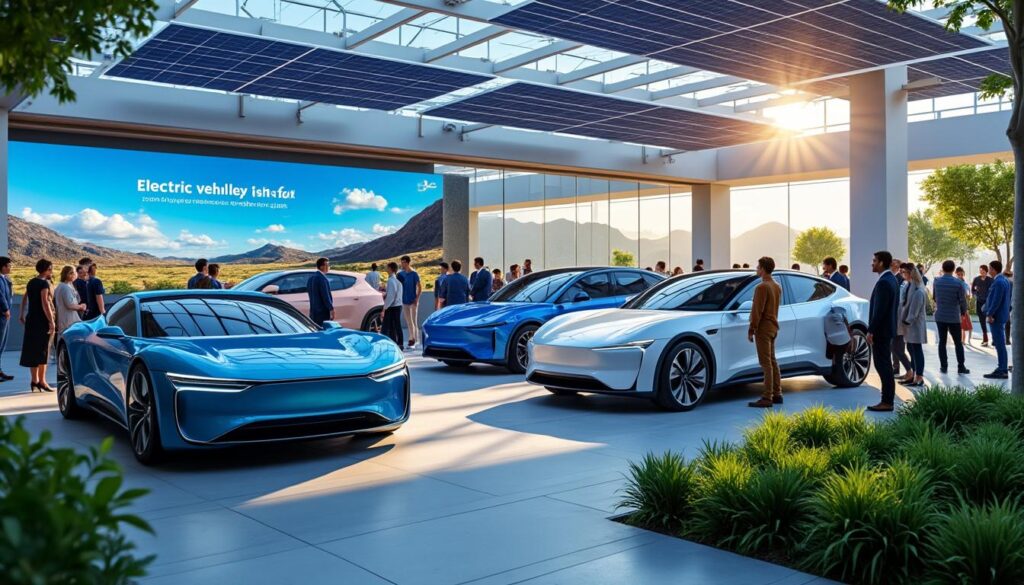

The automotive sector is undergoing a major transformation with the rapid rise of electric vehicles. In 2023, a significant milestone was revealed: one in four cars sold is now electric, a trend that reflects profound changes in consumer preferences and market policies. The data on sales growth, economic impacts, and major players in this shift outlines the contours of a revolution that, far from being a mere passing phenomenon, heralds sustainable and deep transformations.
Electric car sales booming in a global context
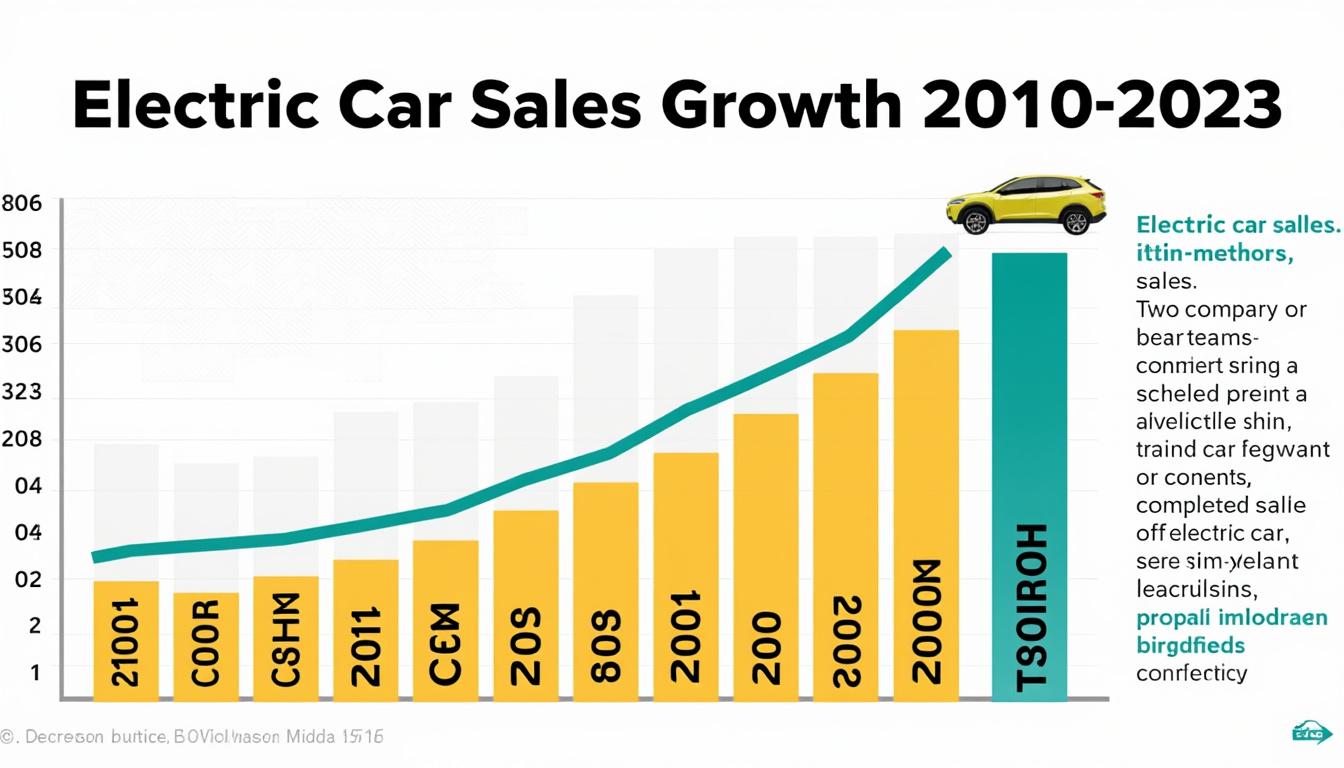
The early months of 2023 have proven very promising for the electric vehicle market. The report from the International Energy Agency (IEA) highlights that globally, electric car sales have surpassed 20 million units, marking for the first time a significant exceedance over sales of combustion engine cars. This figure represents more than 20% of total car sales, demonstrating the growing enthusiasm for the electrification of transport.
Consistently rising figures
To give a precise idea of the evolution of this market, let’s analyze the sales figures:
| Year | Electric vehicle sales (millions) | Market share (%) |
|---|---|---|
| 2022 | 10.5 | 14% |
| 2023 | 20 | 20% |
| 2024 (forecast) | 17 | 25% |
This dynamism indicates a rise in electric vehicles and also reveals the efforts of manufacturers to meet the growing expectations of consumers. Companies such as Renault, Peugeot, and Volkswagen have not only expanded their range of electric models, but they have also intensified their communication around sustainability.
Market leaders
Looking at individual markets, China remains the undisputed leader. In 2024, nearly 50% of vehicles sold in China were electric, representing more than 11 million cars. This figure far exceeds global sales from 2022. However, this Chinese phenomenon does not stop at its borders; the country produces more than 70% of electric cars in the world, thus playing a predominant role in the global market.
- China: 50% of electric car sales in 2024.
- United States: 10% growth, surpassing 10% market share.
- Europe: Stabilization around 20% market share.
The technological advancement of electric vehicles has also highlighted flagship models from companies like Tesla, Nissan, and BMW. These companies have successfully innovated to offer higher battery ranges and fast charging technologies, thus attracting increasing interest from consumers.

Growth factors and economic challenges
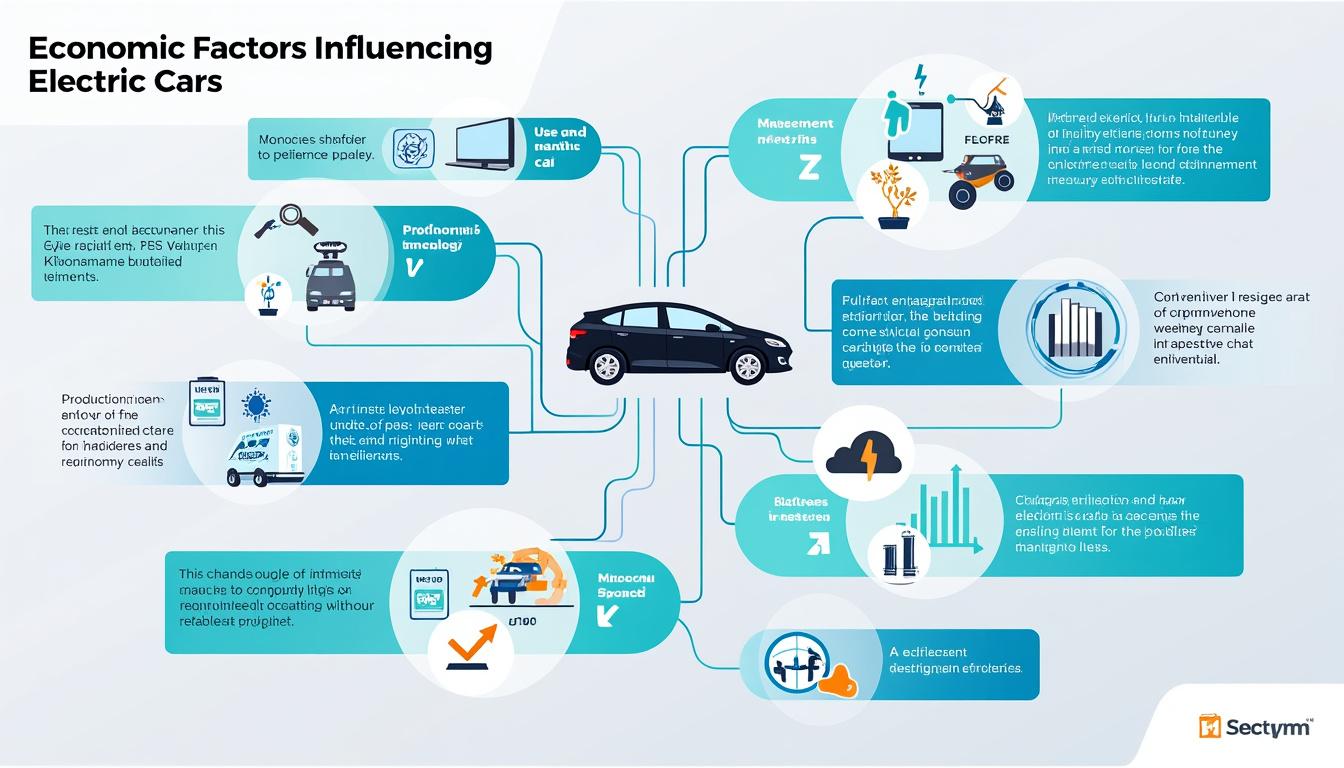
The rise of electric vehicles does not come without obstacles. Although the sector is showing promising results, several economic factors play a key role in this transformation. The acquisition cost of electric cars, while decreasing, remains a concern for many consumers.
Costs and benefits of electric vehicles
The cost of an electric car is often higher than that of its combustion counterparts. However, savings made during use and in the long term can offset this initial investment. Automakers are striving to reduce prices through lower production costs and increased competition.
| Market | Purchase premium | Savings in use |
|---|---|---|
| China | -10% (cheaper) | Significant |
| United States | +30% | Moderate |
| Germany | +20% | Significant |
In a context where the price of oil could drop, the cost of charging an electric car can remain twice as low as that of a gasoline vehicle, thereby enhancing the economic appeal of electric vehicles.
The impacts of climate change
Climate change also encourages many governments to support the adoption of electric cars through subsidies, laws favoring sustainability, and charging infrastructure. Thus, these measures make electric cars more accessible, as demonstrated by several European governments.
- Government subsidies for buyers.
- Increasing charging infrastructure.
- Strict regulations on carbon emissions.

The impact of charging and range technologies
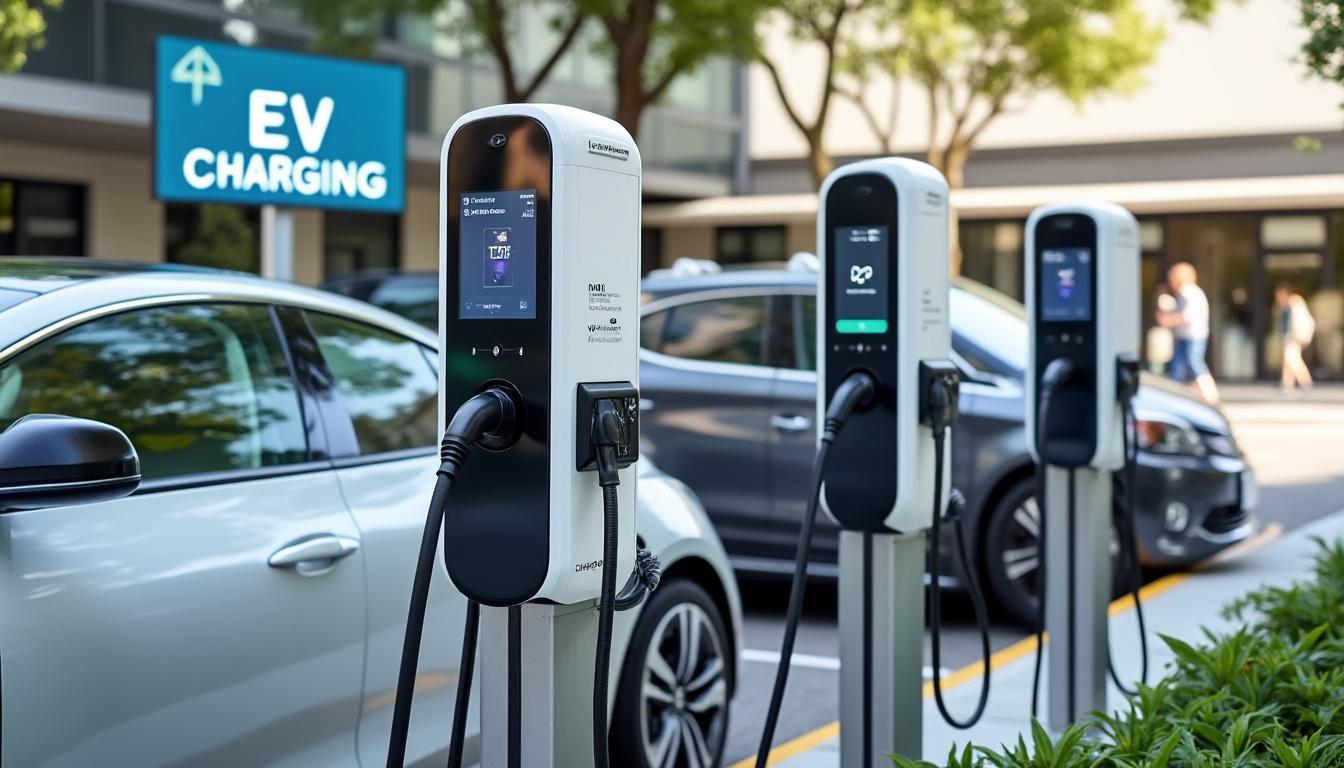
A significant advancement in the electric market lies in the improvement of charging infrastructures and range technologies. These elements are crucial for attracting new consumers who are still hesitant to make the leap to an electric car, due to the range often perceived as insufficient.
Fast charging technologies
Innovations in charging technologies have been a key factor for the democratization of electric cars. Fast charging stations now allow reducing charging time to just a few minutes. This has made using electric cars much more convenient, whether for daily commutes or longer trips.
- Ultra-fast charging: 80% charge in under 30 minutes.
- Charging stations accessible in public places.
- Advancements in wireless charging technology underway.
The future of batteries
The issue of batteries remains central in the debate over electric vehicles. The evolution towards more efficient batteries, such as sodium and solid-state batteries, promises increased range and even shorter charging times. For example, companies like Hyundai and Kia are at the forefront in this area, investing heavily in next-generation battery technologies.
| Battery type | Range (km) | Charging time |
|---|---|---|
| Lead-acid | 200 | 8 hours |
| Li-ion | 500 | 4 hours |
| Sodium-ion | 600 | 2 hours |
These technological improvements are essential to meet the ever-growing demand and ensure user satisfaction.
Future perspectives and projections
The market for electric vehicles is on the brink of a radical transformation. Projections indicate that by 2030, global sales could reach up to 40% of the total market, thus confirming the trend initiated in 2023.
A bright future for electric vehicles
The vision of industry leaders and governments for the future of electric vehicles seems optimistic. Indeed, the imminence of solid investments in research and development could enable reaching unprecedented levels of electrification:
- Improvement of charging infrastructures.
- Innovations in design and performance.
- Expansion of men's ranges from manufacturers like Ford, Tesla, and Volkswagen.
To capitalize on this dynamic, traditional automakers must not only adapt but also anticipate the major shifts encouraging the electrification of the sector. Challenges remain, but the focus on sustainable and innovative solutions bodes well for the future of electric vehicles.
Si vous souhaitez lire d'autres articles tels que Every fourth car sold in 2023 will be electric, a taste of an automotive revolution, consultez la catégorie Non classé.
-
Ludovic Verger says:
C'est encourageant de voir autant de voitures électriques sur le marché. L'avenir semble prometteur !
-
C'est incroyable de voir combien les voitures électriques prennent de l'ampleur. L'avenir semble prometteur.
-
C'est incroyable de voir les voitures électriques prendre autant d'ampleur en si peu de temps.
Leave a Reply to Ludovic Verger Cancel reply
Articles relatifs