European electric car factories halt due to decisions from Beijing

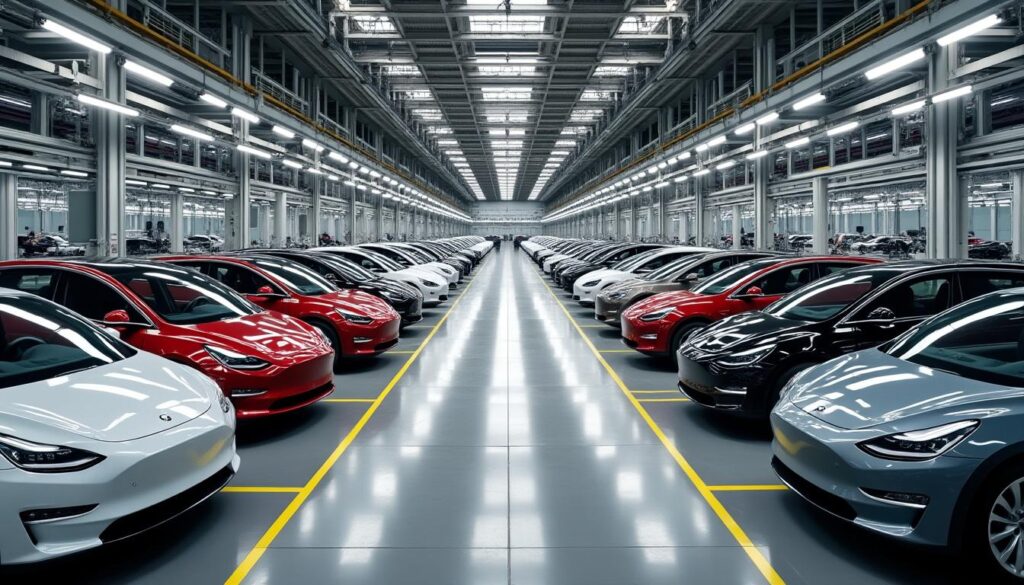

The situation is tense in the European automotive industry, as factories specializing in the production of electric cars find themselves at a standstill due to decisions made in Beijing. The restrictions on the export of rare earths, imposed since last April, reveal a glaring dependence on strategic materials controlled by China, which affects the entire production chain. This results in a crisis that, alarmingly, echoes the global semiconductor shortage of 2020, but with even deeper geopolitical implications.

Chinese restrictions impact European production
China's control over critical materials, which include neodymium, dysprosium, and terbium, is becoming a major lever to influence automotive production. These rare earths are essential for manufacturing electric car motors, and their apparent scarcity is becoming a colossal obstacle for manufacturers like Volkswagen, BMW, and Mercedes-Benz, who rely on these elements to fuel their production lines.
| Material | Usage | Importance |
|---|---|---|
| Neodymium | High-performance magnets | Indispensable in electric motors |
| Dysprosium | Temperature resistance | Improves motor efficiency |
| Terbium | Magnetic stabilization | Essential for motor performance |
Production stoppages and supply chain management
Several factories, such as those of Renault and Peugeot, have had to halt their production due to the exhaustion of component stocks. Production forecasts appear uncertain as less than 25% of export requests to Europe have been approved by China. This lack of supply places additional pressure on production systems, reminiscent of the long queues seen during the semiconductor crisis. How can European manufacturers adapt to this new paradigm?
- 🔧 Explore new sources of supply
- 🔍 Diversify the technologies used in motors
- 🌍 Collaborate with other resource-rich countries
Towards strategic independence in production
In the face of this crisis, potential solutions are emerging. Some manufacturers, like Ford and BMW, are investing in alternative technologies to reduce dependence on rare earths, such as reluctance motors that do not require these costly materials. However, these solutions still present challenges in terms of cost and performance.
| Technology | Advantages | Disadvantages |
|---|---|---|
| Reluctance motor | No rare earths needed | Potentially lower efficiency |
| Wound synchronous motor | Precise performance control | Increased complexity |
| Axial flux motor | High compactness | High production cost |
As the EU intensifies its efforts to diversify its sources of supply, the urgency for industrial sovereignty is becoming clear. Discussions with countries such as Indonesia could provide solutions to secure the supply of strategic minerals. The consequences of dependence on countries like China highlight a pressing need to reassess the European industrial strategy.
Beijing, a key player in the geopolitical landscape
The restrictions imposed by China act as a diplomatic pressure instrument, highlighting the strategic vulnerabilities of the West. The EU's initiatives, such as negotiating agreements to secure supplies, become crucial to prevent the events of 2020 from recurring. The need for resilient and autonomous industrialization is more relevant than ever.


Si vous souhaitez lire d'autres articles tels que European electric car factories halt due to decisions from Beijing, consultez la catégorie Non classé.
-
Sélène Verity says:
La dépendance à la Chine est vraiment inquiétante pour l'avenir de l'industrie automobile européenne.
Leave a Reply to Sélène Verity Cancel reply
Articles relatifs