Electric vehicle batteries will have a second life: discover why


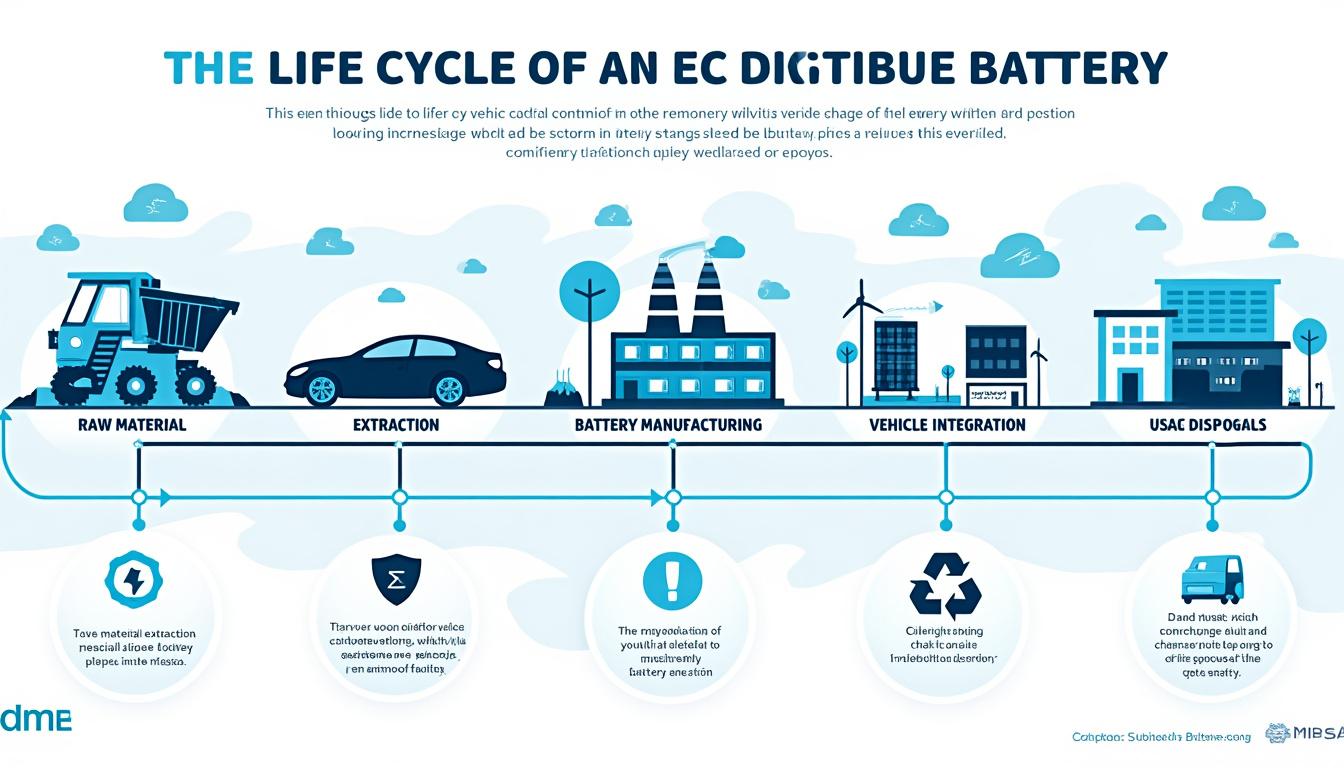
The transition to electric vehicles is underway, but one crucial question prevails: what happens to the batteries once their automotive life cycle is over? Contrary to the fears of many, these energy accumulators do not necessarily have to end up in a landfill. Their potential for reuse and recycling makes them valuable resources in a circular economy. This article explores the mechanisms that allow these batteries to have a second life, as well as the environmental and economic benefits associated with it.
A surprising longevity of lithium-ion batteries
When discussing the lifespan of batteries, lithium-ion batteries used in electric vehicles often appear as surprising protagonists. It is widely recognized that the batteries of electric cars, such as those manufactured by brands like Renault, Nissan, Tesla, and BMW, have a lifespan of up to 8 to 10 years. This longevity is reinforced by technological advancements and current regulations.
Strict standards to ensure durability
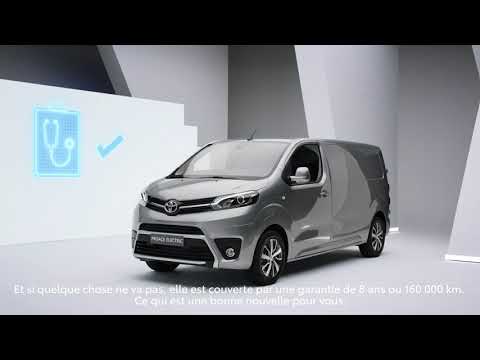
In the United States, regulations impose a warranty of at least 8 years or 160,000 kilometers for electric batteries. This constraint pushes manufacturers to optimize their designs. Indeed, the cost of replacing a battery can reach several thousand euros, thus encouraging companies to over-engineer these components. Brands like Volkswagen and Audi are also committed to improving the life cycle of their batteries through more rigorous manufacturing processes.
The aging of batteries: a controlled process
It is essential to understand that batteries do not cease to be useful once their maximum efficiency decreases. For example, a battery that retains 70% of its initial capacity may not meet the requirements of a car, but it is perfectly suited for other uses, such as stationary energy storage. This leads to unexpected market opportunities, making these batteries highly sought after once their primary functions have reached their end.
| Brand | Guaranteed lifespan (years) | Remaining capacity after use |
|---|---|---|
| Renault | 8 | 70% max |
| Nissan | 8 | 70% max |
| Tesla | 8 | 70% max |
| BMW | 8 | 70% max |
Energy storage, the second life of used batteries
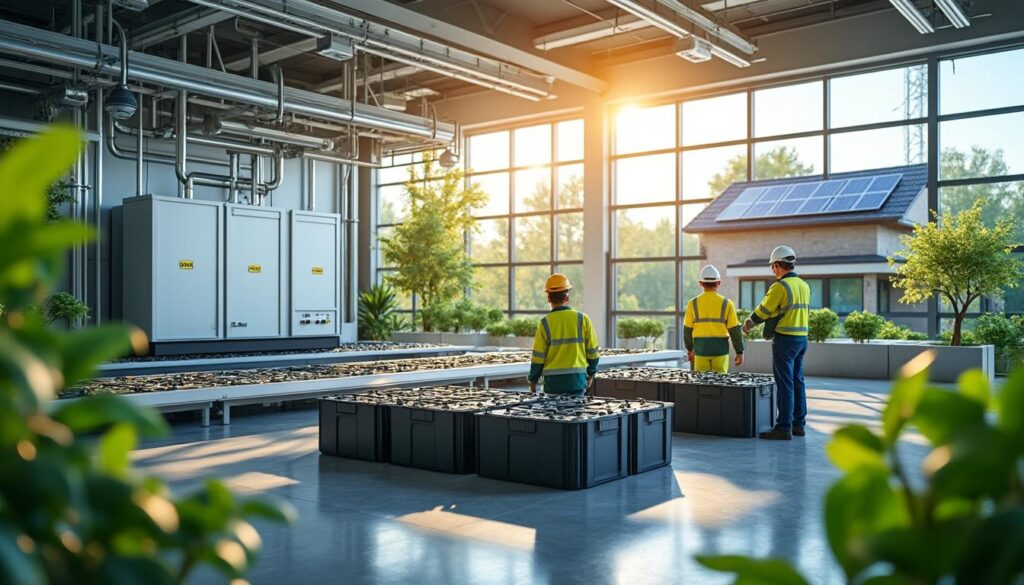
Not knowing what to do with batteries once they can no longer be used in cars poses a challenge, but also offers interesting opportunities. Energy storage is one of the sectors that greatly benefits from the reuse of used batteries. This not only extends their life cycle but also optimizes energy management within homes and businesses.
Concrete examples of reuse
Beginners in this field, such as Australian engineer Francisco Shi, have started buying electric vehicle batteries from junkyards to reconfigure them. His project consists of using these batteries to store electricity from renewable sources, such as solar energy, during off-peak hours. He then sells the stored electricity when demand is high, generating an attractive profit.
The diversity of storage applications
Second-hand batteries can serve in various contexts. Here are some of their main applications:
- Home energy storage: to optimize energy consumption at home.
- Backup power systems: which keep devices operational in case of power outages.
- Use in community energy management projects: such as microgrids to integrate renewable energy.
Recycling and recovery of battery materials
As a result of thoughtful design, once a battery has reached the end of its life cycle, there is still much to recover. The battery recycling industry is therefore booming, and companies are investing heavily to build infrastructures capable of recovering more materials. This represents a crucial opportunity for both the environment and the economy.
The recycling process
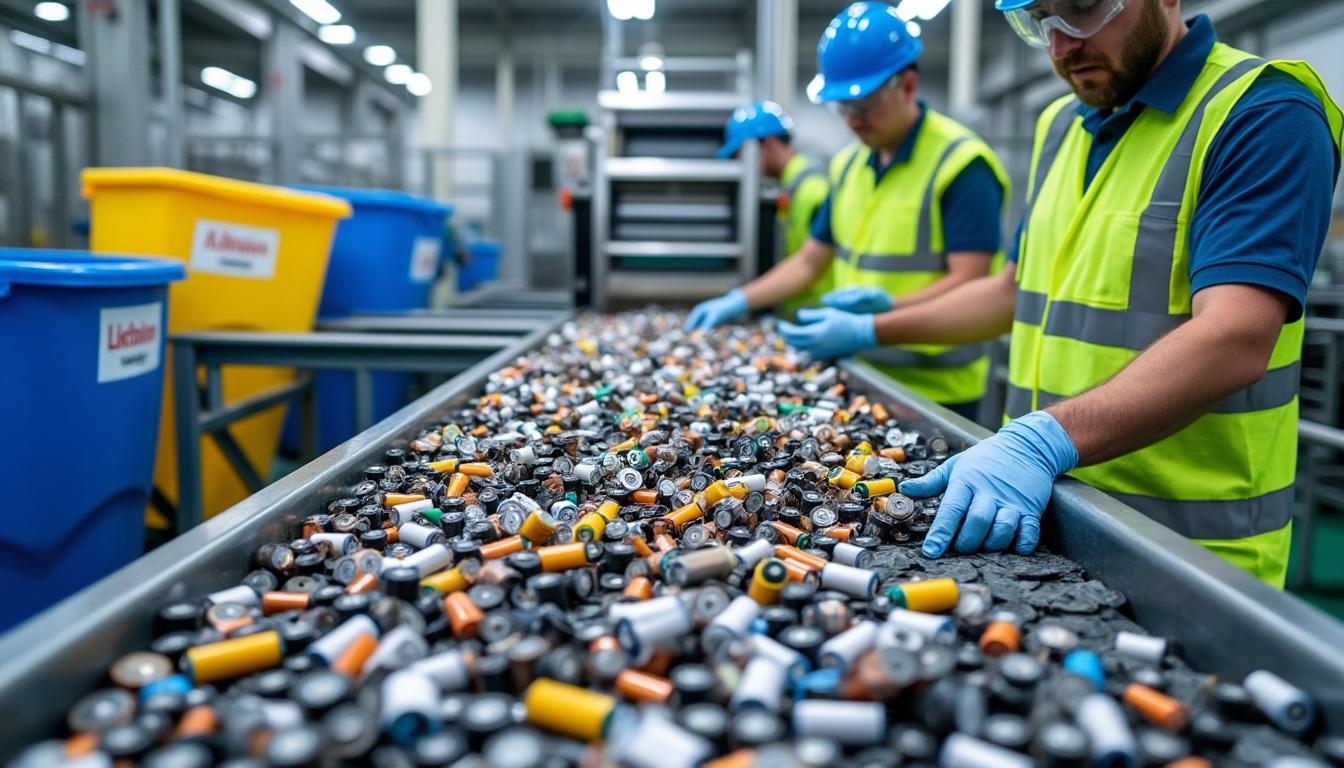
The recycling of lithium-ion batteries includes several steps aimed at recovering the valuable components they contain. Currently, it is possible to recover up to 95% of the materials present in these batteries. Here is a summary of the main recoverable components:
| Material | Recovery rate | Use after recycling |
|---|---|---|
| Lithium | 90-95% | New batteries, ceramics |
| Cobalt | 95-98% | Batteries, metal alloys |
| Nickel | 95-98% | Stainless steel, new batteries |
Benefits of the circular economy of batteries
The advantages of this system are numerous. Beyond the environmental aspect, which reduces waste, these practices also enhance economic viability. Companies benefit from the valorization of recovered materials while adhering to sustainability standards. For example, integrating second-life battery systems into the electricity grid helps reduce peak consumption, facilitating the integration of renewable energies such as solar and wind.
A promising future for electric vehicle batteries
As technology evolves, new opportunities arise for electric vehicle batteries. The evolution of the market and growing environmental awareness are prompting more renowned automotive manufacturers, such as Hyundai, Kia, Peugeot, and Citroën, to consider the entire life cycle of their products.
The role of technological innovations
Advancements in recycling and reuse play a major role in the future of batteries. By 2025, companies will likely continue to innovate to maximize the lifespan and profitability of batteries. They will then be able to fit into circular economy projects on an unprecedented scale, transforming challenges into large-scale opportunities.
Growing adoption by consumers
Consumers are also becoming increasingly informed and sensitive to ecological issues, which influences their choice to buy electric vehicles. Furthermore, the possibility of benefiting from connected home energy storage systems using second-hand batteries offers an attractive solution against power outages while reducing their carbon footprint.
In summary, whether through energy storage, recycling, or material valorization, the batteries of electric cars will continue to have a dynamic and lucrative second life, fitting into a circular economy model that will become increasingly essential in the years to come.
Si vous souhaitez lire d'autres articles tels que Electric vehicle batteries will have a second life: discover why, consultez la catégorie Non classé.
-
Loriane Verdant says:
C'est impressionnant de voir comment ces batteries peuvent avoir une seconde vie. Bravo pour cette initiative !
-
C'est fascinant de voir comment ces batteries peuvent être réutilisées pour l'énergie renouvelable.
-
C'est fascinant de voir comment les batteries peuvent avoir une seconde vie et aider l'environnement !
-
C'est intéressant de voir comment les batteries peuvent avoir une seconde vie et aider l'environnement.
Leave a Reply to Félix Lumont Cancel reply
Articles relatifs