Electric cars will now have to pay for a registration certificate starting May 1, 2025



The transition to electric vehicles has been marked by numerous tax benefits, but the landscape is changing. Starting May 1, 2025, electric car owners will face a new constraint: the payment of a tax for the registration certificate. This measure puts an end to an exemption that strongly encouraged the adoption of these vehicles in recent years, and it raises many questions about the impact on consumer choices. The objective of this article is to explore in depth the implications of this decision, both for motorists and for the automotive industry in general.
Registration certificate: the end of a privilege for electric vehicles
Since January 1, 2020, electric cars benefited from a total exemption from the regional tax on the registration certificate. This measure greatly facilitated the acquisition of clean vehicles and promoted their development in the French market. However, starting May 1, 2025, this exemption will disappear, which constitutes a significant blow for many future buyers.
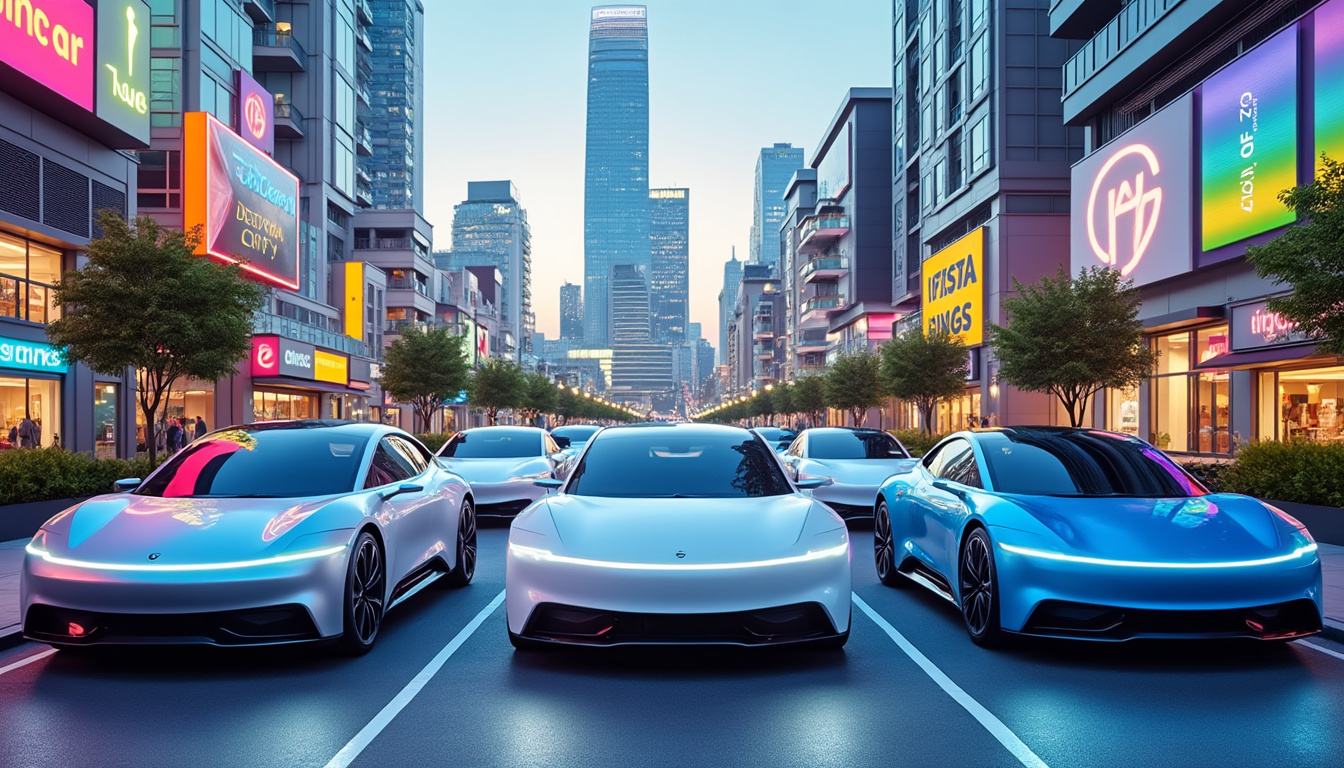
The reasons behind this decision
The decision to impose a tax on the registration certificates for electric cars is part of a broader government strategy aimed at balancing the national budget. With the economic crisis and the growing needs for public financing, the state is looking for sources of revenue. This change allows the administration not only to compensate for the losses incurred by the previous exemption, but also to give departments a chance to increase their tax revenues.
The tax benefits for electric cars, which were introduced to encourage the energy transition, now seem inappropriate given the rapid growth of the electric vehicle market. However, this measure could also discourage consumers from investing in eco-friendly models by increasing the cost of entry into the market.
The consequences for electric vehicle owners
With the end of the exemption, motorists who purchase electric cars will now have to pay costs they had not anticipated. Depending on the regions, the cost of the registration certificate could rise, which could influence buyers' motivation. In fact, the price of the registration certificate can vary significantly depending on where one resides.
- Regional coefficients: Some regions apply higher rates than others.
- Ecology vs economics: The additional costs could tilt the balance in favor of combustion vehicles.
- Psychological impact: The introduction of a cost may give a less attractive image of electromobility.
In summary, while these tax rules may seem justified from a fiscal standpoint, they could also hinder the adoption of clean vehicles.
| Region | Current registration certificate fee (€) | Planned fee in 2025 (€) |
|---|---|---|
| Ile-de-France | 70 | 150 |
| Provence-Alpes-Côte d'Azur | 90 | 200 |
| Hauts-de-France (exemption maintained) | 0 | 0 |
| Nouvelle-Aquitaine | 50 | 120 |
This data reflects a significant upheaval in the registration cost for electric vehicles. Motorists might therefore consider keeping their current vehicle a little longer, rather than investing in new technology.
The economic impacts on the automotive market
The legislative change affects not only car owners but also manufacturers and dealers. The electric vehicle market, although expanding, is facing a new challenge. With the potential increase in costs, some consumers may choose cheaper alternatives, which could slow the momentum of electromobility.

Reactions from car manufacturers
Car manufacturers like Renault, Peugeot, Citroën, Nissan, and Tesla will need to adjust their sales strategy. In a context where the price-to-quality ratio is becoming crucial for consumers, they will need to emphasize their communication on the benefits of electric vehicles, such as savings in fuel or maintenance.
- Renewal of the lineup: Offering new models at competitive prices.
- Promotional offers to offset the registration certificate tax.
- Focus on sustainability to maintain interest in the sector.
Major brands like BMW, Volkswagen, Hyundai, Audi, and Mercedes-Benz may also adjust their sales policies to avoid losing competitiveness.
Local economy and jobs
The legislative change will also have repercussions on the local economy. Dealerships could see a temporary decline in sales, which will have a direct impact on their revenue. A decrease in sales could lead to staff reductions and a slowdown in investments in the sector.
It is important to note that electric vehicles have a high export potential, and the abandonment of tax advantages could harm France's position in the global market. Foreign customers might prefer countries with more incentivizing policies.
| Brand | Model | Price before tax (€) | Price after tax (€) |
|---|---|---|---|
| Renault | Zoe | 25,000 | 25,150 |
| Tesla | Model 3 | 40,000 | 40,150 |
| BMW | i3 | 30,000 | 30,150 |
This table highlights the direct impact of registration certificate fees on initial sale prices, which could weigh on consumer minds and make investment in an electric car less attractive.
Consumer choices in light of this new tax
Future buyers of vehicles must reevaluate their purchasing choices in light of this new economic reality. The registration certificate, although representing only part of the total cost of acquiring a vehicle, is now a factor to consider. Projections indicate that interest in electric cars could suffer in the short term following this new regulation.

Evaluation of alternatives
With the additional pressure from this new tax, consumers are encouraged to reconsider their options. Many buyers might turn to thermal models, especially if the latter prove to be more economical in the short term. This could reignite interest in combustion cars, which, despite their CO2 emission rates, generally cost less to purchase.
- Short-term savings thanks to thermal vehicles.
- Possibility of revenue from used parts.
- Recent innovations in hydrogen engine efficiency.
Manufacturers might predict a resurgence of thermal models at the expense of electric vehicle sales, which risks reversing the progress made in reducing greenhouse gas emissions.
Are government incentives coming back?
It is possible that, in response to the drop in sales, the government will reconsider its fiscal choices. Future tax incentives or purchase aids could be considered to stimulate the acquisition of electric vehicles. The introduction of such measures would greatly support the automotive industry and the fight for the energy transition.
| Car value (before tax) | Car value (after tax) | Difference |
|---|---|---|
| 20,000 | 20,150 | 150 |
| 40,000 | 40,150 | 150 |
| 60,000 | 60,150 | 150 |
This table shows that even minor fluctuations in prices can lead to significant reconsiderations among consumers.
Reactions and future perspectives
The changes regarding taxation on electric vehicles have sparked varied reactions, both within the government and among consumers and industry stakeholders. While some applaud the desire to balance the national budget, others express concerns about the long-term consequences for electromobility.

The expectations of consumers
Consumers aspire to clarity and consistent forecasts concerning the future of electromobility. Many motorists want to know if these measures are a sign of enduring economic tensions or simply a temporary transition to a more balanced tax structure. Public opinion could play a crucial role in shaping future policies regarding renewable energies.
- Demand for transparency in tax measures.
- Search for incentivizing alternatives to purchasing electric cars.
- Engagement from NGOs for a truly ecological transition.
A potential return to incentives could be accompanied by clear communication to avoid any sense of distrust among consumers regarding government intentions.
The sustainability of eco-friendly vehicles
In the long term, electric cars will undoubtedly represent a key sector of the automotive industry. However, the balance between taxation and ecology must be established to avoid hindering this trend. The taxation of registration certificates for electric models could be revised in the future if it does not deliver the expected results. Innovation and competitiveness will continue to play a decisive role in the evolution of this rapidly changing market.
In a time where sustainability is crucial for consumers, it is essential that governments and automotive manufacturers work together to secure the future of eco-friendly cars. A strategic partnership could allow France to remain a major player in the energy transition while preserving economic benefits.
Si vous souhaitez lire d'autres articles tels que Electric cars will now have to pay for a registration certificate starting May 1, 2025, consultez la catégorie Non classé.
-
Althéa Marwinds says:
Cette nouvelle taxe pourrait vraiment freiner l'essor des voitures électriques. Des choix difficiles pour les acheteurs.
Leave a Reply to Althéa Marwinds Cancel reply
Articles relatifs