Electric cars: discovering the models that see their range drop while driving

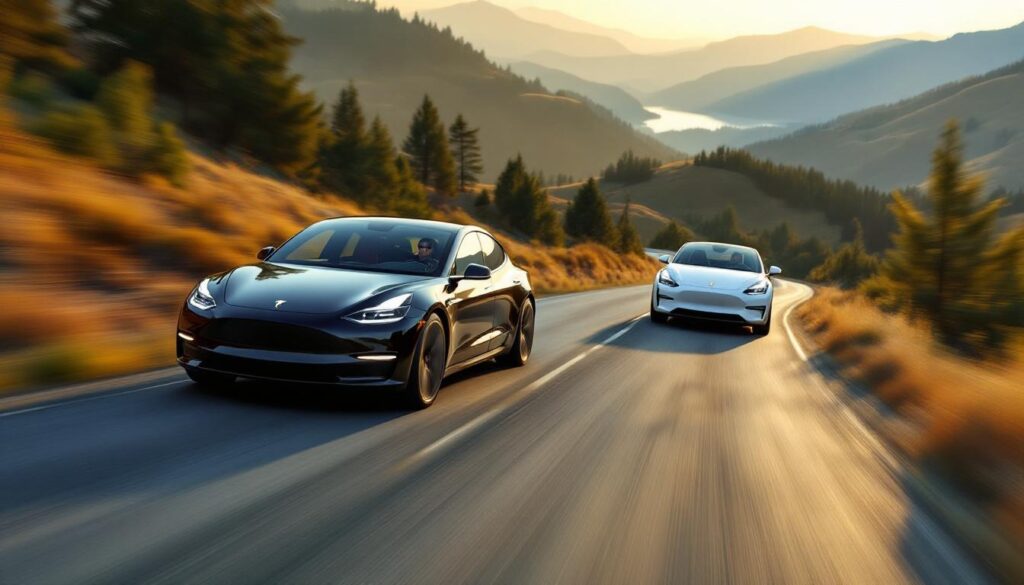

The development of electric cars is constantly evolving, particularly during this time when the energy transition is taking a decisive turn. With the imminent ban on thermal vehicles by the European Union by 2035, enthusiasm for this type of propulsion is strengthening. However, the question of autonomy remains central. Drivers are questioning the actual capabilities of these vehicles to meet their daily expectations. Although many models achieve impressive ranges of over 600 kilometers, some show significantly lower performance under real-world conditions.
Electric car models with disappointing ranges
Tests conducted, such as those carried out by InsideEVs in 2024, highlight this issue. Faced with theoretical autonomy figures, the results reveal a striking disparity. Indeed, some cars, such as the Volkswagen ID.7, can see their range drop by up to 36% during a highway journey. How can this difference be explained? It is surprising, especially at a time when manufacturers are showcasing their technological advancements.

It is essential to understand the factors that influence autonomy, which occupy a crucial place in users' concerns. The test model focused on 11 vehicles from different brands. Iconic models such as the Tesla Model 3, the Kia EV9, the BYD Seal, and the Toyota bZ4X were evaluated according to realistic criteria. This varied panel allows for a more complete approach to the autonomy capabilities of electric cars.
- Tesla Model 3: recognized for its performance, but what are the actual autonomy losses?
- Kia EV9: an ambitious all-electric SUV in terms of design and technology.
- BYD Seal: entering a competitive market, is it a misstep?
- Toyota bZ4X: Toyota's legacy facing modern expectations.
Reasons behind a drop in autonomy
The test results raise several relevant questions. Why do some models struggle to maintain their autonomy in real situations while they comply with WLTP standards during certification? Several elements need to be considered:
- Climatic conditions: winter, for example, is a notorious enemy of battery performance.
- Driving style: harsh acceleration and frequent braking significantly affect efficiency.
- Use of accessories: air conditioning and heating also consume energy.
- Battery charge and discharge: optimal management is crucial to preserve capacity.
Each factor can secretly reduce a vehicle's autonomy on the road significantly. It is these nuances that make comparisons between electric vehicles more complex. New measurement standards and adapted methodologies are needed to better understand the real behaviors of these models.
Models emerging with competitive autonomy
Alongside vehicles that see their autonomy drop are those that stand out, offering impressive ranges. The Renault Megane E-Tech, for example, has successfully combined innovation and functionality. With an autonomy nearly similar to that of the best Teslas, it stands out as an interesting choice in the current electric landscape.
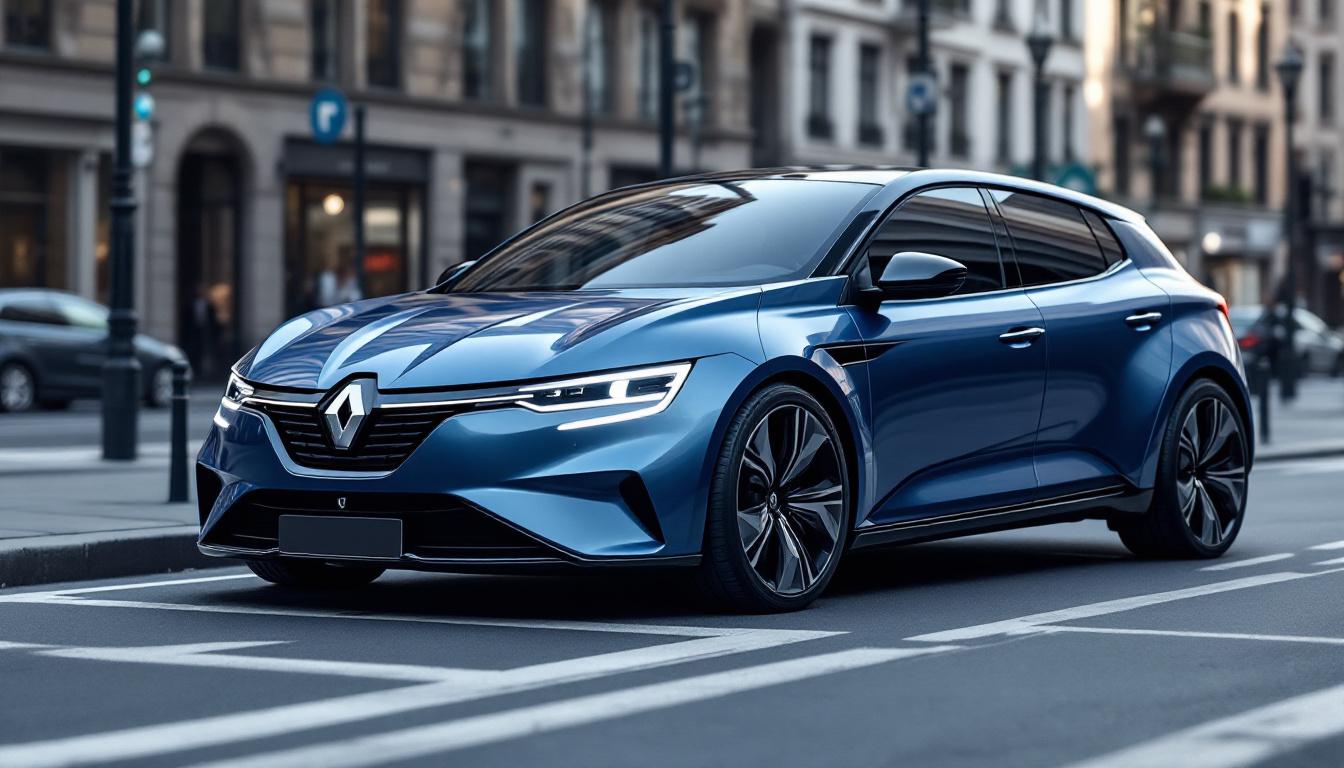
Comparison of model ranges
Understanding which electric vehicles truly offer more than just empty promises is a major issue for future buyers. Let's draw a summary table of the expected performances:
| Model | Theoretical range (WLTP) | Real range (test) | Difference (%) |
|---|---|---|---|
| Tesla Model 3 | 721 km | 650 km | -10% |
| Kia EV9 | 500 km | 450 km | -10% |
| BYD Seal | 600 km | 540 km | -10% |
| Volkswagen ID.7 | 620 km | 400 km | -36% |
| Renault Megane E-Tech | 470 km | 410 km | -12.77% |
The figures speak for themselves. It is clear that technical innovation does not always equate to actual performance on the road. Buyers must therefore be vigilant before diving into the world of electric cars. Proper maintenance and an awareness of driving behaviors are essential.

Climate and autonomy: a constant duel
The climate has a undeniable impact on the autonomy of electric cars. Models must be designed to withstand various climatic conditions, especially when temperatures drop. Tests have shown that some vehicles, such as the Tesla, demonstrate better thermal management, which limits autonomy losses in winter.
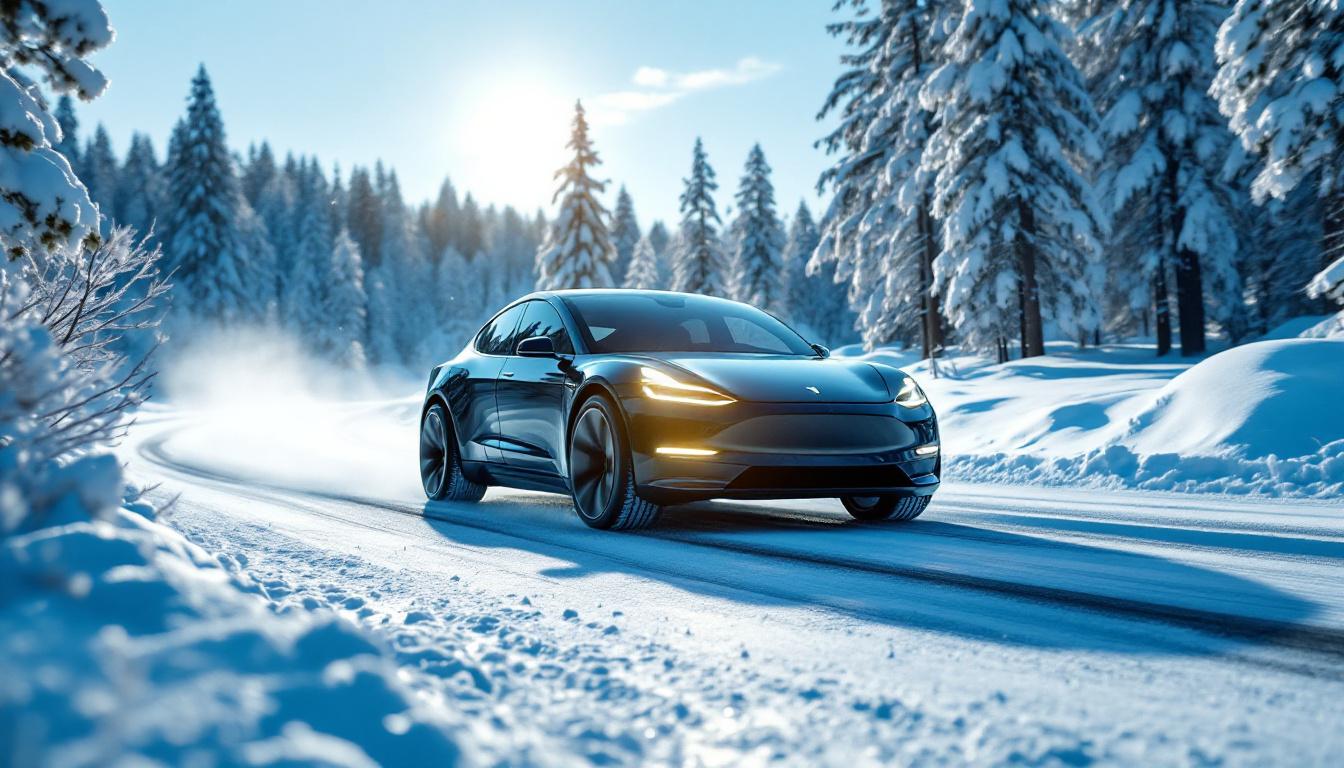
The winter scene and its reality
During winter, battery performance can decline by up to 46% in some cases. This raises the question: are these models really suitable for use in cold areas? Studies like the one from InsideEVs provide a clear insight into the cars that lose the least autonomy.
- Tesla Model 3: known for its performance, remains a solid choice.
- BMW: new versions incorporate effective management technologies.
- Nissan: the Leaf performs better than others in winter conditions.
- Ford: innovations are added to optimize battery life.
These examples show how the industry is evolving to meet consumer needs. Evaluating the impact of climate on vehicle performance is sometimes overlooked but essential for future users.
Toward better understanding and innovation
As the electric market transforms, it is crucial to encourage innovations aimed at improving autonomy management. A new wave of models is arriving for 2025, promising increasingly competitive ranges. Manufacturers, such as Audi, are focusing on advanced battery technologies to optimize energy efficiency.
The challenges of the automotive sector
The automotive sector's journey toward ever-increasing autonomy is marked by obstacles, but also successes. These challenges include:
- Charging faster: developing adequate charging infrastructures.
- Optimizing thermal management: limiting the impact of climatic conditions.
- Battery innovations: creating lighter and more efficient batteries.
- Adaptability of models: offering vehicles suited to different climates.
Every advancement must be welcomed with curiosity and critical spirit. Today's consumer must become an informed buyer, capable of questioning and analyzing the data provided. An initiative is needed to navigate through this jungle of information and choose a vehicle that will ensure a calm and efficient use.

Performance comparison of major manufacturers
To conclude this discussion on the autonomy of electric cars, it is relevant to explore the comparison between different brands. The sector is full of varied proposals, opportunities to seize, and promising innovations.
| Brand | Model | Theoretical range (WLTP) | Price |
|---|---|---|---|
| Tesla | Model S | 800 km | 100,000 € |
| Renault | Megane E-Tech | 470 km | 35,000 € |
| Ford | Mustang Mach-E | 610 km | 56,000 € |
| Audi | e-tron GT | 500 km | 110,000 € |
| Nissan | Leaf | 385 km | 32,000 € |
These numerical values reveal trends and varied choices, ranging from high-end models to more accessible options. Buyers must envision and choose the model that best fits their daily needs and uses. Ultimately, staying informed is key, and consumer behavior will play a crucial role in the evolution of electric automobiles.
Si vous souhaitez lire d'autres articles tels que Electric cars: discovering the models that see their range drop while driving, consultez la catégorie Non classé.
-
Théo Légendaire says:
Les tests sont surprenants, on dirait que l'autonomie est souvent gonflée par les marques.
-
Les résultats des tests sur l'autonomie des voitures électriques sont vraiment surprenants. C'est un sujet important à aborder.
-
C'est incroyable de voir à quel point l'autonomie peut varier selon les conditions de conduite.
-
Il est important de bien choisir son véhicule électrique en fonction de l'autonomie réelle.
-
Les différences de performance entre les modèles sont vraiment surprenantes. Une meilleure transparence serait appréciée.
Leave a Reply to Odran Bellamy Cancel reply
Articles relatifs