Electric cars and radiation: a study reveals the reality behind the myths



At the heart of automotive innovations, electric cars are generating increasing interest, both for their ecological potential and for the concerns associated with their use. While they are seen as future solutions for sustainable mobility, rumors persist regarding the radiation they might emit. The idea that these vehicles are "radiation nests" is emerging and raises legitimate concerns among consumers. It is in this context that the German government has decided to explore this controversy by commissioning a comprehensive study. Certain cars, such as those from Renault, Tesla, Nissan, or BMW, are at the center of this investigation, which aims to demystify the potential implications for human health.
The Hidden Risks of Radiation from Electric Cars
The issue of radiation emitted by electric cars deserves close examination. Indeed, while these vehicles are often presented as the future of mobility, questions about the effects of electromagnetic fields on the health of users remain. The study, commissioned by the German Federal Office for Radiation Protection (BfS) and the Ministry of the Environment, sought to analyze the electromagnetic fields emitted by different models of electric vehicles.
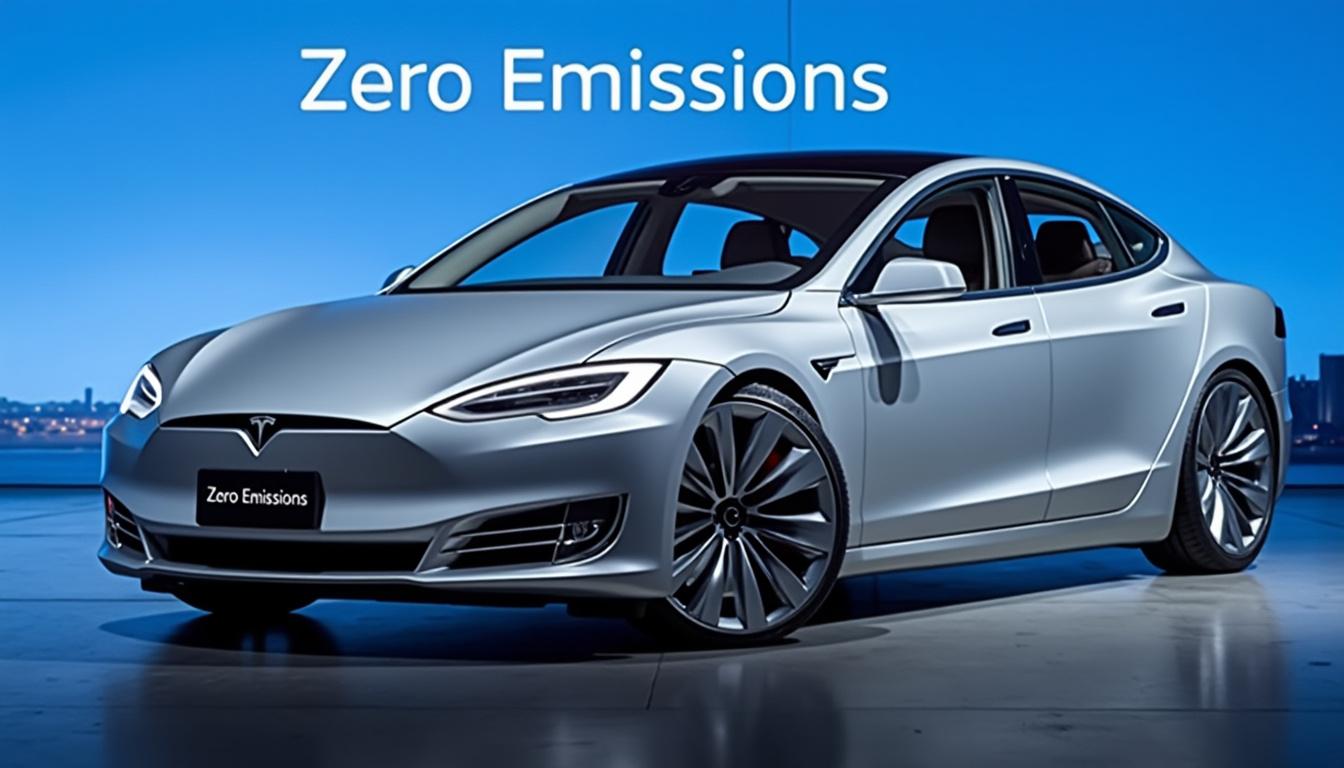
To conduct this study, 14 models were tested, including 11 electric, 2 hybrid, and 1 thermal, over a period from 2019 to 2021. This research was carried out under real conditions, using roller test benches, to observe the behavior of the vehicles in driving situations. During the tests, scientists measured electromagnetic fields at various points of contact with the human body, particularly at the seat level.
The Sources of Electromagnetic Fields in Modern Cars
Modern cars, whether electric, hybrid, or thermal, are equipped with technologies that generate electromagnetic fields. These fields come from various embedded systems, including:
- Air conditioning systems
- Seat heating devices
- Fans
- Motors and batteries, especially in electric cars
- Inverters
This diversity of emission sources complicates the perception of radiation related to cars. It is essential to analyze these sources to understand the potential health impact. Thanks to advanced technologies capable of measuring peaks of electromagnetic fields over short durations, researchers were able to establish an accurate assessment.
Results of the Study on Emissions
The results of the German study are revealing. All tested electric vehicles complied with the safety standards set by the European Union regarding protection against magnetic fields. Furthermore, it was not established that these cars emit more radiation than their thermal or hybrid counterparts. These results contradict the common belief that electric cars are inherently more risky in terms of radiation exposure.
| Type of Vehicle | Safety Standards | Radiation Emissions |
|---|---|---|
| Electric | Compliant | Equivalent to thermals |
| Hybrid | Compliant | Equivalent to electrics |
| Thermal | Compliant | Equivalent to hybrids |
Thus, even if high-intensity electromagnetic fields can be detected under certain conditions, such as during rapid acceleration or intense braking, the measured values remain below the recommended safety thresholds. The president of the BfS, Inge Paulini, explicitly stated that there is no health risk based on the results of this investigation.
The Mechanisms of Radiation in Electric Vehicles
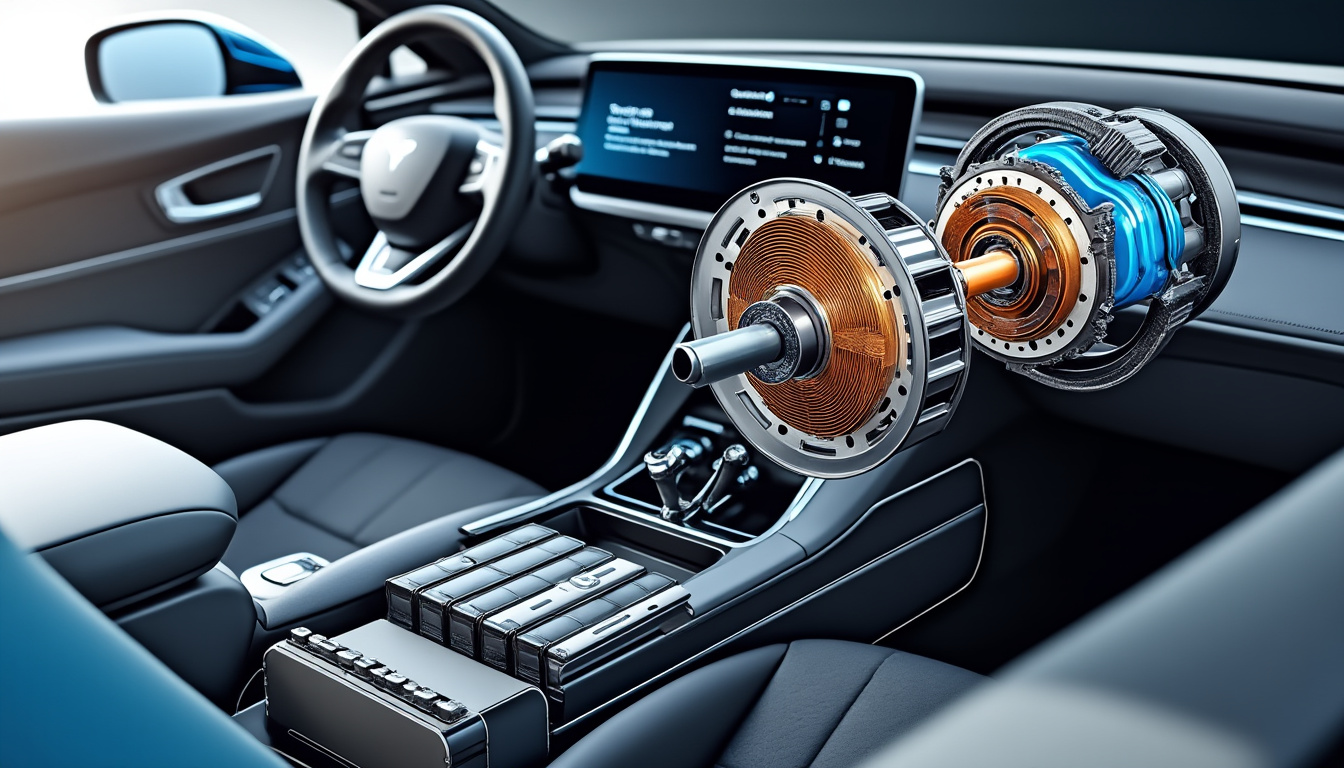
Understanding how electromagnetic fields are generated in electric cars is fundamental to dispelling fears. Electric cars, by their design, incorporate electric motors, powerful batteries, and complex electronic systems. These elements produce magnetic fields, but many factors determine their intensity, and not all are synonymous with danger.
The Interactions Between the User and the Vehicle
The emissions of electromagnetic fields vary not only according to the model of the vehicle but also based on the interaction between the user and the vehicle. For example, during calm driving, the recorded radiation levels are lower than during aggressive driving. Studies have shown that peaks of radiation occur mainly during sudden accelerations or hard braking.
In this regard, the impact of driving style is significant. Drivers adopting a more moderate style are generally exposed to significantly lower levels of radiation compared to those adopting a more aggressive driving style. Some observations have even revealed that the moment when contact is made with the engine produces higher magnetic fields, especially in the traditional case of hybrid cars.
- Rapid accelerations: Increases field intensity
- Hard braking: Creates short-term radiation peaks
- Moderate driving styles: Reduce radiation exposure
Comparison with Thermal Engine Vehicles
Another fundamental aspect is the comparison with thermal engine vehicles. The results of the study show that, overall, electric cars do not emit more radiation than their traditional counterparts. Moreover, thermal vehicles also use many electronic systems that lead to similar emissions of radiation.
| Type of Vehicle | Sources of Radiation | Radiation Level |
|---|---|---|
| Electric Vehicles | Batteries, motors | Standardized, compliant |
| Thermal Vehicles | Engines, onboard electronics | Comparable, compliant |
The work of these researchers therefore highlights a reality; the differences between the types of vehicles in terms of radiation emissions are minimal, and health fears appear unfounded.
Misconceptions and Reluctance to Adopt Electric Vehicles
Despite the encouraging results of the German study, public opinion still seems dominated by misconceptions regarding the dangers of electric cars. This reluctance could be attributed to several factors.
The Elements Influencing Perception of Radiation
First of all, the lack of knowledge about modern technologies plays a role. Many consumers do not fully understand how electric cars and their components work. Moreover, stereotypes associated with new technological products can foster irrational apprehensions, which, as this study shows, are not justified.
- Popular beliefs about radiation
- Reluctance to adopt new modes of transportation
- Influence of media on risk perception
Furthermore, some misconceptions mention a high operating cost or limited range of electric vehicles, which hinder their adoption. The growing presence of brands like Tesla, Ford, Volkswagen, and Peugeot in the electric vehicle market, however, demonstrates that this technology is becoming mainstream.
The Role of Communications in Raising Awareness
It thus becomes crucial to frame communications around the benefits of electric cars. Educational actions on the use of technologies could help alter these perceptions. The implementation of explanatory campaigns and the dissemination of verified information could assist not only in dispelling fears about radiation but also in strengthening confidence in this form of mobility.
| Objectives of Communications | Recommended Actions | Expected Impact |
|---|---|---|
| Education on technologies | Courses, seminars | Increased confidence |
| Dissemination of verified information | Media campaigns | Reduction of fears |
The shift to electric represents a fundamental change. By improving understanding of the benefits and limitations of electric cars, it is possible to envision a smoother transition accepted by the entire population.
The Implications of the Study on Consumer Choices
With the publication of the study's results, it becomes interesting to analyze how these could affect consumers' purchasing decisions. The information gathered offers insight into the hesitations, but also the appetites of users faced with this innovative technology.
Purchasing Decisions Influenced by Study Results
By revealing that electric cars do not pose an increased risk related to radiation, this study provides a solid basis to reassure potential buyers. This could potentially increase interest in brands such as Hyundai, Kia, and Audi, which are also developing ranges of electric vehicles.
- Increased interest in electric cars
- More aggressive commercial policies from manufacturers
- A favorable dynamic for innovation and diversity of offerings
Manufacturers could take advantage of these results by highlighting these conclusions in their marketing campaigns, emphasizing the compliance of electric vehicles with radiation safety standards. This could not only strengthen their image but also boost sales in an increasingly competitive market.
Future Trends in the Automotive Industry
In the future, the trend is towards an increase in electric models on the market. Traditional brands, such as Ford and Volkswagen, are intensifying their efforts to electrify their ranges. The results of the study could encourage other actors to commit to this path and develop increasingly secure technologies.
| Manufacturer | Planned Electric Models | Market Impact |
|---|---|---|
| Renault | New electric range | Synergy with safety standards |
| Tesla | Expansion of the catalog | In light of growing demand |
These developments could also pave the way for more robust regulations around electric car safety standards, thus ensuring better security for consumers.


Si vous souhaitez lire d'autres articles tels que Electric cars and radiation: a study reveals the reality behind the myths, consultez la catégorie Non classé.
-
Léandre Prospère says:
C'est rassurant de savoir que les voitures électriques ne sont pas plus dangereuses que les thermiques.
-
C'est une étude intéressante, ça fait réfléchir sur la sécurité des voitures électriques.
-
Les études sur la sécurité des voitures électriques sont vraiment rassurantes. On devrait en parler davantage.
-
Les résultats de l'étude sur les voitures électriques sont rassurants et éclaircissent de nombreuses idées reçues.
-
Les résultats de cette étude apaisent réellement mes inquiétudes sur les voitures électriques.
Leave a Reply
Articles relatifs