Electric cars and 800 V architecture: composition and utility



In the face of rising environmental concerns and the search for sustainable solutions, electric vehicles are gaining popularity. In this context, the 800 V architecture emerges as a promising innovation, transforming the way we recharge and use these vehicles. By breaking down its characteristics, advantages, and implications, we can better understand what makes this technology so crucial for the future of electric mobility.
What is 800 V architecture?
The 800 V architecture represents a significant technological leap compared to the traditional 400 V standard, which is commonly used in most current electric vehicles. To understand this advancement, it is essential to delve into the very functioning of these systems. Power (P) in electricity is determined by the formula P = U x I, where U is voltage (in volts) and I is current (in amperes). By doubling the voltage of the architecture, the current can be reduced, thus increasing efficiency while avoiding energy losses due to the Joule effect.
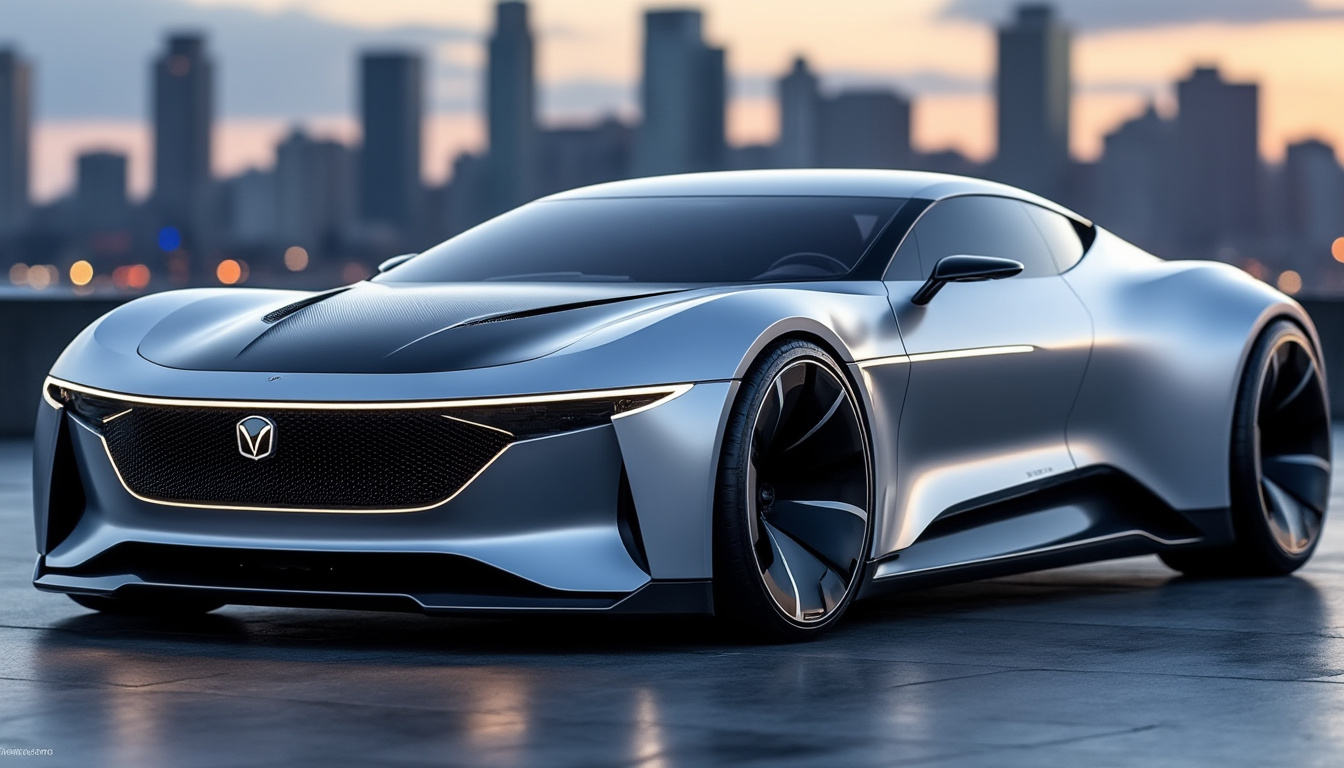
In the case of electric vehicles marked by this new architecture, the battery is generally composed of many cells connected in series. Each cell has a nominal voltage ranging from 3.6 to 3.7 V. By connecting more cells in series, the 800 V is reached at the battery pack level. However, it is not just the simple increase in voltage that enhances performance; it is the combination with advanced power electronics components that strengthens the efficiency of the vehicles.
The essential components of 800 V architecture
To fully leverage the benefits of a high-voltage architecture, several elements are necessary:
- Silicon carbide (SiC) field effect transistors (MOSFETs): These devices allow for better thermal conductivity and reduced energy loss compared to traditional transistors.
- Advanced converters: To manage power fluctuations and ensure fast charging while maintaining safety and efficiency.
- Optimized thermal management systems: They allow for controlling the temperature of the batteries, which is crucial for longevity and efficiency of charging.
The combination of these components not only promotes fast charging but also allows for reducing the size and weight of the vehicle's electrical system, making cars lighter and potentially more efficient. However, it is important to note that the mere mention of an 800 V architecture does not necessarily mean that an electric vehicle always operates at this voltage. Some manufacturers tend to embellish the technical specifications on paper.
The advantages of 800 V architecture for electric vehicles
With the rise of 800 V architecture, several advantages emerge. First and foremost, the speed of charging is a highly appreciated parameter by users.
Fast charging
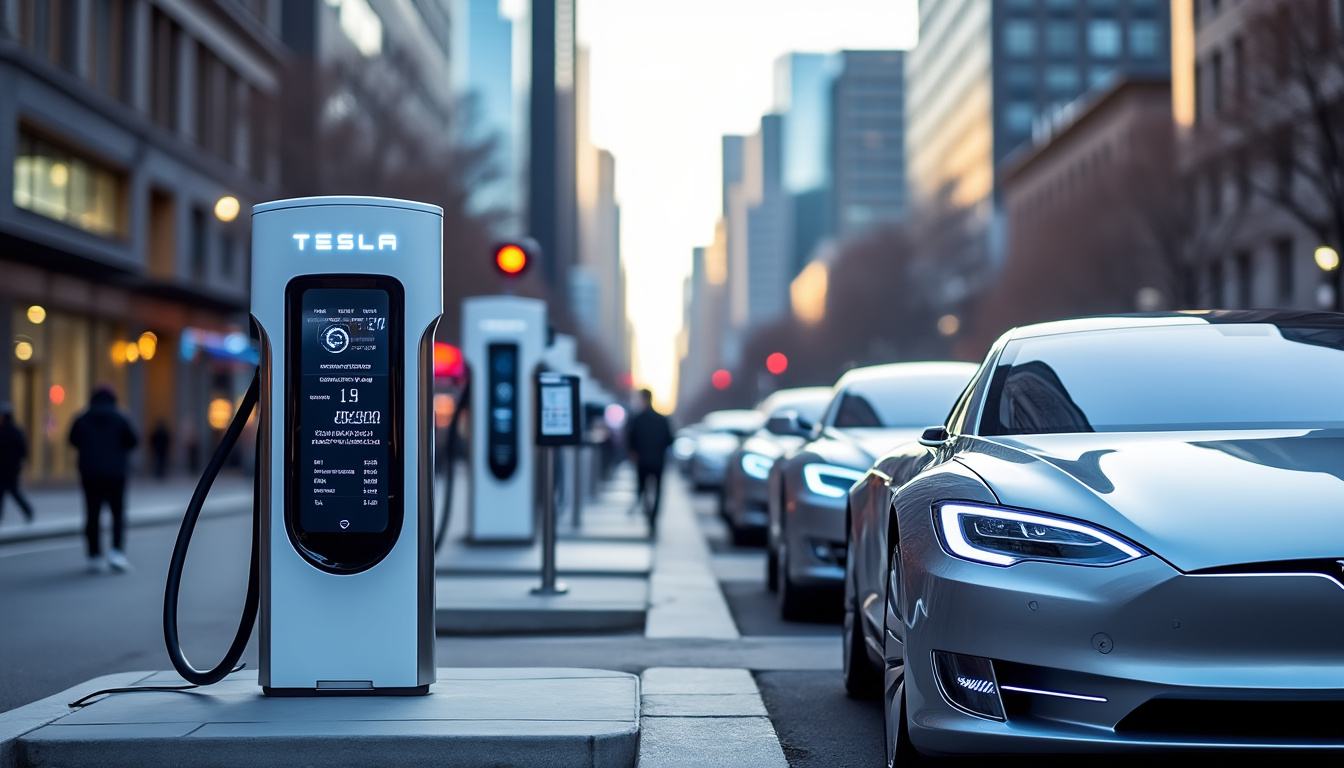
Electric vehicle users are often concerned about the time spent charging their vehicle. The 800 V architecture allows for charging at much higher power levels. For example, many vehicle models equipped with this technology claim a fast charging capacity of up to 270 kW. This means it is possible to charge from 10 to 80% in less than 20 minutes under optimal conditions.
Better thermal management
Another notable benefit is improved thermal management. With power transmitted at a higher voltage, the current can be reduced, resulting in less heat generated in the system. This translates into better component endurance and an extended battery lifespan. Drivers can therefore benefit from more stable operation during intensive and prolonged charging. This also has a positive impact on vehicle performance, particularly in demanding conditions.
Reduction of cable size
By increasing the voltage, it is possible to use smaller gauge cables for the same power, contributing to a lighter vehicle. The integration of lighter materials can also reduce long-term manufacturing costs, an important point for manufacturers concerned about their profitability.
| Vehicle Model | Nominal Voltage (V) | CCS Charging Capacity (kW) | Charging Time 10-80% (min) |
|---|---|---|---|
| Porsche Taycan | 800 | 270 | 22 |
| Audi e-Tron GT | 800 | 270 | 23 |
| Hyundai Ioniq 6 | 800 | 239 | 18 |
The impact of 800 V architecture on the automotive market
By 2025, most major manufacturers will begin adopting 800 V architecture, including market leaders such as Tesla, BMW, Audi, and Porsche. Each of these players aims to capitalize on the trend toward electrification of transport, offering vehicles that integrate this advanced technology.
Key players
Iconic models are beginning to emerge, along with collaborations between different industry players. Here is an overview of brands supporting the 800 V architecture:
- Tesla: By constantly innovating, this brand maintains a leading position in the market.
- Porsche: With references such as the Taycan, it illustrates the performance of 800 V architecture.
- Audi: With the Audi e-Tron GT, the brand positions itself as a serious competitor in the fast charging arena.
- Hyundai: They are introducing models like the Ioniq 6, which successfully adopt this architecture.
Environmental considerations
It is essential to consider that this technological advancement is not narrowly limited to figures. By integrating more efficient systems, manufacturers also aim to reduce carbon emissions associated with the production and use of vehicles. The shift to 800 V architecture contributes to establishing a smoother energy transition, making the use of electric cars even more appealing to the public. Indeed, from an environmental perspective, the efforts made by brands like Nissan, Volkswagen, and Mercedes-Benz towards more sustainable models linking performance and respect for the planet will not go unnoticed.
The challenges of 800 V architecture in the future of electric mobility
The future prospects for electric cars using 800 V architecture are promising, but not without challenges. As more and more brands adopt this technology, it is clear that it will not suffice on its own. The evolution of charging infrastructure plays a crucial role in the expansion and adoption of these vehicles.

Infrastructure challenges
For 800 V architecture to reach its full potential, charging stations must also be adapted. Many current infrastructures are not yet equipped to handle the high power levels that these systems allow. Therefore, it is crucial to invest in developing new charging stations capable of ensuring this essential speed.
Consumer education and awareness
Similarly, consumers will need to be educated about the advantages of high-voltage architectures. Distrust towards fast charging and technical details regarding battery safety will need to be addressed. Brands have the responsibility to inform and reassure their customers to promote the adoption of this technology with confidence.
Collaboration between manufacturers and governments
Finally, the future of 800 V architecture requires close collaboration between manufacturers, governments, and utility companies. Joint initiatives could facilitate the development of adequate infrastructure and promote innovation in the sector while ensuring that the benefits of this transition are inclusive and accessible to all. These collaborations could translate into significant investments in infrastructure projects aimed at making renewable energy and charging solutions more accessible.
| Key Elements | Impacts on Industry | Desired Actions |
|---|---|---|
| Consumer education | Increased confidence in electric vehicles | Awareness campaigns |
| Charging infrastructure | Ease of access and speed of charging | Investments in modern stations |
| Collaboration | Harmonious development of the electric ecosystem | Partnerships between companies and government |
Si vous souhaitez lire d'autres articles tels que Electric cars and 800 V architecture: composition and utility, consultez la catégorie Non classé.
-
Liora Verdant says:
L'architecture 800 V va définitivement changer la donne pour les voitures électriques, hâte de voir l'évolution !
Leave a Reply
Articles relatifs