Electric cars: a shield for health in a country drowned by pollution

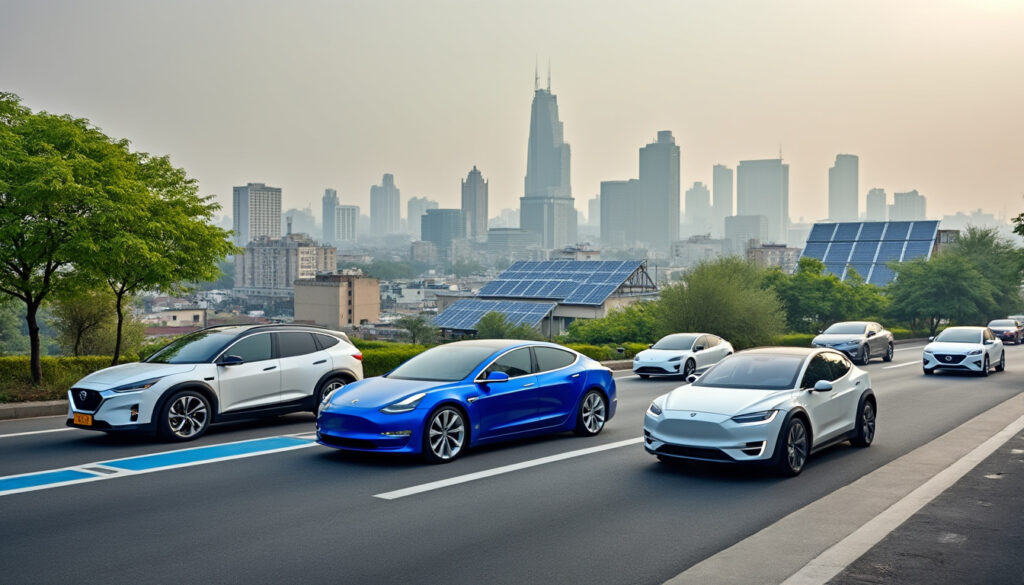

In a world where pollution has become a formidable enemy to public health, electric cars emerge not only as a technical solution but also as a true protective shield. Imagine the scene: streets once saturated with exhaust fumes, now cleared by the presence of silent vehicles powered by clean energy. Nepal, often shrouded in thick smog, becomes the symbol of an electric revolution poised to transform our relationship with mobility.
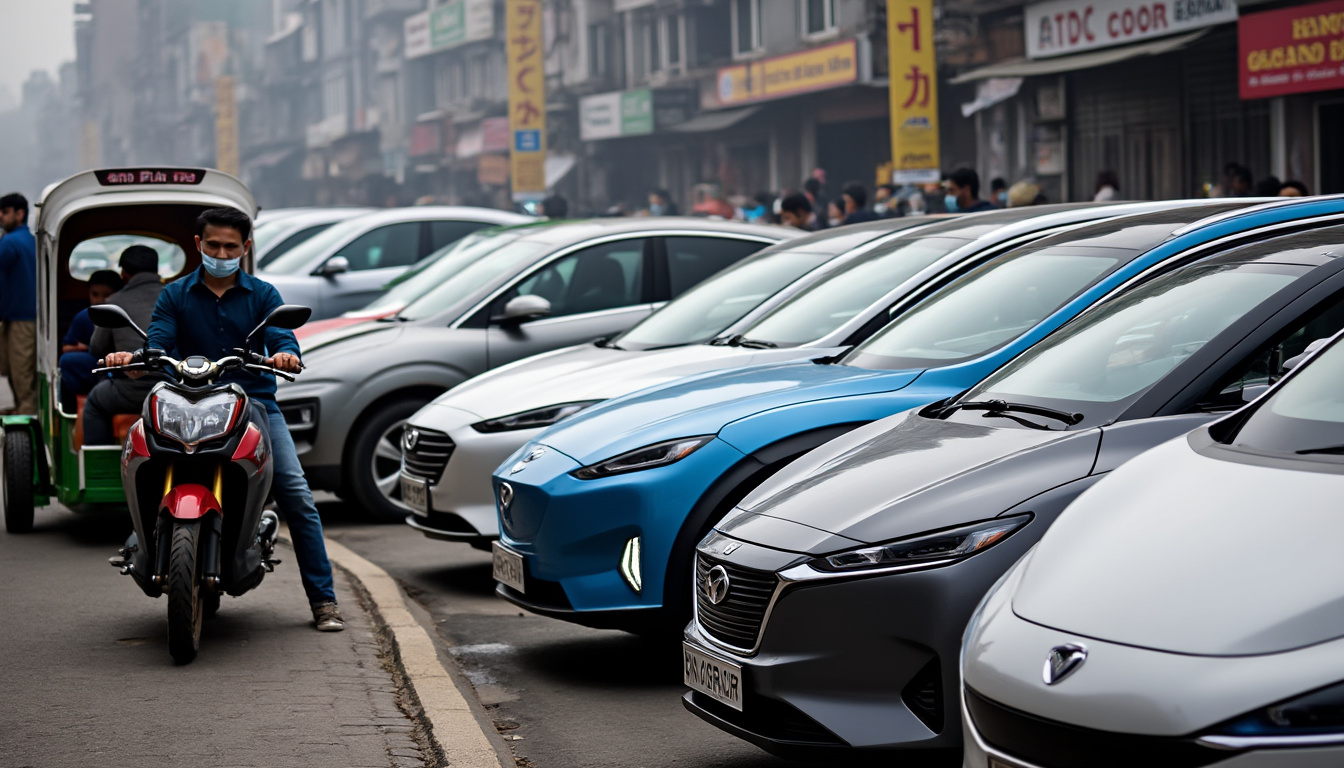
A Record Adoption of Electric Vehicles in Nepal
The winds of change are blowing over Nepal, with more than 70% of the new four-wheel vehicle imports in 2024 being electrified. Such a spectacular growth is fueled by the following figures:
| Year | Electric Car Imports | Growth (%) |
|---|---|---|
| 2020-2021 | 250 | – |
| 2023-2024 | 13,000 | +5,100% |
This dynamic is also supported by an ambitious government objective: to reach 90% private vehicle sales and 60% public electric vehicles by 2030. This could make a massive difference, as pollution is responsible for nearly 19% of deaths in the country.
Energy Savings and the Necessary Transition
The skyrocketing rise of electric vehicles is not just a matter of trend. The stability of electricity prices 📈, combined with lower import taxes, encourages many Nepalese to turn to this sustainable alternative. Testimonies from electric vehicle owners like Binaya Parajuli, who chooses a vehicle for its cost-effectiveness, illustrate this radical change.
- ✔️ Usage costs reduced to one-tenth of those of combustion engine cars.
- ✔️ Favorable financing conditions from banks.
- ✔️ A majority of electricity is hydroelectric and clean.
The Urgency to Reduce Pollution in Kathmandu
Kathmandu, regularly cited as one of the most polluted cities in the world, faces a colossal challenge. Transport accounts for about a quarter of the fine particulate pollution in the valley. The health effects on residents are alarming: a reduction in particles could lead to an average gain of 2.6 years of life according to WHO recommendations.

Obstacles to Overcome
However, for this transition to have a significant impact, it is imperative to include public transport vehicles. Currently, the weight of diesel buses and trucks continues to hinder the efficiency of electrification. Obstacles to this transition persist:
- 💵 High initial purchase costs for electric buses.
- 🔌 Insufficient charging infrastructures.
- 🚍 An public transport system that is still disorganized.
A Transformed Life for Professional Drivers
Nepalese drivers are experiencing an economic revolution. In a small corner of Kathmandu, Krishna Prasad Chaulagain charges his electric minibus. With a charging cost that is only one-fifteenth of what he spent on gasoline 💸, he can afford to take well-deserved breaks during charging. Meanwhile, the Sajha Yatayat cooperative begins to import electric buses, signaling a collective will to change the workings of public transport.
A Global Challenge
Nepal shows the way, but it is important to remember that staying at the forefront requires global action. Maheshwar Dhakal reminds us that even with a local conversion to electric vehicles, it would not have a sufficient impact if other countries do not follow suit. This transition represents a call to action for all nations.
Manufacturers such as Tesla, Nissan, Renault, and many others offer electric options, but the change will also require brands like Volkswagen, Hyundai, BMW, Ford, Peugeot, Citroën, and Audi to commit to reducing their own carbon footprints. An ambitious task, but one that can transform the world.
In summary, the way forward is clear: electrification represents a unique opportunity to significantly improve air quality and the health of future generations. The time to act is now. 🚗🔋
Si vous souhaitez lire d'autres articles tels que Electric cars: a shield for health in a country drowned by pollution, consultez la catégorie Non classé.
-
Sahira Rivaze says:
Les voitures électriques sont une excellente solution pour réduire la pollution en ville.
-
Les voitures électriques sont vraiment un bon moyen de réduire la pollution en ville. J'espère que cela va continuer!
Leave a Reply
Articles relatifs