Electric car users in this country are facing an unprecedented challenge

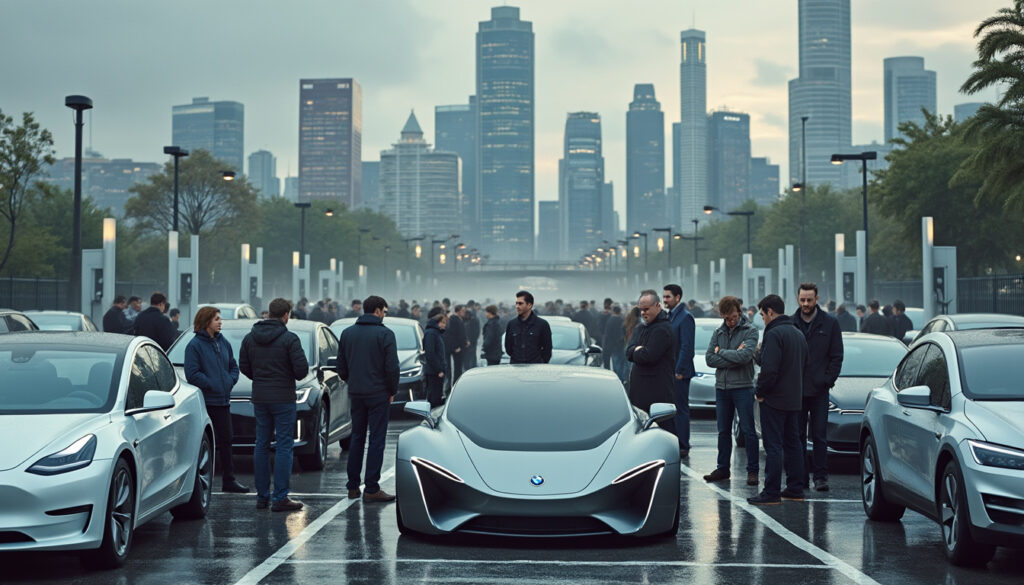

In a world where the energy transition is becoming increasingly urgent, electric vehicle drivers must overcome unexpected obstacles. While governments and manufacturers intensify their efforts to promote sustainable mobility, the reality on the ground reveals challenges that could hinder this evolution. These technical and structural challenges raise questions about the future of electric vehicles.
State of play of charging infrastructures in 2025
With more than 160,000 public charging stations in France, the charging network for electric vehicles presents a considerable asset. However, the reality of this infrastructure is much more complex than it seems. Users must navigate an ecosystem where many charging points are underutilized, raising concerns about their future.
The neglected charging points: a worrying reality
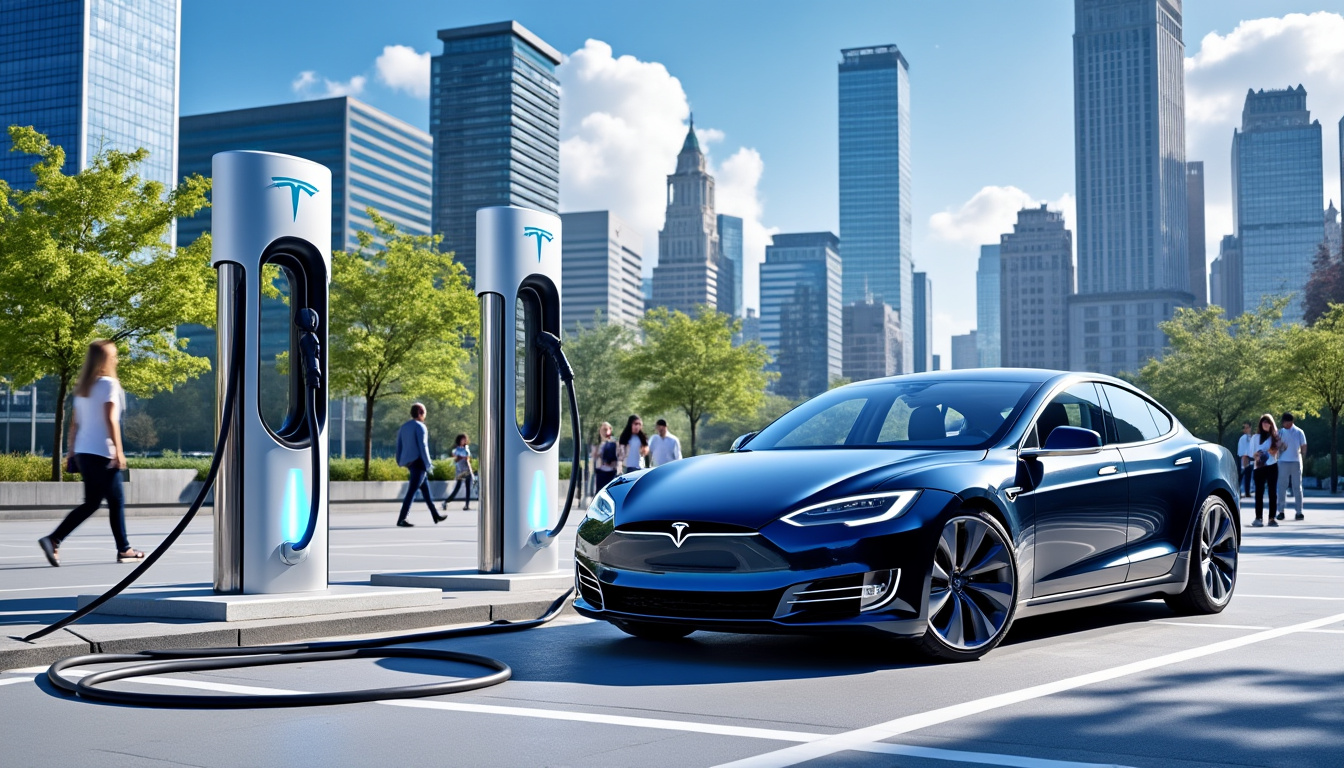
A recent study by the energy company Elvah highlighted a troubling situation: many charging points remain desperately empty. Nearly 24% of fast chargers only operate at a capacity of 5%. This phenomenon has its roots in several factors, mainly related to the location of the charging points.
- Geographic isolation: Charging points located in remote areas are often deserted, as they lack visibility and an influx of drivers.
- Uniform pricing: The cost of charging does not vary enough between urban and rural areas, discouraging users from venturing to less frequented stations.
- Absence of associated services: Many drivers look for stations that offer additional services, such as cafes or shops, to optimize their waiting time.
Impact on usage and profitability
The current situation impacts not only users but also small businesses that manage these charging points. The uneven use of infrastructures creates peaks of activity in certain areas. Consequently, strategically located stations in city centers face increased pressure, while others that are less visible remain inactive.
This dynamic could have fatal consequences for the charging ecosystem. Isolated stations could be closed due to a lack of profitability, thereby creating a geographic fracture in the charging network. Electric vehicle drivers, such as those owning models from brands like Renault, Nissan, or Peugeot, would find their mobility limited.
| Type of charging point | Usage rate | Charging capacity |
|---|---|---|
| Fast charger | 5% | 80% in 30 minutes |
| Standard charger | 15% | 100% in 6-8 hours |
Experts are calling for an optimization of the existing network, with the priority not being to multiply installations, but to improve users' experiences. This could include price adjustments and an information campaign aimed at drivers.

Government initiatives: a double-edged support
To encourage the adoption of electric vehicles, governments have established several incentive schemes. Ecological bonuses and conversion grants are emblematic examples of this political will. However, these initiatives are often perceived as ephemeral and less attractive.
The distinction between support and dependency
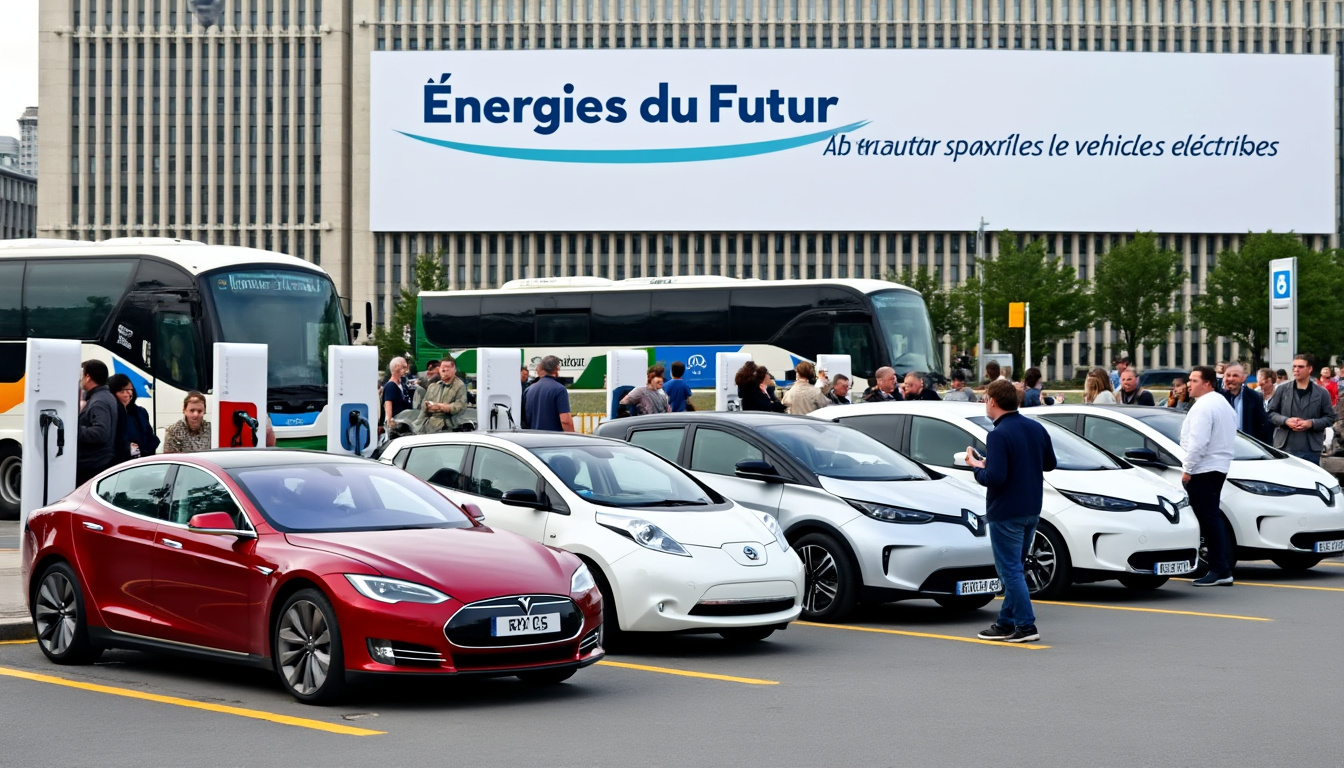
Each country adapts in its own way to the rise of electromobility. However, the divergence in incentive policies can sometimes create imbalances. While some countries like Norway boast very high penetration rates of electric vehicles, others struggle to meet their targets, raising questions about the sustainability of subsidies:
- Decrease in subsidies: The future of financial aids is uncertain as they tend to decrease over time.
- Uncertainty for users: This trend creates a form of anxiety among potential new buyers who fear investing in a vehicle whose value may quickly decline.
- Regulatory confusion: Frequent changes can also confuse users, complicating their choices.
With players like Tesla, Volkswagen, and BMW intensifying their efforts to capture the market, the need for stable regulation is more crucial than ever.
A call for collaboration among market players
To address these challenges, the various market players must collaborate. This synergy between government, businesses, and consumers could enable the implementation of innovative solutions. This could include:
- Public-private partnerships: To help finance charging infrastructures in isolated areas.
- Awareness campaigns: To promote the use of less frequented charging points.
- Technological improvements: Developing smart charging points capable of communicating with vehicles to optimize charging.
| Type of initiative | Description | Potential impact |
|---|---|---|
| Ecological bonus | Subsidy for purchasing an electric vehicle | Stimulating demand |
| Conversion grants | Support for converting a thermal vehicle to an electric vehicle | Accelerating the change in the automotive fleet |
Focus on car manufacturers and their role
Car manufacturers play a decisive role in the transition to electromobility. Brands such as Audi, Hyundai, Kia, and Citroën now compete to offer attractive electric models, but the implementation remains fraught with challenges.
The electrification of ranges
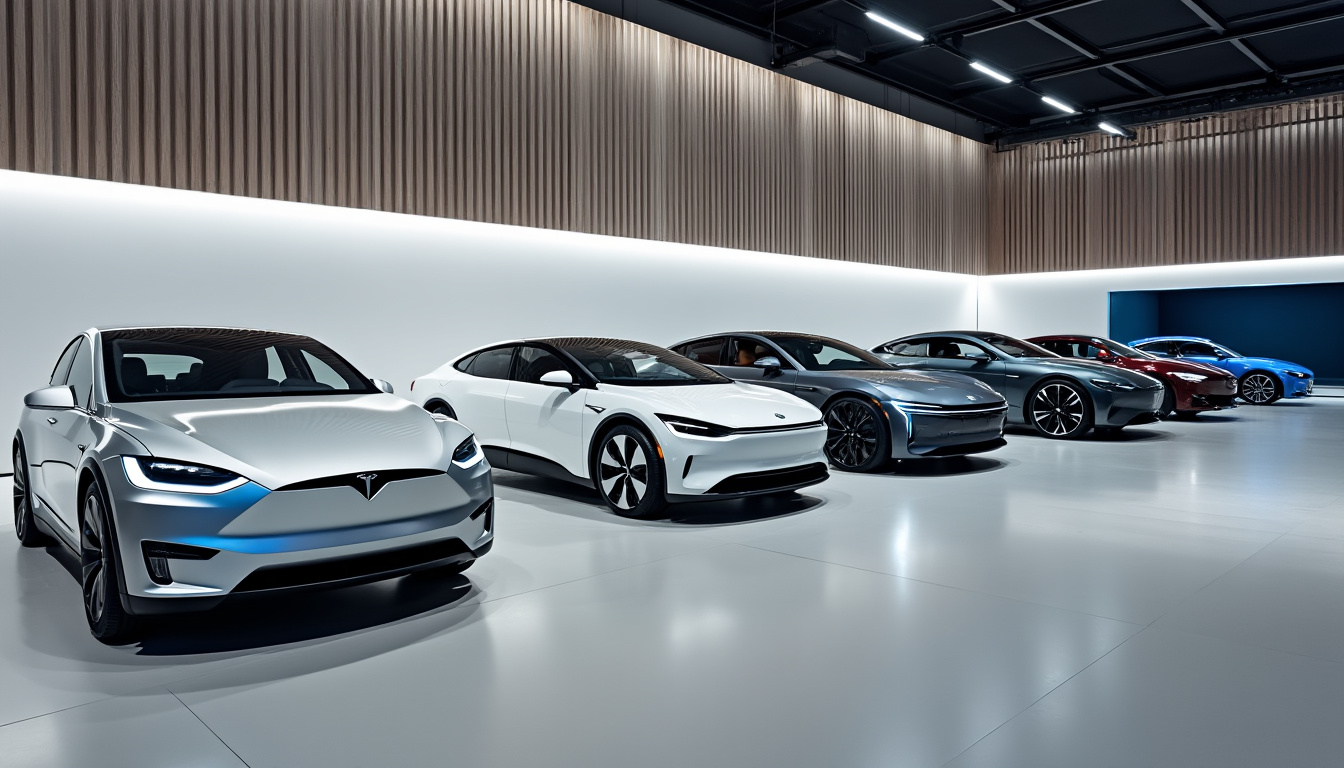
Major brands are committed to electrifying their ranges, but this transition is not without complications. The goal is to reach up to 100% electric vehicles in certain segments by 2030, but logistical and technical challenges remain. Manufacturers must also manage the growing demand for these vehicles and the need for sustainable production.
- Significant investments: Companies need to invest heavily in production infrastructures and advanced technologies.
- Supply chain management: The availability of critical materials for batteries has become a focal point.
- Collaboration with governments: Manufacturers must ensure that regulations and incentives support their electrification efforts.
The challenges of competition
The current competitive climate pushes brands to innovate rapidly. Some, like Nissan with its Leaf range, manage to establish themselves in the market, while others may be left behind. In the long term, the ability to respond to demand sustainably will be decisive. Consumers need to see real added value in purchasing an electric vehicle:
- Operating cost savings: The operating cost of an electric vehicle is often lower than that of thermal vehicles.
- Environmental benefits: The reduction of CO2 emissions is a strong argument for environmentally conscious consumers.
- Advanced technologies: Features such as autonomous driving and infotainment systems make electric vehicles an attractive choice.
| Brand | Flagship electric model | Key features |
|---|---|---|
| Renault | ZOE | Range of 395 km, fast charging |
| Nissan | Leaf | ProPILOT assisted driving |
| Tesla | Model 3 | Range of 614 km, high performance |
The challenges of consumer acceptance
The acceptance of electric vehicles by the general public represents another major challenge in their adoption. Despite undeniable advantages, the perception of these vehicles evolves slowly. Some ingrained beliefs must be questioned to facilitate this transition.

Common misconceptions about electric vehicles
Despite technological advancements, common misconceptions often hinder potential buyers. Here are some of the most widespread:
- Insufficient range: Many believe that electric cars cannot cover long distances.
- Long charging times: Potential users fear they will have to wait too long to charge.
- High purchase cost: The entry price of electric models is still perceived as a hurdle, even with subsidies.
Solutions to improve acceptance
To reverse this trend, several actions can be considered:
- Educational workshops and demonstrations: At events, allow people to test the vehicles to show that using an electric car daily is simple and beneficial.
- Promotion of economic benefits: Better communicate the long-term savings achieved.
- Improvement of infrastructures: Work with municipalities to make charging points more accessible.
| Common misconception | Response |
|---|---|
| Electric cars are expensive | Subsidies and grants make the purchase more affordable. |
| Charging times are too long | Fast charging points allow for charging in under an hour. |
Si vous souhaitez lire d'autres articles tels que Electric car users in this country are facing an unprecedented challenge, consultez la catégorie Non classé.
-
Lysandre Faure says:
Les infrastructures de recharge doivent vraiment s'améliorer pour que plus de gens adoptent les voitures électriques.
-
Les infrastructures de recharge doivent vraiment s'améliorer pour rendre les voitures électriques plus accessibles à tous.
-
Les infrastructures de recharge doivent vraiment s'améliorer pour une adoption massive des véhicules électriques.
-
Il est essentiel d'optimiser les infrastructures de recharge pour soutenir l'électromobilité.
-
Les infrastructures de recharge doivent vraiment être améliorées pour encourager plus de conducteurs.
Leave a Reply to Lysandre Faure Cancel reply
Articles relatifs