Electric car sales in Europe are experiencing explosive growth, but Tesla is facing a worrying decline.

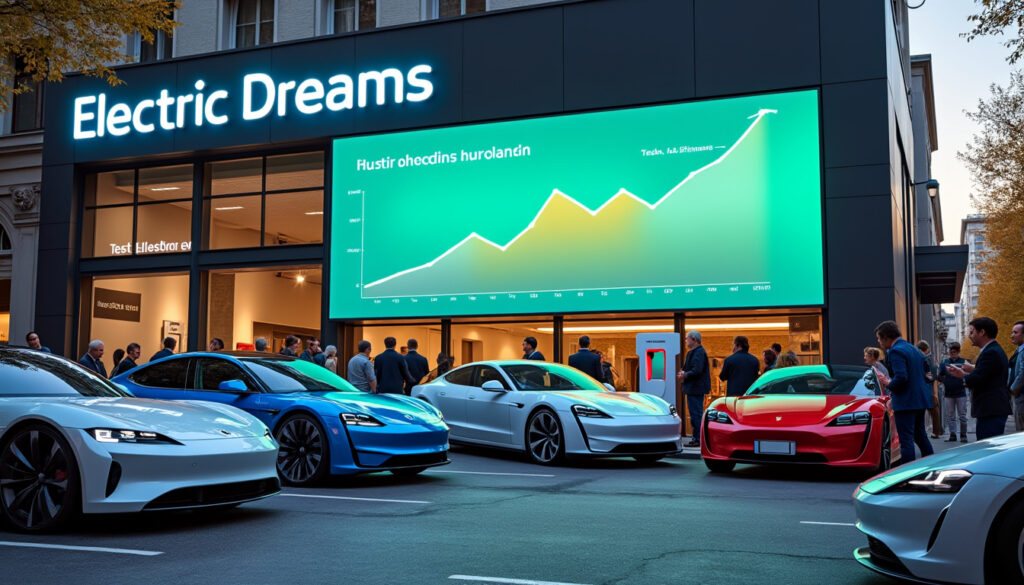

Electric car sales in Europe are soaring, marking a decisive turning point in the automotive industry. By 2025, the electric market reaches unprecedented heights, but in the midst of this positive dynamic, an iconic player, Tesla, sees its numbers wobble alarmingly. Far from remaining the indisputed reference, the American manufacturer faces a significant drop in sales, calling into question its place in the European market. This article aims to explore in depth the reasons behind Tesla's sales erosion, as well as the driving factors behind the rise of other brands, such as Volkswagen, Renault, and Hyundai.
A record growth in electric car sales in Europe
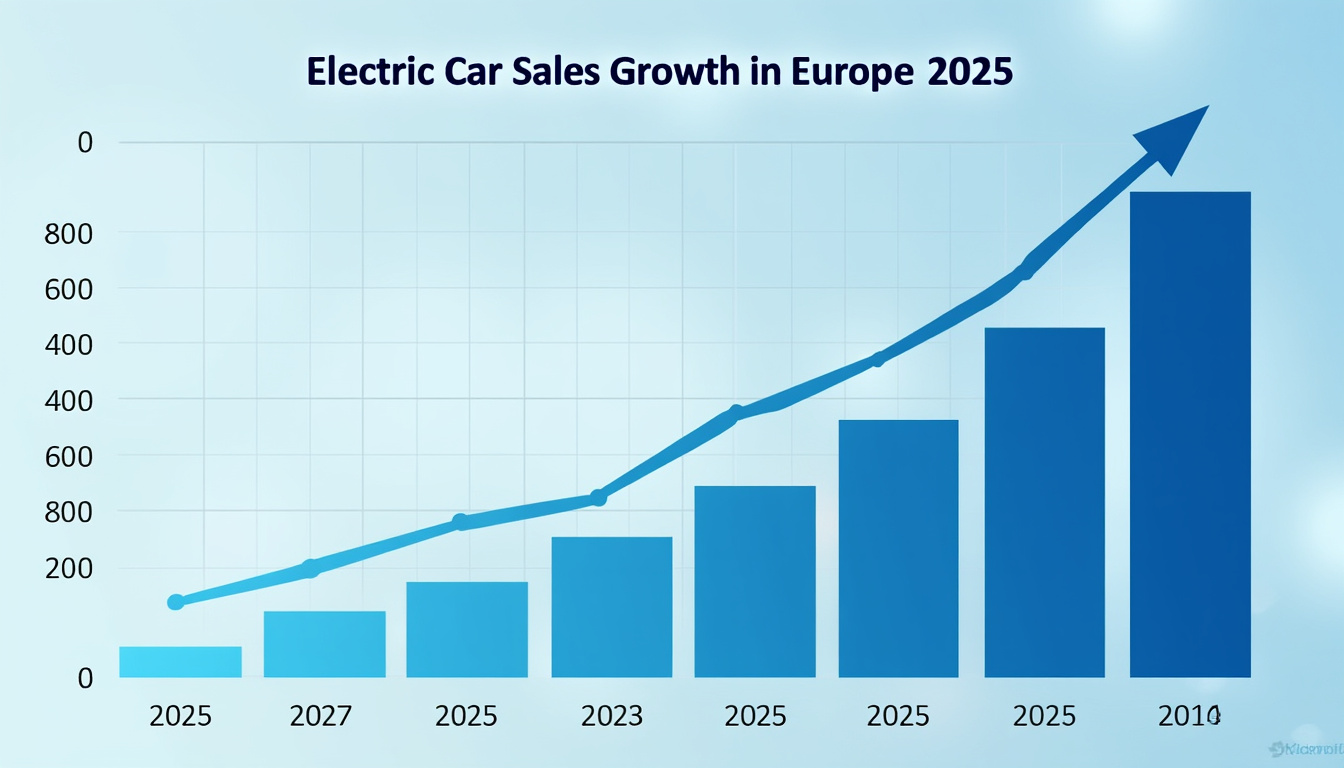
The first quarter of 2025 was marked by a multitude of dazzling figures regarding electric car sales in Europe. According to the European Automobile Manufacturers Association (ACEA), approximately 413,000 100% electric cars were registered, representing a growth of around 24% compared to the previous year. Countries such as Germany and Belgium stand out particularly with respective increases of 38.9% and 29.9%. Meanwhile, the Netherlands also shows good performance with an increase of 7.9%.
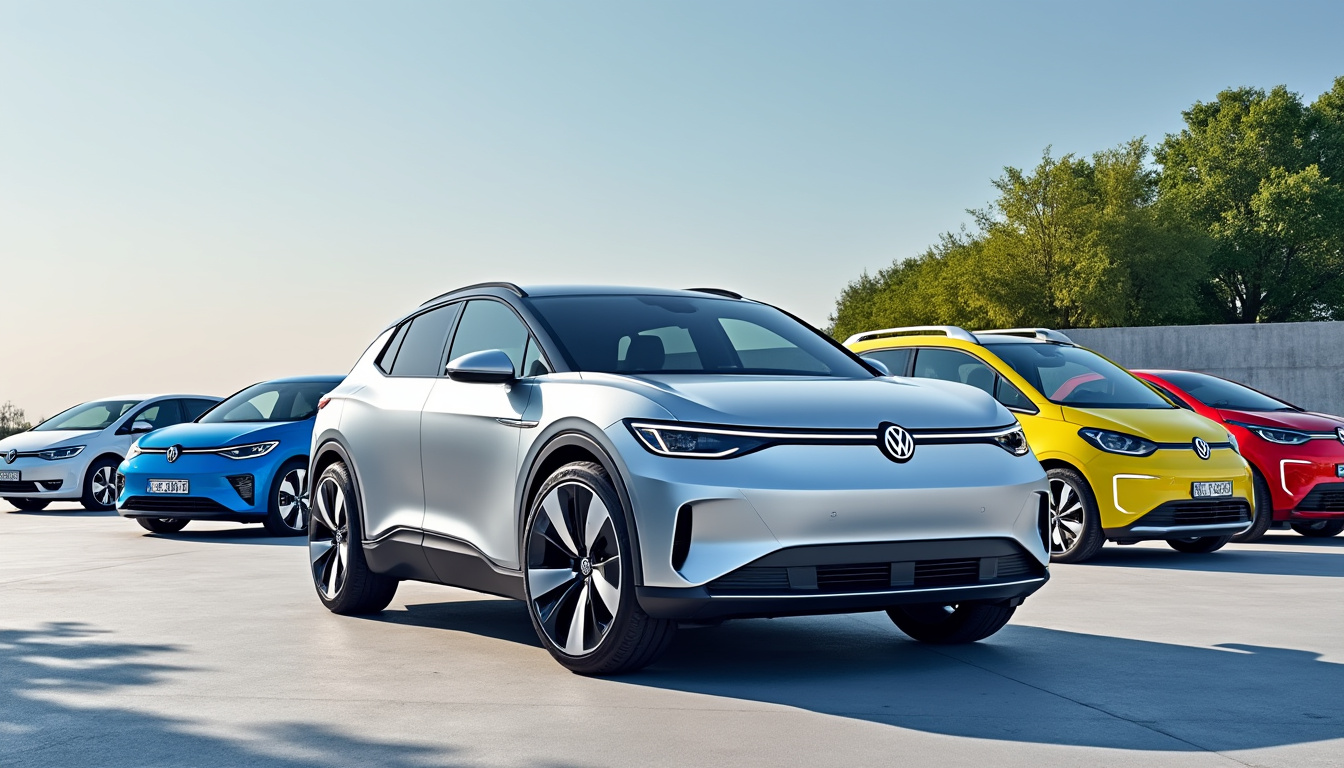
These results are due to various factors such as the expansion of the range of electric vehicles offered on the market, investments in charging infrastructure, as well as government policies encouraging the transition to less polluting vehicles. In this dynamic context, the brand Volkswagen has particularly drawn its card well, recording sales reaching 875,875 units in Q1 2025, increasing its market share to 25.9%.
The favorable environment for electric vehicles
The environment in which manufacturers operate has changed. Consumers, increasingly sensitive to environmental issues, are turning to electric options with strong motivation. This trend is fueled by several key elements:
- Financial incentives: Many European countries offer subsidies and tax reductions for purchasing electric vehicles, thus making access to these cars easier.
- Growing awareness: Awareness campaigns about climate change encourage buyers to opt for low-emission vehicles.
- Widening of the offer: New brands and models are arriving on the market, offering a diversity that modern consumers are looking for.
| Brand | Q1 2025 Sales | Change (%) | Market Share (%) |
|---|---|---|---|
| Volkswagen | 875,875 | +5.7 | 25.9 |
| Tesla | 54,020 | -37.2 | 1.6 |
| Stellantis | 525,283 | -12.2 | 15.5 |
| Renault | 344,519 | +10.0 | 10.2 |
| Hyundai | 267,234 | -4.0 | 7.9 |
Although the overall growth is palpable, it would be wrong to consider all players on equal footing. Tesla, which has long been at the head of the market, records a dramatic 37% drop in its sales, falling from 86,000 units to 54,000. This decline occurs in a context where the market as a whole is growing.
The shadowy fall of Tesla and its causes
The situation of Tesla is all the more concerning when considering that the manufacturer, known for its constant innovation and quality, now seems to lag behind other brands. Several factors can explain this troubling decline. First, strong competition from European and Asian brands has changed the landscape. Volkswagen, Renault, and Hyundai offer appealing alternatives, with models that attract a varied audience.
The reasons for Tesla's decline in Europe
A number of elements must be analyzed to understand this situation:
- Lack of attractive new products: Unlike other brands that regularly launch new models, Tesla seems to have stagnated in its innovation. The renewal of its range has become too rare to maintain enthusiasm.
- Delivery issues: Challenges faced in logistics and delivery may discourage potential customers, while international competition is agile and responsive.
- Insufficient promotion: Despite their efforts, the promotions in place, such as a year of free charging, have not generated the expected desire among consumers.
Meanwhile, other brands benefit from a constant renewal of their offerings and seem better equipped to satisfy an increasingly demanding clientele. Nissan, Ford, and BMW, to name a few, attract with competitive prices and cutting-edge technology.
| Brand | Flagship Model | Price (in €) | Details |
|---|---|---|---|
| Nissan | Leaf 2 | 32,000 | Long-lasting and comfortable battery |
| Ford | Mustang Mach-E | 45,000 | Sporty performance and sleek design |
| BMW | i4 | 43,000 | Advanced technology with top autonomy |
The contrast is striking and leads to reconsidering Tesla's strategy in Europe. While other brands think about innovative concepts and customer satisfaction, Tesla, having become too confident in its notoriety, struggles to adapt and evolve.

The rise of Volkswagen and emerging brands
The rise of Volkswagen and other brands in the electric car market is emblematic of a revolution within the European automotive industry. With a strong offering, Volkswagen has not only conquered the market, but has also implemented a strategy that allows it to stand out.
Winning strategies of Tesla's competitors
The reasons for this success are multiple and varied:
- Expanding charging infrastructure: Brands like Volkswagen do not just sell vehicles; they invest in charging infrastructure, reassuring motorists about charging their electric vehicles.
- Launch of a variety of models: Offering multiple models targeting different customer segments allows these brands to meet various needs and desires.
- Strategic partnerships: Forming alliances with technology companies strengthens their position. For example, Volkswagen recently announced a collaboration with a tech company to develop autonomous driving solutions.
The following table illustrates the fast-growing brands, as well as the elements that have propelled them:
| Brand | Success Factors | Direct Competitors |
|---|---|---|
| Volkswagen | Diversified offer, infrastructure | Tesla, Renault |
| Renault | Customer-focused approach | Tesla, Peugeot |
| Hyundai | Value for money | Tesla, Kia |
The role of public policies in the rise of electric sales
Public policies play a key role in the transition to electric vehicles. In Europe, many governments are adopting regulations favorable to eco-friendly vehicles. These measures are crucial to support a sector that, although expanding rapidly, also faces challenges imposed by climate change.
Incentives and regulations in Europe
The measures adopted by the three main actors, namely the European Union, national and local governments, support this transition. This includes aspects such as:
- Purchase subsidies: Many European countries offer financial assistance for purchasing electric cars, making these vehicles more accessible.
- Emission standards: Stricter CO2 emissions standards encourage consumers to opt for low-emission vehicles.
- Investments in infrastructure: Government investments in charging points are essential to facilitate the use of electric cars.
These initiatives greatly contribute to the rise in electric car sales by offering both financial aid and the necessary infrastructure. This also has a significant impact on consumer behavior, which is increasingly inclined towards more sustainable options.
| Country | Type of Support | Examples of Measures |
|---|---|---|
| France | Subsidies | Eco bonus |
| Germany | Infrastructure investments | Network of charging points |
| Belgium | Emission standards | Imposing limits on new vehicle emissions |

The future challenges for Tesla and the electric industry
As the European automotive industry evolves rapidly, Tesla must confront a series of challenges that could redefine its future in this market. Although the company continues to benefit from its notoriety, it must act to restore its privileged position.
The future prospects for Tesla
For Tesla to regain its leading position in the European market, several aspects must be considered:
- Continuous innovation: The development of new models and technologies is essential to attract consumers again. Renewing their vehicles and anticipating customer needs can make all the difference.
- Improvement of customer experience: Customer loyalty involves good after-sales service, but also attractive loyalty programs.
- Reevaluation of marketing strategy: More targeted communication could allow Tesla to regain a notable market share.
Reassessing Tesla's commercial approach could also open the door to strategic partnerships that would help the brand overcome its current challenges. It is imperative to remain agile and adapt offerings to the expectations and needs of today's consumers.
| Challenge | Potential Solution |
|---|---|
| Stagnant innovation | Launch regularly updated and innovative models |
| Increased competition | Strengthen customer relationships and improve after-sales service |
| Logistics failures | Optimize supply chain and delivery |
The proposed solutions are opportunities for Tesla to turn its course and continue its adventure on the continent. In this world where clean mobility has become a major issue, adapting is key to survival.
Si vous souhaitez lire d'autres articles tels que Electric car sales in Europe are experiencing explosive growth, but Tesla is facing a worrying decline., consultez la catégorie Non classé.
-
Lyana Volkov says:
C'est impressionnant de voir la montée des ventes de voitures électriques, mais Tesla doit réagir rapidement.
-
Il est surprenant de voir Tesla en déclin alors que le marché électrique explose ailleurs.
-
Tesla doit vraiment innover pour ne pas perdre sa place sur le marché européen.
-
C'est fascinant de voir comment le marché des voitures électriques change si vite en Europe.
Leave a Reply
Articles relatifs