Easing of CO2 quotas: automobile industry lobbyists achieve a victory

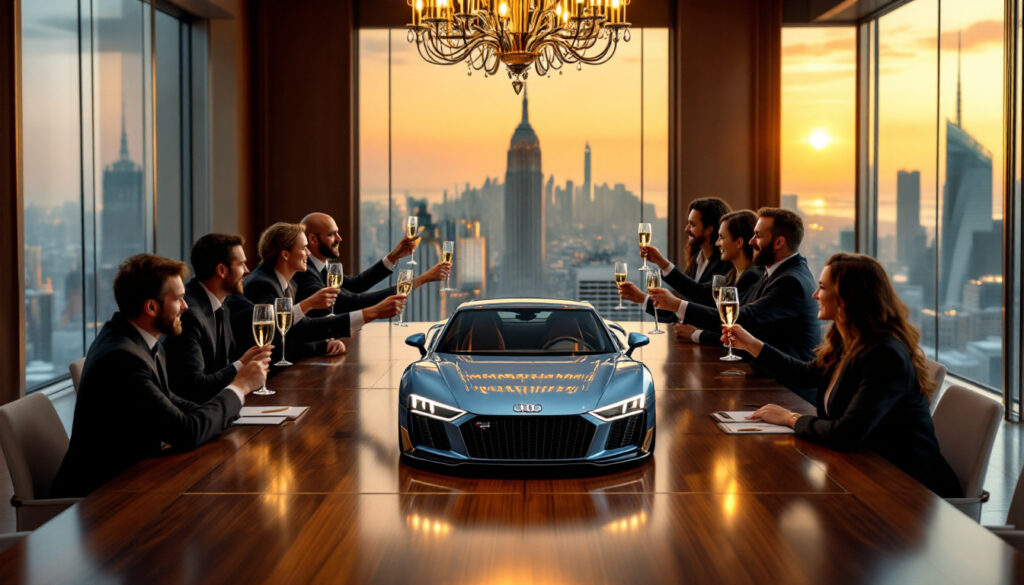

Recent news concerning the European automotive industry marks a strategic and controversial turning point. On May 8, 2025, the European Parliament voted in favor of loosening CAFE (Corporate Average Fuel Economy) standards, a significant measure for manufacturers such as Renault, Peugeot, Citroën, Volkswagen, and Ford. What are the implications of this decision for the environment and the industry?
The stakes behind the loosening of CO2 quotas
In a context where the fight against climate change is more crucial than ever, CAFE standards were implemented to reduce CO2 emissions from vehicles. These standards require each manufacturer to adhere to an average emission level across all their sales. Initially, these thresholds were set at 115.1 g of CO2/km. However, with the recently voted loosening, this situation is evolving. Now, manufacturers can calculate their average over a three-year period rather than being judged on a single year.
Additional deadlines for industries
This new measure allows major players in the sector, such as BMW and Mercedes-Benz, to breathe a little easier and take steps to better adapt to emissions requirements. Why? Because the electrification of fleets is progressing much more slowly than expected. Although brands like Toyota and Nissan are ahead in the electric vehicle market, most manufacturers are not yet able to meet the new established standards.
- Renault and Peugeot: Development of hybrid models.
- Citroën and Volkswagen: Acceleration of their electric assembly lines.
- Ford and Fiat: Gradual increase in their production of non-polluting vehicles.
Calculation mechanisms and fines
The consequences of this change are not limited to a mere extension of deadlines. The new three-year calculation allows companies to offset excessive emissions from one year to the next. This mechanism thus offers unprecedented flexibility. Previously, hefty fines could be imposed for non-compliance. Now, the ability to collaborate and form pools between different manufacturers allows brands like Tesla, for example, to benefit from their head start in electrification.
| Manufacturer | Maximum emission (g CO2/km) | Compliance status |
|---|---|---|
| Renault | 115.1 | Delayed |
| Peugeot | 115.1 | Delayed |
| Volkswagen | 93.6 (2025) | On track |
| Toyota | 93.6 (2025) | Compliant |
The implications for the environment and consumers
Although the automotive sector is rejoicing at this flexibility, voices are rising to contest this decision. Environmental groups and certain European institutions argue that this loosening calls into question years of efforts to reduce carbon footprints. Some wonder: what will be the impact of this measure on initiatives aimed at achieving the EU's climate goals?
Impact on consumers
Consumers play a key role in this dynamic. As manufacturers are tempted to slow down the shift to cleaner models, buyers might find themselves with fewer environmentally friendly options. In 2025, the choice of vehicles that meet emission standards could be limited. At the same time, the upward trend in electric vehicle sales could be compromised by this new flexibility. Will consumers still favor electric cars if emission standards become less strict?
- Potential increase in thermal vehicles.
- Short-term savings for manufacturers.
- Long-term repercussions on health and the environment.
Reactions from NGOs and experts
Environmental NGOs are concerned about the consequences of such decisions, believing that the fight against global warming could be compromised by the weight of the automotive industry. Environmental policy experts are calling for a reassessment of the action plan and the current orientation of Parliament. Many criticisms arise, arguing that a step back could undo progress already made.
| ORGANIZATION | WARNING |
|---|---|
| Greenpeace | Risks of the return of polluting vehicles. |
| WWF | Alert on air quality. |
| Friends of the Earth | Longevity of the established standards. |
Strategies proposed by manufacturers
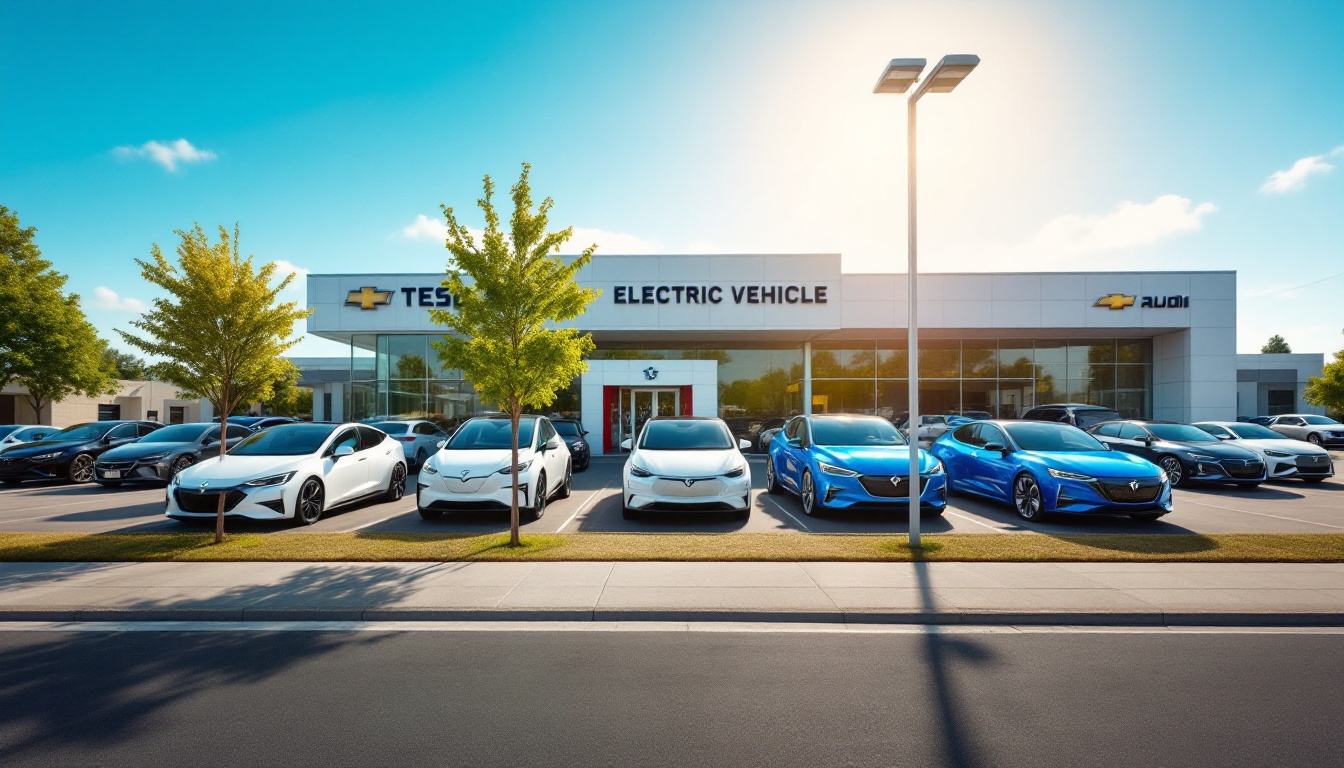
To comply with the new standards, several strategies are being highlighted by major manufacturers. Groups like Ford and Volkswagen are developing various programs aimed at meeting environmental expectations while maintaining profitability. Each manufacturer must find a balance between technological innovation and compliance with regulatory requirements.
Innovation and research
Companies are focusing on innovation, particularly in the fields of engines and batteries. Indeed, research into more sustainable and efficient battery technologies could provide a response to this growing pressure. The shift to alternative energies, such as hydrogen or biofuels, is being considered by some brands. These innovations could tip the balance towards faster and more effective electrification.
- Renault is investing in solid-state batteries.
- Peugeot is exploring hydrogen.
- Volkswagen is introducing new adapted production lines.
Adoption of electric vehicles
Meanwhile, the adoption of electric vehicles by a larger number of consumers is crucial. Manufacturers are now more incentivized to offer purchase incentives, such as government subsidies. Increasing consumer awareness of the environmental benefits of electrification is imperative.
| STRATEGY | IMPORTANCE |
|---|---|
| Development of charging infrastructure | Facilitate access for users |
| Partnerships with energy companies | Innovations for fleet electrification |
| Offers of hybrid models | Widen the range of available choices |
The role of governments and public policies
Government support is fundamental in guiding companies towards more sustainable choices. The European Parliament's decision to give a boost to the industry may seem like a compromise, but it raises questions about regulatory responsibility. To what extent can governments strengthen obligations and motivate the automotive industry to better comply with environmental objectives?

Regulatory instruments
European governments could consider strengthening financial incentives for companies that actively manage to reduce their emissions. For instance, an emissions credit system could be established, enabling entrepreneurs to benefit from support based on their environmental performance. Grants dedicated to the electrification of production lines could also encourage better compliance.
- Emission credits based on performance.
- Subsidies for energy transition.
- Clear and strict regulations on the transition.
Impacts of EU policies
EU policies play a key role in Europe's global reputation as a leader in the fight against climate change. However, this loosening of standards could harm that image. Future decisions will need to clearly pave the way toward sustainable development while ensuring that the automotive industry does not compromise the environmental future of the region.
| POLICY | EXPECTED IMPACT |
|---|---|
| Expansion of subsidies for electric vehicles | Increase the adoption of non-polluting models |
| Regulations on emission thresholds | Mandatory compliance for manufacturers |
In the long run, it is clear that the automotive industry finds itself at a decisive turning point, balancing necessary innovation and revenue preservation in a world where sustainability reigns. This path is paved with challenges, but also with opportunities to reimagine a greener and more responsible future.
Si vous souhaitez lire d'autres articles tels que Easing of CO2 quotas: automobile industry lobbyists achieve a victory, consultez la catégorie News.
-
Elowen Briand says:
La décision du Parlement pourrait nuire à nos efforts pour un avenir plus vert.
-
Les nouvelles normes de CO2 pourraient vraiment freiner les efforts pour protéger notre planète.
-
La flexibilité des normes pourrait nuire à nos objectifs environnementaux. Une décision inquiétante!
Leave a Reply
Articles relatifs