Donald Trump reignites the debate and maintains his opposition to electric cars

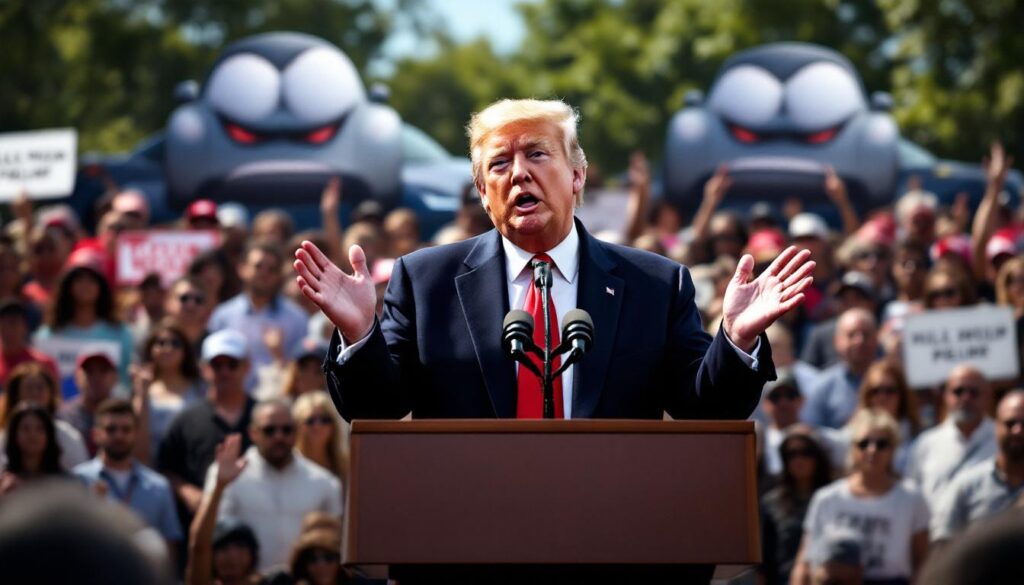

Donald Trump, an emblematic figure of the American political landscape, has recently reignited a major debate by firmly opposing electric vehicles. His recent comments are more than just political statements; they raise profound questions about our energy future, our dependence on renewable energies, and the choices we make as a society. In a context where governments seek to reduce greenhouse gas emissions, Trump's position calls into question the momentum towards a green transition, leaving automakers like Tesla, Ford, or Volkswagen perplexed.
Donald Trump's position on electric cars
During a recent speech, the president stated that electric cars were a "green scam." This speech sent shockwaves through the auto industry. According to Trump, these vehicles suffer from exorbitant costs and a limited range, points that seem to jeopardize the environmental aspirations of previous years. By declaring that we must "save the American automobile industry from destruction," Trump expresses a desire to redirect funds towards traditional infrastructure and support combustion engines.
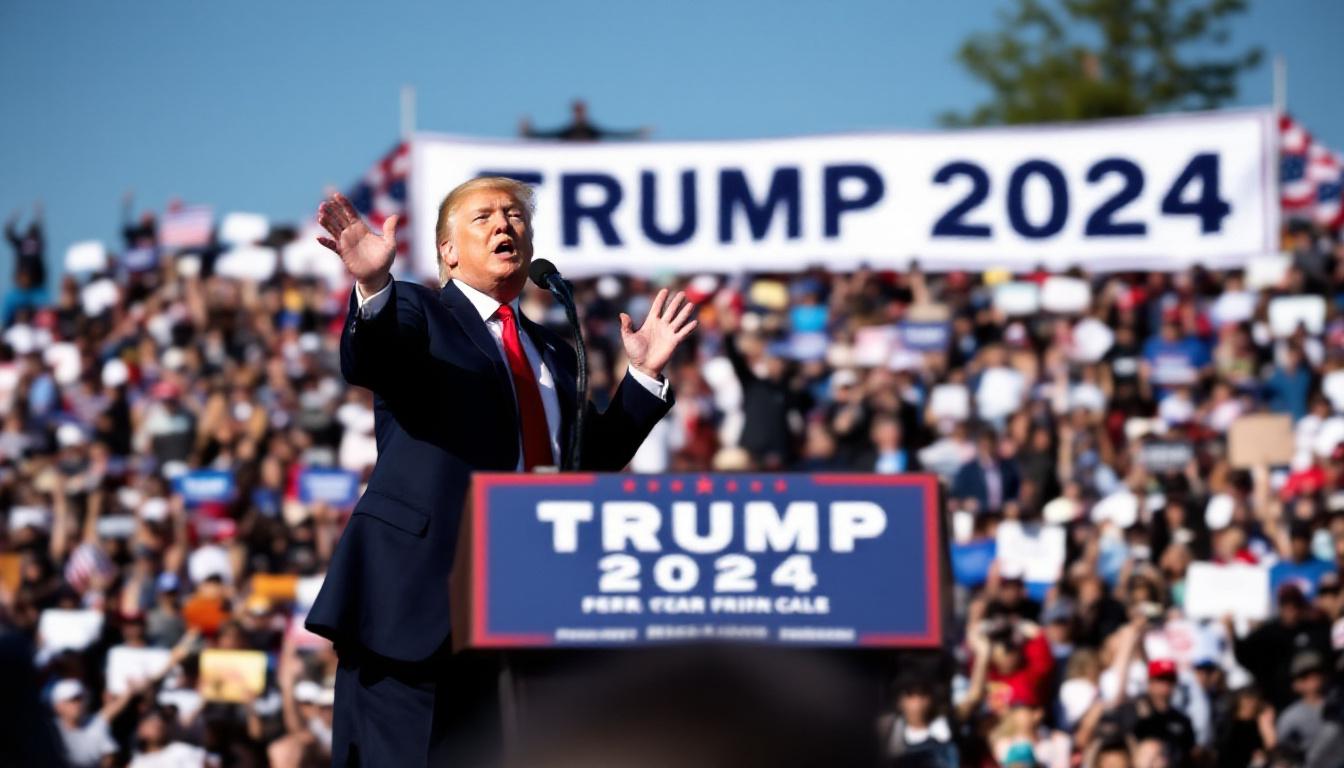
Trump's position strongly opposes initiatives launched by states like California. The latter even signed a resolution to ban the sale of electric cars by 2035, prompting a swift and determined reaction from California authorities. The state's Attorney General, Rob Bonta, stated that this policy threatens "our lives, our economy, and our environment." In light of this opposition, it would be interesting to ask what the repercussions will be on the American automobile industry.
The debate on the future of electric cars
The debate around the future of electric cars is not limited to Trump's simple opposition. It is also revealing of the fracture that runs through American society. Opinions on renewable energies and the electrification of transport are intertwined with economic and environmental concerns. By opposing the global trend towards electric vehicles, Trump seems to embody a voice that advocates for the status quo, even as scientific evidence encourages a transition to more sustainable solutions.
- The costs of battery production are decreasing but remain high.
- The charging infrastructure is still insufficient in many regions.
- The environmental impact of the resources needed to manufacture batteries also raises questions.
The implications of Trump's opposition
The implications of Donald Trump's position are vast. If his opposition to electric cars gains momentum, it could hinder the progress made so far in the renewable energy sector. Many experts believe that this resistance could also slow down the necessary investments to modernize transportation infrastructure in the United States. Automakers, who are increasingly moving towards zero-emission models, may need to rethink their strategy.
| Manufacturer | Electric Models | Goals by 2030 |
|---|---|---|
| Tesla | Model S, Model 3, Model X, Model Y | 50% of sales |
| Ford | Ford Mustang Mach-E, F-150 Lightning | 40% of electric sales |
| Volkswagen | ID.4, ID.3 | 70% of sales in Europe |
These developments raise troubling questions, particularly regarding the impact on the environment and public health. The decision to favor combustion engines could mean an exacerbation of pollution and the damage caused by climate change. As the Biden administration focuses on electrification and emission standards, Trump's opposition sets the stage for a legislative tug-of-war that could have significant long-term repercussions.

How is the auto industry reacting?
The American auto industry, which must adapt to new consumption and regulatory realities, faces a crucial choice: follow the momentum created by renewable energies or cling to outdated technologies. The reactions from major industry players are varied. Some, like Tesla, are rapidly moving towards electrification, while others, like Ford and Volkswagen, are trying to strike a delicate balance between combustion and electric models.
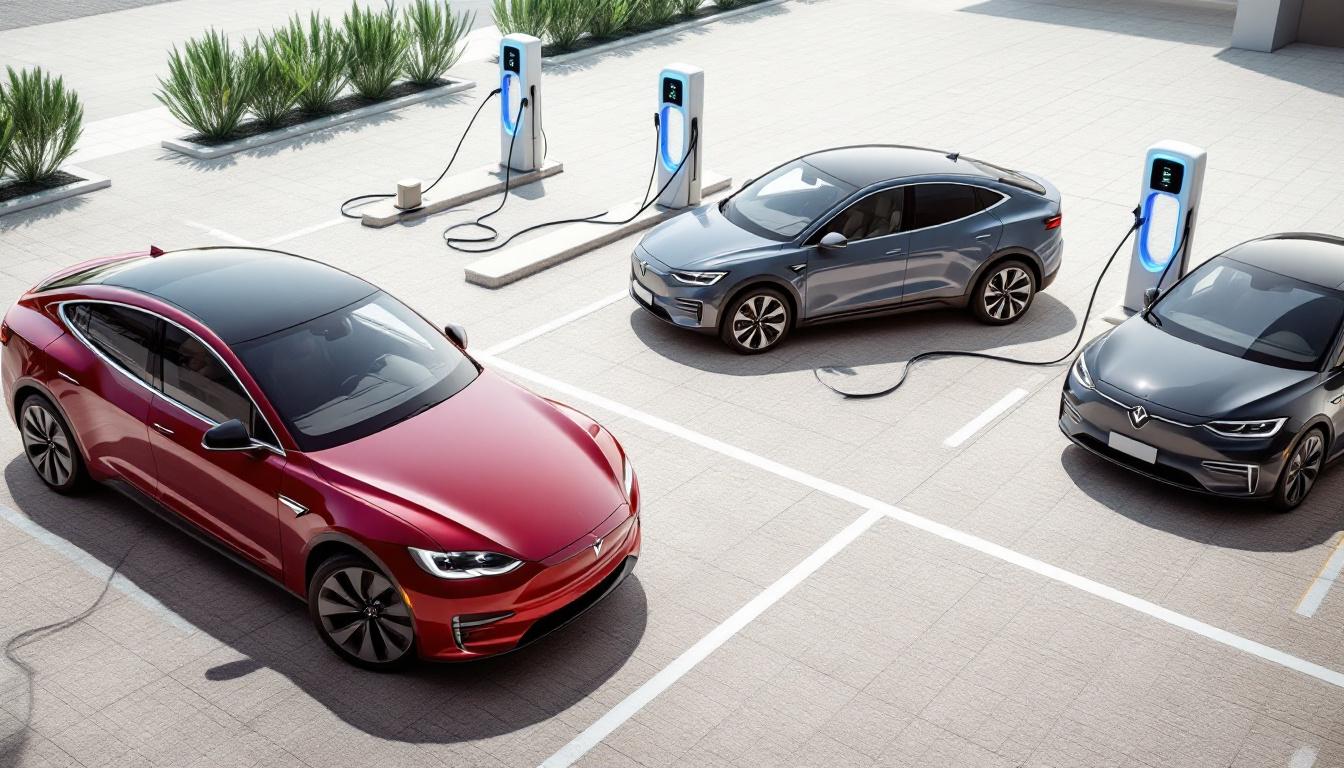
It is essential to question the true impact of these new technologies on consumers' daily lives. What incentives could motivate the adoption of electric cars? Could governments consider subsidies to encourage buyers? What role for charging infrastructure in cities? These questions are all the more pressing in a context where foreign competition is intensifying and the necessity to reduce greenhouse gas emissions has become imperative.
- Technological innovations are making vehicles more affordable.
- Environmental initiatives are gaining ground despite political opposition.
- Consumers are becoming increasingly sensitive to renewable energy choices.
The role of governments and public policies
Governments are considering public policies to support the energy transition. However, Trump's policies raise doubts about the future of these initiatives. Indeed, the implementation of strict federal regulations could exacerbate tensions between federal states and the national government. These tensions are fueled by political positions that seem to contradict the aspirations of the electorate in favor of sustainable solutions.
| State | Electric vehicle policy |
|---|---|
| California | Ban on new combustion vehicle sales by 2035 |
| Texas | Favors the oil industry, little support for electric |
| New York | Tax incentives for electric vehicle buyers |
State of public opinion
Finally, it is crucial to take into account citizens' perspectives on this issue. Polls indicate that public opinion is increasingly favorable towards the electrification of transport. Environmental concerns, exacerbated by recent climate events, have pushed some of the population to consider transitioning to low-emission solutions. However, this trend faces persistent resistance in certain segments of society.
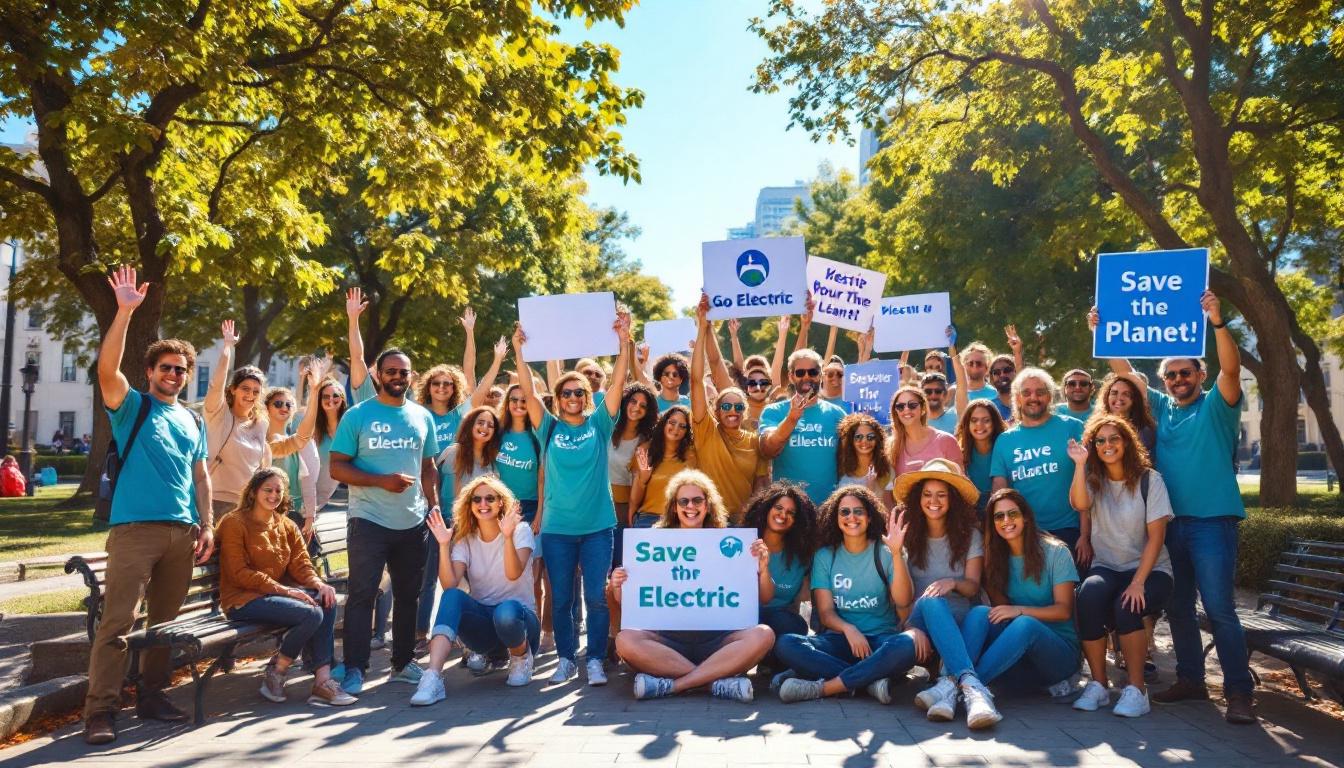
It should be noted that opinions can be influenced by socio-economic and geographic factors. Urban areas tend to be more favorable to the energy transition, while rural areas, more focused on traditional industries, may oppose radical changes in their way of life. This disparity underscores the importance of equitable supply and inclusive policy that considers all voices and concerns.
- Young generations are more in favor of sustainable solutions.
- Economic concerns and employment are central issues in the debate.
- Climate change remains a priority for a majority of the population.
Si vous souhaitez lire d'autres articles tels que Donald Trump reignites the debate and maintains his opposition to electric cars, consultez la catégorie Non classé.
-
Eldric Varanis says:
Trump soulève des questions essentielles, mais il semble freiner l'innovation électrique indispensable.
-
Trump remet en question notre avenir électrique, mais les consommateurs veulent des solutions durables.
-
Les voitures électriques sont essentielles pour notre avenir, malgré les doutes de certains.
-
L'opposition de Trump aux voitures électriques pourrait freiner l'innovation et nuire à l'environnement.
-
La résistance à l'électrique semble de plus en plus déphasée avec les enjeux climatiques actuels.
Leave a Reply to Lysandre Vortex Cancel reply
Articles relatifs