Donald Trump imposes a decree to prevent the doubling of import duties on automobile manufacturers

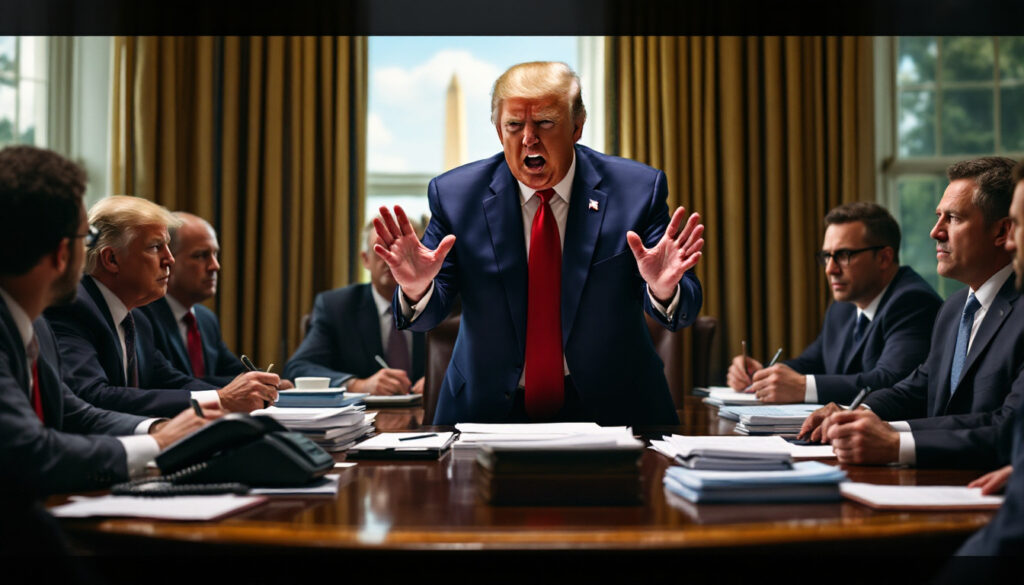

The world of the automotive industry is undergoing significant evolution, shaken by major political decisions. In this context, American President Donald Trump recently signed a determining decree aimed at abolishing the doubling of tariffs on car manufacturers. This decree is intended to support domestic production and avoid a significant increase in costs for manufacturers. Faced with increased international competition, manufacturers must skillfully navigate a complex business environment. This decree opens a path to new opportunities, but also presents its own challenges.
The challenges of tariffs in the automotive industry
Tariffs are taxes imposed on imports, which can have a huge impact on vehicle prices. By 2025, these taxes had become a crucial discussion topic for the automotive industry. Donald Trump's decree seeks to level the playing field between domestic and foreign manufacturers by establishing reciprocal tariffs. This means American manufacturers should no longer be penalized by higher rates than those applied to their competitors. This mechanism could help strengthen the American automotive industry.
The implications of these tariffs are multifaceted. First, they can reduce the dependence of the United States on imports of foreign vehicles, thus stimulating local production. This has positive consequences for employment, as increased demand could facilitate new hiring. But what happens to production costs? Here are some issues to consider:
- Cost of materials: Automotive production requires numerous materials, including steel and aluminum, the costs of which could fluctuate based on tariff decisions.
- Consumer prices: Tariffs can affect the purchase price of cars for consumers, indirectly influencing demand.
- Competitiveness: Manufacturers must be responsive; they must innovate to maintain their market share in the face of external rivals.
A booming trade policy
With the introduction of this decree, the trade policy of the United States is taking a significant turn. The measures implemented appear adequate to follow Trump's objectives - to prosper the country and support the national economy. The process of evaluating the new tariff rules should be done carefully to maximize the benefits. These efforts are not simply random choices, but deliberate decisions to build a solid economic framework.
Furthermore, if the Trump administration stays the course, consumers and manufacturers will have better visibility on the costs associated with importing automotive parts. The non-occurrence of a doubling of customs tariffs is good news for everyone involved in the production chain.
The specific measures of the decree
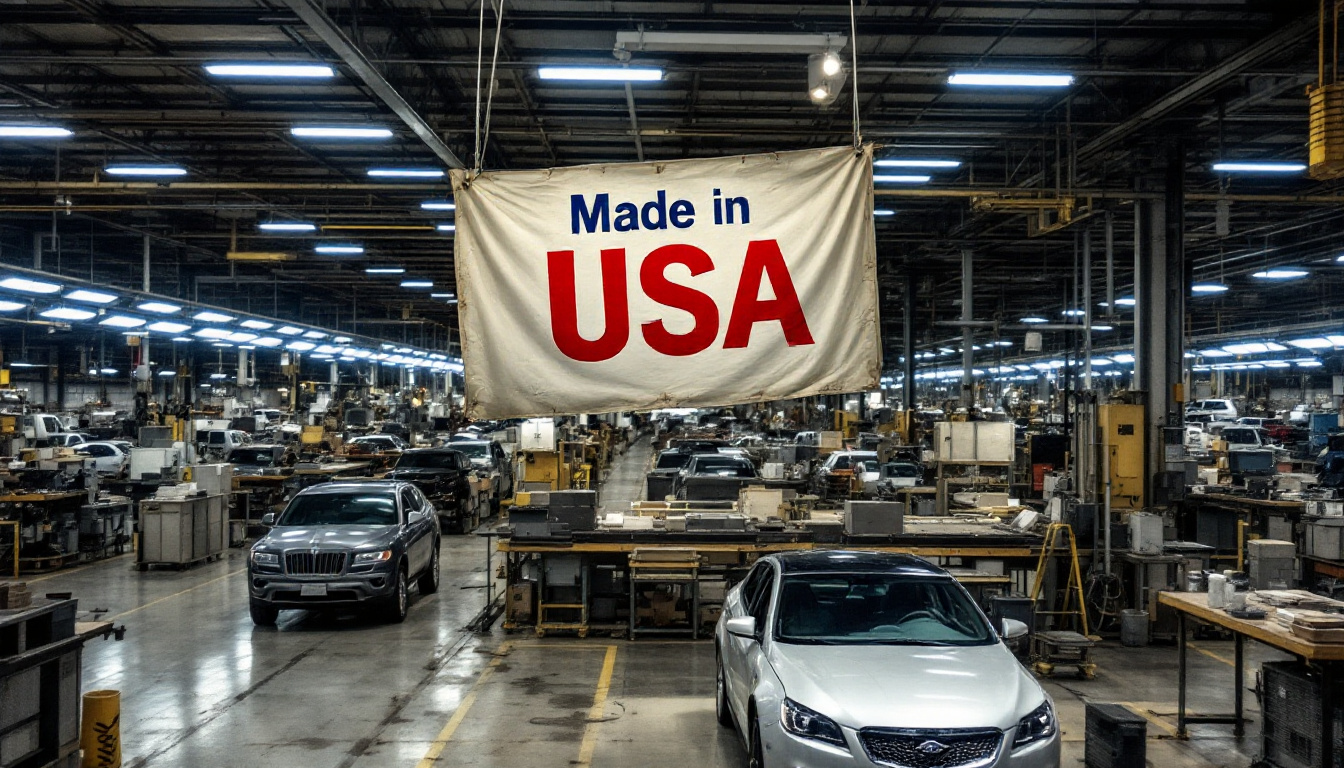
The decree recently signed by Donald Trump introduces a series of measures to alleviate the burden on car manufacturers. Here are the details: companies will be exempt from paying other customs taxes on critical materials such as steel and aluminum. This temporary support is intended to give manufacturers some leeway. The American administration has clearly announced that it wishes to protect national security while restoring the strength of the automotive industry.
Officials from the Department of Commerce clarified that both American and foreign car manufacturers could benefit from a 15% deduction in the first year and a 10% deduction in the second year on the 25% customs fees on imports. This approach aims to encourage companies to invest in local manufacturing while minimizing their exposure to market fluctuations, here are the main features:
| Year | Deduction (%) | Applies tariff (%) |
|---|---|---|
| 1st Year | 15 | 25 |
| 2nd Year | 10 | 25 |
These temporarily limited measures provide manufacturers with an opportunity to stabilize in a globalized environment, where challenges abound. This demonstrates a commitment to promoting production on American soil.
The implications for foreign manufacturers
The effects of the decree do not only affect American companies; foreign manufacturers will also need to navigate this new reality. The equal treatment of different nationalities of manufacturers implies that requirements regarding cost and compliance will also have to align. But what does this measure really mean for them? Here are some considerations:
- Commercial adjustments: Foreign manufacturers may see their costs rise, prompting them to rethink their sourcing strategies.
- International negotiations: These new tariffs could lead to claims on the international stage, increasing tensions between countries.
- Innovation and adaptation: To remain competitive, manufacturers will need to innovate and invest in reducing their production costs.

Reactions from industry players
The implementation of these new tariffs has sparked varied reactions within the automotive industry. On one hand, voices are rising to celebrate Donald Trump's decision, seen as essential support for local production. On the other hand, concerns about potential trade aggression and escalating international trade tensions are also emerging. Who could benefit from this situation? Which companies will emerge stronger?
Companies that are willing to embrace a strategy of innovation and transformation of their supply chain could truly benefit. In a context where the automotive market is becoming increasingly technological, here are some viewpoints gathered from key players:
- Manufacturers favoring local production integration feel the need to celebrate this decision.
- Those seeking to maintain low costs while avoiding tariff complications are concerned.
- Experts predict that only companies capable of adapting and transforming will survive in this new ecosystem.
The strategic implications are profound. Players depend on a long-term vision to prepare for the challenges on the horizon. Resilience will be the key to navigating these turbulent waters.
Examples of companies' reactions
Companies like Ford and General Motors have expressed their support for this initiative, seeing in this decree a strong sign of the United States' willingness to retain a significant market share. On the other hand, players like Honda and Toyota, although having operations in the United States, express reservations about the long-term impact of such tariffs. The changing dynamics of the automotive industry could significantly influence investment choices.
| Manufacturer | Reaction | Planned measures |
|---|---|---|
| Ford | Support | Increase investments in R&D |
| General Motors | Support | Strengthening local production |
| Toyota | Reservations | Adjustments in supply chain |
Perspectives for the future of the automotive industry
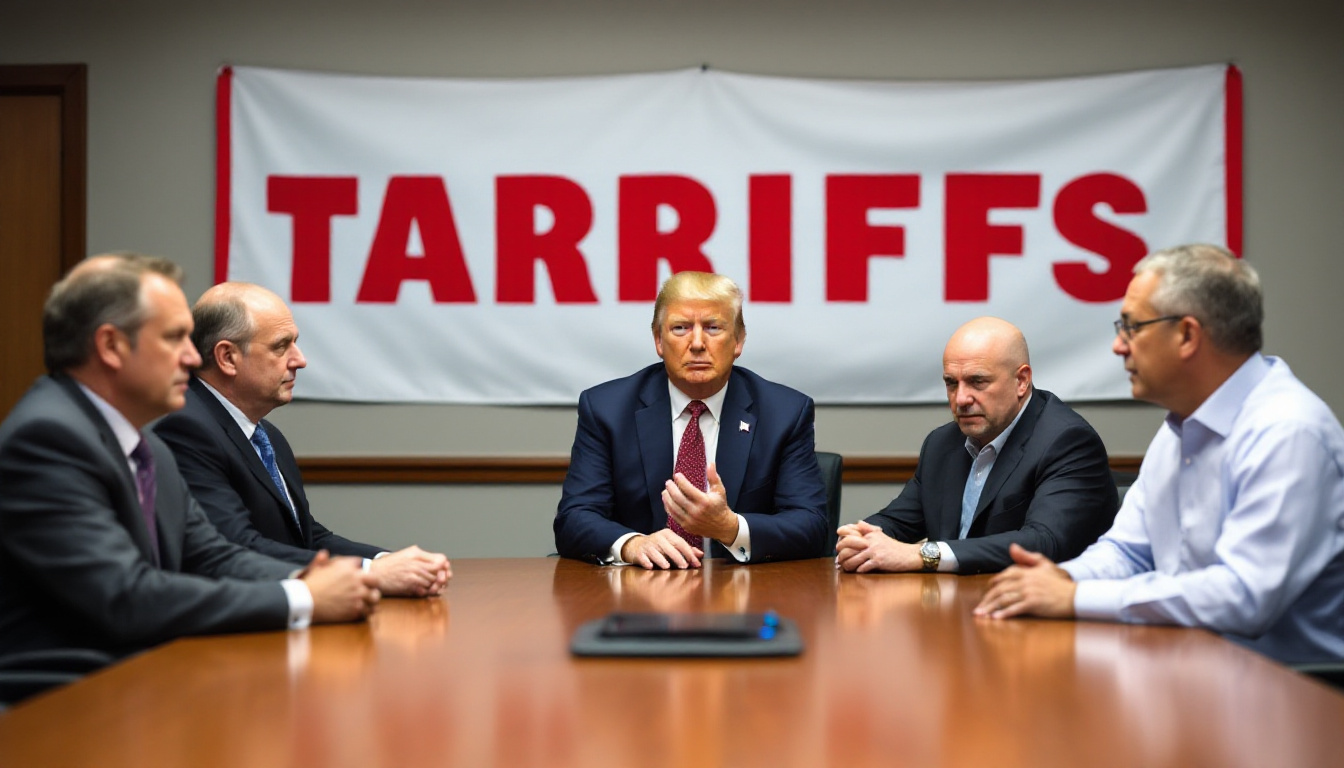
With the signing of this decree, a new era opens for the automotive industry. The possibility of reducing costs while supporting a local production policy is a tangible reality. This approach could transform not only the American industrial landscape but also spark global interest in automotive manufacturing in other countries.
The long-term outlook for the industry suggests significant transformations ahead. The market will need to adapt to changes, whether regulatory or technological. Here are some key elements to anticipate future developments:
- Increased investments: Companies will invest in infrastructure to optimize production.
- Technological innovation: The sector will need to adapt to new environmental and technological standards.
- International cohesion: Trade relations will need to be carefully managed to avoid prolonged tensions.
Ultimately, the key lies in the ability of companies to adapt. The rules of the game are constantly changing, and each player must prepare to innovate to remain competitive. These perspectives may also encourage a deeper reflection on what constitutes a healthy and sustainable economic system.

Si vous souhaitez lire d'autres articles tels que Donald Trump imposes a decree to prevent the doubling of import duties on automobile manufacturers, consultez la catégorie Constructeurs.
-
Léandre Bouquin says:
C'est intéressant de voir comment ces décisions vont influencer le marché automobile américain.
Leave a Reply to Léandre Bouquin Cancel reply
Articles relatifs