Dodge gives up its electric sports car: what are the reasons?

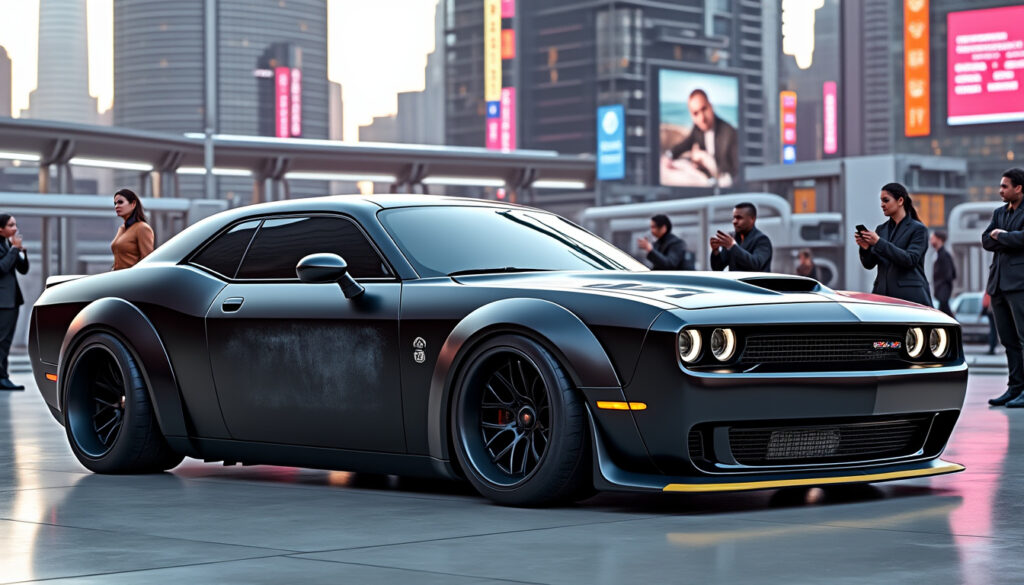

The world of automobiles is constantly evolving, and Dodge's recent decision to give up its electric sports car raises many questions. As an icon of the American muscle car, the brand has long been synonymous with power and performance. However, the era of electrification presents considerable challenges, both in terms of consumer expectations and strategic imperatives. This article examines the reasons that led Dodge to make this difficult decision, as well as the brand's future in a rapidly changing automotive market.
Dodge and Electrification: A Necessary Strategic Shift
Dodge's shift to electric is a response to increasing pressures to adopt more sustainable and environmentally friendly technologies. By 2025, electrification is not just about startups anymore; it also concerns established giants in the automotive industry, like Stellantis, Dodge's parent company. This change represents an attempt to adapt to a transforming automotive market, where sustainability is becoming essential.
The Charger Daytona and Its Initial Challenges
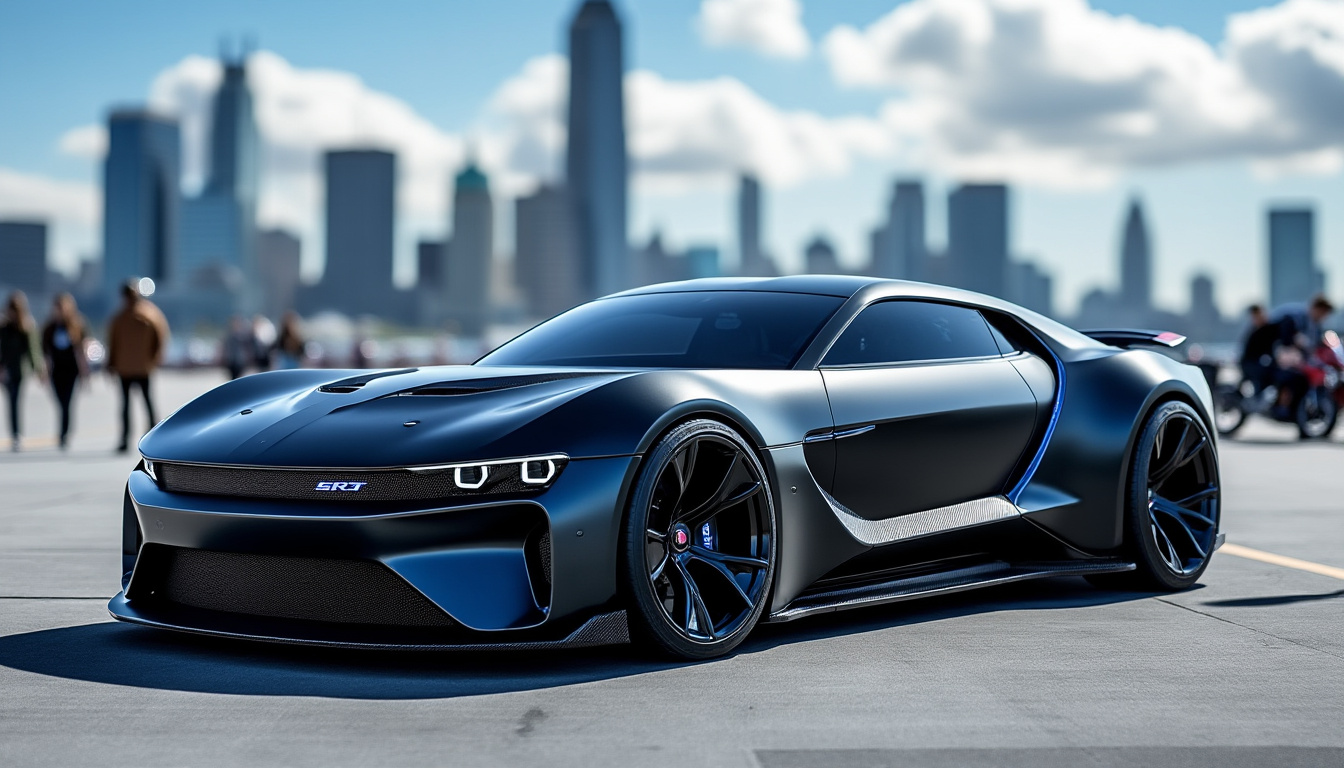
The Dodge Charger Daytona, although promising, faced many difficulties in the market. Despite intensive marketing efforts and attractive promotions, the base version, the R/T, fails to captivate the public. Here are some factors that explain these challenges:
- Unclear pricing positioning: With a price of around $62,000, the Charger Daytona R/T is positioned above competing vehicles, yet does not offer remarkable performance.
- Performance comparable to competitors: The 0 to 100 km/h acceleration in 4.8 seconds and a perceived limited range were not enough to convince enthusiasts.
- Vehicle weight: The mass of the Charger negatively influenced its agility and energy efficiency.
Despite a modern infotainment system, it did not measure up to what seemed to be more refined solutions offered by competitors like Tesla. This technological gap likely hindered its appeal to an increasingly demanding customer base.
Relentless Competition in the Electric Market
The electric vehicle segment has become more saturated and competitive, making it harder for new models to succeed. The ability to stand out in a market where competition is rampant requires being at the forefront of innovation. The Dodge Charger Daytona had to contend with rivals that offer impressive performance and a respectable price-to-value ratio.
| Model | Power | 0-100 km/h | Price | Range |
|---|---|---|---|---|
| Charger Daytona R/T | 496 hp | 4.8 s | $62,000 | Not specified |
| Tesla Model Y Dual Motor | 360 hp | 3.5 s | $55,000 | 320 km |
| Ford Mustang Mach-E | 480 hp | 3.8 s | $60,000 | 400 km |
In this competitive landscape, electric vehicles like the Volkswagen Golf GTI electric, which offer impressive performance and a dynamic sporty image, have made notable inroads in the market. Consumers now have several alternatives that encourage them to steer away from more expensive options.

Dodge Re-centers Its Strategy on the High-End
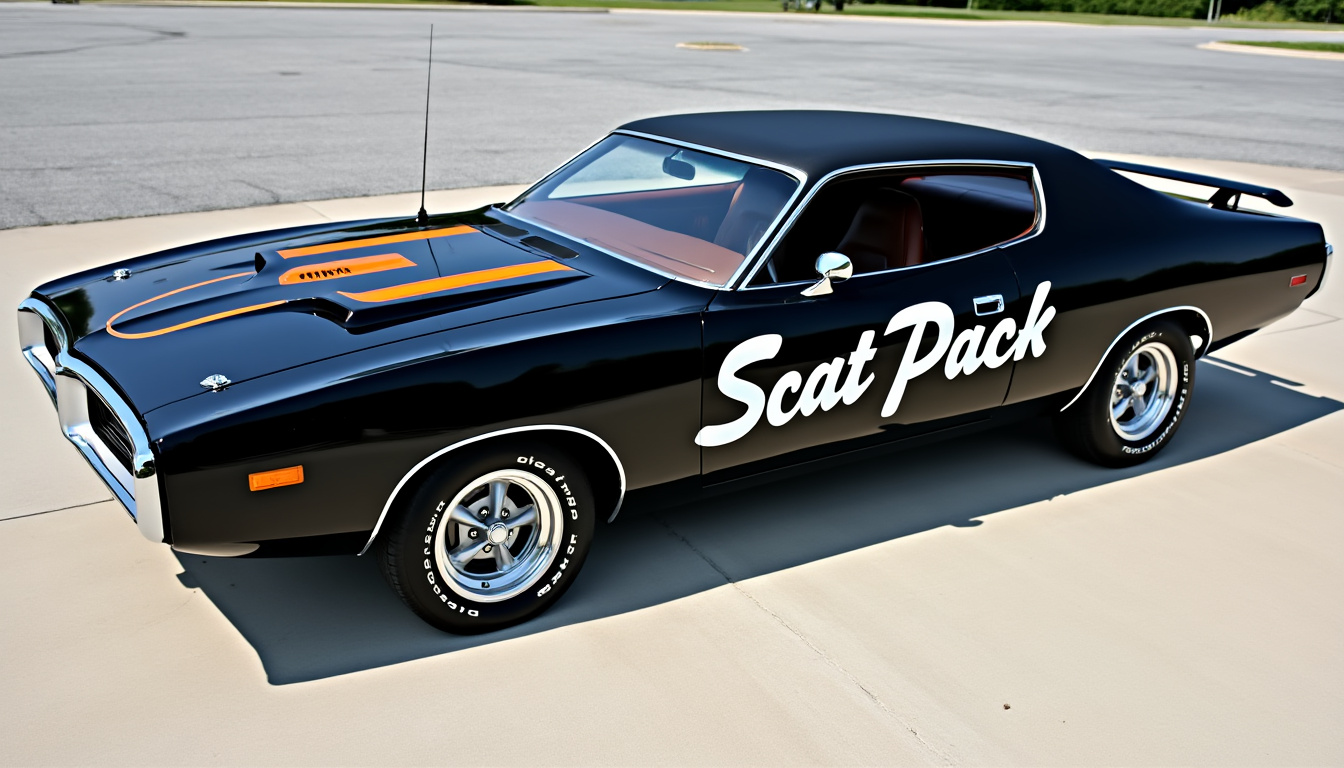
In light of the commercial debacle of the R/T version, Dodge has chosen to focus on the high-end, preparing to maintain the Charger Daytona Scat Pack, which offers improved performance with 670 horsepower. This approach suggests that the brand aims to attract a more exclusive market segment, betting on higher-performing versions. Here are some key elements of this strategy:
- Focus on high-performance versions: The Charger Daytona Scat Pack is an excellent example of Dodge's ambition to appeal to performance enthusiasts.
- Adapting to customer expectations: The brand aligns with the vision of a loyal customer base that seeks power and authenticity in sports cars.
- Highlighting sound innovation: Despite reservations, the “Fratzonic” system, which mimics the roar of traditional V8 engines, remains a selling point to attract enthusiasts.
At the same time, Dodge is exploring current trends like the integration of multi-motor configurations, which could enhance the appeal of its future models.
Prospects of Electrification at Stellantis
Dodge's decision to abandon the Charger Daytona R/T occurs within a broader framework of challenges faced by the Stellantis group, both economically and strategically. Although electrification is a priority, several obstacles remain. By 2025, the market appears to be largely dominated by players with significant advantages like Tesla. Here are the main obstacles Stellantis must face:
- Tariffs and production: The new 25% tax on imported vehicles significantly impacts the profitability of models like the Charger Daytona.
- Low diversity in electric offerings: Currently, Stellantis only offers two environmentally responsible models with a winning range in the U.S.
- Range and performance: Technical and technological challenges regarding range optimization remain crucial to capture the market.
It is imperative for the group to improve its value chain and explore models like the BMW with solid-state batteries to move towards a more competitive offer.

Reflections on the Future of Dodge and the Charger Daytona
As Dodge prepares to end its Charger Daytona R/T, the manufacturer must find a balance between the need to modernize its lineup and maintaining its historical image. The future of electric vehicles looks promising, but for Dodge, it requires carefully navigating a competitive environment where customer expectations are rapidly evolving. To succeed, the brand will need to:
- Redefine its identity: Affirm its heritage while integrating new technologies.
- Surpass the competition: Stand out not only through performance but also innovation and sustainability.
- Focus on personalized customer service: Offer an unprecedented customer experience that captures the spirit of muscle cars while meeting modern expectations.
Dodge's moves within this framework will need to be strategically aligned with not just the evolutions of the automotive market, but also the desires of an increasingly informed and demanding customer base.
Si vous souhaitez lire d'autres articles tels que Dodge gives up its electric sports car: what are the reasons?, consultez la catégorie Non classé.
-
Elysia Thorne says:
Dodge doit vraiment repenser sa stratégie pour suivre le marché électrique, c'est essentiel.
-
Dodge doit vraiment se concentrer sur l'innovation pour ne pas perdre sa place sur le marché.
-
C'est triste de voir Dodge abandonner l'électrique, mais ils doivent aussi rester fidèles à leur essence.
-
Dodge semble vraiment se perdre dans sa transition vers l'électrique. Dommage pour l'héritage des muscle cars.
-
Dodge devrait vraiment innover davantage pour rester compétitif sur le marché des voitures électriques.
Leave a Reply to Elowen Starfire Cancel reply
Articles relatifs