Do not believe everything: 9 misconceptions about electric vehicles that are still persistent

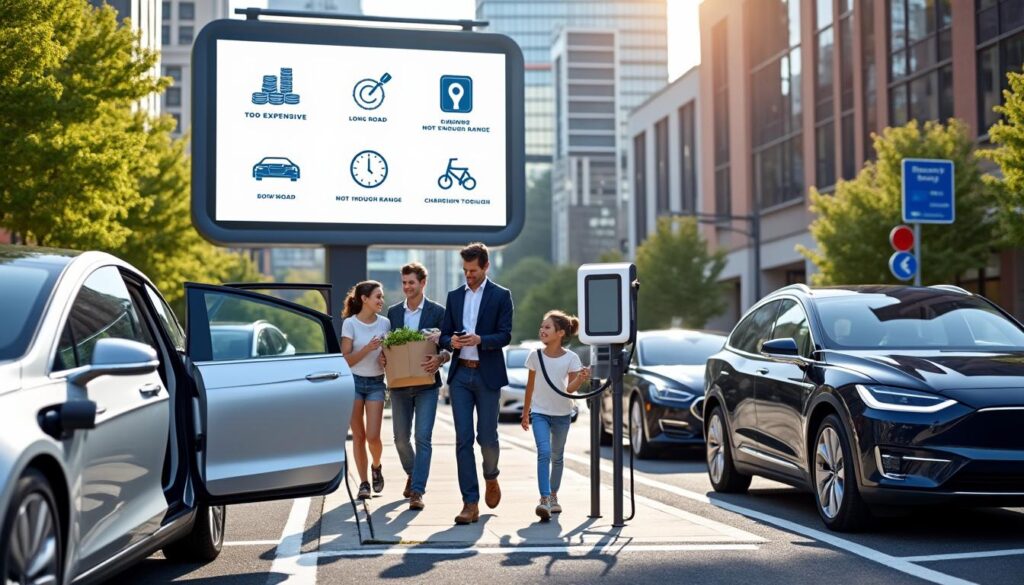

Electric vehicles (EVs) have been gaining popularity in recent years, representing a significant alternative to traditional internal combustion engine cars. However, a multitude of misconceptions and misinformation circulates about them, often obscuring the reality of their efficiency and environmental impact. In 2025, a thorough analysis reveals that erroneous beliefs hinder the adoption of technologies that are, in fact, essential for transforming our modes of transport. This article will explore in detail nine of these persistent misconceptions that remain entrenched in the public's mind.
Electric vehicles are more dangerous than gasoline cars
The myth that electric cars are more likely to catch fire than gasoline ones is one of the most widespread misconceptions. According to a recent study, up to 56% of respondents believed this statement in certain countries. However, actual statistics show the opposite. Experts estimate that the risk of fire is similar, or even lower for electric vehicles, especially when considering the many safety systems integrated into modern batteries.
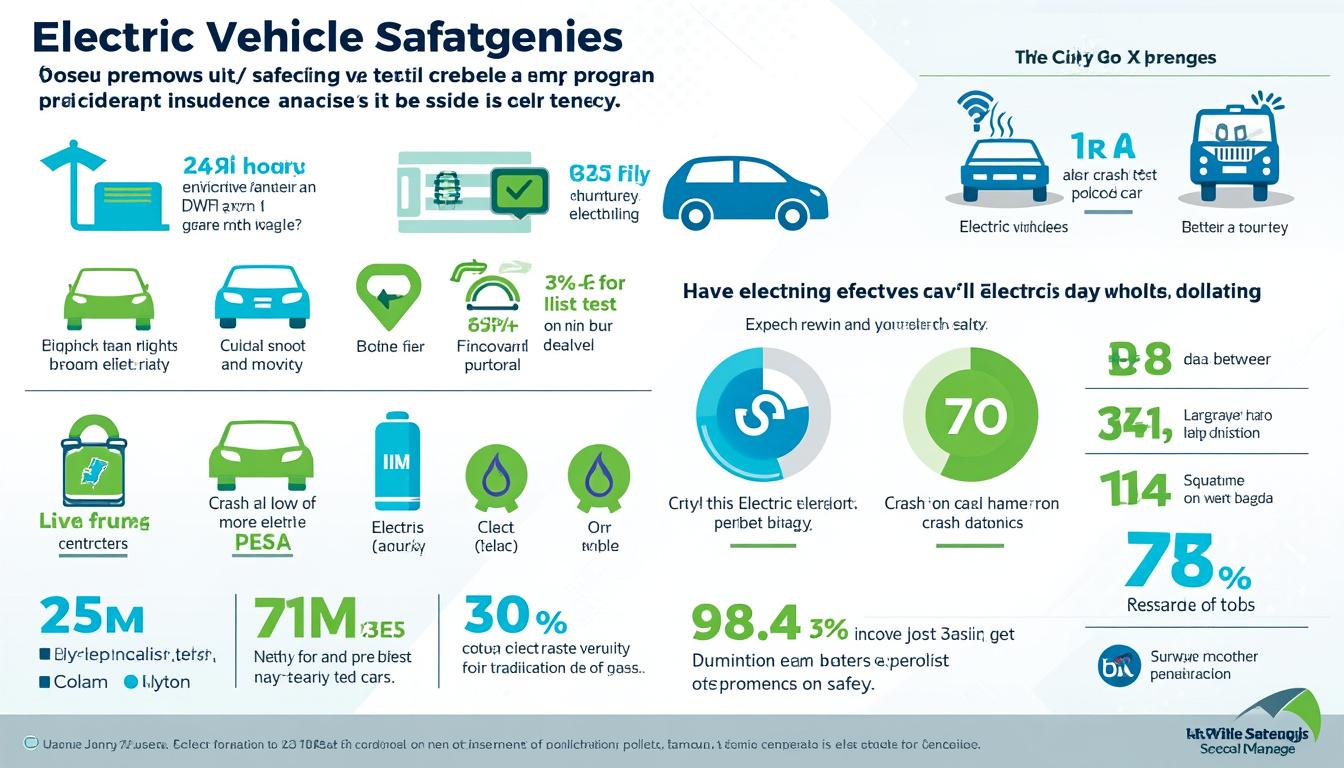
Analysis of electric vehicle fires
To illustrate this reality, it is crucial to look at the numbers. Several automotive safety studies have revealed that the fire rate for electric vehicles is comparable to that of gasoline cars. Brands like Tesla, Renault, and Nissan have invested heavily in battery technologies that minimize risks, including advanced cooling systems. Even luxury models such as BMW, Volkswagen, and Audi comply with very strict safety standards, helping to ensure the safety of drivers and passengers.
- Batteries equipped with multiple protections
- Rigorous testing before market release
- Real-time temperature monitoring systems
In 2025, several companies, including Hyundai and Kia, continue to strengthen their safety protocols, thereby dispelling baseless fears surrounding electric vehicle fires.
Electric cars have limited range
Another persistent stereotype is that electric cars cannot travel long distances without a prolonged charge. However, with the constant evolution of battery technologies, the range of EVs has significantly increased in recent years. For example, some models from Chevrolet and Peugeot now achieve over 500 kilometers of range on a single charge. This is relatively comparable to gasoline cars that require frequent stops at gas stations.
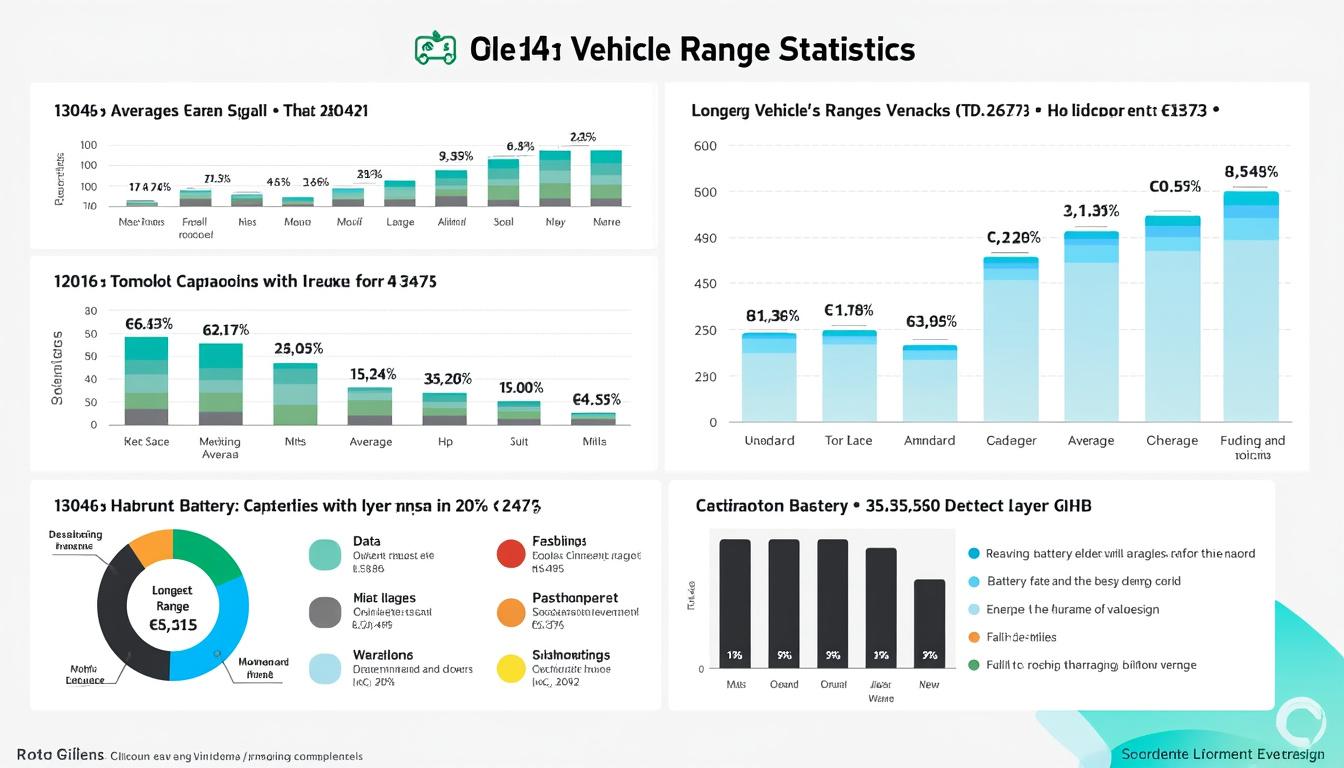
Technological advancements in battery technology
Research and development in the battery field have led to significant advancements. Batteries with innovative storage technologies are now available, offering better performance and a longer lifespan. Here are some observed trends:
| Brand | Model | Estimated range (km) |
|---|---|---|
| Tesla | Model 3 | 580 |
| Volkswagen | ID.4 | 520 |
| Nissan | Leaf | 400 |
| Hyundai | Ioniq 5 | 480 |
| BMW | i4 | 590 |
This calibration of EV performance in terms of range is far from trivial. It shows a tangible reduction in concerns regarding long distances, paving the way for a more significant withdrawal of initial doubts about the everyday practicality of owning an electric vehicle.
Electric vehicles are bad for the environment
The debate surrounding the ecological impact of electric vehicles is complex and often distorted by erroneous misconceptions. Several individuals argue that battery production is so polluting that it nullifies the expected environmental benefits. While lithium-ion battery production does indeed require resources and generates emissions, it is essential to put this into perspective. With prolonged use and the absence of exhaust emissions, EVs offer potential for emission reductions over their lifecycle.
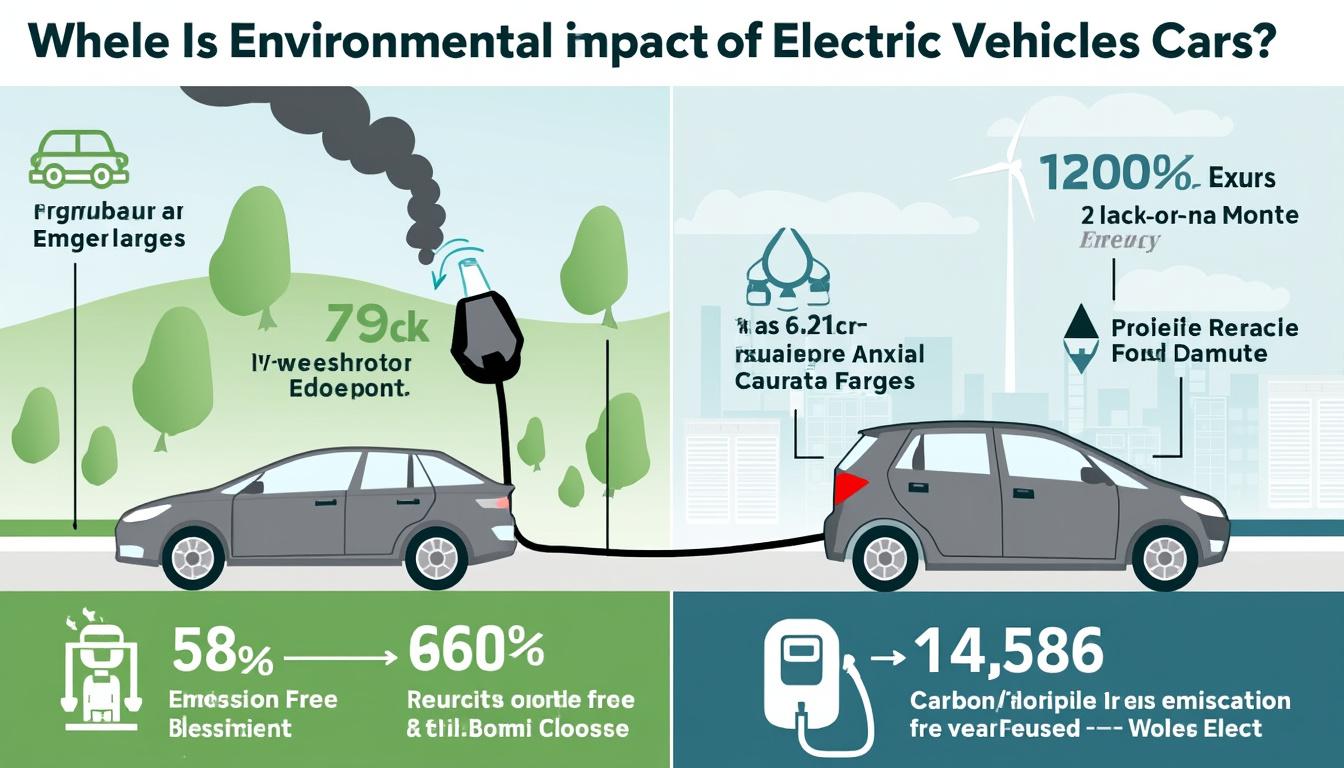
Lifecycle of electric vehicles
Here are some points to consider:
- Emissions generated during battery production decrease with technological advancements and stricter production standards.
- Once on the road, electric vehicles produce zero exhaust emissions, thereby contributing to reduced air pollution.
- Models from brands like BMW and Audi implement sustainable practices in manufacturing their vehicles.
Furthermore, many companies, including BYD, are exploring ways to give a second life to used batteries, thus reducing their overall environmental impact.Learn more here.
Electric cars do not have enough charging stations
The charging infrastructure for electric vehicles has long been a concern. However, the figures illustrate rapid expansion. In 2025, countries like France, Germany, and the United States saw massive investment in charging stations, leading to an increasing number of public, highway, and even condominium charging points.
Charging initiatives and projects
Brands like Renault and Volkswagen are committed to building charging infrastructure networks to support their customers. Here are some notable initiatives:
- Partnerships between local governments and private companies to install charging stations.
- Technological advancements allow more electric cars to park simultaneously.
- Creation of fast charging stations that minimize waiting time.
Ultimately, studies estimate that by the end of the decade, the number of charging stations should increase by 300%, thus facilitating the adoption of electric vehicles in the modern world. To explore this topic further, check out this article on charging in condominiums.
Electric cars are too expensive to buy and maintain
The initial cost of electric vehicles has long been perceived as a major barrier to their adoption. However, price trends have changed with the arrival of more affordable models. Brands like Chevrolet and Kia are offering EVs at competitive prices, thereby narrowing the financial gap between electric cars and those with internal combustion engines.
Long-term cost assessment
It is also crucial to consider long-term savings. Electric vehicles have lower maintenance costs due to the simplicity of their mechanics and the absence of frequently worn parts. Additionally, government incentives are often in place to mitigate purchase costs.
| Cost item | Gasoline car | Electric car |
|---|---|---|
| Average purchase price | €25,000 | €30,000 |
| Annual maintenance cost | €800 | €300 |
| Annual fuel/energy cost | €1,200 | €500 |
This financial analysis shows that over time, an electric vehicle can become a more economically wise choice, especially in a context of rising fuel prices and emissions taxes.
Electric vehicles are not reliable or high-performing
Many criticisms continue to circulate regarding the performance of electric vehicles. According to some, these cars lack power or often break down. However, the reality is different. Electric vehicle models have made significant advancements in performance. Whether it be acceleration time, handling, or comfort, they now rival the best internal combustion models. Brands such as Tesla and BMW demonstrate this potential through their electric sports cars.
Testimonials and case studies
In 2025, many individuals who chose an electric vehicle highlight their satisfaction regarding instant acceleration and driving comfort. Collected data shows a notable improvement in performance:
- The Tesla Model S allows a 0 to 100 km/h in under 3 seconds.
- Electric vehicles like the Audi e-tron offer impressive handling comparable to luxury gasoline cars.
- Manufacturers like Hyundai and Peugeot continue to introduce performance models suited for young drivers.
This proves that electric vehicles are not only emerging as eco-friendly alternatives but also as high-performing vehicles that offer an enjoyable and engaging driving experience.
Electric vehicles are reserved for the elite
It would be erroneous to think that electric cars are solely meant for a financial elite. Thanks to the emergence of budget-friendly models, such as offerings from Renault and Kia, EVs are becoming accessible to a broader range of consumers. In 2025, the diversity of available models is such that there are options for every budget.
Increasing accessibility of EVs
The democratization of electric vehicles is also facilitated by government initiatives aimed at promoting the acquisition of these vehicles. Several countries offer subsidies or tax credits for the purchase of electric cars. Here are some key elements:
- Affordable long-term rental offers for young drivers.
- Partnerships with insurance companies to reduce security premiums.
- Promotion by major brands of low-cost models, making electric vehicles accessible to all.
In 2025, this accessibility continues to grow, making electric cars increasingly popular in the automotive sector, thus fostering a true energy transition.
Si vous souhaitez lire d'autres articles tels que Do not believe everything: 9 misconceptions about electric vehicles that are still persistent, consultez la catégorie Non classé.
-
Zéphyrine Duval says:
J'ai appris beaucoup sur les véhicules électriques, c'est impressionnant de voir leur évolution !
-
Les voitures électriques sont vraiment prometteuses pour un avenir plus propre et durable.
-
Les véhicules électriques sont vraiment l'avenir, surtout avec tous ces progrès technologiques !
-
Les voitures électriques sont vraiment prometteuses pour un avenir plus propre.
-
Les véhicules électriques sont vraiment une bonne alternative pour l'avenir de notre planète.
Leave a Reply to Lysandre Bouton Cancel reply
Articles relatifs