Diving into the heart of automotive news: information about the sector, economic and ecological challenges, and updates from the brands

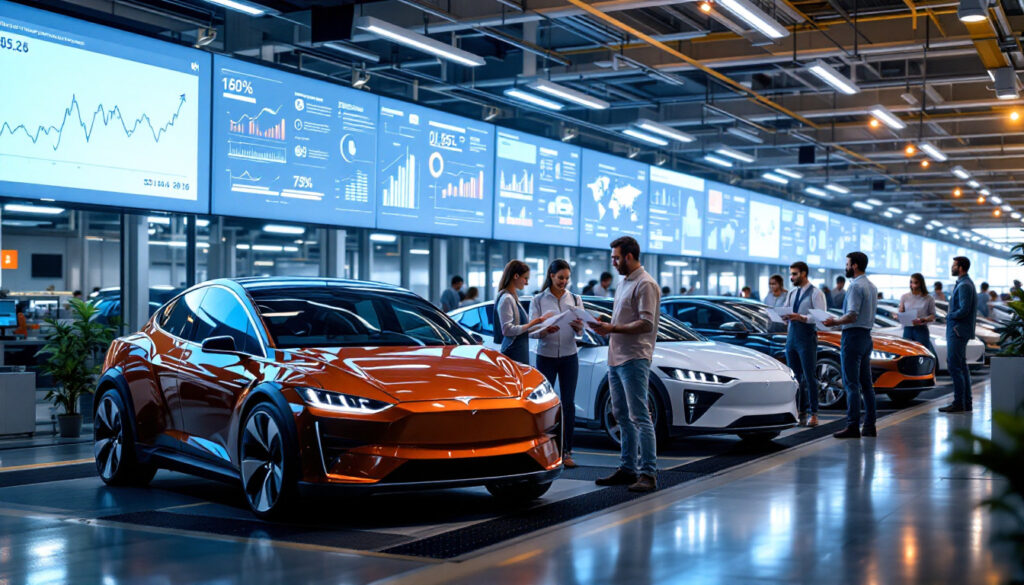

In a world where technological evolution redefines every sector, the automotive industry is at the heart of major changes that affect both the way vehicles are designed and the values they convey. The transition to more sustainable models is not only an environmental necessity but also an economic opportunity. Every manufacturer, from Renault to Volkswagen, including Toyota and Ford, must question its strategy to adapt to this new paradigm. This raises essential questions for the future: how are automotive brands rethinking their business model in the face of the rise of electric vehicles and societal pressures?
The economic challenges of the automotive sector in 2025
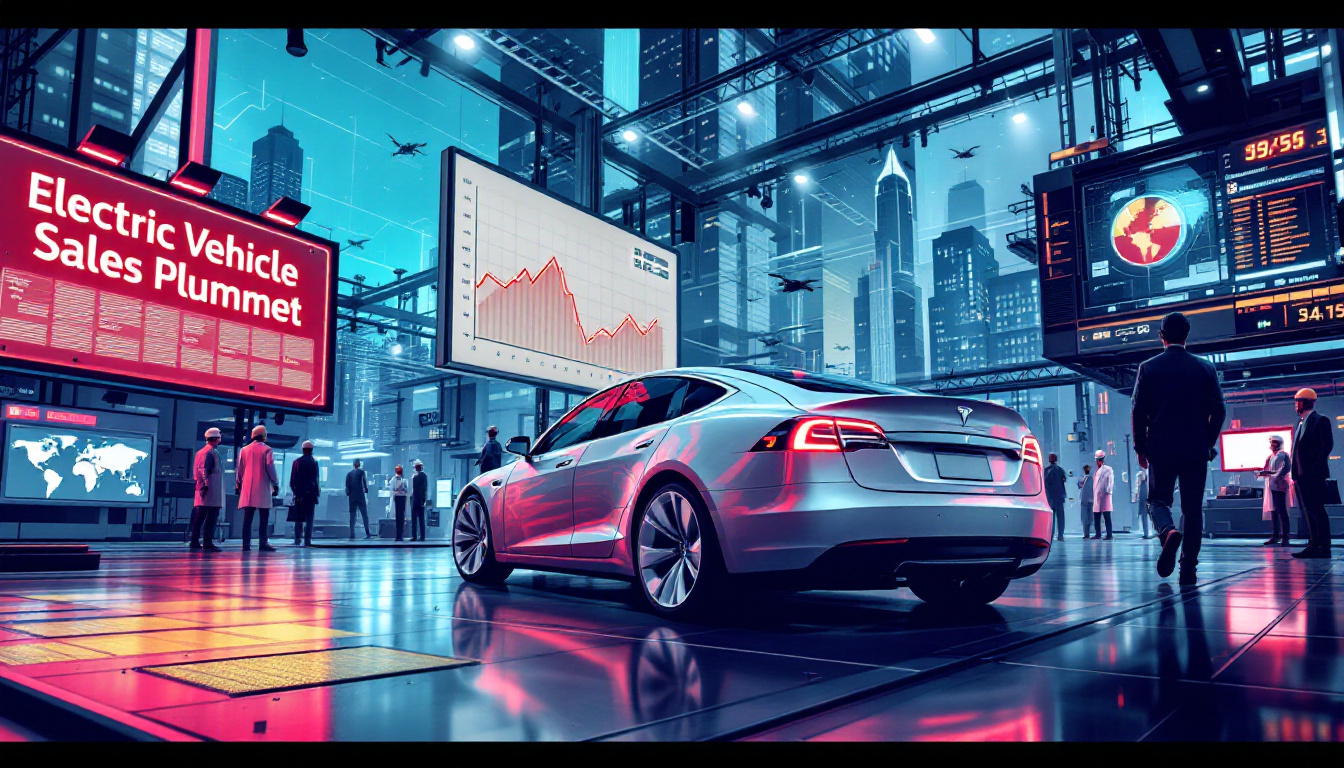
The economic situation of the automotive industry in 2025 is marked by unprecedented challenges. Production costs, shortages of raw materials, and increasing environmental standards directly impact the profitability of companies. In response to this situation, many players are looking to diversify their offerings and optimize their production chains.
A necessary adaptation in the face of rising costs
Manufacturers are facing a surge in material costs, exacerbated by geopolitical tensions and logistical injuries. BMW and Mercedes-Benz find themselves forced to pass these increases onto consumers. However, customer reactions vary; on one hand, buyers are attracted to more sustainable electric models, but on the other hand, they are not ready to abandon their budget.
- Increase in raw materials: steel, lithium, and copper are reaching new heights.
- Cost reduction: companies are reviewing their supply chains.
- Transition to electric: investments in charging infrastructure are growing.
The new environmental policies: an opportunity to seize
Governments are implementing encouragement policies for the development of zero-emission vehicles. In France, the conversion bonus encourages individuals to switch to less polluting cars. Brands such as Peugeot and Citroën are revising their strategies by focusing on hybrid and electric models that meet demand. This tactic can reduce production costs in the long run while responding to consumer expectations.
| Brand | Electric Model | Average Price (€) | Range (km) |
|---|---|---|---|
| Renault | Zoé | 35,000 | 390 |
| Peugeot | e-208 | 33,500 | 340 |
| Volkswagen | ID.3 | 38,000 | 400 |
Innovation as a lever for competitiveness
To face the competition, innovation is crucial. Companies are investing heavily in the research and development of new technologies. Nissan is working on ultra-fast charging batteries, while Honda is exploring hydrogen. These innovations are part of a collective approach towards more environmentally friendly mobility, placing brands at the forefront of automotive news.

The ecological and regulatory challenges in the automotive sector
As environmental concerns become increasingly pressing, trends in sustainable mobility are shaping the landscape of the industry. Brands, aware of the climate emergency, are ramping up their efforts to adopt more sustainable practices in their production and supply chains.
Towards ever stricter standards
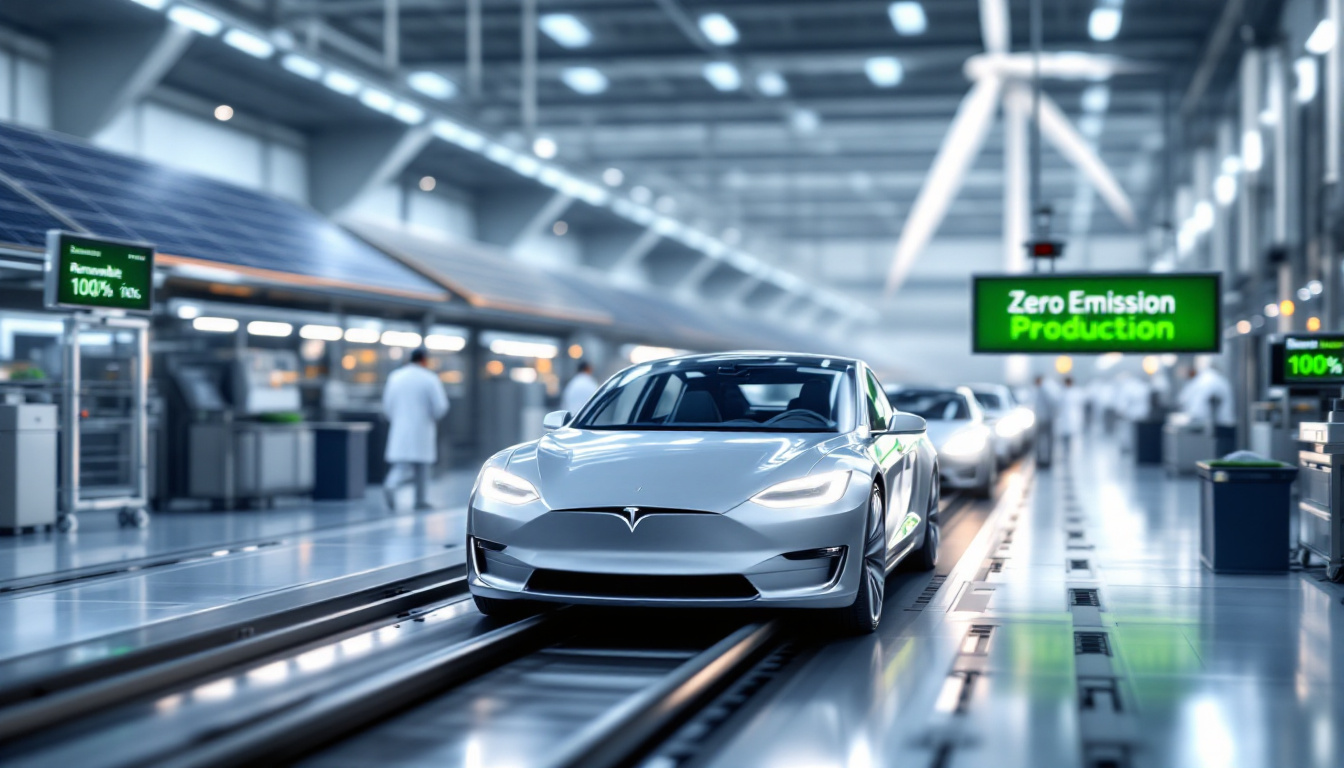
European legislation imposes draconian standards for reducing CO2 emissions. By 2025, the limit of 95 g/km must be respected by all manufacturers. This involves colossal investments in energy transition, both for thermal and electric vehicles. Brands must innovate to meet these criteria while remaining profitable.
- Adoption of hybrid-thermal engines: a compromise between performance and ecology.
- Recovery of materials in automotive production: a trend to follow.
- Global commitments for reducing plastic waste.
The role of consumers in this transition
Today's buyers are increasingly aware of the environmental impact of their vehicle choice. Studies show that a majority of consumers are willing to invest more in ecological models. Therefore, brands' communication about their sustainable efforts has become a fundamental element of attraction.
| Purchase Criteria | Weight in Decision (%) |
|---|---|
| Environmental Impact | 35 |
| Cost of Use | 30 |
| Performance | 25 |
| Brand Image | 10 |
Innovative initiatives in ecology
The automotive sector is seeing the emergence of promising initiatives. Ford, for example, has chosen to design fully recyclable models. Toyota, for its part, is investing in hydrogen vehicle projects, reaffirming its mission to be a responsible player in the fight against climate change. The connected car is also an area of innovation, allowing for reduced trips and optimized travels.

The new brands and technologies redefining the industry
New entrants in the automotive market, notably startups, challenge traditional large companies. Names like Rivian and Lucid Motors are emerging with refreshing visions of the automobile. This encourages the creation of models adapted to the contemporary needs of consumers.
Models attuned to new trends
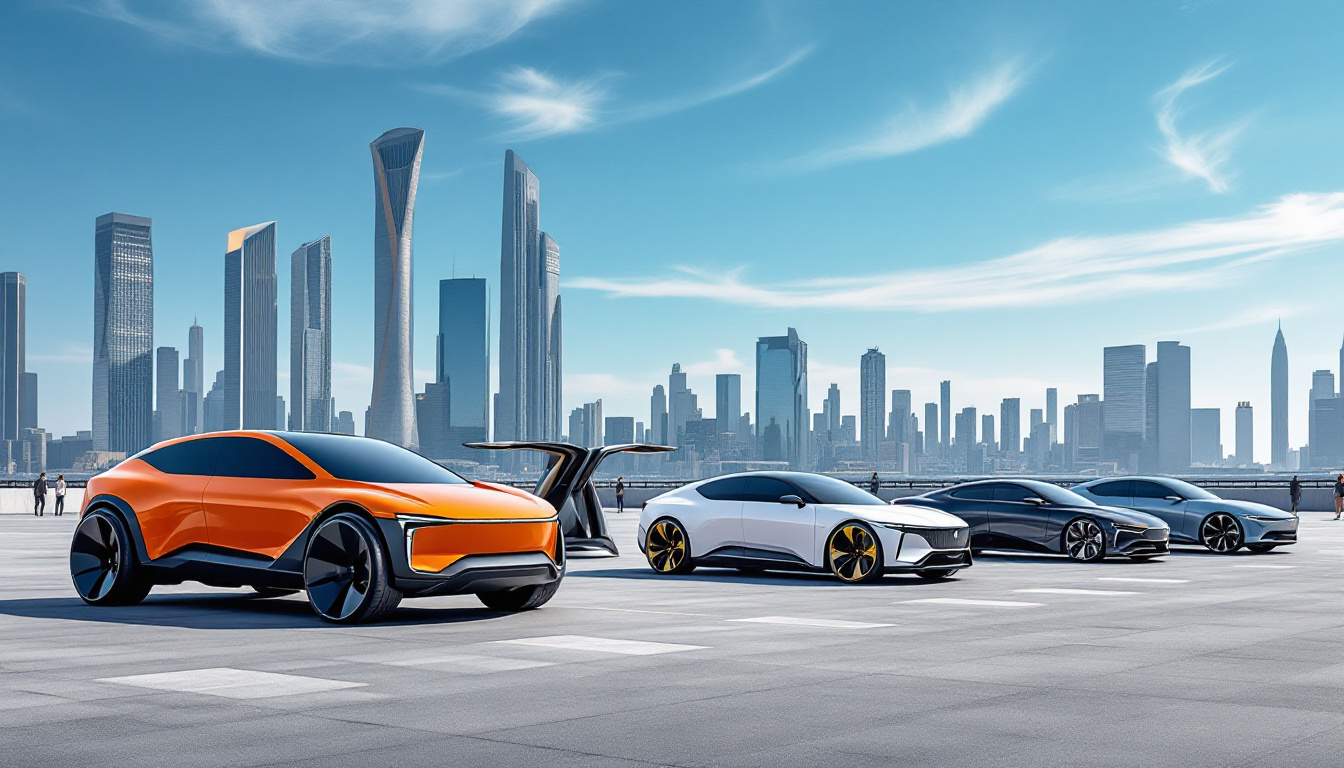
Production lines are adapting to the specific demands of young consumers. Urban, compact, and electric vehicles are winning over city dwellers. Volkswagen and Renault compete with ingenuity to offer connected vehicles. For example, Renault's electric city car, en-Jeanne, combines performance, practicality, and respect for the environment.
- Autonomous vehicles: a future still to be defined.
- Car-sharing services: meeting growing expectations.
- Customizable models: a trend that is gaining strength.
The impact of new technologies on mobility
Technical advances such as autonomous driving or driver assistance systems open new perspectives. Mercedes-Benz already offers semi-autonomous driving modes that make daily commutes easier. These solutions transform not only the driving experience but also the perception of road safety.
| Technology | Brand | Functionality |
|---|---|---|
| Autonomous Driving | Mercedes-Benz | Obstacle avoidance |
| Lane Keeping Assistance | BMW | Automatic trajectory control |
| Fatigue Detection | Nissan | Driver alert |
The need for appropriate regulation
New brands bring innovation, but this also requires reflections on suitable regulations. Governments must consider laws that protect consumers while encouraging innovation. Preserving road safety remains a major challenge, and regulations must evolve accordingly.
The major marketing trends of automotive brands
In the digital age, manufacturers' marketing strategies are evolving. Brands are investing in personalized campaigns to target an increasingly demanding clientele, with values of transparency and honesty.
Digital at the service of sales
The move to digital is inevitable. Brands like Toyota and Ford are highlighting online sales platforms, allowing customers to configure and order their vehicles directly from home. This approach has been accelerated by the COVID-19 pandemic, which has changed purchasing behaviors.
- Online sales: a strategy towards contactless.
- Use of social networks: targeting younger generations.
- Content marketing: education and consumer engagement.
Brand values facing societal expectations
Brands must now position themselves clearly on the field of values. Issues of social responsibility, inclusivity, and eco-responsibility are at the center of concerns. Peugeot and Citroën focus their communication on sustainable commitment, allowing them to build a more positive image among the public.
| Brand | Commitments |
|---|---|
| Renault | Carbon neutrality by 2050 |
| Toyota | Social inclusion and diversity |
| Ford | Renewable energy in production |
The new communication trends: a sought proximity
To create a bond with customers, it is crucial to establish authentic communication. Storytelling campaigns and immersive events help bring the brand closer to the consumer. Honda, for example, uses inspiring videos to highlight testimonials from satisfied users. This approach humanizes the relationship, making the public more inclined to connect with the brand.

Si vous souhaitez lire d'autres articles tels que Diving into the heart of automotive news: information about the sector, economic and ecological challenges, and updates from the brands, consultez la catégorie News.
-
Alexandre Verdant says:
L'article souligne bien l'importance de l'innovation dans l'industrie automobile actuelle.
Leave a Reply to Alexandre Verdant Cancel reply
Articles relatifs